
How to Fix Ac Problems in a Nissan Rogue

If your Nissan Rogue’s AC isn’t blowing cold air, you’re not alone—this is a common issue many owners face. From refrigerant leaks to clogged cabin filters, we’ll walk you through the most effective ways to diagnose and fix AC problems in a Nissan Rogue so you can stay cool and comfortable on the road.
Key Takeaways
- Low refrigerant levels are the #1 cause of weak cooling – Recharging the system can restore cold air, but leaks must be repaired first.
- A clogged cabin air filter restricts airflow – Replace it every 12,000–15,000 miles to maintain strong, clean airflow.
- Faulty AC compressor can stop cooling entirely – Listen for unusual noises or failure to engage; replacement may be needed.
- Electrical issues like blown fuses or bad relays disrupt operation – Always check the fuse box before assuming major mechanical failure.
- Dirty condenser coils reduce efficiency – Clean the front of the condenser regularly to prevent overheating and poor performance.
- Blend door malfunctions affect temperature control – If air won’t switch from hot to cold, the blend door actuator may need replacement.
- Regular maintenance prevents most AC problems – Annual inspections and timely servicing keep your Rogue’s AC running smoothly.
📑 Table of Contents
Why Is Your Nissan Rogue’s AC Not Working?
There’s nothing worse than hopping into your Nissan Rogue on a hot summer day only to find the AC blowing warm air. You turn the knob, press the button, and nothing changes—just hot, stale air coming through the vents. It’s frustrating, especially when you’re counting on that cool blast to make your commute bearable.
AC problems in a Nissan Rogue are more common than you might think. While the vehicle is generally reliable, its climate control system can develop issues over time due to wear, environmental factors, or lack of maintenance. The good news? Many of these problems are fixable—some even with basic tools and a little know-how. Whether you’re dealing with weak airflow, warm air, or strange noises, understanding the root cause is the first step toward getting your AC back in top shape.
In this guide, we’ll walk you through the most common AC problems in the Nissan Rogue, how to diagnose them, and—most importantly—how to fix them. We’ll cover everything from simple DIY checks to more complex repairs, so you can decide whether to tackle it yourself or visit a trusted mechanic. Let’s get your Rogue cooling like new again.
Common Causes of AC Problems in a Nissan Rogue
Before jumping into repairs, it’s important to understand what might be causing your AC to underperform. The Nissan Rogue uses a standard vapor-compression refrigeration system, similar to most modern vehicles. When any part of this system fails or becomes inefficient, your AC suffers. Let’s break down the most frequent culprits.
Visual guide about How to Fix Ac Problems in a Nissan Rogue
Image source: i.ytimg.com
Low Refrigerant Levels
The refrigerant is the lifeblood of your AC system. It absorbs heat from inside the cabin and releases it outside, creating cool air. If the refrigerant level drops—usually due to a leak—the system can’t cool effectively. Low refrigerant is the number one reason for weak or warm airflow in the Rogue.
Signs of low refrigerant include:
- AC blows warm or slightly cool air
- Hissing sound near the AC components (indicating a leak)
- Ice buildup on the evaporator or refrigerant lines
Refrigerant doesn’t “run out” on its own—it escapes through leaks in hoses, seals, or the condenser. So while recharging the system might give temporary relief, it won’t fix the underlying issue. You’ll need to locate and repair the leak first.
Clogged or Dirty Cabin Air Filter
Your cabin air filter cleans the air entering your vehicle through the HVAC system. Over time, it collects dust, pollen, leaves, and debris. When it gets clogged, airflow is restricted—even if the AC is working perfectly.
A dirty filter can make it seem like your AC is weak or not working at all. You might notice:
- Reduced airflow from vents
- Musty or unpleasant odor when AC is on
- Increased strain on the blower motor
The cabin air filter in a Nissan Rogue is usually located behind the glove box. Replacing it is one of the easiest and cheapest fixes—often taking less than 15 minutes. Nissan recommends replacing it every 12,000 to 15,000 miles, or more frequently if you drive in dusty or polluted areas.
Faulty AC Compressor
The compressor is the heart of the AC system. It pressurizes the refrigerant and circulates it through the system. If it fails, your AC won’t cool at all.
Common symptoms of a bad compressor include:
- AC clutch not engaging (you’ll hear a click but no compressor sound)
- Loud grinding or squealing noises from under the hood
- Refrigerant leaks around the compressor
- AC blows air but it’s not cold
Compressors can fail due to electrical issues, lack of lubrication, or internal wear. In some cases, the clutch can be replaced separately, but often the entire unit must be swapped out. This is a more advanced repair and may require professional help.
Electrical Issues: Fuses, Relays, and Wiring
Your AC system relies on a network of fuses, relays, and sensors to function. If any of these components fail, the system may not turn on or behave erratically.
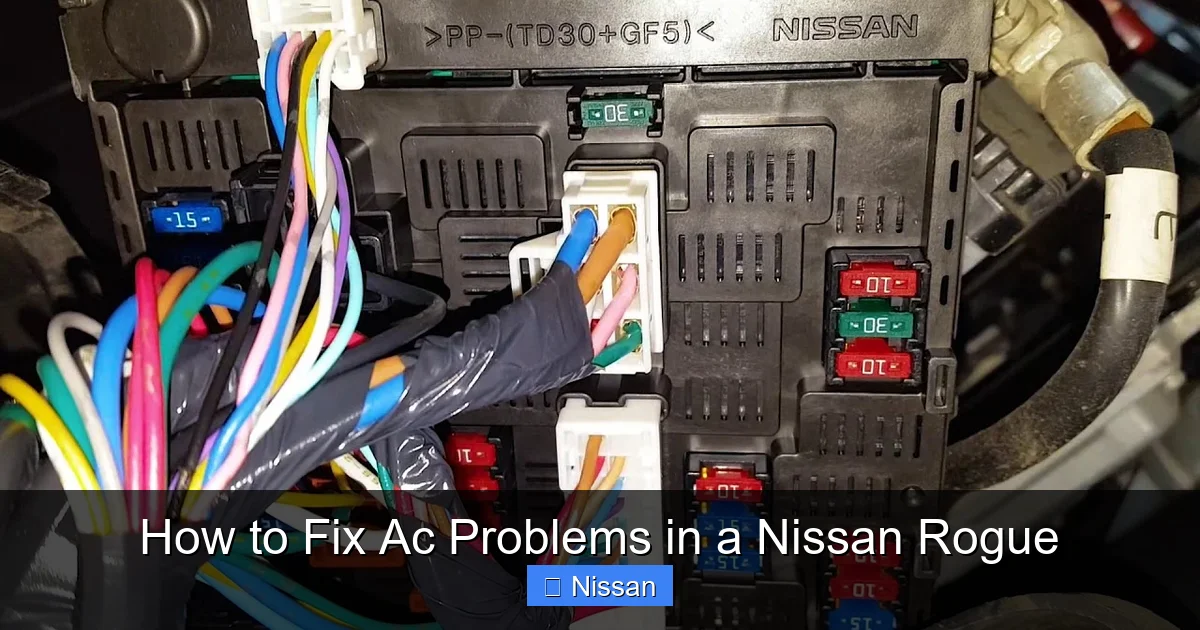
Start by checking the fuse box under the hood and inside the cabin. Look for blown fuses related to the AC or HVAC system. A multimeter can help test relays—if one clicks but the AC doesn’t activate, the relay might be faulty.
Other electrical problems include:
- Faulty AC switch or control panel
- Broken wiring or corroded connectors
- Malfunctioning pressure sensors
These issues can be tricky to diagnose without proper tools, but they’re often easier and cheaper to fix than mechanical failures.
Dirty or Blocked Condenser
The condenser, located in front of the radiator, releases heat from the refrigerant. If it’s clogged with dirt, bugs, or debris, it can’t dissipate heat efficiently—leading to poor cooling performance.
Signs of a dirty condenser include:
- AC works initially but loses cooling power after a few minutes
- Engine overheating (in severe cases)
- Visible dirt or damage on the front of the condenser
Cleaning the condenser is simple: use a garden hose to gently spray it from front to back. Avoid high-pressure washers, which can damage the delicate fins. Regular cleaning—especially after long trips or driving in muddy conditions—can prevent this issue.
Blend Door or Actuator Problems
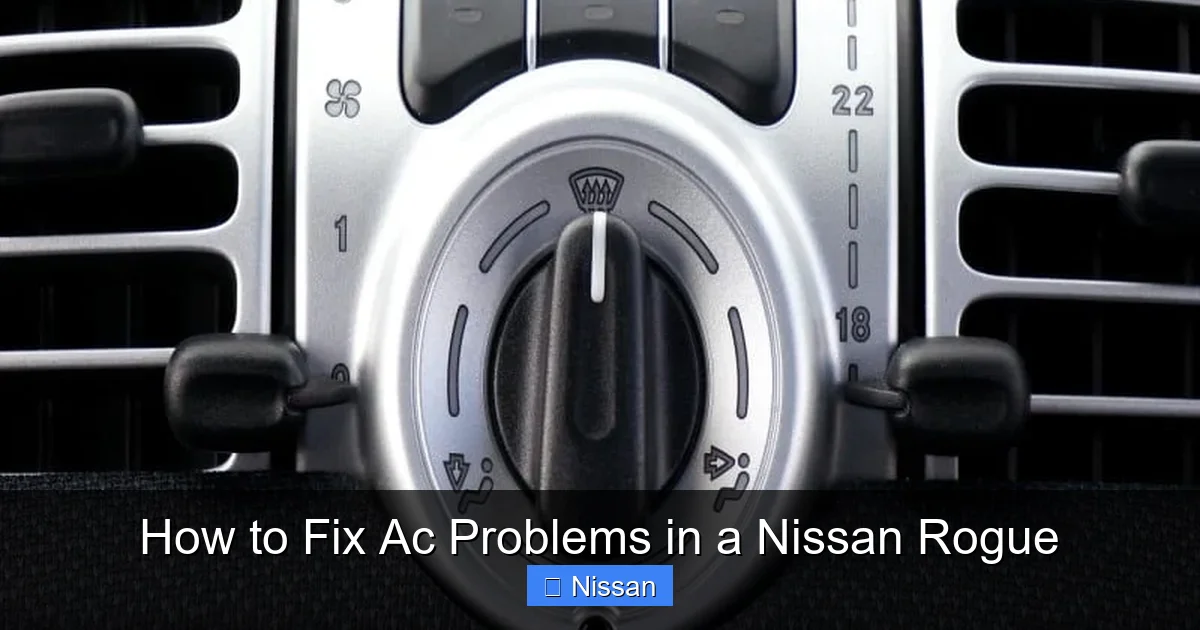
The blend door controls whether air flows over the heater core or the evaporator, determining if the air is hot or cold. If the door gets stuck or the actuator (the motor that moves it) fails, you might not be able to switch between hot and cold air.
Symptoms include:
- Air only blows hot, even when AC is on
- Knocking or clicking sounds from the dashboard
- Temperature control knob feels loose or unresponsive
In the Nissan Rogue, the blend door actuator is often located behind the glove box or under the dashboard. Replacing it is a moderate DIY job but may require removing interior panels. Some owners report success using a “blend door reset” method by turning the temperature knob rapidly from hot to cold several times—though this is not a guaranteed fix.
Step-by-Step Guide to Diagnosing AC Issues
Now that you know the common causes, let’s walk through a systematic approach to diagnosing your AC problem. This step-by-step method will help you pinpoint the issue without guessing or wasting money on unnecessary repairs.
Visual guide about How to Fix Ac Problems in a Nissan Rogue
Image source: smartacsolutions.com
Step 1: Check the Basics
Start with the simplest checks:
- Is the AC button turned on?
- Is the temperature set to “Lo” or the coldest setting?
- Is the fan speed turned up?
- Is the recirculation mode engaged? (This helps cool the cabin faster.)
It sounds obvious, but sometimes the problem is as simple as a setting being off. Also, make sure the engine is warm—AC systems work best when the engine is at operating temperature.
Step 2: Inspect the Cabin Air Filter
Pop open the glove box and look for the cabin air filter cover. Remove it and pull out the filter. If it’s dark, clogged, or smells musty, replace it. A new filter costs around $15–$25 and can make a huge difference in airflow and cooling.
Step 3: Listen for the Compressor
With the engine running and AC on, pop the hood and listen near the front of the engine. You should hear a distinct “click” as the AC clutch engages. If you don’t hear it, the compressor may not be turning on.
You can also check if the compressor shaft is spinning. If the clutch engages but the shaft doesn’t turn, the compressor may be seized.
Step 4: Check Fuses and Relays
Locate the fuse box under the hood (usually labeled “Engine Compartment Fuse Box”). Use the diagram on the cover to find the AC-related fuses. Pull them out and inspect for a broken filament. Replace any blown fuses with the same amperage.
Next, locate the AC relay (often labeled “COMP” or “A/C”). Swap it with a similar relay (like the horn relay) to see if the AC starts working. If it does, replace the faulty relay.
Step 5: Feel the Air Temperature
After the AC has been running for 5–10 minutes, feel the air coming from the vents. It should be significantly cooler than outside air—ideally around 40–50°F (4–10°C).
If the air is only slightly cool or warm, suspect low refrigerant or a compressor issue. If there’s no airflow at all, check the blower motor and fuse.
Step 6: Inspect for Leaks
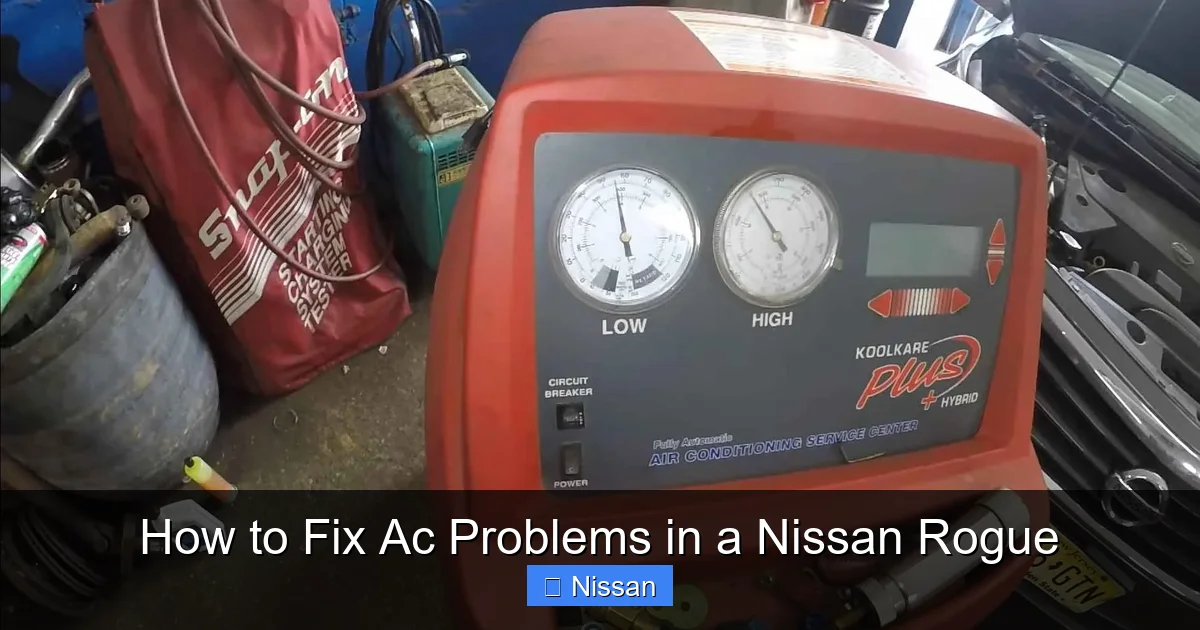
Look for oily residue around AC components—especially hoses, connections, and the compressor. Refrigerant leaks often leave behind a greasy film. You can also use a UV dye kit (available at auto parts stores) to detect leaks. Add the dye to the system, run the AC, and use a UV light to spot leaks.
Step 7: Test the Blend Door
If the AC blows cold air but you can’t switch to hot (or vice versa), the blend door may be stuck. Try turning the temperature knob from hot to cold rapidly several times. Listen for a clicking sound behind the dashboard. If the sound stops or the temperature changes, the actuator may be failing.
How to Fix Common AC Problems in Your Nissan Rogue
Once you’ve diagnosed the issue, it’s time to fix it. Some repairs are simple DIY jobs, while others may require professional help. Here’s how to tackle the most common fixes.
Visual guide about How to Fix Ac Problems in a Nissan Rogue
Image source: yourmotorguide.com
Replacing the Cabin Air Filter
This is the easiest fix and should be done regularly. Here’s how:
- Open the glove box and remove any contents.
- Press the sides of the glove box inward to release it from the hinges.
- Locate the rectangular filter cover on the side or back of the glove box.
- Remove the cover and pull out the old filter.
- Insert the new filter with the airflow arrow pointing down or toward the cabin.
- Reattach the cover and glove box.
Pro tip: Write the replacement date on the filter frame with a marker so you know when to replace it next.
Recharging the AC System
If you suspect low refrigerant, you can recharge the system using a DIY AC recharge kit. These kits include a can of refrigerant and a pressure gauge. However, only recharge if you’re sure there’s no major leak—otherwise, you’re just wasting refrigerant.
Steps to recharge:
- Locate the low-pressure service port (usually on the larger aluminum hose near the firewall).
- Attach the recharge hose to the port.
- Start the engine and turn the AC to max cool with the fan on high.
- Shake the can and slowly open the valve to release refrigerant.
- Monitor the pressure gauge—don’t overfill.
- Disconnect and replace the cap.
Warning: Overcharging can damage the system. If you’re unsure, have a professional handle it.
Cleaning the Condenser
To clean the condenser:
- Park the car on a flat surface and let the engine cool.
- Open the hood and locate the condenser (in front of the radiator).
- Use a garden hose to spray water from the front toward the back.
- Use a soft brush to gently remove stubborn debris.
- Let it dry before driving.
Avoid using high-pressure washers, as they can bend the fins and reduce efficiency.
Replacing the AC Compressor
This is a complex job best left to professionals. It involves:
- Recovering the existing refrigerant (required by law)
- Removing belts, hoses, and electrical connectors
- Installing the new compressor
- Evacuating and recharging the system
Expect to pay $800–$1,500 for parts and labor, depending on your location and Rogue model year.
Fixing Electrical Issues
For blown fuses or bad relays, simply replace them with identical parts. For wiring issues, inspect connectors for corrosion or damage. Use electrical contact cleaner and a small brush to clean terminals.
If the AC control panel is faulty, replacement may be needed. These units can cost $200–$400 and require dashboard disassembly.
Replacing the Blend Door Actuator
To replace the actuator:
- Remove the glove box and lower dashboard panels (if needed).
- Locate the actuator—usually a small motor with a gear attached to the blend door shaft.
- Disconnect the electrical connector and remove the mounting screws.
- Install the new actuator and reconnect everything.
- Test the temperature control to ensure it moves smoothly.
Some owners report success using a “manual reset” by turning the temperature knob rapidly, but this is not a permanent fix.
Preventative Maintenance to Avoid Future AC Problems
The best way to deal with AC problems is to prevent them from happening in the first place. Regular maintenance can extend the life of your system and keep your Rogue cool for years.
Replace the Cabin Air Filter Regularly
As mentioned, replace the filter every 12,000–15,000 miles. If you drive in dusty areas or have allergies, consider replacing it more often.
Run the AC Year-Round
Even in winter, run your AC for 10 minutes each month. This keeps the seals lubricated and prevents them from drying out and cracking.
Inspect for Leaks Annually
Have a mechanic check for refrigerant leaks during your regular service. Early detection can prevent major repairs.
Clean the Condenser Seasonally
After winter or long road trips, clean the condenser to remove salt, dirt, and debris.
Check Refrigerant Levels
If you notice a gradual loss of cooling, have the system checked. Don’t wait until it stops working completely.
Use Recirculation Mode in Traffic
This reduces the load on the AC and helps cool the cabin faster, especially in stop-and-go traffic.
When to See a Professional
While many AC issues can be fixed at home, some require specialized tools and expertise. Seek professional help if:
- You suspect a refrigerant leak but can’t locate it
- The compressor needs replacement
- You’re not comfortable working with electrical systems
- The system requires evacuation and recharge
- You’ve tried basic fixes and the problem persists
A certified technician can perform a full system diagnosis, including pressure tests, leak detection, and performance checks. They’ll also ensure the repair is done safely and in compliance with environmental regulations.
Conclusion
Dealing with AC problems in your Nissan Rogue doesn’t have to be a nightmare. With the right knowledge and tools, many issues can be diagnosed and fixed at home—saving you time and money. From replacing a clogged cabin filter to recharging low refrigerant, the solutions are often simpler than they seem.
Remember, regular maintenance is key. A little prevention goes a long way in keeping your AC running smoothly. And if you do run into a complex issue, don’t hesitate to consult a professional. Your comfort—and your sanity—on hot summer days depend on it.
So the next time your Rogue’s AC starts acting up, don’t panic. Grab your tools, follow this guide, and get back to enjoying that cool, refreshing airflow.
Frequently Asked Questions
Why is my Nissan Rogue AC blowing warm air?
This is usually caused by low refrigerant levels, a faulty compressor, or a clogged condenser. Start by checking the cabin air filter and listening for the compressor clutch engaging. If those are fine, suspect a refrigerant leak.
How often should I replace the cabin air filter in my Rogue?
Nissan recommends replacing the cabin air filter every 12,000 to 15,000 miles. If you drive in dusty or polluted areas, consider replacing it more frequently to maintain airflow and air quality.
Can I recharge my AC system myself?
Yes, you can use a DIY recharge kit, but only if there’s no major leak. Overcharging or adding refrigerant to a leaking system can cause damage. For best results, have a professional inspect the system first.
Why does my AC work sometimes but not always?
Intermittent AC issues are often caused by electrical problems like a failing relay, bad sensor, or loose wiring. It could also be a sign of a refrigerant leak that worsens under certain conditions.
How much does it cost to fix AC problems in a Nissan Rogue?
Costs vary widely. Replacing a cabin filter costs $15–$25, while a new compressor can cost $800–$1,500. Most repairs fall between $100 and $500, depending on the issue and labor rates.
Is it safe to drive with a broken AC compressor?
You can drive the vehicle, but the AC won’t work. However, a seized compressor can damage the serpentine belt or put extra strain on the engine. Have it repaired as soon as possible to avoid further issues.
