
Why Does My Dodge Ram Shut Off While Driving

If your Dodge Ram shuts off while driving, it’s often due to electrical issues, fuel system problems, or sensor failures. Ignoring this can lead to dangerous situations—early diagnosis and repair are crucial for safety and performance.
Have you ever been cruising down the highway in your Dodge Ram—maybe hauling a trailer or just running errands—when suddenly the engine dies, the dashboard lights flicker, and you’re coasting to a stop? It’s terrifying. Not only is it inconvenient, but it’s also a serious safety risk, especially if it happens in traffic or on a busy road. You’re not alone. Many Dodge Ram owners have experienced this unsettling issue, and while it can stem from a variety of causes, the good news is that most are diagnosable and fixable.
The Dodge Ram is known for its power, reliability, and rugged capability. Whether you drive a 1500, 2500, or 3500 model, these trucks are built to handle tough jobs and long miles. But like any complex machine, they’re not immune to mechanical or electrical hiccups. When your Ram shuts off while driving, it’s usually a sign that something in the engine management or power delivery system has failed or is about to fail. The key is not to panic—but to act quickly. Continuing to drive a vehicle that stalls unexpectedly can lead to being stranded, getting into an accident, or causing further damage to the engine or transmission.
In this guide, we’ll walk you through the most common reasons your Dodge Ram might shut off while driving, how to identify the symptoms, and what you can do about it. We’ll cover everything from simple fixes you can try at home to issues that require a professional mechanic. Our goal is to help you understand what’s happening under the hood so you can make informed decisions and get back on the road safely.
Key Takeaways
- Electrical system faults: A failing alternator, bad battery, or loose wiring can cause sudden engine shutdowns while driving.
- Fuel delivery issues: Clogged fuel filters, weak fuel pumps, or contaminated fuel may starve the engine of gasoline, leading to stalling.
- Faulty crankshaft position sensor: This critical sensor tells the engine when to fire; if it fails, the truck can shut off without warning.
- Ignition switch problems: Worn ignition switches in older Rams can intermittently cut power to the engine and accessories.
- Engine overheating: Severe overheating triggers safety shutdowns to prevent internal damage—check coolant levels and radiator function.
- Software glitches: Outdated or corrupted PCM (Powertrain Control Module) software may cause erratic behavior, including unexpected shutdowns.
- Vacuum leaks: Unmetered air entering the engine disrupts the air-fuel ratio, potentially causing rough running or stalling.
📑 Table of Contents
Common Causes of Engine Shutdown While Driving
When your Dodge Ram suddenly turns off while you’re driving, it’s usually because the engine is no longer receiving the signals or resources it needs to keep running. Modern vehicles like the Ram rely on a complex network of sensors, computers, and mechanical parts working in harmony. If one component fails or sends incorrect data, the entire system can shut down as a safety precaution.
One of the first things to consider is whether the problem happens under specific conditions. Does your truck stall only when you accelerate? Does it happen after driving for a long time? Or does it shut off randomly, even at idle? These clues can help narrow down the root cause. For example, stalling during acceleration might point to a fuel delivery issue, while random shutdowns could indicate an electrical fault.
Another important factor is the age and mileage of your truck. Older Rams—especially those from the 2000s and early 2010s—are more prone to certain issues like ignition switch failures or corroded wiring. Newer models with advanced electronics may suffer from software bugs or sensor malfunctions. Regardless of your Ram’s year, understanding the most common culprits can save you time, money, and stress.
Let’s dive into the top reasons your Dodge Ram might shut off while driving, starting with the electrical system—the backbone of your truck’s operation.
Electrical System Failures
The electrical system in your Dodge Ram powers everything from the ignition to the fuel injectors. If there’s a break in this system—whether from a dying battery, a faulty alternator, or loose connections—your engine can lose power and shut down without warning.
A weak or failing battery is one of the simplest explanations. Even if the battery seems to hold a charge, it might not deliver enough current under load. This can cause voltage drops that confuse the engine computer (PCM), leading to a shutdown. You might notice dimming headlights, slow cranking, or flickering dashboard lights before the engine dies.
The alternator is equally important. It charges the battery while the engine runs and powers the electrical system. If the alternator fails, the battery will eventually drain, and the truck will shut off—often within minutes of driving. Signs of alternator trouble include a battery warning light on the dash, electrical components acting up, or a burning smell from the engine bay.
Loose or corroded wiring is another hidden culprit. Over time, vibration and moisture can loosen connections at the battery terminals, alternator, or PCM. A single loose ground wire can cause intermittent power loss. If your Ram shuts off and then restarts after jiggling the key or tapping the battery cables, this could be the issue.
Fuel System Problems
Your engine needs a steady supply of clean fuel to run. If that supply is interrupted, the engine will stall—no matter how good the spark or compression is. Fuel system issues are among the most common reasons for sudden shutdowns in Dodge Rams.
The fuel pump is the heart of this system. Located inside the fuel tank, it sends pressurized gasoline to the engine. A weak or failing fuel pump may struggle to maintain pressure, especially under acceleration or when the tank is low on fuel. You might notice hesitation, sputtering, or a loss of power before the engine cuts out completely.
A clogged fuel filter is another frequent offender. The filter traps dirt and debris to protect the fuel injectors. Over time, it can become so clogged that it restricts fuel flow. This often causes stalling at higher speeds or under load. Replacing the fuel filter is a relatively inexpensive fix, but many owners forget to do it regularly.
Contaminated fuel can also cause problems. Water or debris in the gas tank can disrupt combustion or damage the fuel pump. If your Ram stalls shortly after filling up, suspect bad fuel. Using a fuel system cleaner or draining the tank may be necessary.
Sensor and Computer Malfunctions
Modern Dodge Rams rely heavily on sensors to monitor engine conditions and adjust performance in real time. If a critical sensor sends incorrect data—or stops working altogether—the engine computer may shut down the engine to prevent damage.
The crankshaft position sensor (CKP) is one of the most important. It tells the PCM when each piston is at top dead center, so the spark plugs fire at the right time. If this sensor fails, the engine may stall instantly, especially at higher RPMs. You might also experience hard starting or misfires.
The camshaft position sensor (CMP) works alongside the CKP and can cause similar issues if it fails. Both sensors are often located near the engine block and can be damaged by heat or oil leaks.
The mass airflow sensor (MAF) measures how much air is entering the engine. A dirty or faulty MAF can cause the engine to run too rich or too lean, leading to stalling. Cleaning it with MAF cleaner spray can sometimes fix the problem.
The throttle position sensor (TPS) monitors the position of the throttle plate. If it sends erratic signals, the engine may hesitate or shut off when you press the gas. This is especially common in older Rams with mechanical throttle linkages.
Finally, the PCM itself can malfunction. While rare, software glitches or internal hardware failures can cause random shutdowns. A diagnostic scan tool can check for error codes and determine if the PCM needs to be updated or replaced.
Ignition and Starting System Issues
Visual guide about Why Does My Dodge Ram Shut Off While Driving
Image source: vehicleschool.com
The ignition system is responsible for creating the spark that ignites the air-fuel mixture in the engine. If it fails, the engine won’t run—no matter how much fuel is available. In some cases, ignition problems can cause your Dodge Ram to shut off while driving.
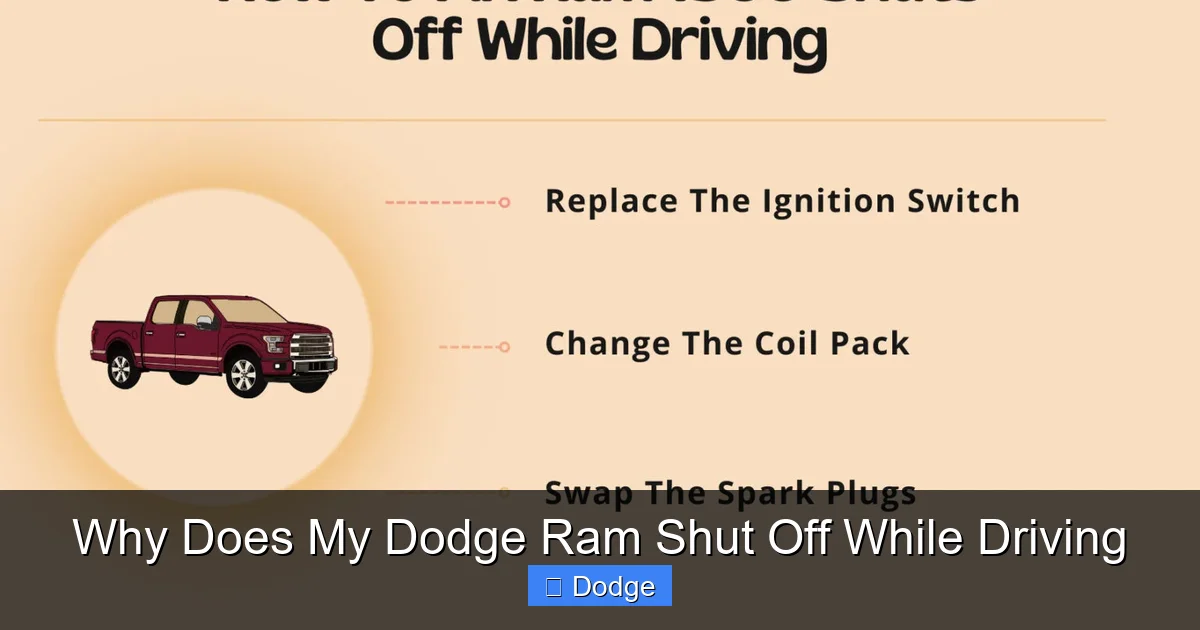
The ignition switch is a common failure point, especially in Rams from the 2000s. This switch controls power to the ignition, fuel pump, and other critical systems. Over time, the internal contacts can wear out, causing intermittent power loss. You might notice that the engine cuts out when you hit a bump or turn the steering wheel sharply—a classic sign of a bad ignition switch.
The ignition coil and spark plugs also play a role. While they typically cause misfires rather than full shutdowns, severe ignition failure can lead to stalling. Worn spark plugs or failing coils should be inspected during routine maintenance.
In some cases, the issue may be with the key fob or immobilizer system. If the truck doesn’t recognize the key, it may shut off as a security feature. Try using a spare key or having the fob reprogrammed.
Overheating and Engine Protection

Visual guide about Why Does My Dodge Ram Shut Off While Driving
Image source: vehicleschool.com
Engines are designed to operate within a specific temperature range. If your Dodge Ram overheats, the PCM may shut down the engine to prevent catastrophic damage. This is a safety feature, but it can be alarming if you’re not expecting it.
Overheating can be caused by low coolant levels, a faulty thermostat, a clogged radiator, or a failing water pump. You might notice the temperature gauge climbing into the red zone, steam from the engine bay, or a sweet smell (from leaking coolant).
If your truck shuts off and then won’t restart until it cools down, overheating is a strong possibility. Check the coolant reservoir and radiator for leaks. Inspect the radiator fins for blockages from bugs or debris. Replace the thermostat if it’s stuck closed.
Vacuum Leaks and Air Intake Problems
Visual guide about Why Does My Dodge Ram Shut Off While Driving
Image source: bryansgarage.com
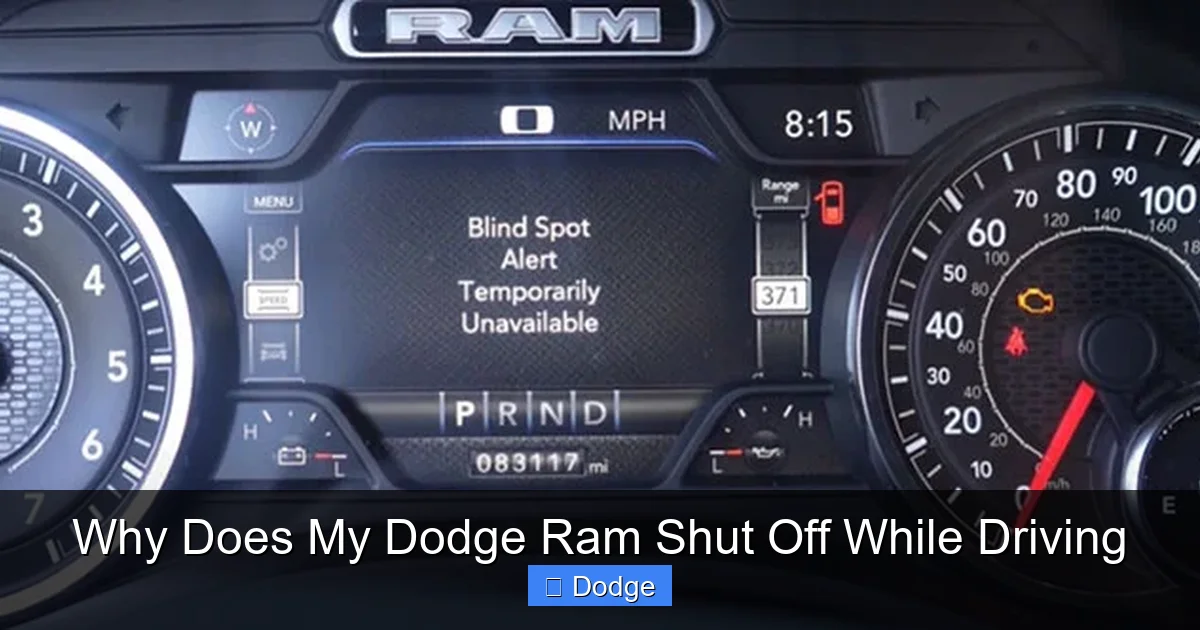
Your engine needs the right balance of air and fuel to run smoothly. A vacuum leak allows unmetered air to enter the intake system, disrupting this balance and potentially causing stalling.
Common sources of vacuum leaks include cracked or disconnected vacuum hoses, a damaged intake manifold gasket, or a faulty PCV valve. These issues often cause rough idling, hesitation, or stalling at low speeds.
To check for vacuum leaks, listen for a hissing sound near the engine. You can also use a smoke machine or spray carb cleaner around hoses and gaskets—if the engine RPM changes, you’ve found a leak.
Software and PCM Glitches
Modern Dodge Rams rely on sophisticated software to manage engine performance. If the PCM’s software is outdated or corrupted, it may cause erratic behavior, including unexpected shutdowns.
A diagnostic scan can reveal if there are any pending updates or error codes related to the PCM. In some cases, a simple software update from a dealership can resolve the issue.
What to Do If Your Ram Shuts Off While Driving
If your Dodge Ram shuts off while driving, stay calm. Safely pull over, turn on your hazard lights, and try to restart the engine. If it starts, drive to a safe location and have it inspected immediately.
Keep a record of when the shutdowns occur—time of day, speed, weather, and recent repairs. This information can help a mechanic diagnose the problem faster.
Avoid ignoring the issue. Repeated stalling can damage the catalytic converter, fuel system, or engine components.
Prevention and Maintenance Tips
Regular maintenance is the best way to prevent unexpected shutdowns. Follow your owner’s manual for service intervals, including oil changes, spark plug replacements, and fuel filter changes.
Inspect battery terminals and cables for corrosion. Clean them with a wire brush and baking soda solution.
Use high-quality fuel and consider adding a fuel system cleaner every 5,000 miles.
Have your truck scanned for codes annually, even if no warning lights are on.
When to See a Mechanic
If your Ram shuts off more than once, or if you notice other symptoms like warning lights, strange noises, or poor performance, see a qualified mechanic. Electrical and sensor issues often require specialized tools and expertise.
Dealerships have access to factory software updates and technical service bulletins (TSBs) that may address known issues with your model year.
Conclusion
A Dodge Ram that shuts off while driving is a serious concern, but it’s usually fixable with the right diagnosis. Whether it’s a bad sensor, a failing fuel pump, or an electrical glitch, understanding the common causes can help you respond quickly and safely. Don’t ignore the problem—address it promptly to protect yourself, your passengers, and your truck. With proper maintenance and attention to warning signs, you can keep your Ram running strong for years to come.
Frequently Asked Questions
Why does my Dodge Ram shut off when I accelerate?
This is often due to a weak fuel pump, clogged fuel filter, or faulty mass airflow sensor. The engine isn’t getting enough fuel or air when you press the gas, causing it to stall.
Can a bad battery cause my Ram to shut off while driving?
Yes, a failing battery or alternator can cause voltage drops that disrupt the engine computer, leading to sudden shutdowns—especially under electrical load.
How do I know if my crankshaft position sensor is bad?
Symptoms include sudden stalling, no-start conditions, or misfires. A diagnostic scan tool can confirm if the sensor is sending correct signals.
Is it safe to drive my Ram if it keeps shutting off?
No. Repeated stalling can leave you stranded or cause an accident. Have it inspected immediately to avoid further damage or danger.
Can software updates fix my Ram’s shutdown issue?
Yes, in some cases. Outdated PCM software can cause erratic behavior. A dealership can check for available updates and install them.
How much does it cost to fix a stalling Dodge Ram?
Costs vary widely—from $50 for a fuel filter to $500+ for a new fuel pump or sensor. Electrical repairs may cost more depending on the issue.
