
How to Fix the Esp Bas Light on Dodge Charger

If the ESP BAS light on your Dodge Charger is on, it means your electronic stability and brake assist systems may be compromised. This guide walks you through common causes, diagnostic steps, and proven fixes—from simple resets to sensor replacements—so you can restore safety and performance.
Key Takeaways
- Understand what ESP BAS means: ESP (Electronic Stability Program) and BAS (Brake Assist System) work together to improve vehicle control during sudden maneuvers or hard braking.
- Common causes include faulty wheel speed sensors, low brake fluid, or steering angle sensor issues: These are often the root of the warning light and can usually be diagnosed with basic tools.
- Resetting the system may temporarily fix the issue: A quick ignition cycle or using an OBD2 scanner can clear minor glitches, but persistent lights need deeper inspection.
- Check tire pressure and wheel alignment: Uneven tires or misalignment can trigger false ESP BAS alerts due to inconsistent wheel speed readings.
- Use a quality OBD2 scanner for accurate diagnostics: Generic code readers may miss manufacturer-specific codes; look for one compatible with Chrysler/Dodge systems.
- Professional help is recommended for complex electrical issues: If the problem involves the ABS module or internal wiring, a certified mechanic ensures safe and correct repairs.
- Regular maintenance prevents future ESP BAS warnings: Keep brake fluid topped off, inspect sensors during oil changes, and address warning lights promptly.
📑 Table of Contents
What Is the ESP BAS Light on a Dodge Charger?
The ESP BAS light on your Dodge Charger isn’t just another dashboard warning—it’s a critical signal that your vehicle’s advanced safety systems may not be functioning properly. ESP stands for Electronic Stability Program, and BAS stands for Brake Assist System. Together, these technologies help keep your Charger stable during emergency maneuvers, slippery conditions, or sudden braking. When this light illuminates, it means one or both systems have detected a fault and have been temporarily disabled to prevent unsafe operation.
Think of ESP as your car’s “digital co-pilot.” It uses data from multiple sensors—like wheel speed, steering angle, and yaw rate—to detect when your Charger is starting to lose traction or slide. If it senses oversteer (rear end sliding out) or understeer (front tires pushing wide), ESP applies individual brakes and reduces engine power to help you regain control. Meanwhile, BAS kicks in during panic stops by boosting brake pressure to shorten stopping distance. Both systems rely heavily on accurate sensor input and proper hydraulic function. So when the ESP BAS light comes on, your Charger is essentially saying, “I can’t guarantee I’ll help you in an emergency right now.”
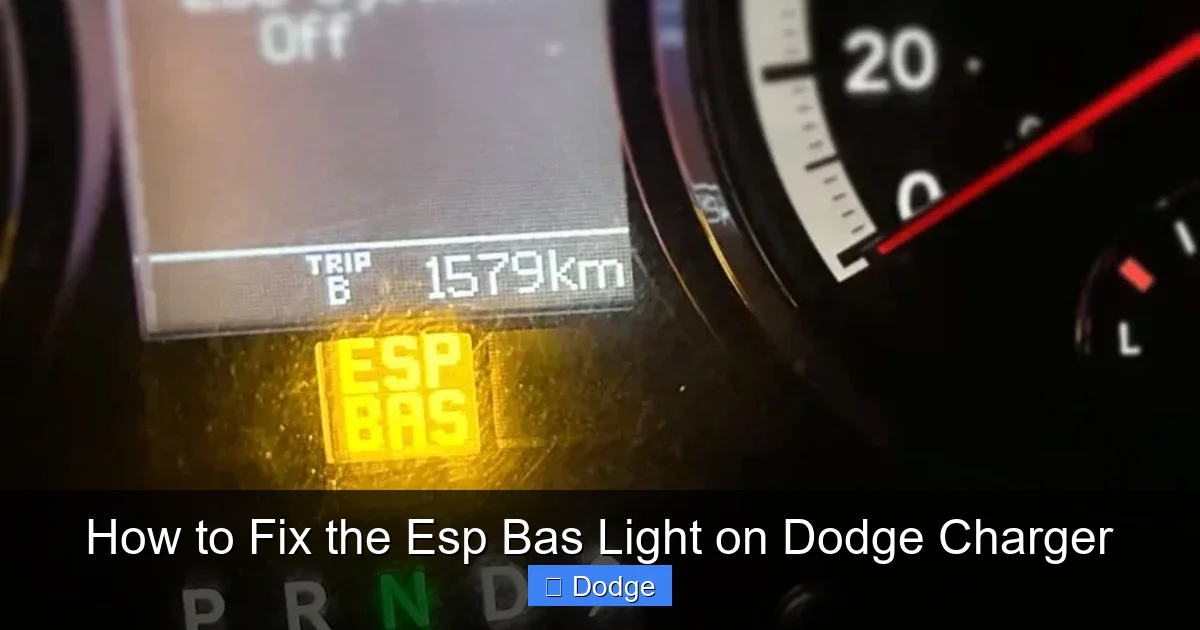
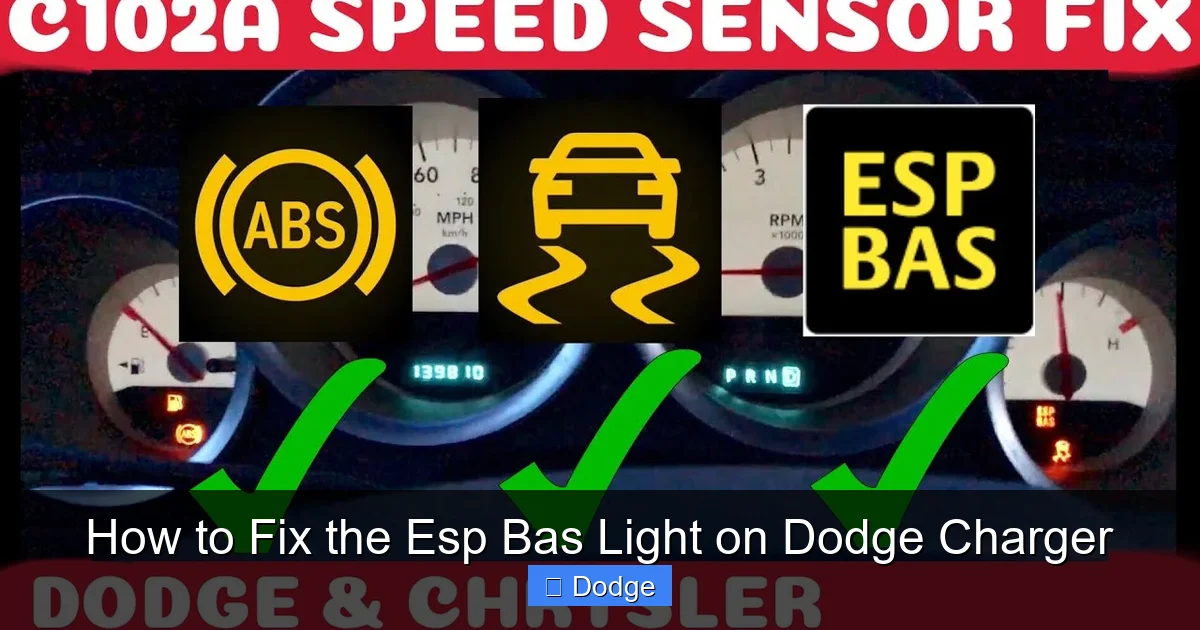
This warning light typically appears as a yellow or amber icon shaped like a car with wavy lines beneath it, often labeled “ESP OFF” or “BAS.” It may flash briefly during hard cornering or braking—that’s normal. But if it stays on steadily, especially at idle or low speeds, it’s time to investigate. Ignoring it doesn’t just mean losing safety features; in some states, driving with active warning lights can lead to inspection failures or even liability issues in an accident. The good news? Most ESP BAS issues on the Dodge Charger are fixable with some patience, basic tools, and the right approach.
Common Causes of the ESP BAS Light on Dodge Charger
Visual guide about How to Fix the Esp Bas Light on Dodge Charger
Image source: autoowa.com
Understanding why the ESP BAS light appears is the first step toward fixing it. While modern diagnostics can pinpoint exact faults, many causes fall into a few predictable categories. Let’s break down the most frequent culprits you’ll encounter with your Charger.
Faulty Wheel Speed Sensors
Each wheel on your Charger has a speed sensor that feeds real-time rotation data to the ABS and ESP modules. If one of these sensors fails—or its wiring gets damaged—the system can’t accurately compare wheel speeds. For example, if the left front sensor reads 30 mph while the others read 45 mph, the computer assumes the wheel is locking up or slipping, triggering the ESP BAS light. These sensors are exposed to road debris, moisture, and heat, so they wear out over time. A common sign is the light coming on after driving through deep puddles or hitting a pothole.
Low or Contaminated Brake Fluid
Your Charger’s brake system relies on hydraulic pressure, and the ESP/BAS modules monitor fluid levels and condition. Low brake fluid—often due to worn brake pads or a leak—can cause the system to disable itself as a safety precaution. Similarly, old or moisture-contaminated fluid reduces braking efficiency and can trigger false warnings. Check your brake fluid reservoir under the hood; it should be between the MIN and MAX lines and appear clear or slightly amber. Dark, murky fluid means it’s time for a flush.
Steering Angle Sensor (SAS) Calibration Issues
The steering angle sensor tells the ESP system how sharply you’re turning the wheel. If it’s misaligned or needs recalibration—common after wheel alignments, tire rotations, or replacing suspension components—the system may think you’re skidding when you’re just making a normal turn. This often happens after routine maintenance if the technician didn’t perform a SAS reset procedure. You might notice the light comes on only during left or right turns.
Faulty ABS Module or Hydraulic Pump
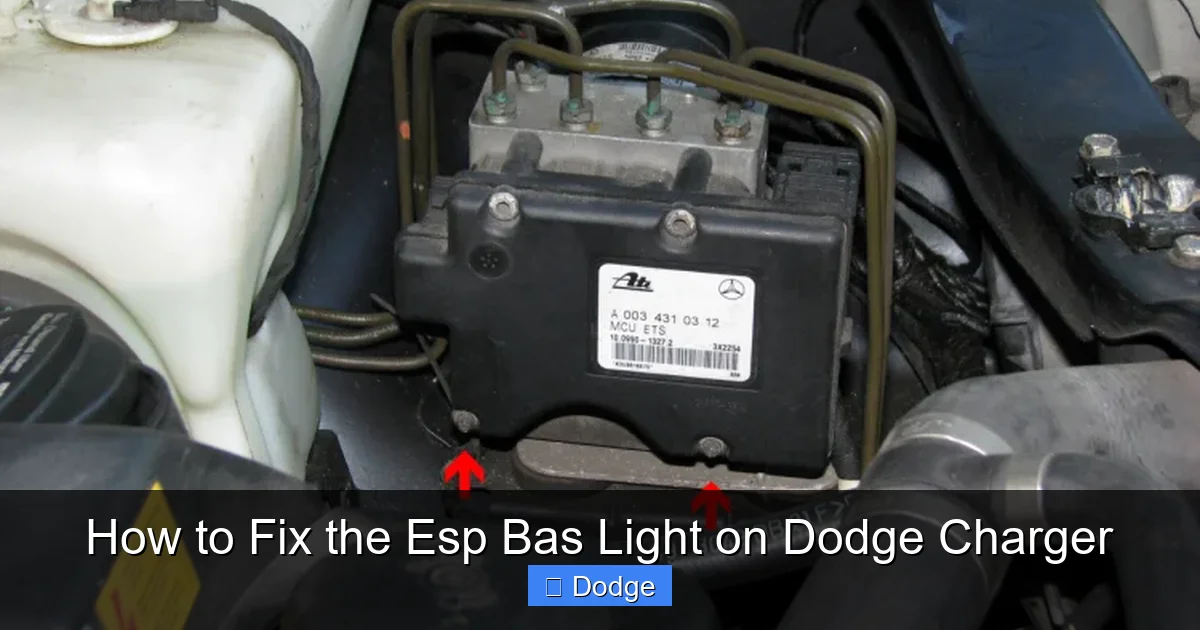
The ABS control module is the brain behind both ABS and ESP functions. If it fails due to water intrusion, corrosion, or internal electronics issues, the entire system can go offline. Similarly, a failing hydraulic pump—which builds pressure for brake assist—can cause erratic behavior. These are less common but more serious issues that usually require professional diagnosis and replacement.
Tire Pressure or Size Mismatches
Even small differences in tire diameter (from uneven wear, different brands, or incorrect inflation) can cause wheel speed discrepancies. Your Charger’s system expects all four wheels to rotate at nearly identical speeds under normal conditions. If one tire is significantly underinflated or worn, it spins faster than the others, fooling the ESP into thinking there’s a slip condition. Always check tire pressure monthly and ensure all tires are the same size and model.
Electrical or Wiring Problems
Loose connectors, corroded terminals, or damaged wiring harnesses—especially near the wheels or under the chassis—can interrupt sensor signals. Vibration, road salt, and age degrade these connections over time. A loose ground wire near the ABS module is a classic culprit that’s easy to miss but simple to fix.
Step-by-Step Troubleshooting Guide
Visual guide about How to Fix the Esp Bas Light on Dodge Charger
Image source: mbworld.org
Now that you know what might be causing the ESP BAS light, let’s walk through a practical troubleshooting process. Start simple and work your way up—many issues can be resolved without expensive tools or a trip to the dealership.
Step 1: Check Tire Pressure and Condition
Grab a reliable tire pressure gauge and check all four tires, including the spare if you have one. Compare readings to the recommended PSI listed on the driver’s door jamb sticker (usually around 32–35 psi for most Chargers). Inflate or deflate as needed. While you’re at it, inspect tread depth and look for uneven wear patterns. If one tire is noticeably more worn than the others, consider rotating or replacing it. Even a 1/8-inch difference in diameter can confuse the ESP system.
Step 2: Inspect Brake Fluid Level and Quality
Pop the hood and locate the brake fluid reservoir (typically near the firewall on the driver’s side). Wipe the cap clean before opening to avoid contamination. Check the fluid level—if it’s below MIN, top it off with DOT 3 or DOT 4 fluid (check your owner’s manual for the correct type). If the fluid looks dark, cloudy, or has debris, schedule a brake fluid flush. Low fluid could also indicate worn brake pads; listen for squealing or grinding noises when braking.
Step 3: Perform a Basic System Reset
Sometimes, the ESP BAS light appears due to a temporary glitch. Try this simple reset:
- Turn the ignition to the “ON” position (don’t start the engine).
- Press and hold the brake pedal for 10–15 seconds.
- Turn the ignition off, wait 30 seconds, then restart the car.
If the light goes off and stays off after driving a short distance, you may have cleared a minor fault. However, if it returns immediately, move to the next step.
Step 4: Use an OBD2 Scanner to Read Diagnostic Codes
Modern Chargers store specific trouble codes when the ESP BAS system detects a problem. A generic OBD2 scanner can read generic ABS codes (like C0200 for a wheel speed sensor), but for full Chrysler-specific diagnostics, consider a scanner like the BlueDriver, Autel MaxiCOM, or even a dealership-grade tool if you’re serious about DIY repairs. Plug the scanner into the OBD2 port (under the dashboard near the steering column), turn the ignition on, and retrieve the codes. Write them down—they’ll guide your next steps.
Common codes include:
- C0200–C0203: Wheel speed sensor faults (one per wheel)
- C1015: Steering angle sensor not calibrated
- C1040: Low brake fluid or pressure switch issue
- U0415: Invalid data from ABS module
Step 5: Visually Inspect Sensors and Wiring
With the car safely lifted (use jack stands—never rely on a jack alone), inspect each wheel speed sensor. Look for cracked housings, frayed wires, or loose connectors. The sensors are usually mounted near the brake rotor hub. Gently wiggle the wiring harness while watching the scanner live data (if available)—if the signal drops out, you’ve found a bad connection. Also check the steering angle sensor, typically located behind the steering column under the dashboard. Ensure its mounting bolts are tight and the connector is secure.
DIY Fixes You Can Try at Home
Visual guide about How to Fix the Esp Bas Light on Dodge Charger
Image source: i.ytimg.com
Many ESP BAS issues on the Dodge Charger can be resolved with basic mechanical skills and common tools. Here are some proven DIY solutions.
Replacing a Wheel Speed Sensor
If your scanner points to a specific wheel sensor (e.g., C0201 for left front), replacement is straightforward:
- Disconnect the negative battery terminal for safety.
- Locate the sensor near the wheel hub—it’s held by a single bolt.
- Unplug the electrical connector (you may need to release a clip).
- Remove the old sensor and install the new one (torque to spec, usually 8–10 ft-lbs).
- Reconnect the battery and clear codes with your scanner.
After replacement, drive the car slowly in a safe area to allow the system to relearn wheel speeds. The light should go off within a few minutes of driving.
Recalibrating the Steering Angle Sensor
If you’ve had recent suspension work or the code points to SAS issues, recalibration is essential. Some scanners can perform this function automatically. If yours can’t, follow this manual method:
- Start the car and let it idle for 10 seconds.
- Turn the steering wheel fully left, then fully right, then return to center.
- Drive straight for at least 30 seconds at speeds above 20 mph.
This helps the system relearn the neutral steering position. If the light persists, use a scanner to force a calibration cycle.
Cleaning or Replacing the Brake Fluid Level Sensor
The brake fluid reservoir has a float sensor that detects low fluid. If it’s stuck or corroded, it can send false low-fluid signals. Carefully remove the reservoir cap and inspect the float. Clean it with brake cleaner and ensure it moves freely. If it’s damaged, replace the entire reservoir assembly (sensors are often integrated).
Addressing Ground Wire Issues
A poor ground connection can cause erratic ESP behavior. Locate the main ABS ground wire (usually a thick black cable bolted near the engine or firewall). Remove the bolt, clean the contact surfaces with sandpaper, and reinstall tightly. This simple fix has resolved many mysterious ESP BAS warnings.
When to Seek Professional Help
While many ESP BAS issues are DIY-friendly, some problems require specialized knowledge or equipment. Don’t hesitate to visit a trusted mechanic or Dodge dealership if you encounter any of the following:
Persistent or Recurring Codes After Repairs
If you’ve replaced sensors, recalibrated systems, and cleared codes—but the light keeps coming back—there may be an underlying issue like a failing ABS module or internal wiring fault. These often require advanced diagnostics, such as oscilloscope testing or module reprogramming, which most home garages can’t handle.
Hydraulic System Failures
If you notice spongy brakes, reduced pedal firmness, or the brake warning light is also on, there could be a leak in the hydraulic system or a failing pump. These are safety-critical issues that demand immediate professional attention. Driving with compromised brakes is extremely dangerous.
Software or Module Updates Needed
Dodge occasionally releases technical service bulletins (TSBs) for ESP BAS-related software glitches. A dealership can check if your Charger needs a firmware update for the ABS or stability control module. These updates aren’t available to the public and require factory tools.
Complex Electrical Diagnostics
If your scanner shows communication errors (like U-codes) or multiple unrelated system failures, the problem may lie in the vehicle’s CAN bus network or a central control module. Tracing these issues requires experience and expensive diagnostic equipment.
Remember: Your safety isn’t worth risking over a few hundred dollars in labor. A certified technician can often diagnose and fix the issue in under an hour—saving you time, stress, and potential roadside trouble.
Preventing Future ESP BAS Warnings
An ounce of prevention is worth a pound of cure—especially with modern safety systems. Here’s how to keep your Charger’s ESP and BAS systems running smoothly for years to come.
Schedule Regular Brake Inspections
Include brake fluid checks and sensor inspections during every oil change. Most mechanics will do this for free or a small fee. Catching worn pads or low fluid early prevents bigger problems down the road.
Maintain Proper Tire Health
Rotate tires every 5,000–7,000 miles and replace them in sets (all four at once) to ensure uniform diameter. Avoid mixing tire brands or models, even if they’re the same size. Check pressure weekly—especially before long trips.
Protect Electrical Components
After driving through deep water or snow, inspect undercarriage sensors for mud or ice buildup. Use dielectric grease on electrical connectors to prevent corrosion. If you live in a salty climate, rinse the underside of your Charger regularly.
Address Warning Lights Promptly
Don’t ignore the ESP BAS light, even if your Charger seems to drive fine. The system disables itself for a reason—driving without stability control increases accident risk in wet or icy conditions. Treat it like a check engine light: investigate within a few days.
Keep Your Scanner Handy
Invest in a decent OBD2 scanner and learn how to use it. Being able to read and clear codes yourself empowers you to handle minor issues immediately and communicate effectively with mechanics when needed.
Conclusion
The ESP BAS light on your Dodge Charger might seem intimidating at first, but it’s rarely a sign of catastrophic failure. More often than not, it’s triggered by something simple—a loose sensor, low brake fluid, or a tire pressure mismatch. By understanding what these systems do and how they interact, you can approach the problem methodically and often fix it yourself.
Start with the basics: check tires, fluid, and connections. Use a scanner to get real data, not guesses. Try a reset or sensor replacement if needed. And know your limits—when in doubt, consult a professional. Your Charger is a high-performance machine built for safety and control. Keeping its ESP and BAS systems in top shape ensures you get the most out of every drive, whether you’re cruising downtown or pushing it on a backroad.
Remember, that little yellow light isn’t your enemy—it’s your car’s way of saying, “Hey, let’s talk.” Listen to it, and you’ll keep your Charger running safely and smoothly for years to come.
Frequently Asked Questions
What does it mean when the ESP BAS light stays on?
When the ESP BAS light stays on, it indicates that your Dodge Charger’s Electronic Stability Program and Brake Assist System have detected a fault and may be disabled. This reduces your vehicle’s ability to assist during emergency braking or loss of traction, so it should be diagnosed promptly.
Can I drive my Charger with the ESP BAS light on?
You can drive short distances with the light on, but it’s not recommended for safety reasons. Without ESP and BAS, your Charger has reduced stability control and brake assist, increasing the risk of skidding or longer stopping distances—especially in wet or icy conditions.
Will disconnecting the battery reset the ESP BAS light?
Disconnecting the battery may temporarily clear the light, but it won’t fix the underlying issue. The light will likely return once the system re-detects the fault. For a proper reset, use an OBD2 scanner or follow the manufacturer’s recalibration procedure.
How much does it cost to fix the ESP BAS light on a Dodge Charger?
Costs vary widely. Simple fixes like topping off brake fluid or replacing a wheel speed sensor can cost $50–$150 in parts. More complex issues like ABS module replacement can run $500–$1,500 including labor. DIY repairs significantly reduce expenses.
Why did my ESP BAS light come on after a tire rotation?
This often happens because the steering angle sensor wasn’t recalibrated after the rotation. The system expects consistent wheel behavior, and changes in tire position can confuse it. Use an OBD2 scanner to recalibrate the SAS or follow the manual reset procedure.
Is the ESP BAS light related to the check engine light?
Not directly, but they can share causes. For example, a faulty wheel speed sensor might trigger both the ESP BAS light and a check engine code. However, the ESP BAS system is part of the ABS/stability control network, while the check engine light relates to emissions and engine performance.
