
Which Years of Dodge Dakota Should You Avoid?

Not all Dodge Dakota trucks are created equal—some model years are plagued by mechanical issues, poor reliability, and expensive repairs. This guide reveals the specific years you should avoid and highlights the best options if you’re shopping for a used Dakota.
Key Takeaways
- Avoid 2005–2007 Dodge Dakotas: These years suffer from chronic transmission failures, electrical problems, and rust issues.
- 2008–2010 models are hit or miss: While improved, many still face suspension and engine troubles, especially with the 3.7L V6.
- Early 1990s Dakotas (1991–1996) have frame rust concerns: Common in snowy climates, corrosion can compromise structural integrity.
- 2000–2004 Dakotas are generally more reliable: Stronger build quality and fewer major recalls make these a safer used buy.
- Always check maintenance history: A well-documented service record can offset risks even in problematic years.
- Prefer V8 engines when possible: The 4.7L V8 offers better longevity and towing power than the base V6.
- Get a pre-purchase inspection: Especially for high-mileage trucks, a mechanic’s evaluation is essential.
📑 Table of Contents
- Which Years of Dodge Dakota Should You Avoid?
- A Brief History of the Dodge Dakota
- The Worst Years: 2005–2007 Dodge Dakotas
- 2008–2010: Slight Improvements, But Still Risky
- Early Models: 1991–1996 Rust and Reliability Concerns
- The Sweet Spot: 2000–2004 Dodge Dakotas
- How to Inspect a Used Dodge Dakota
- Final Thoughts: Should You Buy a Dodge Dakota?
Which Years of Dodge Dakota Should You Avoid?
If you’re in the market for a used midsize pickup truck with a bit of American muscle and off-road capability, the Dodge Dakota might have caught your eye. Produced from 1987 to 2011, the Dakota was one of the first trucks to offer a V8 engine in its class, giving it a performance edge over rivals like the Ford Ranger and Toyota Tacoma. But while the Dakota has a loyal fanbase and a reputation for being fun to drive, not every model year is worth your hard-earned cash.
Some years of the Dodge Dakota are notorious for mechanical failures, costly repairs, and poor reliability. Whether you’re a weekend warrior, a DIY mechanic, or just someone looking for a dependable daily driver, knowing which years to avoid can save you thousands in repair bills and countless headaches. In this guide, we’ll walk you through the worst model years of the Dodge Dakota, explain why they’re problematic, and help you identify the safer, more reliable options.
We’ll also share practical tips for inspecting a used Dakota, understanding common issues, and making a smart purchase decision. Whether you’re eyeing a rugged 4×4 or a simple work truck, this guide will help you steer clear of the duds and find a Dakota that’s built to last.
A Brief History of the Dodge Dakota
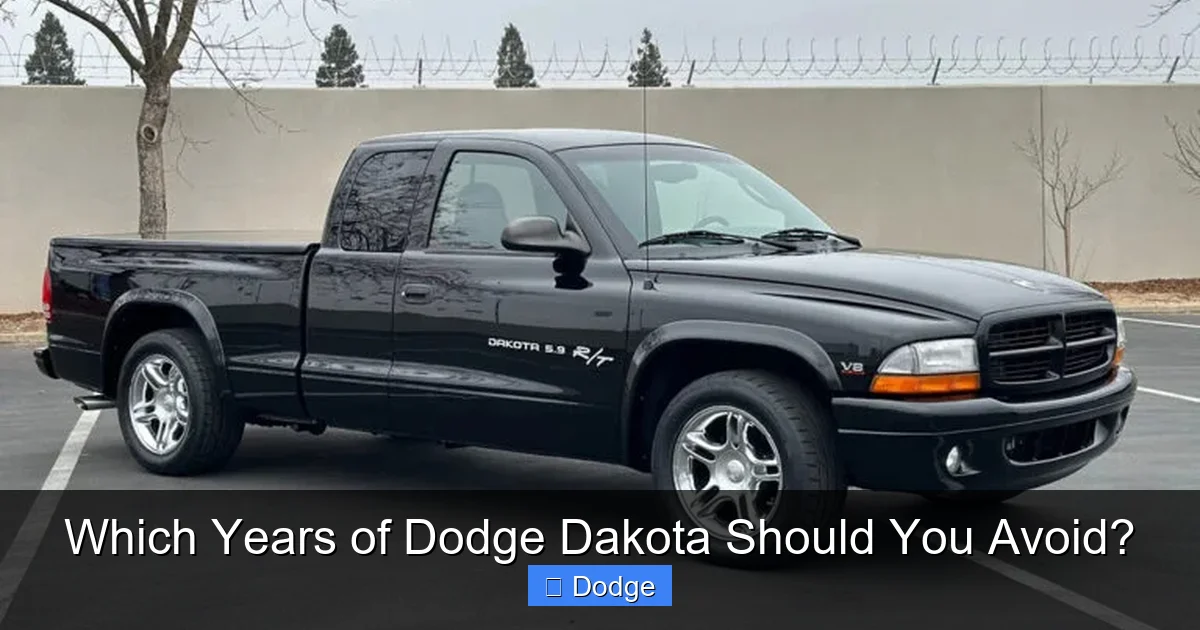
Visual guide about Which Years of Dodge Dakota Should You Avoid?
Image source: agtauto.com
Before diving into the problematic years, it helps to understand the Dakota’s evolution. The Dodge Dakota was introduced in 1987 as a midsize pickup that bridged the gap between compact trucks and full-size rigs. It stood out early on for offering a V6 engine—something rare at the time—and later, a V8, which gave it impressive towing and hauling power for its size.
The first generation (1987–1996) featured a boxy, utilitarian design and came with either a 2.2L inline-4, a 3.9L V6, or a 5.2L V8. While these early models were durable, they were also prone to rust, especially in regions with harsh winters and road salt.
The second generation (1997–2004) brought a major redesign with a more modern look, improved suspension, and better interior materials. This era is widely regarded as one of the Dakota’s strongest, with solid engineering and fewer widespread issues.
The third and final generation (2005–2011) introduced a more aggressive stance, updated styling, and new engine options, including the 3.7L V6 and 4.7L V8. However, this generation also introduced new problems—especially with transmissions and electrical systems—that would plague certain model years.
Understanding this timeline helps explain why some Dakotas are more reliable than others. The key is knowing which generations and years to trust—and which ones to walk away from.
The Worst Years: 2005–2007 Dodge Dakotas
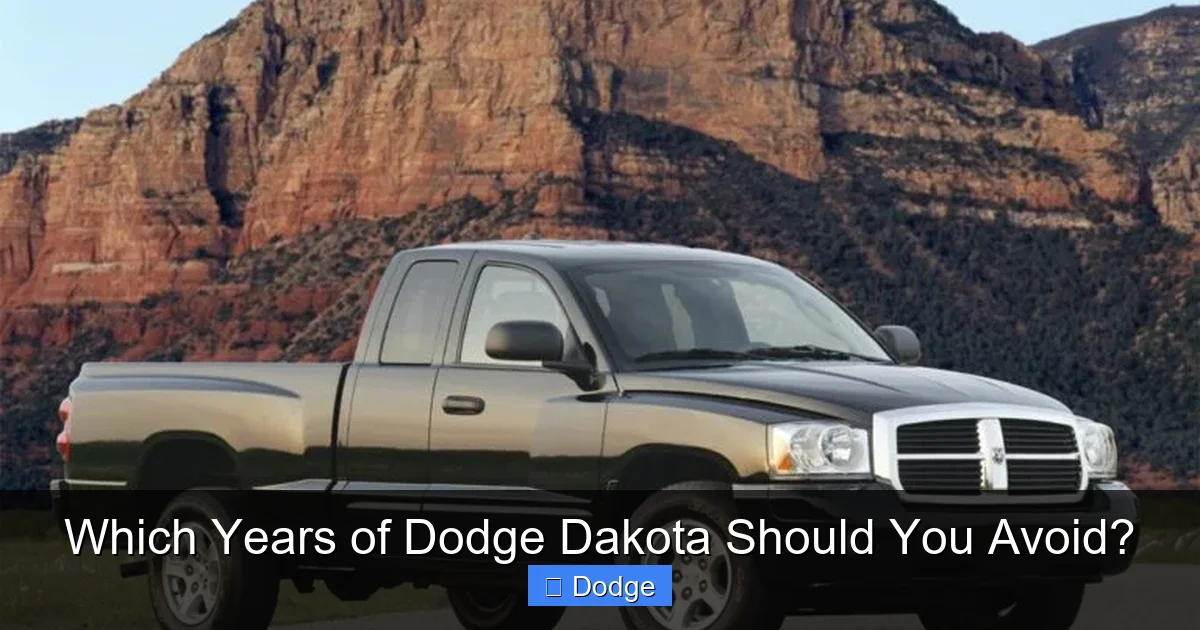
Visual guide about Which Years of Dodge Dakota Should You Avoid?
Image source: agtauto.com
If there’s one stretch of years you should approach with extreme caution, it’s 2005 through 2007. These model years are widely considered the most problematic in Dakota history, and for good reason.
Transmission Failures
One of the biggest issues with 2005–2007 Dakotas is the automatic transmission. Many owners report premature failure of the 42RLE four-speed automatic, especially in trucks with the 3.7L V6 engine. Symptoms include harsh shifting, slipping gears, delayed engagement, and complete transmission failure—often before 100,000 miles.
The root cause? A combination of inadequate cooling, weak internal components, and poor design. The transmission wasn’t built to handle the stress of towing or frequent heavy use, and even normal driving could wear it out quickly. Replacing or rebuilding the transmission can cost $2,500 to $4,000—more than the truck is often worth.
Electrical and Sensor Problems
Electrical gremlins are another hallmark of these years. Owners frequently report issues with the Body Control Module (BCM), faulty sensors, and erratic dashboard behavior. Common complaints include:
– Check engine lights that come on for no apparent reason
– Malfunctioning HVAC systems
– Power window and door lock failures
– Intermittent starting issues
These problems are often difficult to diagnose and expensive to fix, especially if the BCM needs replacement. In some cases, water intrusion into the cabin or under the hood can corrode wiring harnesses, leading to shorts and electrical faults.
Rust and Corrosion
While rust has been a Dakota issue since the 1990s, the 2005–2007 models are particularly vulnerable in certain areas. The frame, wheel wells, rocker panels, and undercarriage are common rust spots—especially in northern states where road salt is used heavily in winter.
Rust not only affects appearance but can compromise structural integrity. A rusted frame may fail safety inspections or even become unsafe to drive. Inspecting for rust is a must when considering any used Dakota, but it’s especially critical for these model years.
Engine Issues with the 3.7L V6
The 3.7L Power Tech V6, introduced in 2002, was meant to be a modern, efficient engine. But in the 2005–2007 Dakotas, it developed a reputation for oil consumption, timing chain wear, and head gasket failures.
Some owners report burning a quart of oil every 1,000 miles, which can lead to low oil levels and engine damage if not monitored. Timing chain stretch can cause poor performance, misfires, and even catastrophic engine failure if the chain jumps.
While the 4.7L V8 is generally more robust, even it isn’t immune to issues in these years—especially if the truck was used for towing without proper maintenance.
Recalls and Consumer Complaints
The National Highway Traffic Safety Administration (NHTSA) has logged hundreds of complaints for 2005–2007 Dakotas, with transmission and electrical problems topping the list. There were also several recalls during this period, including:
– A recall for faulty ignition switches that could cause the engine to stall
– A recall for defective airbag sensors
– A recall for rear axle issues that could lead to loss of control
These recalls highlight the widespread quality control issues during this era. Even if a truck has had recall work done, underlying design flaws may still cause problems down the road.
2008–2010: Slight Improvements, But Still Risky

Visual guide about Which Years of Dodge Dakota Should You Avoid?
Image source: agtauto.com
The 2008 model year brought some updates to the Dakota, including a revised interior, improved suspension, and better engine management. However, many of the core issues from 2005–2007 carried over, making 2008–2010 a mixed bag.
Transmission Concerns Persist
While Dodge made minor improvements to the 42RLE transmission, it still wasn’t reliable enough for many owners. Transmission failures remained common, especially in higher-mileage trucks or those used for towing.
Some 2008–2010 Dakotas also came with the five-speed automatic (in V8 models), which was more durable. If you’re considering a V8 Dakota from this era, the five-speed is a better bet—but still not immune to wear.
Suspension and Steering Problems
Another issue with 2008–2010 Dakotas is the suspension system. Owners report premature wear in ball joints, control arms, and tie rod ends. These components are critical for steering and alignment, and failure can lead to unsafe driving conditions.
The Dakota’s independent front suspension (IFS) was innovative for its time but proved less durable than solid axle setups. In off-road or heavy-use scenarios, the IFS can wear out quickly, leading to costly repairs.
Engine Reliability: V6 vs. V8
The 3.7L V6 continued to have oil consumption and timing chain issues in 2008–2010 models. However, the 4.7L V8 remained a strong performer, especially when properly maintained. If you’re set on a Dakota from this era, the V8 is the safer choice.
That said, even the V8 isn’t perfect. Some owners report issues with the Multi-Displacement System (MDS), which deactivates cylinders to save fuel. When the system fails, it can cause rough idling, reduced performance, and check engine lights.
Interior and Build Quality
One area where 2008–2010 Dakotas improved was the interior. Materials felt more premium, and the dashboard layout was more user-friendly. However, some owners still complain about cheap plastic trim that cracks over time and seats that wear out quickly.
Overall, these years are a slight step up from 2005–2007, but they’re still not the most reliable Dakotas on the market. Proceed with caution—and a thorough inspection.
Early Models: 1991–1996 Rust and Reliability Concerns
While the first-generation Dakotas (1987–1996) have a cult following for their simplicity and durability, the 1991–1996 models come with their own set of problems—especially rust.
Frame and Body Rust
Rust is the number one enemy of early Dakotas. The frame, rocker panels, wheel wells, and floor pans are all susceptible to corrosion, particularly in snowy or coastal climates. A rusted frame can be dangerous and expensive to repair—sometimes costing more than the truck is worth.
If you’re looking at a 1990s Dakota, inspect it carefully. Look for bubbling paint, soft spots in the metal, and surface rust that may indicate deeper corrosion. A magnet test can help: if a magnet doesn’t stick to a painted area, there may be body filler hiding rust.
Engine and Drivetrain Reliability
On the plus side, the 3.9L V6 and 5.2L V8 engines in these years are known for their longevity—when properly maintained. Many Dakotas from this era have surpassed 200,000 miles with regular oil changes and basic care.
However, the four-speed automatic transmission (46RH/47RH) can be a weak point. While generally durable, it may need rebuilding after 150,000 miles, especially if the truck was used for towing.
Electrical and Interior Issues
Electrical systems in 1990s Dakotas are relatively simple, which is a good thing. But aging wiring, brittle connectors, and failing gauges are common. The dashboard may crack, and the HVAC system can develop vacuum leaks, causing the vents to stop working.
Overall, 1991–1996 Dakotas can be solid trucks—if they’re rust-free and well-maintained. But they require more DIY know-how and patience than newer models.
The Sweet Spot: 2000–2004 Dodge Dakotas
If you’re looking for the most reliable Dakota years, 2000–2004 is where you want to focus. This second-generation era strikes a great balance between modern features, durability, and affordability.
Stronger Build Quality
The 2000–2004 Dakotas benefited from improved manufacturing and better materials. The frame was more rust-resistant, and the body panels held up better over time. Interior quality also improved, with more durable plastics and better-fitting components.
Reliable Engines and Transmissions
The 3.9L V6 and 4.7L V8 engines in these years are known for their reliability. The 4.7L, in particular, is a workhorse that can easily reach 200,000 miles with proper maintenance. The four-speed automatic transmission (45RFE) is also more robust than the later 42RLE.
Many owners report driving their 2000–2004 Dakotas well past 150,000 miles with only routine maintenance. Regular oil changes, transmission fluid changes, and timely belt replacements are key to longevity.
Fewer Recalls and Complaints
Compared to later years, the 2000–2004 Dakotas have far fewer NHTSA complaints and recalls. While no vehicle is perfect, these models don’t have the widespread transmission or electrical issues that plague the 2005–2010 trucks.
Common issues are minor: worn suspension components, minor electrical glitches, and occasional exhaust manifold leaks. These are manageable for most DIYers and don’t typically lead to major repairs.
Great Value for Used Buyers
Because they’re older, 2000–2004 Dakotas are often priced lower than newer models—but they offer better reliability. You can find well-maintained examples for under $8,000, making them an excellent value for budget-conscious buyers.
If you’re willing to do some light maintenance and inspections, a 2000–2004 Dakota can be a dependable, fun-to-drive truck for years to come.
How to Inspect a Used Dodge Dakota
No matter which year you’re considering, a thorough inspection is essential. Here’s what to look for:
Check the Frame and Undercarriage
Look for rust, especially around the wheel wells, rocker panels, and frame rails. Use a flashlight and inspect from multiple angles. Tap the metal with a hammer—if it sounds hollow or flakes off, there’s likely serious corrosion.
Test Drive and Listen
Take the truck for a test drive. Listen for unusual noises: grinding, clunking, or whining from the transmission. Pay attention to shifting smoothness—harsh or delayed shifts are red flags.
Check the engine for knocking, ticking, or excessive smoke from the exhaust. A burning oil smell could indicate leaks or consumption issues.
Inspect the Interior and Electronics
Test all electrical components: windows, locks, lights, HVAC, and dashboard gauges. Look for warning lights that stay on or flicker.
Check the seats, carpets, and headliner for wear, stains, or water damage. A musty smell could indicate leaks or mold.
Review Maintenance Records
Ask for service records. Look for regular oil changes, transmission fluid changes, and timing belt replacements (if applicable). A well-documented history is a strong indicator of a cared-for truck.
Get a Pre-Purchase Inspection
Even if the truck looks good, have a trusted mechanic inspect it. They can spot hidden issues like frame damage, engine wear, or suspension problems that aren’t obvious during a test drive.
Final Thoughts: Should You Buy a Dodge Dakota?
The Dodge Dakota is a capable, fun truck with a lot to offer—especially if you find the right model year. While some years are best avoided due to chronic problems, others can be reliable, affordable options for daily driving, light towing, or weekend adventures.
Steer clear of 2005–2007 models due to transmission, electrical, and rust issues. Be cautious with 2008–2010 trucks, especially V6 models. Early 1990s Dakotas can be great if rust-free, but require more maintenance.
Your best bet? A 2000–2004 Dakota with a V8 engine, low miles, and a solid maintenance history. These trucks offer the best blend of reliability, performance, and value.
No used truck is perfect, but with the right knowledge and inspection, you can find a Dakota that’s built to last. Do your homework, ask the right questions, and don’t rush the process. Your future self will thank you.
Frequently Asked Questions
What is the most reliable year for a Dodge Dakota?
The 2000–2004 model years are widely considered the most reliable, thanks to strong build quality, durable engines, and fewer major mechanical issues. The 4.7L V8 engine in particular is known for its longevity.
Are Dodge Dakotas expensive to maintain?
Maintenance costs vary by year and condition. Older Dakotas (1990s–2004) are generally cheaper to maintain, while 2005–2010 models may require costly transmission or electrical repairs. Regular maintenance helps keep costs down.
Can a Dodge Dakota tow well?
Yes, especially V8 models. The 4.7L V8 can tow up to 7,000 pounds when properly equipped, making it competitive with other midsize trucks. Avoid using V6 models for heavy towing.
Do Dakotas have rust problems?
Yes, especially early models (1990s) and trucks from snowy regions. Frame and rocker panel rust are common. Always inspect for corrosion before buying.
Is the 3.7L V6 engine reliable?
The 3.7L V6 is adequate for light use but has known issues with oil consumption and timing chain wear, especially in 2005–2010 models. The 4.7L V8 is a more reliable choice.
Should I buy a high-mileage Dakota?
It depends on the year and maintenance history. A well-maintained 2000–2004 Dakota with 150,000+ miles can still be a good buy. Avoid high-mileage 2005–2007 models due to transmission risks.
