
What Does Service Shifter Mean on a Dodge Challenger?

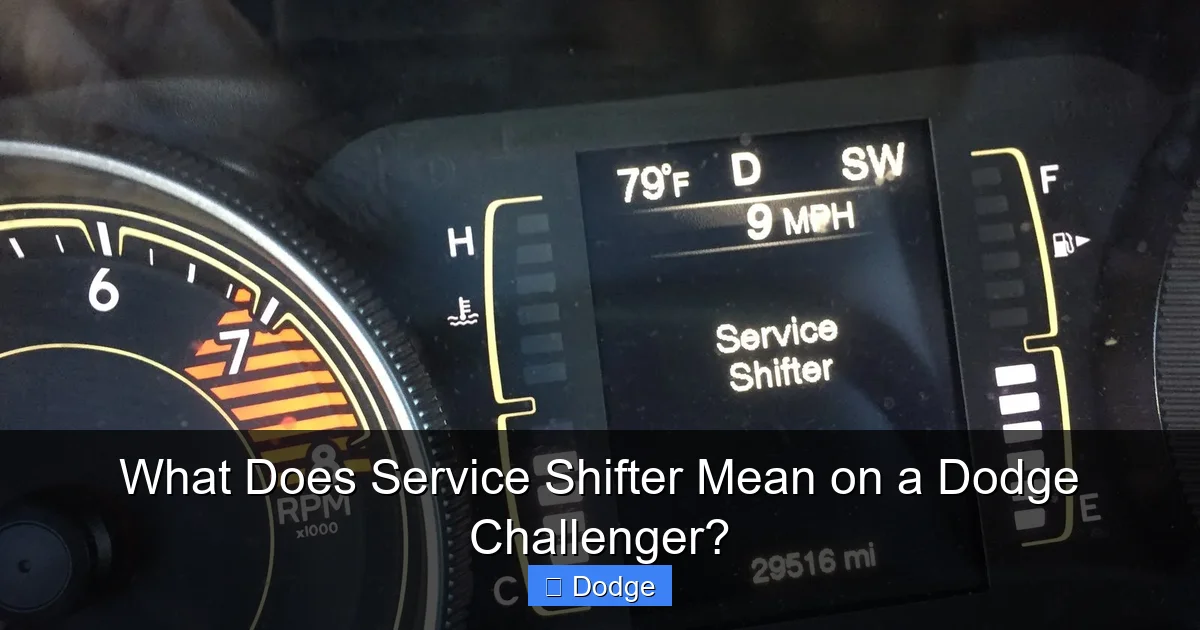
If your Dodge Challenger displays a “Service Shifter” warning, it means the vehicle’s transmission or gear selector system needs attention. This alert often points to electronic, mechanical, or software issues that can affect shifting performance and safety.
Key Takeaways
- Service Shifter means a problem with the gear selector or transmission system: This warning indicates an issue that could affect how your car shifts gears, especially in models with electronic shifters.
- Common causes include faulty sensors, low transmission fluid, or software glitches: Electrical components and fluid levels play a big role in shifter performance.
- Ignoring the warning can lead to drivability issues or safety risks: You might experience delayed shifting, inability to shift, or even being stuck in one gear.
- The issue may be resolved with a simple reset or require professional diagnosis: Some cases are fixed with a battery reset, while others need a mechanic’s scan tool.
- Regular maintenance helps prevent shifter-related problems: Checking transmission fluid and keeping the electrical system in good shape can avoid future alerts.
- Modern Challengers use electronic shifters, which are more prone to software errors: Unlike traditional mechanical shifters, these rely on sensors and computers that can malfunction.
- Always consult your owner’s manual or a certified technician: Proper diagnosis ensures the right fix and prevents further damage.
📑 Table of Contents
What Does Service Shifter Mean on a Dodge Challenger?
If you’re behind the wheel of your Dodge Challenger and suddenly see the words “Service Shifter” flash across your dashboard, your first reaction might be a mix of confusion and concern. You’re not alone. Many Challenger owners have encountered this message, especially in newer models equipped with advanced electronic shifting systems. But what exactly does it mean? And more importantly—what should you do about it?
The “Service Shifter” warning is a diagnostic alert triggered by your vehicle’s onboard computer system. It indicates that there’s a problem with the gear selector mechanism or the transmission control system. Unlike older cars with mechanical linkages, modern Dodge Challengers—particularly those from 2015 onward—use electronic shifters. These systems rely on sensors, actuators, and software to manage gear changes, making them more efficient but also more complex. When something goes wrong in this electronic chain, the car’s computer detects the fault and displays the “Service Shifter” message to prompt you to take action.
This warning isn’t just a minor inconvenience. It can affect your ability to shift gears smoothly, start the car, or even drive safely. In some cases, the shifter may lock in place, preventing you from moving the vehicle. That’s why understanding the meaning behind this alert—and knowing how to respond—is crucial for every Challenger owner.
Common Causes of the Service Shifter Warning
Visual guide about What Does Service Shifter Mean on a Dodge Challenger?
Image source: static.cargurus.com
There’s no single reason why your Dodge Challenger might display a “Service Shifter” message. Instead, it can stem from a variety of mechanical, electrical, or software-related issues. Let’s break down the most common culprits so you can better understand what might be going on under the hood.
Faulty Shifter Position Sensor
One of the leading causes of the “Service Shifter” warning is a malfunctioning shifter position sensor. This small but vital component tells the car’s computer what gear the shifter is in. If the sensor sends incorrect or inconsistent signals, the system may not recognize your gear selection, triggering the warning. For example, you might try to shift into Drive, but the car thinks you’re still in Park. This mismatch can confuse the transmission control module (TCM) and result in the alert.
Symptoms of a bad shifter sensor include difficulty shifting, the shifter feeling “sticky,” or the car refusing to start because it doesn’t detect Park or Neutral. In some cases, the shifter may appear to move normally, but the car won’t respond. Replacing the sensor usually resolves the issue, but it requires diagnostic tools to confirm the fault.
Low or Contaminated Transmission Fluid
Transmission fluid is the lifeblood of your Challenger’s automatic transmission. It lubricates moving parts, cools the system, and helps transmit hydraulic pressure for smooth gear changes. When fluid levels drop too low—or when the fluid becomes dirty, burnt, or contaminated—the transmission can’t operate properly. This can lead to erratic shifting, delayed engagement, and eventually, the “Service Shifter” warning.
Low fluid levels might result from leaks in the transmission pan, cooler lines, or seals. Over time, fluid breaks down due to heat and wear, losing its effectiveness. If you notice a burnt smell, dark or gritty fluid, or slipping gears, it’s a strong sign that your transmission fluid needs attention. Regular fluid checks and changes (typically every 30,000 to 60,000 miles) can prevent this issue.
Electrical or Wiring Problems
Because modern Challengers use electronic shifters, they depend heavily on wiring and electrical connections. A loose wire, corroded connector, or damaged harness can interrupt communication between the shifter, sensors, and the TCM. Even a small break in the circuit can cause the system to malfunction.
For instance, moisture intrusion in the shifter assembly—common in areas with high humidity or after heavy rain—can corrode electrical contacts. Similarly, rodents chewing on wiring under the dashboard or near the transmission can cause shorts or open circuits. These issues may not always be obvious, but they can trigger the “Service Shifter” alert. A professional inspection with a multimeter and scan tool is often needed to pinpoint the exact fault.
Software Glitches or Firmware Issues
Believe it or not, sometimes the problem isn’t hardware—it’s software. The transmission control module runs on firmware, and like any computer system, it can experience bugs or glitches. A sudden power loss, a failed update, or a corrupted memory file can cause the TCM to misread shifter inputs or fail to respond correctly.
In some cases, a simple battery disconnect and reconnect can reset the system and clear the warning. However, more persistent issues may require a software update from a Dodge dealership. These updates are often released to fix known bugs or improve system performance. If your Challenger is still under warranty, the dealer may perform this update at no cost.
Mechanical Shifter Malfunction
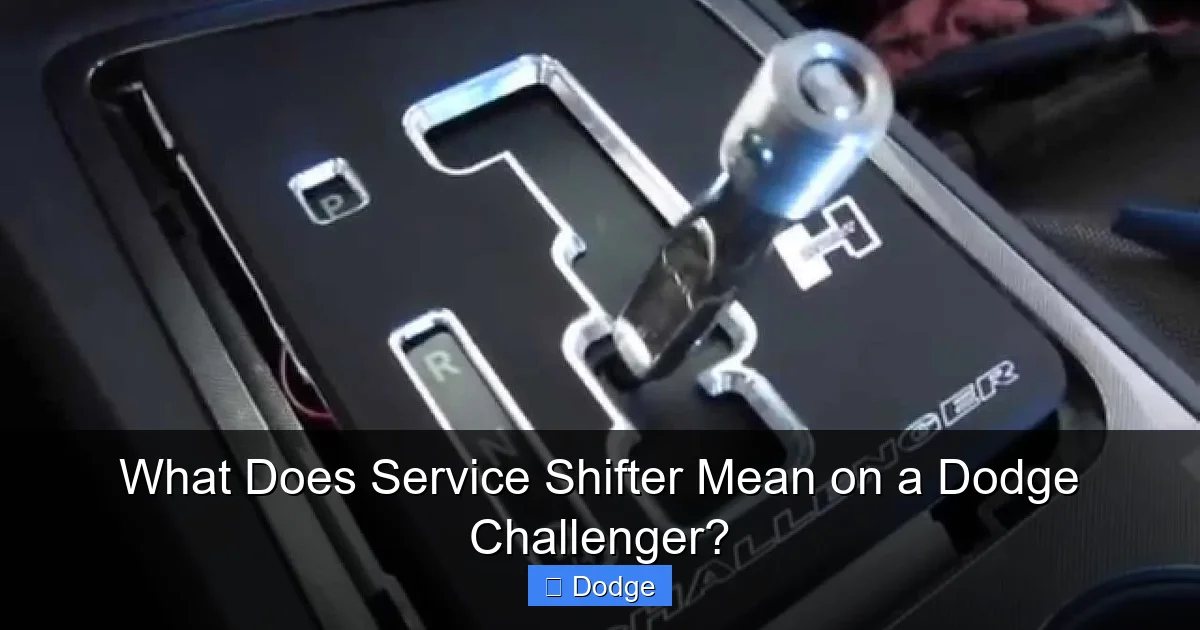
Although less common in newer models, mechanical issues with the shifter assembly can still occur. The shifter mechanism includes cables, linkages, and detents that physically move the transmission into the correct gear. If any of these components wear out, break, or become misaligned, the shifter may not function properly.
For example, a worn detent spring might cause the shifter to feel loose or fail to click into place. A broken cable could prevent the transmission from receiving the correct gear command. These problems are more typical in high-mileage vehicles or those subjected to rough driving conditions. Repairing mechanical issues usually involves replacing the affected parts, which may require partial disassembly of the center console.
Symptoms That Accompany the Service Shifter Warning
Visual guide about What Does Service Shifter Mean on a Dodge Challenger?
Image source: i.ytimg.com
When the “Service Shifter” message appears, it’s rarely an isolated event. You’ll likely notice other symptoms that give you clues about the underlying problem. Recognizing these signs early can help you address the issue before it worsens.
Difficulty Shifting Gears
One of the most obvious signs is trouble shifting between gears. You might find that the shifter doesn’t move smoothly, feels stiff, or gets stuck between positions. In some cases, the car may not respond when you try to shift from Park to Drive or Reverse. This can be especially dangerous when trying to pull out of a parking spot or merge into traffic.
For example, imagine you’re at a stoplight and shift into Drive, but the car doesn’t move. You press the gas, but there’s no response. This delay could be due to the transmission not engaging properly because of a faulty sensor or low fluid pressure.
Shifter Locked in Place
In more severe cases, the shifter may become completely locked, preventing you from moving it at all. This often happens when the system detects a critical fault and activates a safety mode to prevent damage. You might be unable to shift out of Park, even with the brake pedal pressed.
Some Challengers have a manual override feature—usually a small button or lever near the shifter—that allows you to release the lock in emergencies. Check your owner’s manual for instructions. However, this is only a temporary fix and doesn’t address the root cause.
Check Engine Light or Other Dashboard Warnings
The “Service Shifter” message often appears alongside other warning lights, such as the Check Engine Light or Transmission Temperature warning. These additional alerts can help narrow down the issue. For instance, a flashing Check Engine Light might indicate a serious transmission problem, while a steady light could point to a sensor fault.
Using an OBD2 scanner can reveal specific diagnostic trouble codes (DTCs) related to the transmission or shifter system. Codes like P0700 (Transmission Control System Malfunction) or P0715 (Input/Turbine Speed Sensor Circuit Malfunction) are common in these situations.
Unusual Noises or Vibrations
If the transmission isn’t shifting properly, you might hear grinding, whining, or clunking noises when changing gears. These sounds suggest internal wear or hydraulic issues. Vibrations during acceleration or shifting can also indicate problems with the torque converter or clutch packs.
For example, a failing torque converter might cause a shuddering sensation when shifting from Park to Drive. This is often mistaken for engine trouble but is actually a transmission-related issue.
Car Won’t Start
In some cases, the “Service Shifter” warning can prevent the car from starting. This happens when the system doesn’t recognize that the shifter is in Park or Neutral—a safety feature designed to prevent accidental movement. If the sensor is faulty or the wiring is damaged, the ignition system may refuse to engage.
You might turn the key or press the start button, but the engine won’t crank. This can be frustrating, especially if you’re in a hurry. Checking the shifter position and trying a manual override (if available) can help determine if the issue is shifter-related.
How to Diagnose and Fix the Service Shifter Issue

Visual guide about What Does Service Shifter Mean on a Dodge Challenger?
Image source: secure.gravatar.com
Now that you know what the “Service Shifter” warning means and what might be causing it, the next step is figuring out how to fix it. The approach depends on the severity of the problem and your level of mechanical expertise. Here’s a step-by-step guide to help you diagnose and resolve the issue.
Step 1: Check Transmission Fluid Level and Condition
Start with the basics. Pop the hood and locate the transmission dipstick (if your model has one—some newer Challengers use a sealed system). With the engine running and the transmission warmed up, check the fluid level. It should be between the “Full” and “Add” marks.
Also, inspect the fluid’s color and smell. Healthy transmission fluid is bright red and has a slightly sweet odor. If it’s dark brown, black, or smells burnt, it’s time for a fluid change. Low or dirty fluid can cause shifting problems and trigger the warning.
If your Challenger has a sealed transmission, you’ll need a professional to check and refill the fluid using specialized equipment.
Step 2: Inspect the Shifter and Surrounding Area
Look under the center console and around the shifter assembly for signs of damage, loose wires, or moisture. Check the shifter boot for tears that could allow water or debris to enter. If you see corrosion or frayed wires, that could be the culprit.
Gently wiggle the shifter to see if it feels loose or unresponsive. A properly functioning shifter should move smoothly with a firm click into each gear.
Step 3: Try a System Reset
Sometimes, a simple reset can clear the warning. Turn off the engine and disconnect the negative battery terminal for 10–15 minutes. This resets the vehicle’s computer systems, including the TCM. Reconnect the battery, start the car, and see if the message disappears.
This method works best for software glitches or temporary communication errors. However, if the underlying problem remains, the warning will likely return.
Step 4: Use an OBD2 Scanner
If the warning persists, use an OBD2 scanner to read the diagnostic trouble codes. Plug the scanner into the port under the dashboard (usually near the driver’s knee) and turn the ignition to the “On” position. The scanner will display any stored codes related to the transmission or shifter.
Common codes include:
– P0700: Transmission Control System Malfunction
– P0715: Input/Turbine Speed Sensor Circuit Malfunction
– P0720: Output Speed Sensor Circuit Malfunction
– P0706: Transmission Range Sensor Circuit Range/Performance
These codes can help pinpoint the exact component that’s failing. Some advanced scanners even provide live data, showing real-time sensor readings.
Step 5: Visit a Certified Mechanic or Dodge Dealership
If you’re unable to resolve the issue yourself, it’s time to seek professional help. A certified mechanic or Dodge technician has the tools and expertise to perform a thorough diagnosis. They can test sensors, inspect wiring, and update software if needed.
Dealerships often have access to technical service bulletins (TSBs) that address known issues with specific models. For example, some Challengers have received recalls or updates related to the shifter system. A technician can check if your vehicle is eligible for a free repair.
Preventing Future Service Shifter Problems
While you can’t always avoid mechanical failures, there are steps you can take to reduce the risk of encountering the “Service Shifter” warning in the future. Preventive maintenance is key to keeping your Challenger’s transmission and shifter system in top condition.
Follow the Recommended Maintenance Schedule
Your owner’s manual outlines a maintenance schedule tailored to your vehicle. Stick to it. This includes regular transmission fluid changes, filter replacements, and inspections. Even if your car seems to be running fine, neglecting maintenance can lead to hidden problems that eventually trigger warnings.
For most Challengers, transmission fluid should be changed every 30,000 to 60,000 miles, depending on driving conditions. Severe driving—like towing, stop-and-go traffic, or extreme temperatures—may require more frequent changes.
Keep the Shifter Area Clean and Dry
Dirt, dust, and moisture can accumulate around the shifter, especially if the boot is damaged. Clean the area regularly with a damp cloth and inspect for wear. If you live in a rainy or humid climate, consider using a silicone-based protectant to prevent corrosion.
Avoid spilling liquids near the shifter. Even small amounts of coffee or soda can seep into the electronics and cause shorts.
Address Warning Lights Promptly
Don’t ignore dashboard warnings, even if they seem minor. The “Service Shifter” message is your car’s way of saying something needs attention. The sooner you diagnose and fix the issue, the less likely it is to cause serious damage.
Delaying repairs can lead to costly transmission failures, which may require a full rebuild or replacement.
Use Quality Parts and Fluids
When replacing components or performing maintenance, always use OEM (Original Equipment Manufacturer) or high-quality aftermarket parts. Cheap sensors or low-grade fluid may save money upfront but can fail prematurely and cause more problems.
Stick to Dodge-approved transmission fluid and avoid mixing different types.
Stay Updated on Recalls and TSBs
Dodge occasionally issues recalls or technical service bulletins related to the shifter system. These updates can fix known defects or improve performance. Check the National Highway Traffic Safety Administration (NHTSA) website or contact your local dealership to see if your vehicle is affected.
Conclusion
The “Service Shifter” warning on your Dodge Challenger is more than just a dashboard alert—it’s a signal that your vehicle’s transmission or gear selector system needs attention. Whether it’s a faulty sensor, low fluid, electrical issue, or software glitch, ignoring the message can lead to drivability problems, safety risks, and expensive repairs.
By understanding the common causes and symptoms, you can take proactive steps to diagnose and resolve the issue. Simple fixes like checking fluid levels or resetting the system may solve the problem, but persistent warnings should be addressed by a professional.
Regular maintenance, cleanliness, and prompt attention to warnings are your best defenses against future shifter problems. With the right care, your Challenger will continue to deliver the thrilling performance and reliability you expect from this iconic American muscle car.
Frequently Asked Questions
What should I do if my Dodge Challenger says “Service Shifter”?
If you see the “Service Shifter” warning, first check your transmission fluid level and condition. Try a system reset by disconnecting the battery. If the message persists, use an OBD2 scanner to read diagnostic codes and consult a mechanic for further diagnosis.
Can I still drive my Challenger with a Service Shifter warning?
It depends on the severity. If the shifter is locked or the car won’t shift, do not drive it. If it’s still drivable but showing the warning, proceed with caution and get it checked as soon as possible to avoid further damage.
How much does it cost to fix a Service Shifter issue?
Costs vary widely. A simple sensor replacement may cost $100–$300, while a transmission repair or software update could run $500–$2,000 or more. Always get a diagnostic estimate first.
Is the Service Shifter warning covered under warranty?
Yes, if your Challenger is still under the factory warranty (typically 3 years/36,000 miles or 5 years/60,000 miles for powertrain), repairs related to the shifter system are usually covered. Check your warranty documentation or contact a Dodge dealer.
Why does my shifter feel stuck even though the warning isn’t on?
A stuck shifter could be due to a mechanical issue, low fluid, or a failing sensor. It may not always trigger the “Service Shifter” message immediately. Inspect the shifter mechanism and fluid level, and consider a diagnostic scan.
Can a dead battery cause the Service Shifter warning?
Yes, a weak or dead battery can cause electrical glitches in the shifter system. Replacing the battery or recharging it may resolve the issue. If the warning returns, further diagnosis is needed.
