
Can Subaru Crosstrek Tow?

The Subaru Crosstrek can tow—but with limits. Depending on the model year and drivetrain, it can pull between 1,500 and 2,000 pounds. While not built for heavy-duty hauling, it’s perfect for small trailers, bikes, or lightweight campers when properly equipped.
Key Takeaways
- Towing capacity varies by model: Earlier Crosstreks (2013–2017) typically handle 1,500 lbs, while newer models (2018+) with the optional towing package can tow up to 2,000 lbs.
- All-wheel drive is standard: The Crosstrek’s Symmetrical AWD system helps with traction and stability when towing, especially on wet or uneven terrain.
- Manual vs. automatic matters: Manual transmission models often have lower towing limits than automatics due to cooling and gearing differences.
- Proper equipment is essential: A factory or aftermarket hitch, wiring harness, and brake controller (if needed) are required for safe towing.
- Weight distribution is key: Always load cargo evenly and keep tongue weight at 10–15% of total trailer weight to avoid swaying or fishtailing.
- Not ideal for large RVs or boats: The Crosstrek shines with lightweight loads like kayaks, small pop-up campers, or utility trailers—not full-size travel trailers.
- Regular maintenance helps: Frequent oil changes, brake checks, and transmission fluid inspections are crucial when towing regularly.
📑 Table of Contents
- Can Subaru Crosstrek Tow? The Short Answer
- Subaru Crosstrek Towing Capacity by Model Year
- What Can You Actually Tow with a Subaru Crosstrek?
- Essential Towing Equipment for Your Crosstrek
- Driving Tips for Towing with a Subaru Crosstrek
- Maintenance Considerations When Towing
- Real Owner Experiences: What Crosstrek Drivers Say
- Alternatives If You Need More Towing Power
- Final Thoughts: Is the Subaru Crosstrek Right for Your Towing Needs?
Can Subaru Crosstrek Tow? The Short Answer
If you’re eyeing a Subaru Crosstrek and wondering whether it can handle towing duties, you’re not alone. This compact crossover has won hearts for its rugged styling, standard all-wheel drive, and off-road-ready attitude. But when it comes to pulling trailers, campers, or gear, many buyers pause—can this little SUV really tow anything useful?
The good news? Yes, the Subaru Crosstrek can tow. But like any vehicle, it has limits. You won’t be hauling a 30-foot travel trailer or a speedboat across the country, but for weekend adventures, light camping, or moving small loads, the Crosstrek is more than capable—when properly equipped.
Understanding what your specific Crosstrek can handle starts with knowing your model year, engine type, transmission, and whether it has the optional towing package. Let’s break it all down so you can tow safely and confidently.
Subaru Crosstrek Towing Capacity by Model Year
Visual guide about Can Subaru Crosstrek Tow?
Image source: subaru.ca
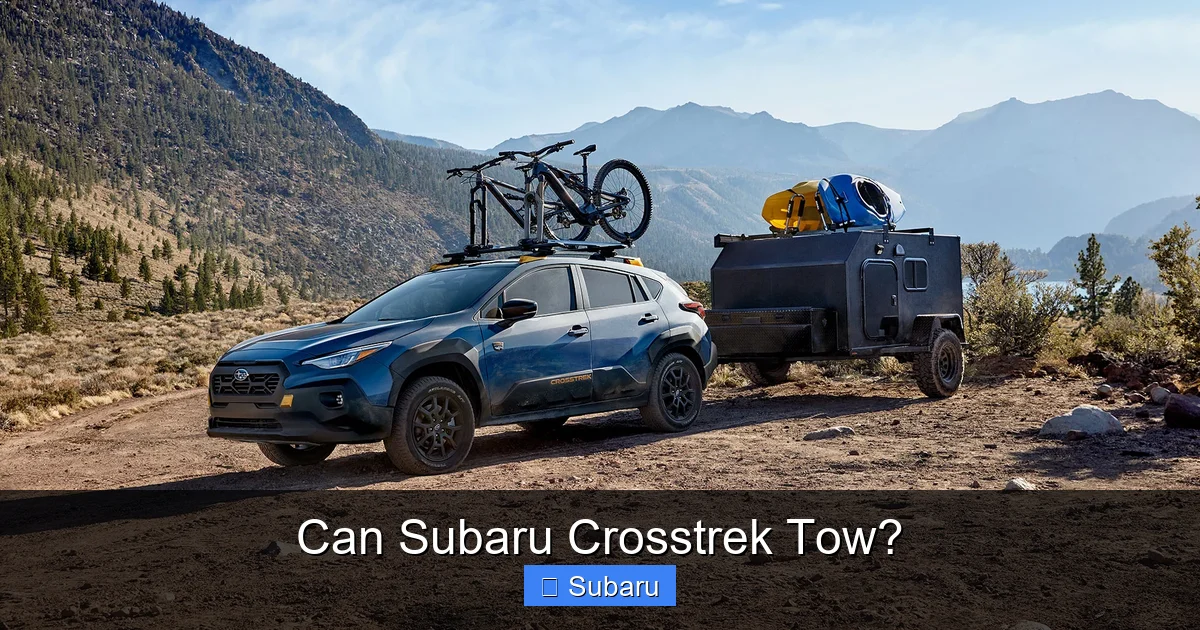
One of the most common questions about the Crosstrek is: “How much can it actually tow?” The answer isn’t one-size-fits-all. Towing capacity depends heavily on the generation and configuration of your vehicle.
First Generation (2013–2017): 1,500 Pounds
The original Crosstrek, based on the Impreza platform, was designed as a versatile urban adventurer. During these early years, Subaru officially rated the towing capacity at **1,500 pounds** for all models—whether manual or automatic transmission. This limit applied even with the optional trailer hitch installed.
At 1,500 lbs, you can tow small utility trailers, single kayaks or canoes on a rack, a couple of ATVs (if under weight), or a lightweight popup camper. However, anything heavier—like a small travel trailer or a loaded cargo trailer—would exceed safe limits.
It’s also worth noting that manual transmission models in this generation were particularly sensitive to towing stress. Subaru recommended extra caution, including frequent cooling breaks and avoiding steep grades.
Second Generation (2018–2023): Up to 2,000 Pounds
With the redesign in 2018, Subaru made significant improvements under the hood and chassis. The biggest change for towing? The introduction of an **optional towing package** that boosted capacity to **2,000 pounds**—but only on automatic transmission models equipped with the package.
This package typically includes:
– A Class I or Class II trailer hitch
– Wiring harness for trailer lights
– Enhanced cooling systems
– Revised transmission tuning
Manual transmission Crosstreks from this era still max out at 1,500 lbs, just like their predecessors. So if you’re shopping used, always check the transmission type and whether the towing package was factory-installed.
2024 and Newer Models: Same 2,000-Pound Cap
The latest Crosstrek models continue the 2,000-pound towing capacity for automatics with the towing package. Subaru hasn’t made major mechanical changes that would increase this number, but they’ve refined the system for better reliability and integration.
One helpful update? Many newer Crosstreks come with **trailer sway control** as part of the EyeSight driver-assist suite. This feature uses the vehicle’s stability control system to detect and correct trailer sway, adding an extra layer of safety.
What Can You Actually Tow with a Subaru Crosstrek?
Visual guide about Can Subaru Crosstrek Tow?
Image source: torkliftcentral.com
Now that you know the numbers, let’s talk real-world use. What kinds of trailers and gear are realistic for a Crosstrek owner?
Lightweight Camping Trailers
Pop-up campers like the **Aliner Classic**, **Jayco Jay Series**, or **Forest River R-Pod** (in their lightest configurations) often weigh between 1,500 and 2,000 pounds when loaded. These are perfect matches for a properly equipped Crosstrek.
For example, the Aliner Classic weighs around 1,600 lbs dry. Add camping gear, water, and a few extras, and you’re still well within the 2,000-lb limit. Just remember: always weigh your fully loaded trailer at a scale before hitting the road.
Utility and Cargo Trailers
A standard 4×8 or 5×8 enclosed utility trailer typically weighs 500–800 lbs empty. Load it with lawn equipment, furniture, or moving boxes, and you’re still under 1,500 lbs—even without the towing package.
These trailers are ideal for weekend DIY projects, garage cleanouts, or hauling firewood. Just avoid overloading one side, which can cause sway.
Boats and Watercraft
Small fishing boats, kayaks, or canoes on a trailer are excellent candidates. A typical aluminum fishing boat with motor and gear might weigh 1,200–1,800 lbs. That’s within range—but always double-check the total weight.
Jet skis? Two on a trailer usually come in under 1,000 lbs, making them easy to tow. Just ensure the trailer has proper brakes if you’re traveling long distances or on hills.
Bikes and Motorcycles
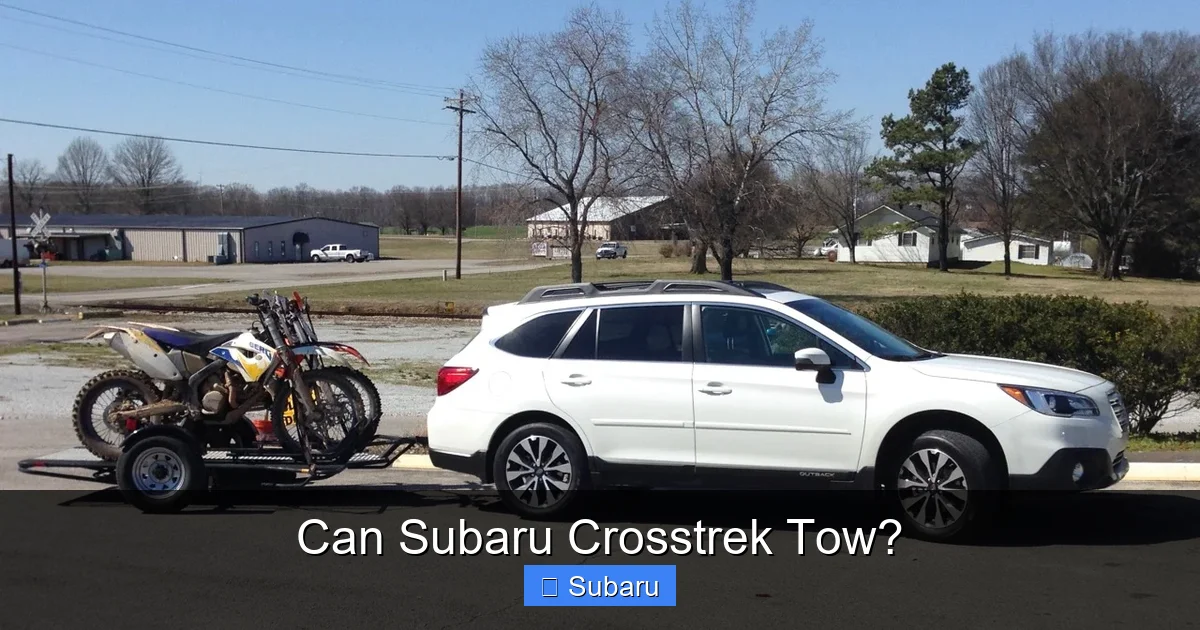
Bike racks that attach to a hitch are a popular choice. Even loaded with four mountain bikes, the total weight rarely exceeds 200 lbs. Motorcycle trailers are also lightweight—most single-motorcycle trailers weigh under 300 lbs fully loaded.
What NOT to Tow
Avoid anything over 2,000 lbs. That includes:
– Full-size travel trailers (most start at 3,000+ lbs)
– Large boats (bass boats, pontoons)
– Heavy equipment (lawn tractors, generators over 1,000 lbs)
– Multiple ATVs unless confirmed under weight
Also, never exceed the **gross combined weight rating (GCWR)** of your Crosstrek, which is typically around 7,000–8,000 lbs depending on the model. This includes the vehicle, passengers, cargo, and trailer.
Essential Towing Equipment for Your Crosstrek
You can’t just hook up a trailer and go. Safe towing requires the right gear. Here’s what you’ll need.
Trailer Hitch
Subaru offers a **factory-installed trailer hitch** as part of the towing package. It’s a Class I or II receiver hitch rated for up to 2,000 lbs. Aftermarket options from brands like Curt, Draw-Tite, or Reese are also available and often more affordable.
Make sure the hitch is properly rated for your Crosstrek’s capacity and installed by a professional if you’re not experienced.
Wiring Harness
To power your trailer’s brake lights, turn signals, and running lights, you’ll need a **4-pin or 7-pin wiring harness**. Subaru sells a plug-and-play harness that connects directly to the vehicle’s electrical system without splicing wires.
This ensures compatibility and avoids damaging the car’s electronics.
Brake Controller (If Needed)
Most lightweight trailers under 1,500 lbs don’t require electric brakes. But if your trailer has brakes (common on heavier pop-ups or boat trailers), you’ll need a **brake controller** installed inside the cabin.
The Crosstrek doesn’t come with a built-in controller, so you’ll need an aftermarket unit like the Tekonsha Voyager or Prodigy P2. These allow you to adjust brake force and activate trailer brakes manually if needed.
Weight Distribution Hitch (Rarely Needed)
For loads under 2,000 lbs, a weight distribution hitch is usually unnecessary. These are more common on larger SUVs towing heavy trailers. However, if you notice significant sagging in the rear or poor handling, consult a towing specialist.
Safety Chains and Breakaway Switch
Always use **safety chains** crossed under the trailer tongue to catch it if it detaches. For trailers with brakes, a **breakaway switch** is required—it activates the trailer brakes if the trailer becomes unhitched.
Driving Tips for Towing with a Subaru Crosstrek
Towing changes how your Crosstrek handles. Here’s how to stay safe on the road.
Load Smart
Place about **60% of the cargo weight in the front half** of the trailer. This keeps the tongue weight at 10–15% of the total trailer weight—critical for stability.
Too little tongue weight? The trailer can fishtail. Too much? It can overload the rear suspension and reduce front-wheel traction.
Check Tire Pressure
Both your Crosstrek and trailer tires should be inflated to the recommended PSI. Underinflated tires overheat and can fail, especially when towing.
Allow Extra Stopping Distance
Your Crosstrek will take longer to stop with a trailer. Leave at least **double the following distance** behind other vehicles.
Use Lower Gears on Hills
When climbing or descending steep grades, shift into a lower gear (use “L” or manual mode if available). This reduces strain on the transmission and improves control.
Avoid riding the brakes downhill—use engine braking instead.
Watch for Sway
Wind, passing trucks, or uneven loads can cause trailer sway. If it happens:
– Don’t slam on the brakes
– Gently ease off the accelerator
– Use the brake controller (if equipped) to apply trailer brakes only
– Steer straight—don’t overcorrect
If sway continues, pull over and redistribute the load.
Inspect Before Every Trip
Make it a habit to check:
– Hitch connection
– Safety chains
– Lights and brakes
– Tire condition
– Fluid levels (especially transmission and coolant)
A 5-minute pre-tow check can prevent a costly breakdown.
Maintenance Considerations When Towing
Towing puts extra stress on your Crosstrek. Regular maintenance becomes even more important.
Transmission Cooling
Automatic transmissions generate more heat when towing. If you tow frequently, consider adding an **auxiliary transmission cooler**. This helps prevent overheating and extends transmission life.
Oil Changes
Subaru recommends more frequent oil changes if you tow regularly—especially in hot climates or mountainous areas. Follow the “severe driving” schedule in your owner’s manual.
Brake Inspections
Towing wears down brake pads and rotors faster. Have your brakes inspected every 6,000–10,000 miles if you tow often.
Suspension Check
The rear suspension may sag slightly when towing. If it’s excessive, consider upgrading to **heavy-duty rear shocks** or **helper springs**.
Coolant and Radiator
Engine cooling is vital. Ensure your radiator is clean and coolant is fresh. Overheating can damage the engine, especially on long climbs.
Real Owner Experiences: What Crosstrek Drivers Say
We asked real Crosstrek owners about their towing experiences. Here’s what they shared.
One owner from Colorado uses his 2020 Crosstrek to tow a 1,700-lb pop-up camper to mountain campsites. “It handles great on highways,” he says. “I do take it slow on steep grades, but the AWD gives me confidence in snow and mud.”
Another owner in Florida tows a 1,200-lb boat to the lake every weekend. “I added the factory hitch and wiring harness. No issues in three years—just regular oil changes and brake checks.”
A third owner warns: “I tried towing a 2,200-lb trailer once. It was slow, shaky, and the transmission overheated. Learned my lesson—stick to the limit.”
These stories highlight a common theme: **the Crosstrek can tow—but respect its limits.**
Alternatives If You Need More Towing Power
If you find yourself needing to tow more than 2,000 lbs regularly, the Crosstrek might not be the right fit. Consider these Subaru alternatives:
– **Subaru Outback**: Towing capacity up to 2,700–3,500 lbs (depending on engine)
– **Subaru Ascent**: Up to 5,000 lbs with the proper package
– **Subaru Forester**: Up to 1,500–2,000 lbs (similar to Crosstrek)
Or look at larger SUVs from other brands like the Toyota RAV4 Hybrid (3,500 lbs) or Honda CR-V (1,500–2,000 lbs).
But if your needs are light to moderate, the Crosstrek remains a fuel-efficient, reliable, and fun-to-drive option.
Final Thoughts: Is the Subaru Crosstrek Right for Your Towing Needs?
So, can the Subaru Crosstrek tow? Absolutely—within reason. It’s not a workhorse, but it’s a capable companion for weekend warriors, campers, and outdoor enthusiasts who don’t need to haul heavy loads.
With a towing capacity of 1,500 to 2,000 pounds, the Crosstrek excels at pulling small trailers, campers, boats, and gear. Its standard all-wheel drive, compact size, and excellent fuel economy make it a smart choice for those who value versatility.
Just remember: always use the right equipment, load properly, and maintain your vehicle. And never exceed the manufacturer’s rated capacity—your safety and your Crosstrek’s longevity depend on it.
Whether you’re heading to the mountains, the lake, or just moving some furniture, the Subaru Crosstrek can get you—and your gear—there safely.
Frequently Asked Questions
What is the towing capacity of a Subaru Crosstrek?
The towing capacity ranges from 1,500 to 2,000 pounds, depending on the model year and whether it has the optional towing package. Newer automatic models with the package can tow up to 2,000 lbs.
Can a manual transmission Crosstrek tow?
Yes, but only up to 1,500 pounds. Manual models do not support the higher towing capacity, even with a hitch installed.
Do I need a special hitch for my Crosstrek?
Yes. Use a Class I or II receiver hitch rated for your Crosstrek’s capacity. Subaru offers a factory hitch, or you can choose a reputable aftermarket brand.
Can I tow a travel trailer with a Subaru Crosstrek?
Only very lightweight pop-up or teardrop trailers under 2,000 lbs. Most full-size travel trailers exceed this limit and are not recommended.
Does towing void my Subaru warranty?
No, as long as you stay within the rated towing capacity and use proper equipment. Exceeding limits or improper modifications could affect coverage.
How do I reduce trailer sway when towing?
Ensure proper tongue weight (10–15% of trailer weight), load evenly, check tire pressure, and use trailer sway control if available. Avoid sudden steering or braking.
