
What Year Subaru Wrx Should You Avoid?

Buying a used Subaru WRX? Some model years come with serious reliability issues you should know about. This guide breaks down the worst years to avoid, highlights common problems like head gasket failures and turbo issues, and helps you pick a smarter, more reliable WRX.
Key Takeaways
- 2002–2005 Subaru WRX: Prone to head gasket failures, oil leaks, and premature turbo wear due to early EJ20 engine design flaws.
- 2006–2007 Subaru WRX: Improved but still suffers from head gasket issues and weak rod bearings under high boost or aggressive tuning.
- 2008–2014 Subaru WRX (4th gen): Known for excessive oil consumption, especially in 2011–2014 models with the FB25 engine update.
- 2015–2018 Subaru WRX (5th gen): Early FA20DIT turbocharged engines had turbo lag, wastegate rattle, and occasional CVT transmission complaints.
- 2022–2023 Subaru WRX (6th gen): New platform brings improved tech but early reports of rough idle, transmission shudder, and infotainment glitches.
- Best Years to Buy: 2009–2010 and 2019–2021 models offer better reliability, proven engines, and fewer reported issues.
- Always Get a PPI: Regardless of year, a pre-purchase inspection by a Subaru specialist can save you thousands in repairs.
📑 Table of Contents
- What Year Subaru WRX Should You Avoid?
- The Early Years: 2002–2005 WRX – Proceed with Caution
- The Mid-2000s: 2006–2007 WRX – Slight Improvements, Same Problems
- The Fourth Generation: 2008–2014 WRX – Oil Consumption Nightmare
- The Fifth Generation: 2015–2021 WRX – A Step Forward, But Not Perfect
- The Sixth Generation: 2022–2023 WRX – New Tech, New Problems
- Best Years to Buy: 2009–2010 and 2019–2021
- How to Avoid a Lemon: Tips for Buying a Used WRX
- Conclusion: Know What You’re Getting Into
What Year Subaru WRX Should You Avoid?
So you’re thinking about buying a Subaru WRX. You’ve seen the rally-bred heritage, the aggressive stance, and that unmistakable boxer engine growl. It’s a car that promises fun, performance, and a little bit of rebellion on four wheels. But here’s the thing: not all WRX models are created equal. While Subaru has built a reputation for building tough, all-wheel-drive performance cars, certain model years have earned a reputation for being more trouble than they’re worth.
If you’re shopping for a used WRX, it’s crucial to know which years to avoid. Some model years come with recurring mechanical issues, expensive repairs, or design flaws that can turn your dream car into a money pit. Whether you’re a first-time buyer or a seasoned enthusiast, understanding the weak spots in the WRX lineup can save you time, stress, and thousands of dollars.
In this guide, we’ll walk you through the worst years to avoid, explain the most common problems, and help you identify the sweet spots in the WRX timeline. We’ll also share practical tips for inspecting a used WRX and making a smart purchase. Let’s dive in.
The Early Years: 2002–2005 WRX – Proceed with Caution
Visual guide about What Year Subaru Wrx Should You Avoid?
Image source: cdcssl.ibsrv.net
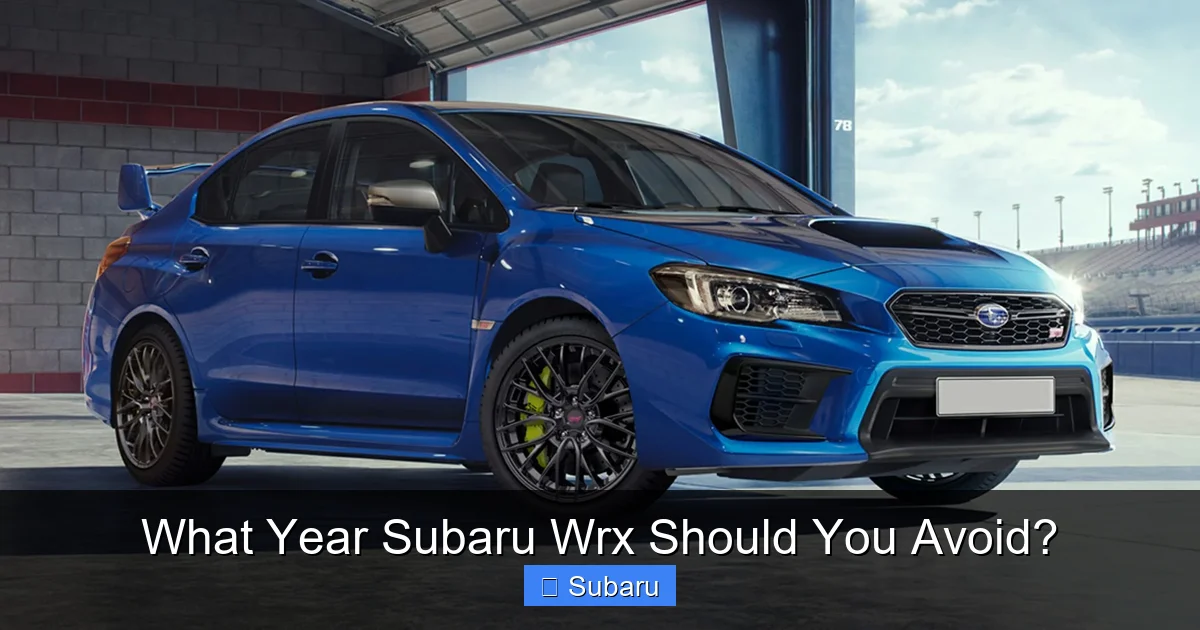
The Subaru WRX first hit U.S. shores in 2002, and it was an instant hit. Based on the Impreza platform, the WRX brought rally-inspired performance to the masses with its turbocharged 2.0L flat-four engine, all-wheel drive, and sport-tuned suspension. But while it looked and felt like a winner, the early years were plagued by reliability concerns.
Head Gasket Failures: The Achilles’ Heel
One of the biggest issues with the 2002–2005 WRX is the infamous head gasket failure. The EJ20 engine used in these models was known for its tendency to blow head gaskets, especially if the car was driven hard or not properly maintained. The problem stems from the engine’s design—specifically, the use of a multi-layer steel (MLS) head gasket that wasn’t robust enough for the thermal stress of a turbocharged engine.
Symptoms of a failing head gasket include white smoke from the exhaust, coolant loss, overheating, and milky oil (a sign of coolant mixing with oil). Replacing a head gasket isn’t just expensive—it’s a major job that can cost $2,000 or more, especially if the engine needs to be removed.
Oil Leaks and Consumption
Another common issue with early WRX models is oil leaks. The EJ20 engine is notorious for leaking oil from the valve cover gaskets, camshaft seals, and rear main seal. While not as catastrophic as a head gasket failure, oil leaks can lead to low oil levels, which in turn can cause engine damage if ignored.
Some owners also report high oil consumption—up to a quart every 1,000 miles. This isn’t necessarily a sign of a major problem, but it does mean you’ll need to check your oil frequently and top it off regularly.
Turbocharger Wear
The turbocharger in the early WRX is another weak point. The TD04 turbo used in these models is reliable under stock conditions, but it’s not built for high boost or aggressive tuning. Many owners upgrade the turbo or increase boost pressure, which can lead to premature wear or failure.
Turbo failure symptoms include loss of power, loud whining or grinding noises, and excessive smoke from the exhaust. Replacing a turbo can cost $1,500–$2,500, depending on whether you go with OEM or aftermarket parts.
Should You Buy a 2002–2005 WRX?
If you’re on a tight budget and find a well-maintained example with low mileage and full service records, a 2002–2005 WRX can still be a fun and affordable entry into the world of turbocharged Subarus. But be prepared for potential repairs. We recommend avoiding high-mileage examples or cars with a history of hard driving or modifications.
The Mid-2000s: 2006–2007 WRX – Slight Improvements, Same Problems
Visual guide about What Year Subaru Wrx Should You Avoid?
Image source: 2024subaru.com
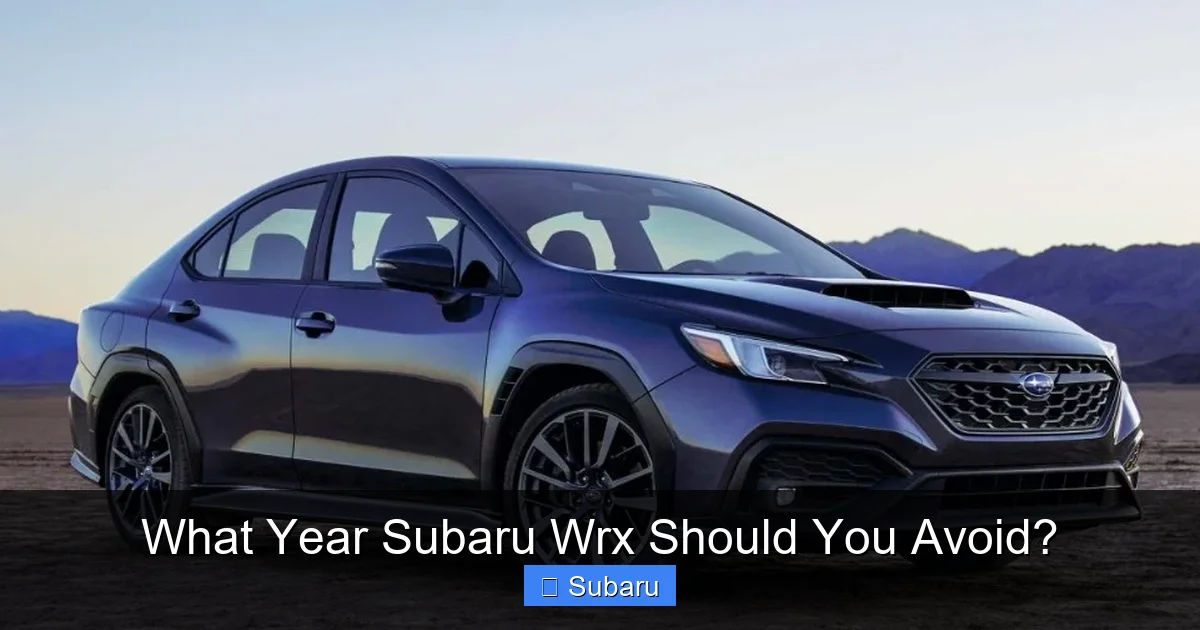
The 2006–2007 WRX brought some updates, including a revised interior, improved suspension, and a slightly more refined driving experience. But under the hood, it was still the same EJ20 engine with many of the same weaknesses.
Head Gasket Issues Persist
Unfortunately, the head gasket problem didn’t go away in 2006–2007. While Subaru made minor improvements to the engine design, the fundamental issue remained. Many owners of these model years still report head gasket failures, especially if the car has been driven hard or neglected.
Rod Bearing Failures Under Boost
One of the more serious issues with the 2006–2007 WRX is rod bearing failure. The EJ20 engine uses forged connecting rods, but they can fail under high stress—especially if the car is tuned for higher boost or used for track days. Rod bearing failure is catastrophic and usually results in a seized engine.
Symptoms include knocking noises from the engine, loss of oil pressure, and sudden engine failure. This is not a repair you want to ignore. If you hear a knock, shut the engine off immediately.
Clutch and Transmission Wear
The 2006–2007 WRX also has a reputation for clutch and transmission issues. The stock clutch is relatively weak and can slip under hard driving or increased power. The 5-speed manual transmission is generally reliable, but some owners report synchro wear or grinding in third and fourth gears.
Is the 2006–2007 WRX Worth It?
These model years are slightly better than the 2002–2005 cars, but they’re still risky. If you do buy one, make sure it has a clean maintenance history, no signs of overheating, and hasn’t been heavily modified. A compression test and leak-down test can help assess engine health.
The Fourth Generation: 2008–2014 WRX – Oil Consumption Nightmare
Visual guide about What Year Subaru Wrx Should You Avoid?
Image source: topgear.com
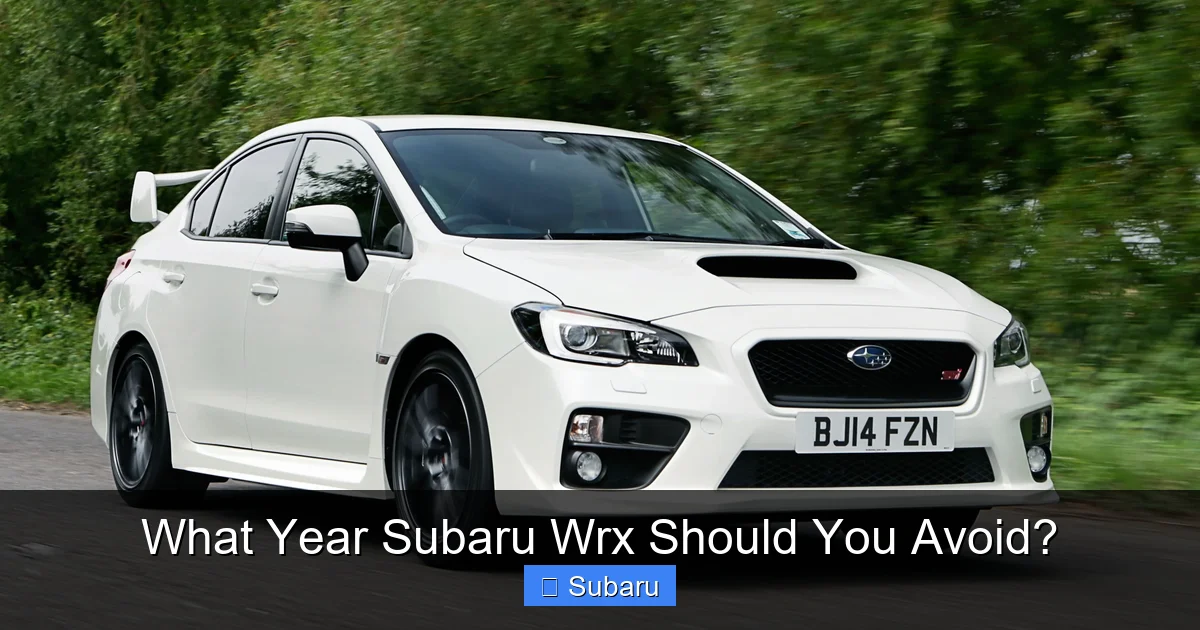
In 2008, Subaru introduced the fourth-generation WRX, which brought a new look, improved interior, and a more refined driving experience. But the real change under the hood was the switch to the FB25 engine in 2011, which replaced the older EJ25.
Excessive Oil Consumption (2011–2014)
The 2011–2014 WRX is infamous for excessive oil consumption. Many owners report burning a quart of oil every 1,000 miles or less. Subaru even issued a technical service bulletin (TSB) acknowledging the issue, but no widespread fix was offered.
The problem is linked to the piston ring design in the FB25 engine. The rings don’t seal properly, allowing oil to burn in the combustion chamber. This not only leads to frequent oil top-offs but can also cause carbon buildup on the valves and spark plugs, reducing performance and fuel economy.
Head Gasket and Timing Chain Issues
While the FB25 engine is generally more reliable than the EJ20, it’s not immune to problems. Some 2011–2014 WRX models still experience head gasket leaks, though less frequently than earlier models. The timing chain is also a concern—some owners report premature wear or failure, which can lead to engine damage if not addressed.
CVT Transmission Concerns
In 2012, Subaru introduced a continuously variable transmission (CVT) option for the WRX. While the CVT improves fuel economy, many enthusiasts dislike its lack of driver engagement. More importantly, early CVT models had reliability issues, including overheating, shuddering, and premature failure.
Should You Avoid the 2008–2014 WRX?
The 2008–2010 models (with the EJ25 engine) are generally more reliable than the 2011–2014 FB25 versions. If you’re considering a 2011–2014 WRX, be prepared for oil consumption and monitor your oil level religiously. We recommend avoiding high-mileage examples or cars with a history of poor maintenance.
The Fifth Generation: 2015–2021 WRX – A Step Forward, But Not Perfect
The 2015 WRX marked a major redesign, with a new platform, updated styling, and a new 2.0L FA20DIT turbocharged engine (shared with the Toyota 86/Subaru BRZ). This generation brought more power, better handling, and modern tech, but it wasn’t without its flaws.
Turbo Lag and Wastegate Rattle
The FA20DIT engine is more efficient and powerful than its predecessor, but it suffers from noticeable turbo lag. The turbo takes time to spool up, which can make the car feel sluggish off the line. Some owners also report wastegate rattle—a metallic clicking noise from the turbo under deceleration.
CVT and Manual Transmission Issues
The 2015–2018 WRX continued to offer both manual and CVT transmissions. The manual is generally reliable, but some owners report clutch chatter or premature wear. The CVT, while improved, still draws criticism for its lack of sportiness and occasional shuddering.
Infotainment and Electrical Glitches
The 2015–2018 WRX introduced a new infotainment system with touchscreen controls. While it looks modern, it’s prone to lag, freezing, and software bugs. Some owners report issues with Bluetooth connectivity, navigation errors, and backup camera malfunctions.
2019–2021: The Sweet Spot?
The 2019–2021 WRX models are widely considered the best of the fifth generation. Subaru made improvements to the suspension, added more standard features, and refined the driving dynamics. These years also have fewer reported issues and better overall reliability.
Is the 2015–2021 WRX a Good Buy?
The 2015–2018 models are decent, but the 2019–2021 WRX is the one to target. Avoid early 2015 models with high mileage or poor maintenance records. Always test drive the car and check for turbo lag, transmission smoothness, and infotainment functionality.
The Sixth Generation: 2022–2023 WRX – New Tech, New Problems
The 2022 WRX represents a complete redesign, with a new platform, updated styling, and a more powerful 2.4L FA24F turbocharged engine. It’s faster, more refined, and packed with modern tech. But as with any new model, there are growing pains.
Rough Idle and Engine Vibration
Early 2022–2023 WRX owners report a rough idle, especially when the engine is cold. Some describe a “shaking” sensation or vibration through the cabin. Subaru has issued software updates to address the issue, but not all dealers have applied them.
Transmission Shudder (CVT Models)
The CVT transmission in the 2022–2023 WRX is smoother than previous versions, but some owners still report shuddering during light acceleration. This is often due to the torque converter or software calibration and may require a dealer update.
Infotainment and Software Bugs
The new 11.6-inch touchscreen is a big upgrade, but it’s not without issues. Some owners report slow response times, app crashes, and difficulty pairing phones. Subaru is rolling out over-the-air updates, but early adopters may experience glitches.
Is the 2022–2023 WRX Worth It?
The 2022–2023 WRX is a great car in theory, but it’s still too new to judge long-term reliability. If you’re considering one, look for a well-maintained example with the latest software updates. Avoid high-mileage or heavily modified cars.
Best Years to Buy: 2009–2010 and 2019–2021
After reviewing the entire WRX timeline, two periods stand out as the best years to buy:
– 2009–2010 WRX: These models benefit from the EJ25 engine, which is more reliable than the EJ20. They also have fewer head gasket issues and are proven performers.
– 2019–2021 WRX: The fifth-generation WRX hits its stride in these years, with improved reliability, better handling, and fewer reported problems.
Both periods offer a good balance of performance, reliability, and value. If you’re buying used, aim for one of these sweet spots.
How to Avoid a Lemon: Tips for Buying a Used WRX
No matter which year you choose, here are some tips to help you avoid a problematic WRX:
- Get a Pre-Purchase Inspection (PPI): Have a Subaru specialist inspect the car. They can check for head gasket leaks, oil consumption, turbo health, and more.
- Check Service Records: Look for regular oil changes, timing belt replacements (if applicable), and any major repairs.
- Test Drive Thoroughly: Listen for unusual noises, feel for transmission issues, and test the infotainment system.
- Avoid Modified Cars: Heavily tuned or track-used WRXs are more likely to have hidden problems.
- Check for Recalls: Visit the NHTSA website to see if the car has any open recalls.
Conclusion: Know What You’re Getting Into
The Subaru WRX is an iconic performance car with a passionate following. But like any used car, it comes with risks—especially if you buy the wrong model year. While no car is perfect, some WRX years are clearly better than others.
Avoid the 2002–2005 and 2011–2014 models if possible, and be cautious with early 2015–2018 and 2022–2023 examples. Instead, target the 2009–2010 or 2019–2021 WRX for the best blend of performance and reliability.
Do your homework, get a PPI, and don’t rush into a purchase. With the right car and proper maintenance, a WRX can be a thrilling and rewarding ownership experience for years to come.
Frequently Asked Questions
What year Subaru WRX has the most problems?
The 2011–2014 Subaru WRX is widely considered the worst due to excessive oil consumption, head gasket leaks, and timing chain issues. These models burn oil at a high rate and require frequent top-offs.
Is the 2008 Subaru WRX reliable?
The 2008 WRX is more reliable than earlier models but still carries some risk of head gasket and turbo issues. It’s a decent choice if well-maintained, but avoid high-mileage examples.
Should I avoid the 2022 Subaru WRX?
The 2022 WRX is new and has some early issues like rough idle and infotainment glitches, but it’s not inherently unreliable. Wait for software updates or consider a 2023 model with fixes applied.
What’s the best year to buy a used Subaru WRX?
The 2019–2021 WRX is the best overall choice, offering modern features, good reliability, and strong performance. The 2009–2010 models are also solid if you prefer the older platform.
How often should I check the oil in a WRX?
Check the oil every 1,000 miles, especially in 2011–2014 models known for oil consumption. Low oil levels can lead to engine damage.
Can I daily drive a Subaru WRX?
Yes, the WRX is designed for daily driving. Just stay on top of maintenance, monitor oil levels, and avoid excessive boost or aggressive tuning if you want long-term reliability.
