
What Size Crossbars for a Subaru Crosstrek

Choosing the right size crossbars for your Subaru Crosstrek ensures a secure, quiet, and aerodynamic fit. This guide covers OEM recommendations, aftermarket compatibility, and model-specific tips to help you haul gear safely and efficiently.
If you’re a Subaru Crosstrek owner, you already know this compact SUV blends rugged capability with everyday practicality. Whether you’re heading to the mountains for a weekend camping trip, loading up bikes for a family adventure, or strapping on a cargo box for a cross-country move, your Crosstrek’s roof is one of its most valuable assets. But to use that space safely and effectively, you need the right crossbars.
Crossbars are the horizontal bars that attach to your vehicle’s roof rails, creating a stable platform for carrying gear. Without them, you can’t securely mount roof boxes, bike racks, kayak carriers, or other accessories. And while it might seem like any set of crossbars will do, the truth is that choosing the correct size and type is essential for safety, performance, and peace of mind.
In this guide, we’ll walk you through everything you need to know about selecting the right size crossbars for your Subaru Crosstrek. We’ll cover factory specifications, aftermarket options, installation tips, and real-world advice to help you make the best choice for your needs. Whether you drive a 2013 model or a 2024 Crosstrek Hybrid, this article has you covered.
Key Takeaways
- Subaru OEM crossbars are 48 inches wide and designed specifically for the Crosstrek’s roof rails, offering a perfect fit and factory-tested performance.
- Aftermarket crossbars should match or exceed 48 inches in width to span the roof rails properly and support your cargo without overhang.
- Weight capacity matters—most Crosstrek crossbars support 75–150 lbs dynamic weight, so check your gear’s total load before hitting the road.
- Roof rail spacing varies by model year, so always measure your Crosstrek’s front-to-rear rail distance before buying universal crossbars.
- Aerodynamic crossbars reduce wind noise and improve fuel efficiency compared to square or round bars, especially at highway speeds.
- Proper installation is critical—even the best crossbars can fail if not tightened correctly or mounted unevenly.
- Always check your owner’s manual for Subaru’s official recommendations on roof load limits and approved accessories.
📑 Table of Contents
- Understanding Subaru Crosstrek Roof Rails and Crossbar Basics
- Official Subaru OEM Crossbar Specifications
- Aftermarket Crossbar Options: What to Look For
- How to Measure Your Subaru Crosstrek for Crossbars
- Installation Tips for a Secure and Quiet Ride
- Common Mistakes to Avoid When Choosing Crossbars
- Conclusion: Making the Right Choice for Your Crosstrek
Understanding Subaru Crosstrek Roof Rails and Crossbar Basics
Before diving into crossbar sizes, it’s important to understand how your Crosstrek’s roof system works. The Crosstrek comes equipped with raised roof rails that run from front to back along the sides of the roof. These rails aren’t just for show—they’re structural components designed to support crossbars and the weight of your cargo.
The roof rails on the Crosstrek are typically made of durable aluminum or steel and are factory-installed with specific mounting points. These rails are spaced a certain distance apart, and that spacing determines the minimum and ideal width of your crossbars. Most importantly, the rails are not load-bearing on their own—they need crossbars to distribute weight evenly across the roof.
Crossbars bridge the gap between the left and right roof rails, creating a solid foundation for attaching accessories. They come in various shapes (round, square, aerodynamic), materials (aluminum, steel), and weight capacities. But the most critical factor—especially for Subaru owners—is getting the right size.
What Are Roof Rails and Why Do They Matter?
Roof rails are the raised tracks that run along the sides of your vehicle’s roof. On the Subaru Crosstrek, they’re integrated into the roof design and are not removable. These rails serve as the anchor points for crossbars, which in turn support your cargo.
The rails are spaced approximately 42 to 44 inches apart on most Crosstrek models, depending on the year and trim. This measurement is crucial because your crossbars must span this distance comfortably. If the bars are too short, they won’t reach both rails. If they’re too long, they’ll overhang, creating wind noise, drag, and potential safety hazards.
How Crossbars Work with Roof Rails
Crossbars attach to the roof rails using clamps, brackets, or T-slot adapters. Most modern crossbars use a clamping system that tightens around the rail without drilling or permanent modification. This makes them easy to install and remove when not in use.
When properly installed, crossbars distribute the weight of your cargo across the roof structure, preventing stress on any single point. They also allow you to mount a wide range of accessories—from simple tie-down straps to complex roof boxes and bike racks.
Why Size Matters More Than You Think
You might be tempted to grab the first set of crossbars you see at the auto shop, but size really does matter. Using crossbars that are too narrow can lead to instability, especially at high speeds or in windy conditions. Overly wide bars can cause excessive wind noise, reduce fuel efficiency, and even interfere with sunroofs or roof-mounted antennas.
For the Subaru Crosstrek, the ideal crossbar width is closely tied to the vehicle’s roof rail spacing and overall design. Subaru engineers have optimized the Crosstrek’s roof system for specific dimensions, and straying too far from those specs can compromise performance.
Official Subaru OEM Crossbar Specifications
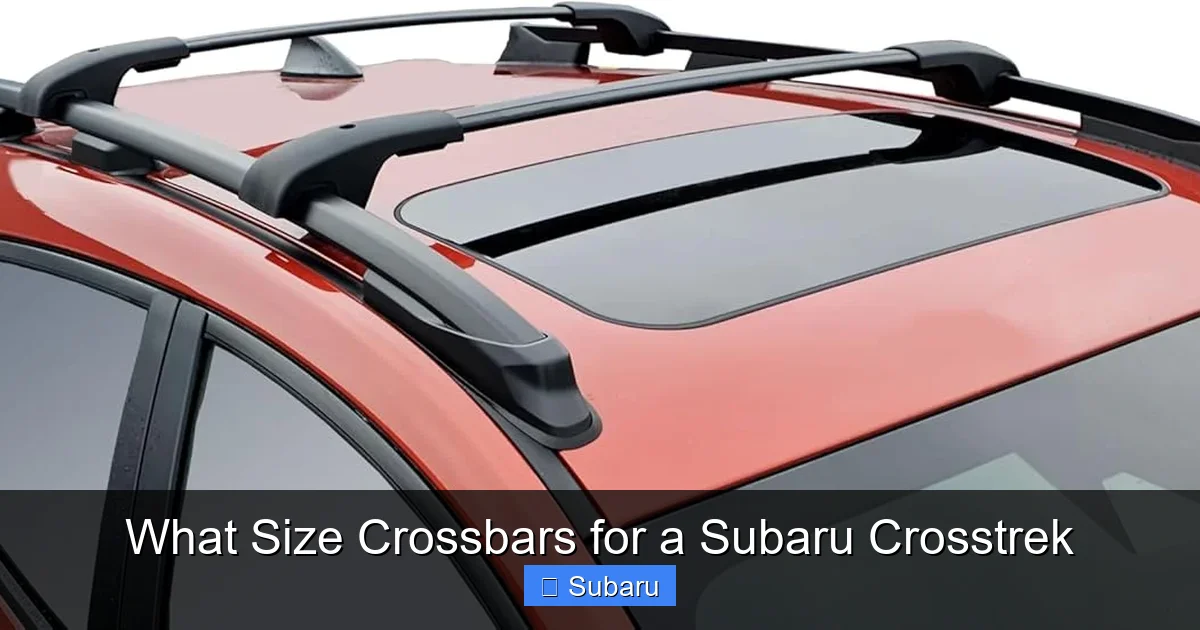
Visual guide about What Size Crossbars for a Subaru Crosstrek
Image source: m.media-amazon.com
If you want the safest, most reliable option, Subaru’s OEM (Original Equipment Manufacturer) crossbars are the way to go. These are designed specifically for the Crosstrek and are tested to meet Subaru’s rigorous safety and performance standards.
Standard OEM Crossbar Width: 48 Inches
The official Subaru crossbars for the Crosstrek are 48 inches wide. This measurement is not arbitrary—it’s carefully calculated to span the roof rails with a small amount of overhang on each side. This overhang helps ensure a secure clamp fit and provides room for mounting accessories without interference.
The 48-inch width is consistent across most Crosstrek models from 2013 to the present, including the Wilderness trim. However, it’s always a good idea to double-check your specific model year, as minor design changes can occur.
Weight Capacity and Load Limits
Subaru’s OEM crossbars are rated for a dynamic weight capacity of 75 pounds. This means you can safely carry up to 75 pounds of gear while the vehicle is in motion. The static weight capacity (when parked) is higher, but for driving, stick to the 75-pound limit.
It’s important to note that this weight limit includes everything—the crossbars themselves, the mounting hardware, and all your cargo. So if your roof box weighs 20 pounds and your gear weighs 60 pounds, you’re already over the limit.
Compatibility Across Model Years
One of the biggest advantages of OEM crossbars is their consistent compatibility. Whether you drive a 2015 Crosstrek Premium or a 2023 Crosstrek Sport, the 48-inch Subaru crossbars will fit. This makes them a great choice for owners who plan to keep their vehicle for several years or upgrade within the same generation.
However, if you own a first-generation Crosstrek (2013–2017) and are considering upgrading to a newer model, rest assured that the roof rail design remains largely unchanged. The same crossbars will typically fit both generations.
Where to Buy OEM Crossbars
You can purchase genuine Subaru crossbars directly from a Subaru dealership or through authorized online retailers. While they may cost more than aftermarket options, you’re paying for precision engineering, warranty coverage, and peace of mind.
Look for part numbers like **J011SFL000** (for most Crosstrek models) when shopping. These bars come with all necessary hardware and installation instructions, making setup straightforward.
Aftermarket Crossbar Options: What to Look For
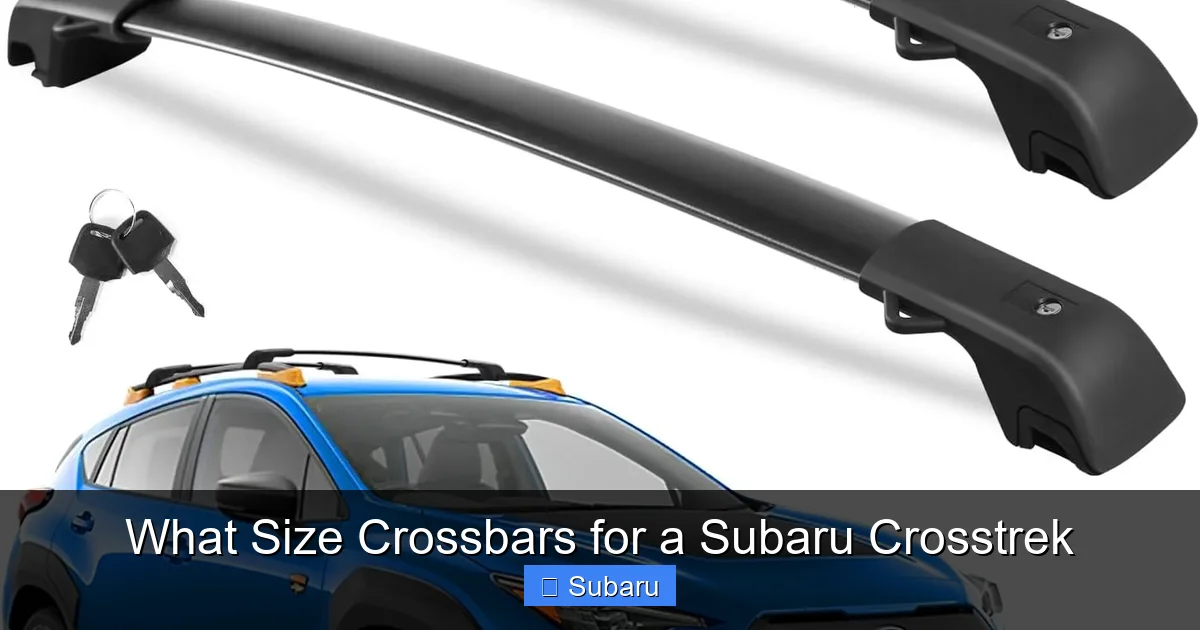
Visual guide about What Size Crossbars for a Subaru Crosstrek
Image source: m.media-amazon.com
While OEM crossbars are excellent, many Crosstrek owners prefer aftermarket options for their lower cost, enhanced features, or unique designs. Aftermarket crossbars can offer better aerodynamics, higher weight capacities, or compatibility with a wider range of accessories.
But not all aftermarket crossbars are created equal. Choosing the right ones requires careful consideration of size, fit, and quality.
Minimum and Ideal Width for Aftermarket Bars
For aftermarket crossbars to work properly on a Subaru Crosstrek, they should be at least 48 inches wide—the same as the OEM bars. This ensures they can span the roof rails without being too tight or too loose.
However, some owners prefer bars that are slightly wider—up to 50 or 52 inches—for added stability and easier accessory mounting. Just be cautious: excessive overhang can lead to wind noise and reduced fuel efficiency.
Avoid crossbars narrower than 48 inches. They may not clamp securely to the rails, increasing the risk of shifting or detachment while driving.
Top Aftermarket Brands for the Crosstrek
Several reputable brands offer high-quality crossbars designed for the Subaru Crosstrek. Some of the most popular include:
– **Thule**: Known for aerodynamic designs and excellent build quality. The Thule WingBar Evo (47″ or 49″) is a top choice.
– **Yakima**: Offers the Yakima JetStream bars, which are quiet, strong, and compatible with many Crosstrek models.
– **Rhino-Rack**: Provides durable, affordable options like the Vortex bars, which are 48″ wide and ideal for off-road use.
– **Inno**: Budget-friendly and reliable, with models like the Inno SquareBar that fit the Crosstrek well.
When shopping, look for crossbars specifically listed as compatible with the Subaru Crosstrek. Many brands provide fit guides on their websites to help you choose the right model.
Aerodynamic vs. Square vs. Round Bars
Aftermarket crossbars come in different shapes, each with its own pros and cons:
– **Aerodynamic bars** (like Thule WingBar or Yakima JetStream) are designed to reduce wind noise and drag. They’re ideal for highway driving and long trips.
– **Square bars** are strong and affordable but create more wind resistance. They’re better for occasional use or heavy loads.
– **Round bars** are classic and widely compatible but can be noisy at high speeds.
For most Crosstrek owners, aerodynamic bars offer the best balance of performance, noise reduction, and style.
Weight Capacity and Durability
Aftermarket crossbars often have higher weight capacities than OEM bars. Many support 150 pounds or more, making them suitable for heavy roof boxes, multiple bikes, or kayaks.
However, always check your Crosstrek’s roof load limit in the owner’s manual. Even if your crossbars can handle 150 lbs, your vehicle’s roof may only be rated for 75–100 lbs. Exceeding this limit can damage the roof or compromise safety.
How to Measure Your Subaru Crosstrek for Crossbars
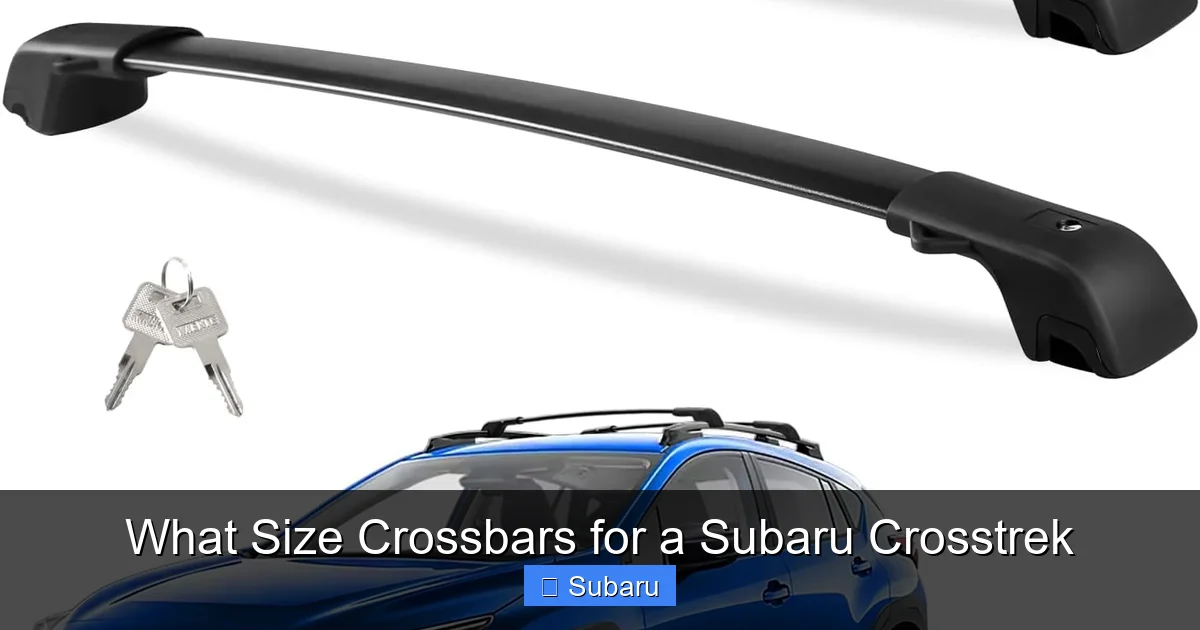
Visual guide about What Size Crossbars for a Subaru Crosstrek
Image source: m.media-amazon.com
Before buying any crossbars—OEM or aftermarket—it’s smart to measure your vehicle to ensure a perfect fit. While most Crosstreks have similar dimensions, slight variations can occur between model years and trims.
Measuring Roof Rail Spacing
To determine the ideal crossbar width, measure the distance between the inner edges of your roof rails. Use a tape measure and record the distance in inches.
On most Crosstreks, this measurement is around 42–44 inches. Add 4–6 inches to this number to account for clamp width and overhang. This gives you a target crossbar width of 46–50 inches, with 48 inches being the sweet spot.
Checking for Roof Features
Before installing crossbars, inspect your roof for features that could interfere with mounting:
– **Sunroof**: Ensure crossbars don’t block the sunroof’s operation.
– **Roof antenna**: Some antennas are mounted near the front rail and may require repositioning.
– **Roof molding or trim**: Make sure clamps don’t damage painted surfaces.
If you’re unsure, consult your owner’s manual or visit a Subaru dealer for advice.
Using Subaru’s Fit Guide
Subaru and many aftermarket brands offer online fit guides. Simply enter your vehicle’s year, make, and model, and the tool will recommend compatible crossbars. This is especially helpful if you’re shopping online or comparing multiple options.
Installation Tips for a Secure and Quiet Ride
Even the best crossbars won’t perform well if they’re installed incorrectly. Proper installation ensures safety, reduces noise, and protects your vehicle.
Step-by-Step Installation Guide
1. **Clean the roof rails** to remove dirt and debris.
2. **Position the crossbars** on the rails, ensuring even spacing front to rear.
3. **Attach the clamps** according to the manufacturer’s instructions.
4. **Tighten securely** using the provided tool or wrench—don’t overtighten.
5. **Check for movement** by gently shaking the bars. They should not shift.
6. **Test with a light load** before carrying heavy gear.
Reducing Wind Noise and Vibration
Wind noise is a common complaint with roof racks. To minimize it:
– Use aerodynamic crossbars.
– Install fairings (wind deflectors) if available.
– Keep crossbars as close to the roof as possible.
– Avoid overloading or unevenly distributing weight.
Regular Maintenance and Checks
Inspect your crossbars before every trip. Look for loose bolts, worn clamps, or signs of corrosion. Re-tighten hardware as needed, especially after long drives or exposure to harsh weather.
Common Mistakes to Avoid When Choosing Crossbars
Even experienced drivers make mistakes when selecting or installing crossbars. Here are some common pitfalls to avoid:
Buying the Wrong Size
Choosing crossbars that are too narrow or too wide is the most frequent error. Always measure your roof rails and compare them to the bar’s specifications.
Ignoring Weight Limits
Overloading your roof can damage the vehicle and create a safety hazard. Always check both the crossbar and vehicle weight limits.
Skipping the Owner’s Manual
Your Crosstrek’s manual contains vital information about roof load capacity, approved accessories, and installation guidelines. Don’t skip it.
Using Incompatible Accessories
Not all roof boxes or bike racks fit every crossbar. Check compatibility before purchasing.
Improper Installation
Rushing the installation can lead to loose bars, noise, or even detachment. Take your time and follow instructions carefully.
Conclusion: Making the Right Choice for Your Crosstrek
Choosing the right size crossbars for your Subaru Crosstrek doesn’t have to be complicated. Start with the OEM recommendation of 48 inches, and consider aftermarket options if you need more capacity or better aerodynamics. Always measure your vehicle, check weight limits, and install carefully.
Whether you’re hauling gear for a weekend getaway or preparing for a cross-country adventure, the right crossbars will keep your cargo secure and your ride smooth. With the information in this guide, you’re ready to make an informed decision and get the most out of your Crosstrek’s versatile roof system.
Invest in quality, follow the specs, and enjoy the freedom that comes with a properly equipped Subaru.
Frequently Asked Questions
What size crossbars does Subaru recommend for the Crosstrek?
Subaru recommends 48-inch crossbars for the Crosstrek. These are the OEM-spec bars designed to fit perfectly with the vehicle’s roof rails and support up to 75 pounds of dynamic weight.
Can I use aftermarket crossbars on my Subaru Crosstrek?
Yes, you can use aftermarket crossbars as long as they are at least 48 inches wide and compatible with the Crosstrek’s roof rails. Brands like Thule, Yakima, and Rhino-Rack offer excellent options.
Will 50-inch crossbars fit my Crosstrek?
Yes, 50-inch crossbars will fit, but they may overhang slightly. This is generally safe as long as the overhang isn’t excessive and doesn’t interfere with sunroof operation or create too much wind noise.
How much weight can my Crosstrek roof hold?
Most Crosstrek models have a dynamic roof load limit of 75–100 pounds. Always check your owner’s manual for the exact rating, as it can vary by model year and trim.
Do I need special tools to install crossbars?
Most crossbars come with the necessary tools for installation. You typically only need a wrench or Allen key, which is included. No drilling or permanent modification is required.
Can I install crossbars myself?
Yes, crossbar installation is designed to be user-friendly. With basic tools and about 15–30 minutes, most owners can install them safely at home. Just follow the instructions carefully.
