
Are Subaru Catalytic Converters Worth Anything

Subaru catalytic converters do have real value—especially when recycled or sold for scrap. Their worth depends on model year, engine type, and precious metal content like platinum, palladium, and rhodium.
Key Takeaways
- Subaru catalytic converters contain valuable metals: They house platinum, palladium, and rhodium—precious metals used in the catalytic process that can be recovered and resold.
- Value varies by model and year: Newer Subarus (2010 and later) typically have higher-value converters due to stricter emissions standards and increased metal content.
- Engine type matters: Vehicles with larger engines (like the 2.5L or 3.6L H6) often have more robust catalytic systems, increasing their scrap value.
- Recycling is the best way to cash in: Selling to a certified recycler or scrap yard ensures you get fair market value and supports eco-friendly practices.
- Beware of theft: High-value converters make Subarus targets; consider protective measures like etching or shields.
- Legal and environmental responsibility: Never remove or tamper with a catalytic converter unless replacing it legally—fines and emissions violations can result.
- DIY removal isn’t recommended: Improper handling can damage the part or expose you to toxic materials—always consult a professional.
📑 Table of Contents
- Are Subaru Catalytic Converters Worth Anything?
- What Makes a Catalytic Converter Valuable?
- How Much Are Subaru Catalytic Converters Worth?
- Factors That Affect the Value of a Subaru Catalytic Converter
- How to Sell or Recycle Your Subaru Catalytic Converter
- Why Subaru Catalytic Converters Are Targets for Theft
- Environmental and Legal Considerations
- Final Thoughts: Yes, They’re Worth Something—But Handle with Care
Are Subaru Catalytic Converters Worth Anything?
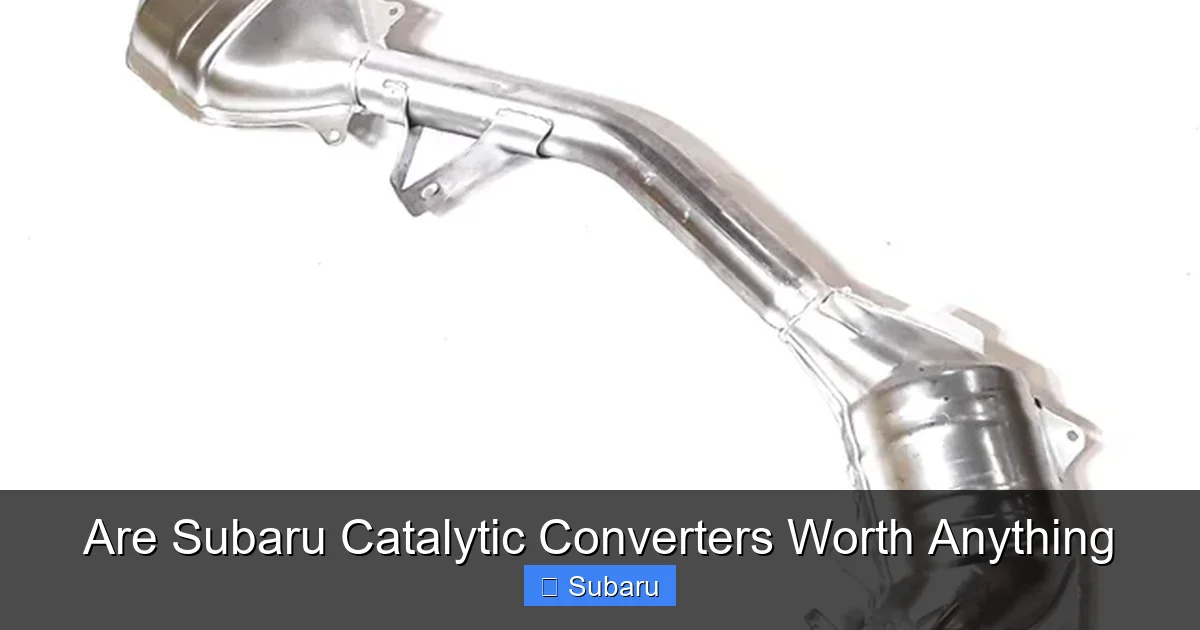
If you’ve ever owned a Subaru—or even just glanced under one—you’ve probably noticed that distinctive metal canister tucked beneath the vehicle, usually near the exhaust manifold. That’s the catalytic converter, a critical emissions control device that helps reduce harmful pollutants from your car’s exhaust. But beyond its environmental role, you might be wondering: Are Subaru catalytic converters worth anything?
The short answer? Yes—they absolutely are. But not in the way you might think. You won’t be driving one to a pawn shop and walking out with a stack of cash. Instead, the real value lies in the precious metals embedded inside. These metals—platinum, palladium, and rhodium—are used to catalyze chemical reactions that convert toxic gases like carbon monoxide and nitrogen oxides into less harmful substances like carbon dioxide and nitrogen. Because these metals are rare, expensive, and in high demand, catalytic converters have become valuable commodities in the recycling and scrap metal industries.
Subaru, known for its reliable all-wheel-drive vehicles and loyal fanbase, produces cars with catalytic converters that often fall into the mid-to-high value range when it comes to scrap. This is especially true for models from the last 15 years, which were built under stricter emissions regulations requiring more advanced (and metal-rich) catalytic systems. Whether you’re dealing with a used Forester, an Outback, a WRX, or even an older Impreza, the catalytic converter under your Subaru could be worth more than you think—especially if it’s in good condition and hasn’t been damaged or overheated.
What Makes a Catalytic Converter Valuable?
Visual guide about Are Subaru Catalytic Converters Worth Anything
Image source: s3.amazonaws.com
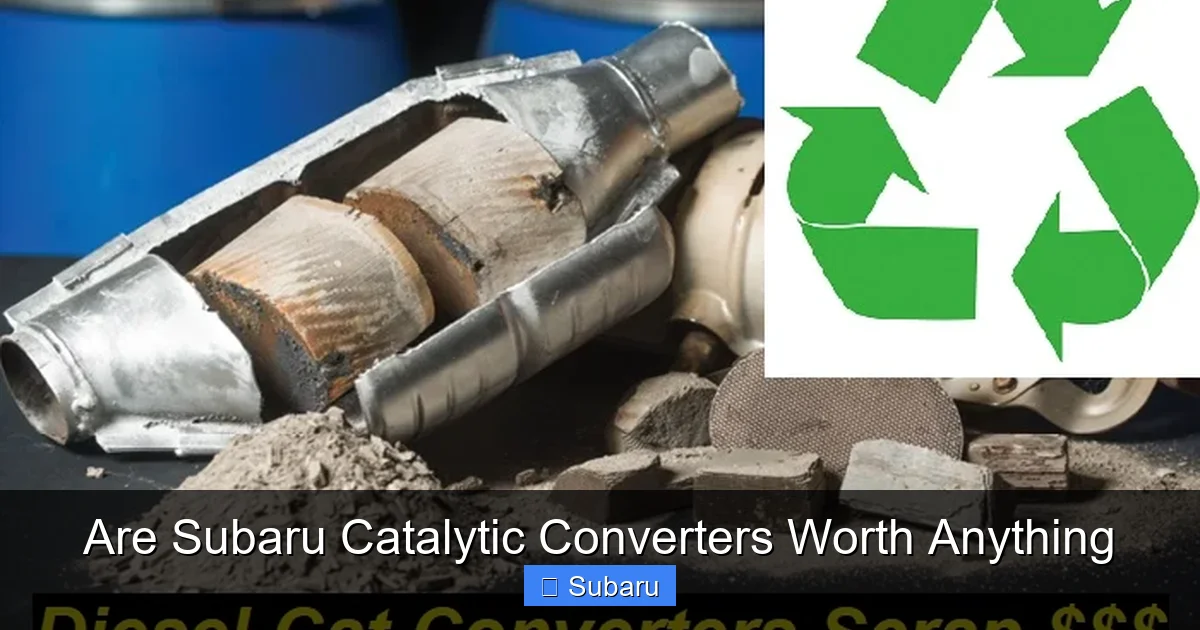
To understand why Subaru catalytic converters are worth something, it helps to know what’s inside them. At the heart of every catalytic converter is a ceramic or metallic honeycomb structure coated with a washcoat that contains precious metals. These metals act as catalysts—hence the name—speeding up the chemical reactions that clean your exhaust gases without being consumed in the process.
The three main metals you’ll find are:
- Platinum: Used primarily for reducing nitrogen oxides. It’s durable and effective but less commonly used in modern converters due to cost.
- Palladium: Often used in gasoline engines (like most Subarus) to oxidize carbon monoxide and hydrocarbons. It’s more affordable than platinum but still valuable.
- Rhodium: The most expensive of the three, rhodium is highly effective at reducing nitrogen oxides and is used in smaller amounts but commands a high price per ounce.
The exact mix and quantity of these metals vary depending on the vehicle’s make, model, year, and engine type. Subaru vehicles, particularly those with larger displacement engines or turbocharged variants (like the WRX or STI), tend to have more complex exhaust systems with multiple catalytic converters or larger monoliths, which increases the total metal content.
For example, a 2015 Subaru Outback with a 3.6L H6 engine might have a front and rear catalytic converter, each containing several grams of palladium and rhodium. Combined, these could be worth anywhere from $150 to $400 when recycled, depending on current metal prices. In contrast, a smaller 2.0L engine in a 2008 Impreza might have a single converter worth closer to $80–$120.
How Much Are Subaru Catalytic Converters Worth?
Visual guide about Are Subaru Catalytic Converters Worth Anything
Image source: cararac.com
So, how much can you actually get for a Subaru catalytic converter? The answer isn’t fixed—it fluctuates based on several factors, including global metal markets, the converter’s condition, and where you sell it.
As of 2024, precious metal prices have remained relatively high, especially for rhodium and palladium. Rhodium, in particular, has seen dramatic price spikes in recent years due to supply constraints and high demand from the automotive industry. This means that even a single catalytic converter from a modern Subaru can fetch a surprising amount when recycled properly.
Here’s a rough breakdown of what you might expect:
- 2005–2009 Subaru models (e.g., Legacy, Outback, Forester): $50–$150 per converter. These older models often have lower metal content, but some high-output engines (like the 3.0L H6) can still yield decent returns.
- 2010–2015 Subaru models: $100–$300 per converter. Stricter emissions standards led to increased use of palladium and rhodium, boosting value.
- 2016–2023 Subaru models (including WRX, Forester, Ascent): $150–$500+ per converter. Newer models, especially turbocharged ones, often have dual converters or high-flow designs with more precious metals.
It’s important to note that these are scrap values—what a recycler or scrap yard would pay you after testing and processing the unit. You won’t get this amount from a dealership or mechanic unless they’re acting as a middleman. Also, damaged or melted converters (common in cars with engine misfires or overheating issues) will have significantly reduced value—sometimes as little as 20–30% of a functional unit.
Factors That Affect the Value of a Subaru Catalytic Converter
Visual guide about Are Subaru Catalytic Converters Worth Anything
Image source: j6p7h8r9.rocketcdn.me
Not all Subaru catalytic converters are created equal. Several key factors determine how much yours is worth:
1. Model Year and Emissions Standards
Newer Subarus are generally more valuable because they were built under stricter environmental regulations. Starting around 2010, the U.S. Environmental Protection Agency (EPA) and California Air Resources Board (CARB) imposed tougher limits on vehicle emissions, forcing automakers to use more efficient—and more expensive—catalytic systems. This means converters from 2010 and later typically contain more precious metals.
For example, a 2020 Subaru Ascent with a 2.4L turbocharged engine has a high-flow catalytic converter designed to handle increased exhaust volume and temperature. These units often use more rhodium and palladium, making them more valuable than those from pre-2010 models.
2. Engine Size and Configuration
Larger engines produce more exhaust, requiring larger or multiple catalytic converters. Subaru’s 3.6L H6 engine (found in the Outback and Legacy) and the 2.4L turbo (in the Ascent and newer Foresters) both use more robust emissions systems than the base 2.5L naturally aspirated engine.
Turbocharged models like the WRX and STI are especially valuable because they often have a close-coupled catalytic converter (mounted near the turbo) plus a secondary under-floor converter. This dual setup increases the total metal content and, therefore, the scrap value.
3. Condition of the Converter
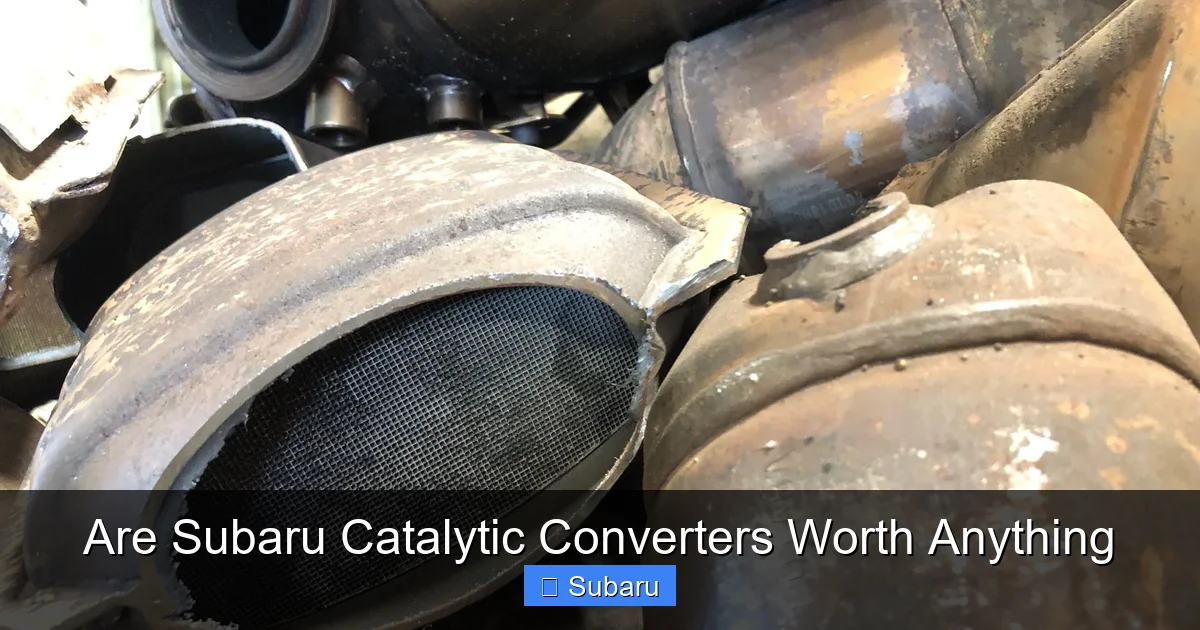
A catalytic converter that’s intact, clean, and free of physical damage will always be worth more than one that’s cracked, melted, or clogged. Overheating—often caused by engine misfires or rich fuel mixtures—can destroy the internal honeycomb structure, rendering the unit nearly worthless.
Signs of a damaged converter include:
- Loud rattling noises from under the car
- Reduced engine performance or poor fuel economy
- Check engine light with codes like P0420 (catalyst efficiency below threshold)
- Excessive heat or discoloration on the exterior
If you’re planning to sell or recycle your converter, inspect it carefully. A clean, undamaged unit will fetch top dollar.
4. Location and Market Demand
The value of precious metals is global, but local scrap prices can vary. Urban areas with more recycling centers and higher demand for scrap metal may offer better rates than rural locations. Additionally, some states have laws requiring catalytic converters to be sold only to licensed recyclers, which can affect pricing and availability.
5. OEM vs. Aftermarket
Original Equipment Manufacturer (OEM) catalytic converters—those installed by Subaru at the factory—are almost always more valuable than aftermarket replacements. OEM units are built to higher standards and typically contain more precious metals. Aftermarket converters, especially cheap universal-fit models, may use less metal or lower-quality materials to cut costs.
If you’re unsure whether your converter is OEM, look for a Subaru logo or part number stamped on the housing. Aftermarket units often have generic branding or no markings at all.
How to Sell or Recycle Your Subaru Catalytic Converter
If you’ve got a used or damaged catalytic converter from your Subaru and want to turn it into cash, here’s how to do it the right way.
Step 1: Confirm It’s Legal to Remove
In most states, it’s illegal to remove a catalytic converter unless you’re replacing it with a new or compliant unit. Federal law prohibits tampering with emissions equipment, and many states have additional regulations. If your converter is damaged or failed, you must replace it—not just remove it.
Always consult a certified mechanic or your local DMV to ensure compliance before proceeding.
Step 2: Find a Reputable Recycler or Scrap Yard
Not all scrap yards are created equal. Some may lowball you or refuse to test your converter. Look for facilities that:
- Are licensed and insured
- Use XRF (X-ray fluorescence) analyzers to test metal content
- Offer fair, transparent pricing based on current market rates
- Provide receipts and documentation
Many recyclers now have online tools where you can enter your vehicle’s year, make, and model to get an estimated value before you visit.
Step 3: Remove the Converter Safely
Warning: Removing a catalytic converter requires mechanical skill and proper tools. It’s not a DIY job for most people. The converter is bolted to the exhaust manifold and may be welded in place on some models. Attempting to cut or pry it off can damage your vehicle or expose you to toxic fumes.
If you’re not experienced, have a professional mechanic remove it. They can also inspect the rest of your exhaust system and ensure everything is in working order.
Step 4: Transport and Sell
Once removed, store the converter in a secure, dry place. Avoid stacking or crushing it, as this can damage the internal structure and reduce value.
When you arrive at the recycler, they’ll typically:
- Weigh the converter
- Test it with an XRF analyzer to determine metal content
- Offer a price based on current scrap rates
Payment is usually made via check or cash, and you’ll receive a receipt for your records.
Bonus Tip: Consider Selling in Bulk
If you’re a mechanic, recycler, or have access to multiple converters, selling in bulk can increase your per-unit return. Some recyclers offer volume discounts or pickup services for large quantities.
Why Subaru Catalytic Converters Are Targets for Theft
Unfortunately, the high value of catalytic converters has made them a prime target for thieves. Subaru vehicles, especially popular models like the Outback, Forester, and WRX, are frequently targeted because they’re common, easy to access (thanks to higher ground clearance), and often parked in residential areas.
Thieves can slide under a parked Subaru, cut out the converter with a reciprocating saw, and be gone in under five minutes. The stolen part can then be sold to unscrupulous recyclers for hundreds of dollars.
To protect your Subaru:
- Park in well-lit, secure areas: Garages or monitored parking lots reduce risk.
- Install a catalytic converter shield: Aftermarket plates or cages make removal much harder.
- Etch your VIN on the converter: Some police departments offer free etching services to deter theft and aid recovery.
- Use a vehicle alarm with motion sensors: Alerts you if someone is under your car.
Many Subaru owners also join local neighborhood watch groups or use apps like Nextdoor to stay informed about theft trends in their area.
Environmental and Legal Considerations
Beyond the financial aspect, it’s important to consider the environmental and legal implications of catalytic converter removal or sale.
Environmental Impact
Catalytic converters play a vital role in reducing air pollution. Removing one—even if replacing it—can lead to increased emissions of harmful gases. Recycling old converters helps recover precious metals and reduces the need for mining, which has significant environmental costs.
By choosing to recycle through a certified facility, you’re supporting a circular economy and minimizing your vehicle’s environmental footprint.
Legal Compliance
Tampering with emissions equipment is a federal offense under the Clean Air Act. Penalties can include fines up to $4,819 per violation (as of 2024) and even jail time in extreme cases. Many states also have their own laws, with additional fines and registration holds.
If your converter fails, always replace it with a CARB-compliant unit if you live in California or a state that follows CARB standards. Using a non-compliant or deleted converter can result in failed inspections and legal trouble.
Final Thoughts: Yes, They’re Worth Something—But Handle with Care
So, are Subaru catalytic converters worth anything? The answer is a resounding yes—especially if you’re looking to recycle or sell them responsibly. With precious metal prices remaining strong and demand for sustainable recycling on the rise, even an old converter from a 2007 Impreza can bring in a decent return.
But value isn’t just about money. It’s also about safety, legality, and environmental responsibility. Removing or tampering with a catalytic converter should never be taken lightly. Always consult a professional, follow local laws, and choose certified recyclers to ensure you’re doing the right thing.
Whether you’re upgrading your exhaust system, dealing with a failed converter, or simply curious about what’s under your Subaru, knowing the worth of your catalytic converter empowers you to make informed decisions. And who knows? That little metal can under your car might just be worth more than you thought.
Frequently Asked Questions
How much is a Subaru catalytic converter worth at scrap?
The scrap value of a Subaru catalytic converter typically ranges from $50 to $500, depending on the model year, engine size, and current precious metal prices. Newer turbocharged models tend to be on the higher end.
Can I sell my old Subaru catalytic converter?
Yes, you can sell it to a licensed scrap yard or recycler. Make sure the converter is legally removed and that you use a facility that tests metal content and offers fair pricing.
Why are Subaru catalytic converters stolen so often?
Subaru vehicles are popular targets because they have higher ground clearance, making the converter easier to access, and their converters often contain valuable precious metals like palladium and rhodium.
Is it legal to remove a catalytic converter from a Subaru?
It is only legal to remove a catalytic converter if you are replacing it with a compliant unit. Simply removing it without replacement violates federal and state emissions laws.
Do all Subaru models have the same catalytic converter value?
No. Value varies by model, year, and engine. For example, a 2020 WRX with a turbocharged engine will have a more valuable converter than a 2005 Impreza with a 2.0L engine.
Can I recycle a damaged catalytic converter?
Yes, but its value will be significantly reduced. Recyclers can still recover some metals, but melted or cracked converters may be worth only 20–30% of a functional unit.
