
How to Change Windshield Wipers Subaru Impreza

Changing the windshield wipers on your Subaru Impreza is a quick, DIY-friendly task that takes less than 15 minutes. With the right tools and a few simple steps, you can ensure optimal visibility and safety during rain, snow, or sleet—no mechanic required.
Key Takeaways
- Check wiper size compatibility: Subaru Impreza models vary by year, so confirm your wiper blade size (typically 26″ driver, 16″ passenger) before purchasing replacements.
- Use the correct wiper type: Most Imprezas use J-hook or pin-style connectors; newer models (2017+) often feature a top-lock J-hook design.
- Lift wipers safely: Always lift the wiper arms away from the windshield before replacing blades to avoid damage to the glass or paint.
- Replace both blades at once: Even if one looks fine, replacing both ensures even wear and consistent performance.
- Test after installation: Run the wipers briefly after installation to confirm smooth operation and proper alignment.
- Replace every 6–12 months: Wiper blades degrade over time due to UV exposure, dirt, and weather—regular replacement maintains safety.
- Use OEM or high-quality aftermarket blades: Subaru OEM blades offer precise fit, but trusted brands like Bosch, Rain-X, or Michelin work well too.
📑 Table of Contents
- Why Changing Your Subaru Impreza Windshield Wipers Matters
- When Should You Replace Your Windshield Wipers?
- Choosing the Right Wiper Blades for Your Subaru Impreza
- Tools and Supplies You’ll Need
- Step-by-Step Guide to Changing Windshield Wipers on a Subaru Impreza
- Common Mistakes to Avoid
- Maintaining Your New Wiper Blades
- Conclusion
Why Changing Your Subaru Impreza Windshield Wipers Matters
Driving in rain, snow, or sleet without clear visibility is not just annoying—it’s dangerous. Your windshield wipers are one of the most overlooked yet critical safety features on your Subaru Impreza. Over time, rubber blades harden, crack, or lose their shape, leaving streaks, smears, or even skipping across the glass. This reduces your ability to see the road clearly, especially during sudden downpours or nighttime driving.
Many Impreza owners assume wiper problems mean a faulty motor or electrical issue, but more often than not, it’s simply time for new blades. The good news? Replacing them is one of the easiest maintenance tasks you can do yourself. No special tools, no mechanic fees—just a few minutes of your time and a small investment in new blades. Whether you drive a 2008 Impreza sedan or a 2023 hatchback, the process is straightforward and nearly identical across generations.
When Should You Replace Your Windshield Wipers?
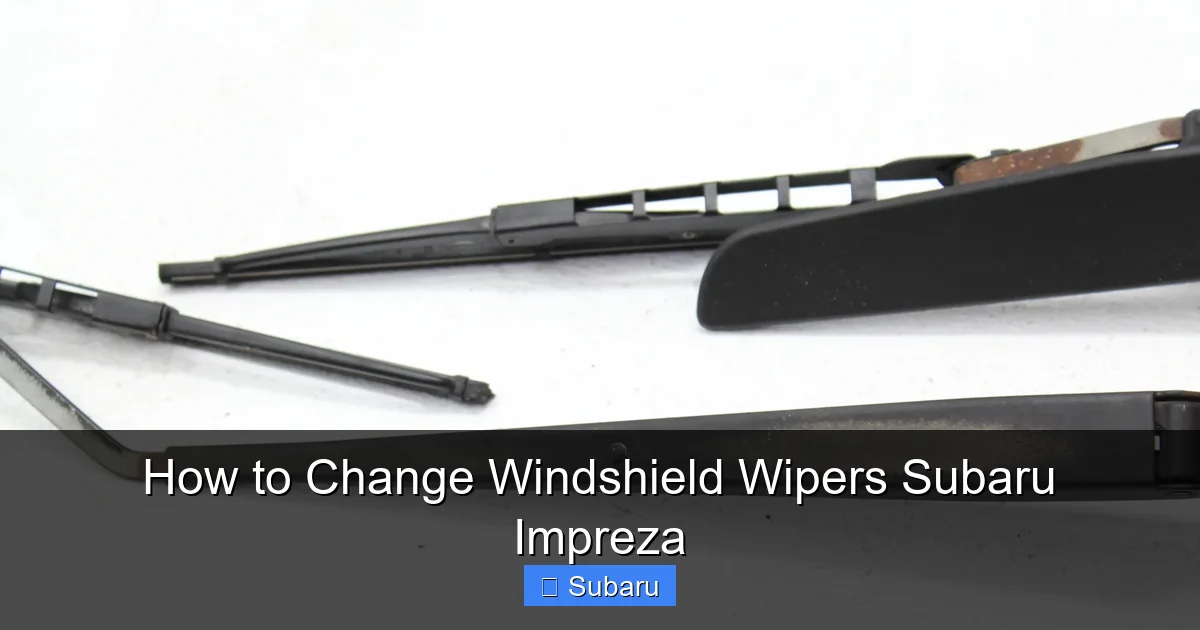
Visual guide about How to Change Windshield Wipers Subaru Impreza
Image source: subieautoparts.com
Knowing when to change your wipers is just as important as knowing how. Waiting too long can compromise your safety, while replacing them too early wastes money. So, how do you tell it’s time?
One of the most obvious signs is streaking. If you notice thin lines or smudges across your windshield after using the wipers, the rubber is likely worn. Another common issue is skipping—when the blade jumps or bounces instead of gliding smoothly. This often happens when the blade has lost its flexibility or developed flat spots from sitting in one position for too long.
Chattering or squeaking noises during operation are also red flags. These sounds usually mean the rubber is hardened or the blade isn’t making even contact with the glass. In colder climates, ice buildup can accelerate wear, especially if you’ve been using the wipers to scrape frost. And don’t forget visual inspection: look for cracks, tears, or missing chunks in the rubber. Even if the wipers seem to work fine, UV exposure from the sun degrades rubber over time—typically within 6 to 12 months.
A simple test is the “paper towel test.” Wet your windshield lightly, turn on the wipers, and place a dry paper towel over the wiped area. If it tears or leaves residue, the blades aren’t cleaning effectively. For Impreza drivers in rainy regions like the Pacific Northwest or snowy areas like upstate New York, replacing wipers twice a year—once before winter and once before spring—is a smart habit.
Choosing the Right Wiper Blades for Your Subaru Impreza
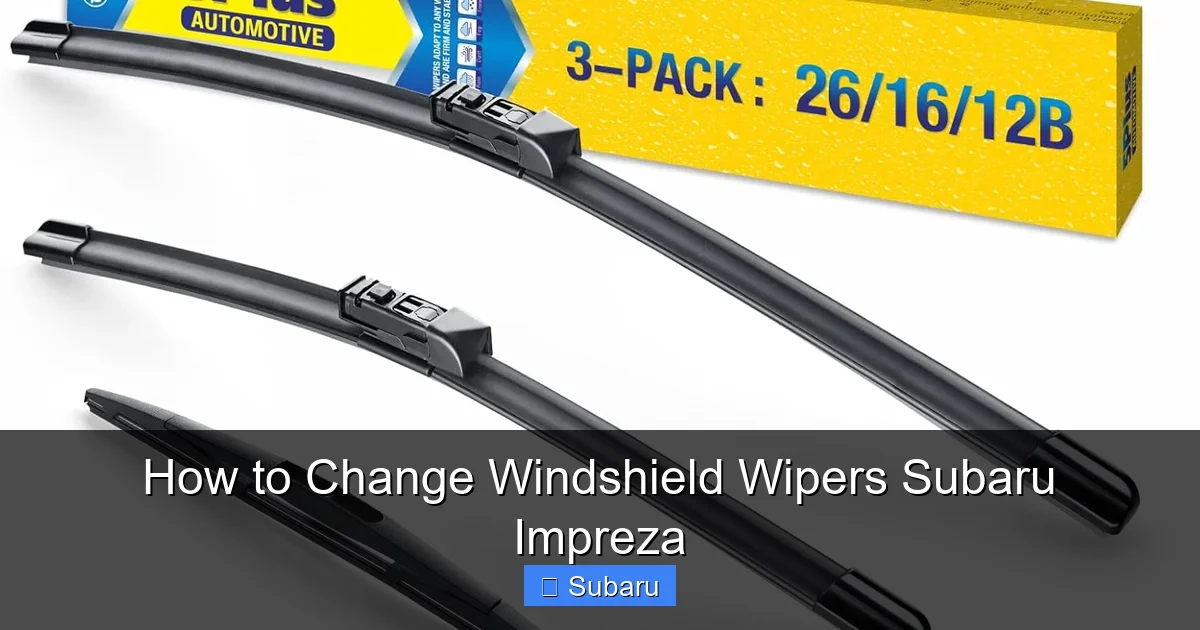
Visual guide about How to Change Windshield Wipers Subaru Impreza
Image source: m.media-amazon.com
Not all wiper blades are created equal, and using the wrong size or type can lead to poor performance or even damage. The first step is identifying your Impreza’s model year, as blade sizes and connector types have evolved over time.
Most Subaru Imprezas from 2002 to 2016 use a 26-inch driver-side blade and a 16-inch passenger-side blade. However, some earlier models (like the 2002–2004 WRX) may use a 24-inch driver blade, so it’s always best to double-check. Starting in 2017, the Impreza received a redesign, and while the sizes remained similar (26″ and 16″), the connector type changed slightly to a more secure top-lock J-hook design.
Understanding Wiper Blade Connectors
The connector is the part that attaches the blade to the wiper arm. Subaru Imprezas typically use one of two types: the traditional J-hook or a pin-style connector. The J-hook is the most common—it looks like a curved metal hook that slides into the blade. Newer models use a variation called the “top-lock” J-hook, which has a small plastic tab that clicks into place for extra security.
Pin-style connectors are less common but appear on some older Imprezas and performance variants. These use a small pin that fits into a hole on the blade. If you’re unsure which type your car uses, look at the existing blade or consult your owner’s manual. Most auto parts stores also have lookup tools where you can enter your VIN or model details to find the correct fit.
OEM vs. Aftermarket Blades
Subaru offers OEM (Original Equipment Manufacturer) wiper blades designed specifically for the Impreza. These are guaranteed to fit perfectly and often come with a warranty. However, they can be more expensive than aftermarket options.
High-quality aftermarket brands like Bosch Icon, Rain-X Latitude, and Michelin Stealth Ultra offer excellent performance at a lower price. These blades often feature advanced rubber compounds, aerodynamic designs, and built-in spoilers to reduce lift at high speeds—great for the Impreza’s sporty handling. Some even come with a lifetime warranty.
When choosing blades, consider your driving conditions. If you live in a snowy area, look for winter-specific blades with a protective boot to prevent ice buildup. For rainy climates, beam-style blades (which use a single piece of rubber with internal tension) provide even pressure and better contact with curved windshields.
Blade Material Matters
Most modern blades use synthetic rubber or silicone. Traditional rubber is affordable and works well in moderate climates, but it degrades faster under extreme heat or cold. Silicone blades, like those from PIAA, last longer and perform better in freezing temperatures. They also repel water more effectively, creating a “water beading” effect that improves visibility.
While silicone blades cost more upfront, their longevity can make them cost-effective over time. However, they may not be necessary if you live in a mild climate and replace blades annually.
Tools and Supplies You’ll Need
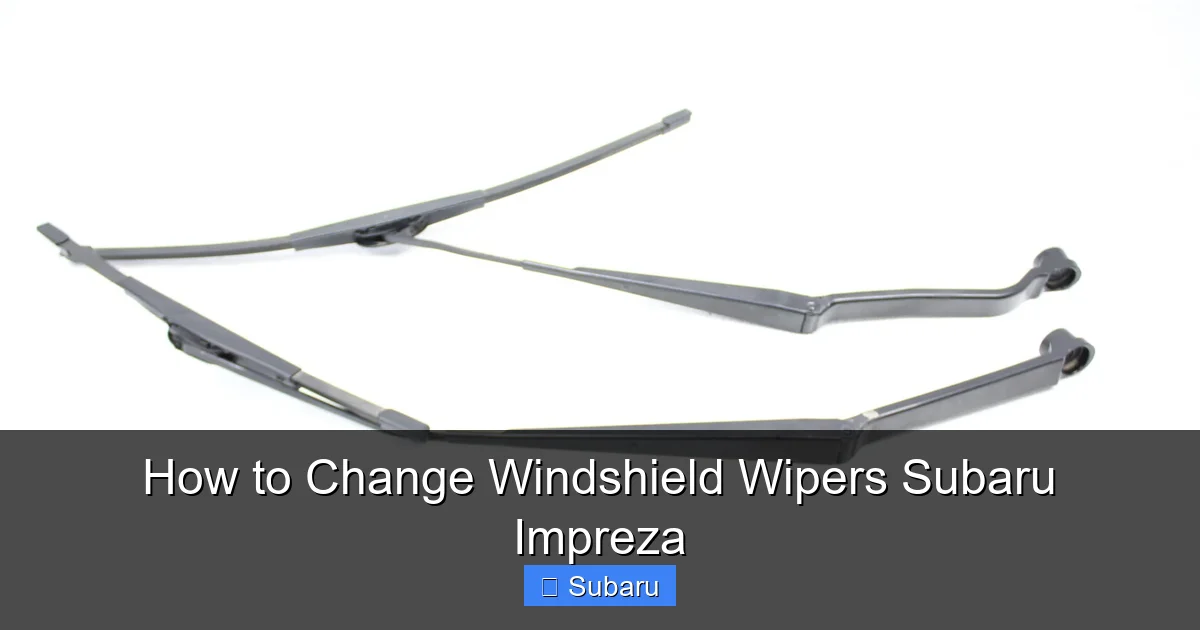
Visual guide about How to Change Windshield Wipers Subaru Impreza
Image source: subieautoparts.com
The beauty of changing wiper blades on a Subaru Impreza is that you don’t need much. In fact, you might already have everything at home.
Here’s what you’ll need:
– New wiper blades (correct size and connector type)
– A soft cloth or towel
– Optional: gloves (to keep hands clean)
– Optional: glass cleaner and paper towels (for post-installation cleaning)
You don’t need wrenches, screwdrivers, or any special tools. The entire process relies on simple clips and hooks designed for easy removal. However, having a towel handy is wise—it protects your windshield and hood in case a wiper arm snaps back unexpectedly.
If you’re replacing blades in cold weather, let the car sit in a garage or warm area for a bit. Cold rubber is stiffer and more prone to tearing during removal. Also, avoid spraying glass cleaner directly on the wiper arms—some chemicals can degrade the rubber over time.
Step-by-Step Guide to Changing Windshield Wipers on a Subaru Impreza
Now for the main event: replacing your wiper blades. Follow these steps carefully, and you’ll be done in under 15 minutes.
Step 1: Prepare Your Vehicle
Start by turning off the ignition and ensuring the wipers are in the “off” position. If your Impreza has a “service” or “maintenance” mode for the wipers (available on some 2017+ models), activate it. This lifts the wiper arms slightly away from the windshield, making removal easier. If your model doesn’t have this feature, no worries—you can manually lift the arms.
To do this, gently pull the wiper arm away from the windshield until it locks into an upright position. Be careful not to force it—there’s a hinge mechanism that allows it to pivot. Place a soft towel on the edge of the windshield or hood to protect the paint in case the arm slips.
Step 2: Remove the Old Wiper Blade
Now, focus on the blade itself. Look at the connection point where the blade meets the arm. On most Imprezas, you’ll see a small plastic tab or button near the base of the blade.
For J-hook connectors:
– Press the small tab (usually on the underside of the blade) and slide the blade downward, away from the hook.
– The blade should release easily. If it’s stuck, wiggle it gently while pressing the tab.
For top-lock J-hook connectors (common on 2017+ models):
– Look for a small plastic lever on the top of the blade.
– Push or slide this lever to unlock the blade, then pull it straight down.
For pin-style connectors:
– Locate the small pin on the arm.
– Squeeze the sides of the blade’s connector and pull it off the pin.
Once the old blade is off, set it aside. Avoid letting the wiper arm snap back onto the windshield—it could crack the glass.
Step 3: Install the New Wiper Blade
Take your new blade and align it with the wiper arm. Make sure you’re installing the correct blade on the correct side—driver and passenger blades are often different lengths and may have slight design variations.
For J-hook and top-lock connectors:
– Slide the new blade onto the hook or into the connector.
– You should hear a click when it locks into place. Give it a gentle tug to confirm it’s secure.
For pin-style connectors:
– Align the hole in the blade with the pin on the arm.
– Push firmly until it snaps on.
Repeat the process for the other side. It’s a good idea to replace both blades at the same time, even if one seems fine. This ensures even wear and consistent performance.
Step 4: Lower the Wiper Arms and Test
Once both new blades are installed, carefully lower the wiper arms back onto the windshield. Do this slowly to avoid scratching the glass.
Turn on the ignition and test the wipers. Run them on the lowest setting for a few seconds. Listen for smooth operation—no chattering, skipping, or unusual noises. Check for streaks or missed spots.
If everything looks good, turn off the wipers and clean the windshield with glass cleaner to remove any residue. This also helps the new blades “bed in” properly.
Step 5: Final Checks and Tips
After installation, inspect the blades one more time. Make sure they’re seated correctly and not twisted. A misaligned blade can cause uneven wiping or premature wear.
Also, check the wiper arms themselves. Over time, the springs in the arms can weaken, reducing pressure on the blade. If your new blades still streak or skip, the arms may need adjustment or replacement—though this is rare.
For Impreza owners with rear wipers (hatchback and wagon models), the process is similar but even simpler. The rear wiper usually uses a smaller blade (around 12–14 inches) and a basic pin or J-hook connector. Replacement takes just a minute.
Common Mistakes to Avoid
Even simple tasks can go wrong if you’re not careful. Here are a few common pitfalls and how to avoid them.
Using the Wrong Blade Size
One of the most frequent errors is buying blades that are too long or too short. A blade that’s too long can hit the edge of the windshield or interfere with the washer nozzle. One that’s too short leaves large unwiped areas.
Always double-check your model year and consult a fitment guide. When in doubt, measure the old blade or bring it to the auto parts store for comparison.
Forcing the Blade Off
If the old blade won’t come off, don’t yank it. Forcing it can damage the wiper arm or the connector. Instead, press the release tab firmly and wiggle the blade gently. Sometimes, dirt or corrosion can cause sticking—clean the area with a cloth if needed.
Letting the Arm Snap Back
This is a classic mistake. If the wiper arm snaps back onto the windshield, it can crack the glass, especially in cold weather. Always use a towel as a buffer and lower the arm slowly.
Ignoring the Rear Wiper
Many Impreza owners forget about the rear wiper. But in rain or snow, a clean rear window is just as important for visibility. Replace the rear blade at the same time as the front ones.
Skipping the Test Run
Don’t assume the job is done just because the blades clicked into place. Always test them to ensure smooth operation. A quick test can catch installation errors before they become problems.
Maintaining Your New Wiper Blades
Once your new blades are installed, a little maintenance goes a long way in extending their life.
Clean the Blades Regularly
Dirt, grime, and road film can build up on the rubber, reducing effectiveness. Every few weeks, wipe the blades with a damp cloth or sponge. Avoid using harsh chemicals—mild soap and water work fine.
Keep the Windshield Clean
A dirty windshield forces the wipers to work harder. Regularly clean your glass with a quality glass cleaner to reduce wear on the blades.
Avoid Using Wipers on Dry Glass
Never run the wipers on a dry windshield. This creates friction that wears down the rubber quickly. If you need to clear dust or pollen, use the washer fluid first.
Park in the Shade or Use a Windshield Cover
UV rays from the sun degrade rubber over time. Parking in a garage or using a windshield sunshade can help prolong blade life.
Lift Wipers in Winter
In snowy or icy conditions, lift the wiper arms away from the windshield when parked. This prevents the blades from freezing to the glass and makes it easier to clear snow.
Conclusion
Changing the windshield wipers on your Subaru Impreza is a simple, rewarding task that enhances your safety and driving experience. With the right blades, a few minutes of your time, and this guide, you can keep your visibility crystal clear in any weather. Whether you’re navigating a rainy commute in Seattle or a snowy mountain pass in Colorado, reliable wipers make all the difference.
Don’t wait for a storm to reveal worn-out blades. Make wiper replacement part of your regular maintenance routine—every 6 to 12 months, or at the first sign of wear. Your Impreza is built for performance and reliability, and that includes the small details like wiper blades. Take care of them, and they’ll take care of you.
Frequently Asked Questions
How often should I replace the windshield wipers on my Subaru Impreza?
It’s recommended to replace your wiper blades every 6 to 12 months, depending on climate and usage. If you notice streaking, skipping, or noise, replace them immediately.
Can I use any wiper blades on my Subaru Impreza?
No, you should use blades that match your Impreza’s size and connector type. Most models use 26″ (driver) and 16″ (passenger) blades with J-hook or top-lock connectors.
Do I need special tools to change the wipers?
No special tools are needed. The process uses simple clips and hooks designed for easy removal and installation.
What if my wiper arm snaps back and hits the windshield?
This can crack the glass, especially in cold weather. Always use a towel as a buffer and lower the arm slowly after installation.
Should I replace both wiper blades at the same time?
Yes, replacing both blades ensures even wear and consistent performance, even if one appears to be in better condition.
Are OEM wiper blades better than aftermarket ones?
OEM blades offer a perfect fit, but high-quality aftermarket brands like Bosch or Rain-X often provide better performance and value.
