
How to Reset Tire Pressure Light on Subaru Outback

Resetting the tire pressure light on your Subaru Outback is simple and can be done in minutes using the TPMS reset button or infotainment system. This guide covers all model years, troubleshooting tips, and when to seek professional help.
Key Takeaways
- Locate the TPMS reset button: Usually found under the steering wheel or near the fuse panel, this button is key to resetting the light.
- Ensure proper tire pressure: Always check and adjust tire pressure to the recommended PSI before attempting a reset.
- Use the infotainment system (2015+ models): Newer Outbacks allow reset via the vehicle settings menu on the touchscreen.
- Drive the vehicle after reset: A short drive helps the system recalibrate and confirm the reset was successful.
- Check for sensor issues: If the light returns, one or more TPMS sensors may be faulty or need replacement.
- Seasonal changes matter: Cold weather can lower tire pressure and trigger the light—regular checks are essential.
- Consult the owner’s manual: Always refer to your specific model’s manual for accurate instructions and specifications.
📑 Table of Contents
Why the Tire Pressure Light Comes On in Your Subaru Outback
You’re cruising down the highway in your Subaru Outback, enjoying the smooth ride and scenic views, when suddenly—bam—a yellow warning light pops up on your dashboard. It looks like a flat tire with an exclamation point inside. That’s the Tire Pressure Monitoring System (TPMS) light, and it’s trying to tell you something important.
The TPMS light is designed to alert you when one or more of your tires are significantly underinflated—typically 25% below the recommended pressure. This isn’t just a minor annoyance; low tire pressure can reduce fuel efficiency, increase tire wear, and even lead to dangerous blowouts, especially at high speeds. Subaru takes safety seriously, and the Outback’s TPMS is a key part of that commitment.
But here’s the thing: the light doesn’t always mean you have a flat tire. Sometimes, it’s triggered by seasonal temperature changes. Cold weather causes air to contract, lowering tire pressure. Even a drop of 10°F in ambient temperature can reduce tire pressure by 1–2 PSI. So if you wake up on a chilly morning and see the TPMS light, it might just be Mother Nature doing her thing.
Other common causes include a slow leak, a faulty TPMS sensor, or simply forgetting to reset the system after inflating your tires. The good news? In most cases, you can reset the tire pressure light on your Subaru Outback yourself—no mechanic required. This guide will walk you through every step, from checking your tire pressure to completing the reset, whether you drive a 2008 model or a brand-new 2024 Outback.
Understanding the Subaru Outback TPMS System
Before we dive into the reset process, it’s important to understand how the TPMS works in your Subaru Outback. The system uses sensors mounted inside each tire (usually attached to the valve stem) to monitor air pressure in real time. These sensors transmit data wirelessly to the vehicle’s onboard computer, which then displays warnings on the dashboard if pressure drops below safe levels.
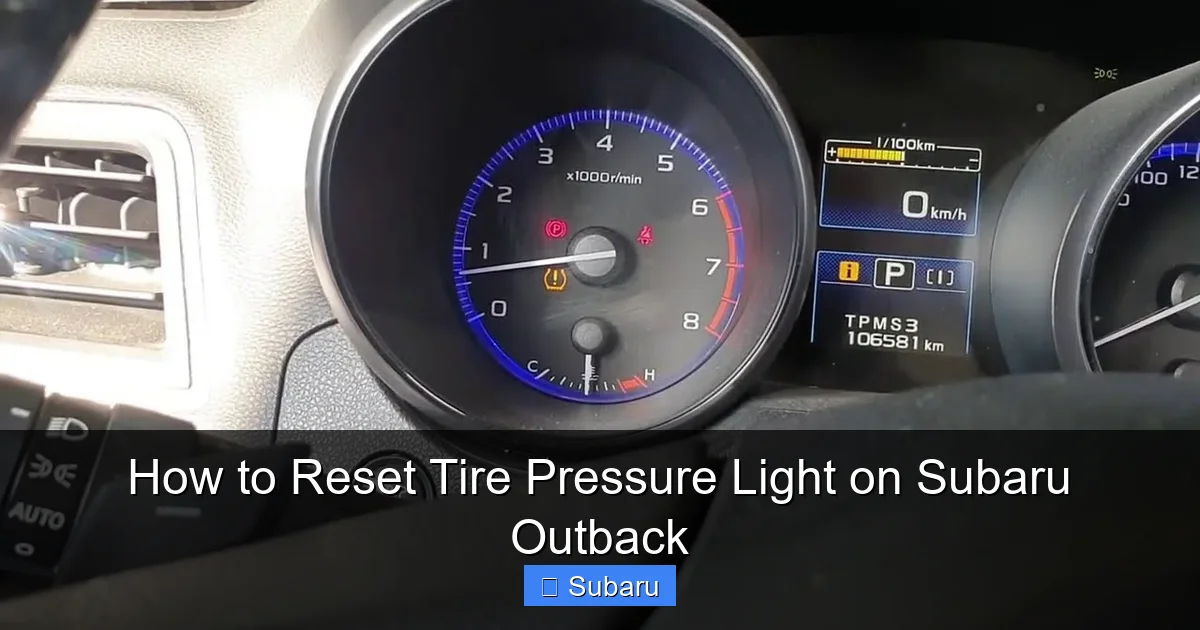
Visual guide about How to Reset Tire Pressure Light on Subaru Outback
Image source: i.ytimg.com
Direct vs. Indirect TPMS
Subaru Outbacks use a direct TPMS, meaning each tire has its own physical sensor that measures pressure directly. This is more accurate than indirect systems, which estimate pressure based on wheel speed differences (common in older vehicles). Direct TPMS gives you precise readings and can even tell you which specific tire is low—super helpful when you’re trying to diagnose the issue.
Sensor Battery Life and Maintenance
Each TPMS sensor is powered by a small battery that typically lasts 5–10 years. Once the battery dies, the sensor will stop transmitting data, and the TPMS light may stay on or flash intermittently. Unfortunately, these batteries aren’t replaceable—you’ll need to replace the entire sensor. If your Outback is more than 7 years old and the light won’t reset, a dead sensor could be the culprit.
Location of TPMS Sensors
The sensors are located inside the tire, attached to the wheel rim near the valve stem. This means you’ll need to remove the tire to access them for replacement or repair. Most tire shops can handle this, but it’s good to know where they are in case you ever need service.
TPMS Light Behavior
Pay attention to how the light behaves:
- Solid yellow light: One or more tires are underinflated.
- Flashing light (then stays on): Indicates a system malfunction, such as a dead sensor or communication error.
If the light flashes for about a minute when you start the car and then stays on, it’s likely a sensor issue, not low pressure.
Step-by-Step Guide to Reset the Tire Pressure Light
Now that you understand how the system works, let’s get that light turned off. The process varies slightly depending on your Outback’s model year, but the core steps are similar. We’ll cover both older models (2008–2014) and newer ones (2015–2024).
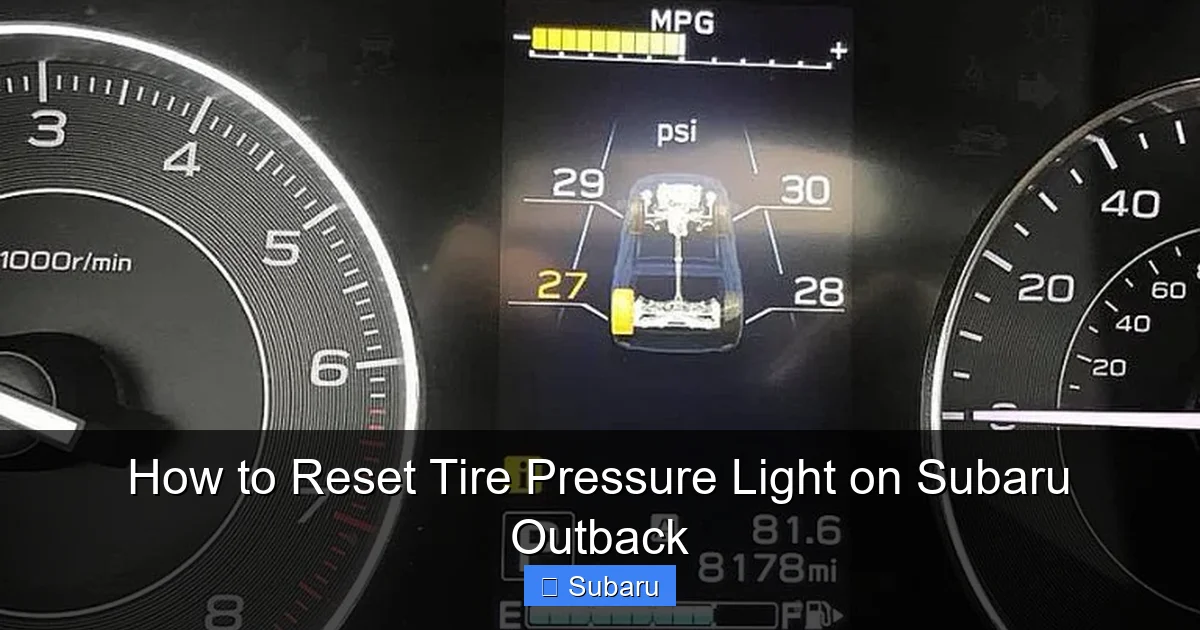
Visual guide about How to Reset Tire Pressure Light on Subaru Outback
Image source: wheelsjoint.com
Step 1: Check and Adjust Tire Pressure
Before resetting, make sure all four tires are inflated to the correct pressure. You can find the recommended PSI on a sticker inside the driver’s side door jamb or in your owner’s manual. For most Outbacks, it’s around 32–35 PSI for normal driving.
Use a reliable tire pressure gauge to check each tire. Don’t rely on the gas station air pump’s built-in gauge—they’re often inaccurate. If any tire is low, inflate it to the correct level. Don’t forget the spare tire if your model has a TPMS sensor in it (some do, some don’t).
Step 2: Locate the TPMS Reset Button (2008–2014 Models)
For older Outbacks, the reset process involves a physical button. Here’s how to find it:
- Turn the ignition to the “ON” position (don’t start the engine).
- Look under the steering column, near the fuse panel or dashboard.
- You’re looking for a small button labeled “TPMS” or “SET”—it’s usually black or gray.
If you can’t find it, check your owner’s manual—some models hide it behind a panel or under the glove box.
Step 3: Press and Hold the Reset Button
Once you’ve found the button:
- Press and hold it for about 3–5 seconds.
- You should see the TPMS light blink three times, then stay off.
- If it doesn’t blink, try again—sometimes it takes a few attempts.
This tells the system that you’ve corrected the pressure and it’s time to recalibrate.
Step 4: Drive the Vehicle
After resetting, drive your Outback for at least 10–15 minutes at speeds above 30 mph. This allows the TPMS sensors to relearn the correct pressure readings and confirm the reset was successful. The light should stay off once the system recalibrates.
Alternative Method: Using the Infotainment System (2015–2024 Models)
Newer Outbacks (2015 and later) often allow you to reset the TPMS light through the touchscreen infotainment system. Here’s how:
- Turn the ignition to “ON” or start the engine.
- Press the “Home” button on the touchscreen.
- Navigate to “Settings” > “Vehicle” > “Tire Pressure Monitor.”
- Select “Reset” or “Initialize.”
- Confirm the reset when prompted.
The screen may display a message like “TPMS reset complete” or “System initializing.” Again, drive the vehicle afterward to complete the process.
What If the Light Won’t Turn Off?
If the light comes back on after resetting, double-check your tire pressures. If they’re correct, the issue might be a faulty sensor, a dead battery in the sensor, or a wiring problem. In that case, it’s best to visit a Subaru dealership or trusted mechanic for diagnostics.
Troubleshooting Common TPMS Issues
Even with the best intentions, things don’t always go smoothly. Here are some common problems and how to fix them.
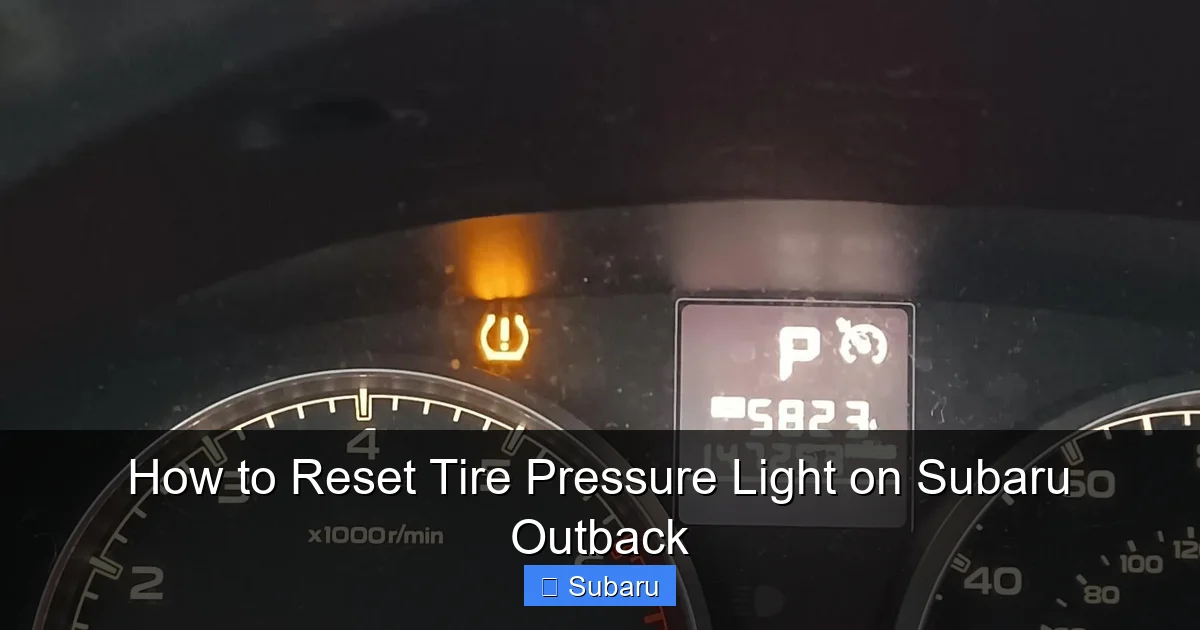
Visual guide about How to Reset Tire Pressure Light on Subaru Outback
Image source: i.redd.it
TPMS Light Flashes Then Stays On
A flashing TPMS light usually means the system has detected a malfunction—like a dead sensor or communication error. This isn’t about low pressure; it’s about the system itself. Try resetting it once. If the light continues to flash, have the sensors checked. A professional scan tool can read error codes and pinpoint the faulty sensor.
Only One Tire Shows Low Pressure
If the dashboard display shows one tire is low (on models with individual tire readouts), focus on that tire. Check for punctures, leaks, or a damaged valve stem. Sometimes, the valve core can loosen over time. Use a valve core tool to tighten it or replace it if necessary.
TPMS Light Comes On After Tire Rotation or Replacement
After rotating tires or replacing a tire, the TPMS sensors may need to be “relearned” so the system knows which sensor corresponds to which wheel position. Some shops do this automatically, but if not, you may need to reset the system manually or use a TPMS relearn tool.
Cold Weather and the TPMS Light
As mentioned earlier, cold weather is a frequent trigger. If the light comes on during winter, inflate your tires to the recommended PSI when they’re cold (before driving). Then reset the system and drive for 10–15 minutes. The light should go off as the system recalibrates.
Spare Tire and TPMS
Some Outback models have a TPMS sensor in the spare tire. If you’ve used the spare and the light won’t reset, check the spare’s pressure. If it’s low or the sensor is dead, it could be causing the issue. Not all models include a spare with TPMS, so check your owner’s manual.
When to Seek Professional Help
While most TPMS resets are DIY-friendly, there are times when you should leave it to the pros.
Persistent Warning Light
If the light won’t turn off after multiple resets and correct tire pressures, there’s likely a hardware issue. A dead sensor battery, damaged sensor, or wiring problem may require professional diagnosis and replacement.
Multiple Sensors Failing
If more than one sensor is malfunctioning, it could indicate a broader issue with the TPMS receiver or antenna. A Subaru technician can run a full system scan and recommend repairs.
After Tire Replacement
When replacing tires, especially with aftermarket wheels, the TPMS sensors may need to be transferred or reprogrammed. Some wheels aren’t compatible with Subaru’s sensors, so a shop can ensure everything is set up correctly.
Software Updates
Occasionally, Subaru releases software updates for the TPMS system. If you’re experiencing unusual behavior, a dealership can check if your vehicle needs an update.
Tips for Maintaining Your TPMS System
Prevention is better than cure. Here are some tips to keep your TPMS working smoothly and avoid unnecessary warning lights.
Check Tire Pressure Monthly
Make it a habit to check your tire pressure at least once a month, especially during seasonal changes. Use a quality gauge and check when tires are cold for the most accurate reading.
Inspect Valve Stems
Damaged or corroded valve stems can cause slow leaks. During tire rotations or inspections, ask your mechanic to check the valve stems and replace them if needed.
Use Nitrogen (Optional)
Some drivers prefer filling tires with nitrogen instead of air. Nitrogen molecules are larger and less prone to leakage, which can help maintain consistent pressure. It’s not necessary, but it’s an option for those who want extra stability.
Keep Sensors Clean
Dirt, salt, and debris can build up around the valve stem and sensor. When washing your car, gently clean around the wheels to prevent corrosion.
Replace Sensors Proactively
If your Outback is over 7 years old, consider replacing TPMS sensors as part of routine maintenance. It’s cheaper than dealing with a sudden failure on the road.
Conclusion
Resetting the tire pressure light on your Subaru Outback doesn’t have to be stressful. With the right knowledge and a few simple tools, you can handle it yourself in under 15 minutes. Whether you’re using the physical reset button on an older model or navigating the touchscreen on a newer one, the process is straightforward once you know what to do.
Remember: the TPMS light is there to keep you safe. Don’t ignore it. Always check your tire pressure first, reset the system properly, and drive for a short distance to confirm the reset. If the light persists, it’s time to dig deeper—or visit a professional.
By staying proactive with tire maintenance and understanding how your Outback’s TPMS works, you’ll enjoy better fuel economy, longer tire life, and a safer ride. So the next time that little yellow light pops up, you’ll know exactly what to do—no panic, no guesswork, just confidence behind the wheel.
Frequently Asked Questions
How do I reset the tire pressure light on a 2010 Subaru Outback?
Turn the ignition to “ON,” locate the TPMS reset button under the steering column, press and hold it for 3–5 seconds until the light blinks three times, then drive the vehicle for 10–15 minutes to complete the reset.
Why does my Subaru Outback TPMS light keep coming back on?
The light may return if tire pressure is still low, a sensor battery is dead, or there’s a system malfunction. Check all tire pressures and consider having the sensors inspected if the issue persists.
Can I reset the TPMS light without driving the car?
No, driving is essential. The system needs to recalibrate by detecting wheel speed and sensor signals during motion. A short drive at 30+ mph ensures the reset is confirmed.
Do I need special tools to reset the tire pressure light?
No special tools are needed for most models. Older Outbacks use a reset button, while newer ones use the infotainment system. A tire pressure gauge is helpful but not required for the reset itself.
What PSI should my Subaru Outback tires be?
The recommended tire pressure for most Subaru Outbacks is 32–35 PSI for normal driving. Check the sticker on the driver’s door jamb for the exact specification for your model and tire size.
Can a dead TPMS sensor cause the light to stay on?
Yes, a dead or faulty TPMS sensor can prevent the system from receiving pressure data, causing the light to stay on or flash. Replacement is usually required if the sensor battery has died.
