
How Much Can a Hyundai Tucson Tow?

The Hyundai Tucson has a towing capacity ranging from 1,500 to 2,000 pounds depending on the model year, engine, and drivetrain. With proper equipment and configuration, it can handle small trailers, kayaks, or jet skis with ease—making it a versatile compact SUV for light-duty towing needs.
Key Takeaways
- Towing capacity varies by model year and engine: Older models (2010–2015) typically tow up to 1,500 lbs, while newer models (2016–2024) can reach up to 2,000 lbs with the right setup.
- Engine and drivetrain matter: The 2.0L and 2.4L four-cylinder engines offer solid performance, but only select trims with all-wheel drive (AWD) and factory tow packages unlock maximum towing.
- Factory tow package is recommended: This includes a transmission cooler, wiring harness, and hitch receiver—essential for safe and legal towing.
- Payload and tongue weight limits are important: Always check your vehicle’s payload capacity (usually around 1,200–1,400 lbs) and keep tongue weight at 10–15% of total trailer weight.
- Real-world towing examples: The Tucson can tow small pop-up campers, utility trailers, or watercraft like kayaks and jet skis—but not large RVs or boats.
- Maintenance is key: Regular oil changes, brake inspections, and transmission checks help maintain towing performance and safety.
- Check local laws: Towing regulations vary by state—some require brake controllers or special licenses for heavier loads.
📑 Table of Contents
- How Much Can a Hyundai Tucson Tow?
- Understanding Towing Capacity: What It Really Means
- Hyundai Tucson Towing Capacity by Model Year
- What Affects the Tucson’s Towing Performance?
- Real-World Towing Examples: What Can You Actually Tow?
- How to Prepare Your Hyundai Tucson for Towing
- Maintenance Tips for Towing with Your Tucson
- Conclusion: Is the Hyundai Tucson Right for Your Towing Needs?
How Much Can a Hyundai Tucson Tow?
If you’re considering buying a Hyundai Tucson or already own one and are wondering whether it can handle towing a small trailer, camper, or boat, you’re not alone. The Hyundai Tucson is one of the most popular compact SUVs on the market, praised for its stylish design, comfortable ride, and strong safety ratings. But when it comes to towing, many drivers are left asking: “Just how much can a Hyundai Tucson tow?”
The short answer? It depends. The towing capacity of a Hyundai Tucson varies significantly based on the model year, engine type, drivetrain, and whether it’s equipped with a factory-installed tow package. In general, you can expect towing capacities between 1,500 and 2,000 pounds. While that might not sound like a lot compared to full-size trucks or SUVs, it’s more than enough for many everyday towing needs—like hauling a small utility trailer, a couple of kayaks, or a lightweight pop-up camper.
But before you hook up and hit the road, it’s important to understand the details. Towing isn’t just about how much weight your vehicle can pull—it’s also about safety, legality, and proper preparation. In this guide, we’ll break down everything you need to know about towing with a Hyundai Tucson, from specs and configurations to real-world examples and maintenance tips. Whether you’re planning a weekend camping trip or need to move some landscaping materials, this article will help you tow safely and confidently.
Understanding Towing Capacity: What It Really Means
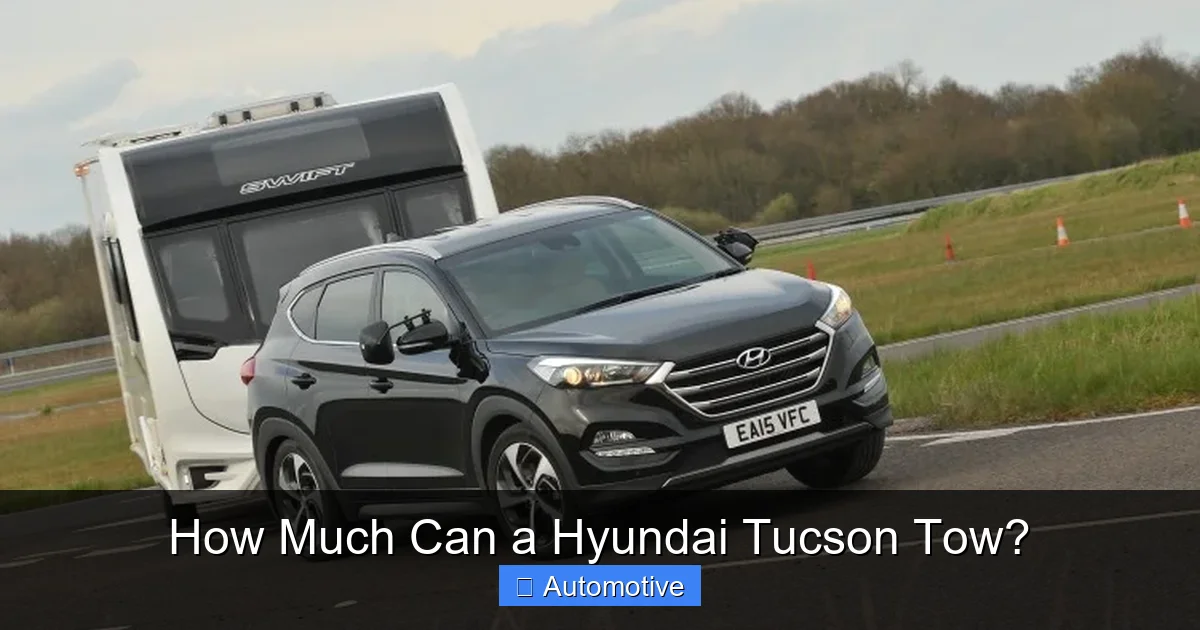
Visual guide about How Much Can a Hyundai Tucson Tow?
Image source: thetowcarawards.com
Before diving into the numbers, let’s clarify what “towing capacity” actually means. Towing capacity is the maximum weight your vehicle can safely pull behind it, including the trailer, cargo, passengers, and any additional gear. It’s not just a random number—it’s determined by Hyundai engineers based on the vehicle’s frame strength, engine power, transmission durability, cooling systems, and braking capability.
It’s crucial to note that towing capacity isn’t the same as payload capacity. Payload refers to how much weight your vehicle can carry inside—passengers, luggage, and gear. For the Hyundai Tucson, payload typically ranges from 1,200 to 1,400 pounds, depending on the trim and options. If you’re towing, you need to account for both the trailer weight and the weight of everything inside the vehicle.
Another key term is “tongue weight,” which is the downward force exerted by the trailer on the hitch. Experts recommend keeping tongue weight at 10–15% of the total trailer weight. For example, if you’re towing a 1,500-pound trailer, the tongue weight should be between 150 and 225 pounds. Too much tongue weight can cause the rear of the vehicle to sag and affect steering, while too little can make the trailer sway.
Why Towing Capacity Varies by Model
Not all Hyundai Tucson models are created equal when it comes to towing. The towing capacity has evolved over the years as Hyundai updated the platform, engines, and available features. For instance, early models (2010–2015) were more limited in their towing capabilities, while newer generations (2016–2024) offer improved performance and higher capacities.
One of the biggest factors is the engine. The Tucson has been offered with several four-cylinder engines over the years, including the 2.0L, 2.4L, and more recently, a turbocharged 1.6L hybrid or plug-in hybrid option. While the 2.0L and 2.4L engines are capable, they’re not designed for heavy-duty towing. The turbocharged and hybrid variants offer better torque and efficiency, but even they are best suited for light to moderate loads.
Drivetrain also plays a role. Front-wheel drive (FWD) models generally have lower towing capacities than all-wheel drive (AWD) versions. AWD provides better traction and stability, especially when starting from a stop or driving on wet or uneven terrain—important when towing.
Hyundai Tucson Towing Capacity by Model Year
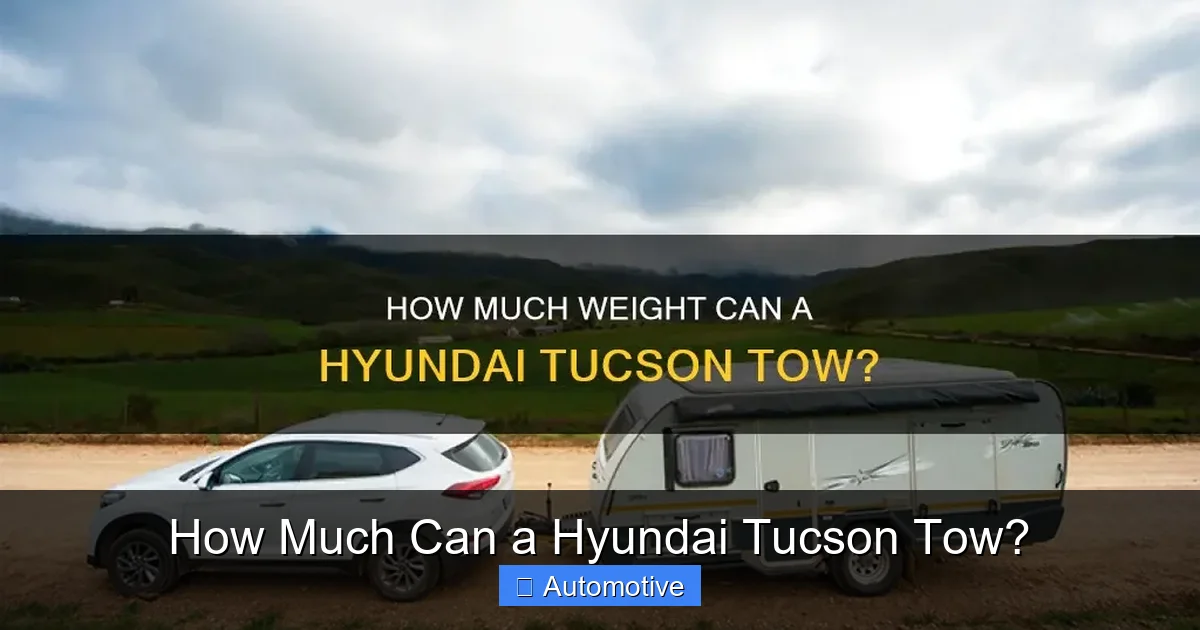
Visual guide about How Much Can a Hyundai Tucson Tow?
Image source: shunauto.com
Let’s break down the towing capacity of the Hyundai Tucson by generation and model year. This will help you understand what your specific vehicle can handle.
First Generation (2005–2009)
The original Hyundai Tucson was a compact SUV built on a car platform, offering modest power and capability. These early models came with either a 2.0L or 2.7L V6 engine. While the V6 offered more power, towing capacity was still limited.
– Towing capacity: Up to 1,500 pounds (with proper equipment)
– Engine options: 2.0L inline-4 or 2.7L V6
– Drivetrain: FWD or AWD
– Notes: No factory tow package available; aftermarket hitch required
These models are best suited for very light towing, such as small utility trailers or single kayaks. Due to their age and lack of modern towing aids, they’re not recommended for frequent or heavy towing.
Second Generation (2010–2015)
The second-generation Tucson introduced a more refined design and improved engines. The 2.0L and 2.4L four-cylinder engines became standard, with the 2.4L offering better performance.
– Towing capacity: 1,500 pounds (FWD), up to 2,000 pounds (AWD with tow package)
– Engine options: 2.0L or 2.4L inline-4
– Drivetrain: FWD or AWD
– Notes: Factory tow package available on select trims (e.g., Limited AWD)
This generation marked a turning point for towing. With the addition of a factory tow package—including a transmission cooler, wiring harness, and Class II hitch—AWD models could safely tow up to 2,000 pounds. That’s enough for a small pop-up camper, a lightweight boat, or a two-person ATV trailer.
Third Generation (2016–2021)
The third-generation Tucson brought a complete redesign, with a more modern look, better fuel economy, and enhanced safety features. Engine options included the 2.0L, 2.4L, and a new 1.6L turbocharged engine.
– Towing capacity: 1,500 pounds (FWD), 2,000 pounds (AWD with tow package)
– Engine options: 2.0L, 2.4L, or 1.6L turbo
– Drivetrain: FWD or AWD
– Notes: Tow package available on SEL, Sport, and Limited trims
The 1.6L turbo engine, while smaller, delivered impressive torque (195 lb-ft) and made towing feel more responsive. However, Hyundai still capped the towing capacity at 2,000 pounds for AWD models with the tow package. FWD models remained limited to 1,500 pounds.
Fourth Generation (2022–2024)
The latest Tucson features a bold new design, advanced technology, and hybrid powertrains. It’s available with a 2.5L four-cylinder, a 1.6L turbo hybrid, or a 1.6L plug-in hybrid (PHEV).
– Towing capacity: 1,500 pounds (FWD), 2,000 pounds (AWD with tow package)
– Engine options: 2.5L, 1.6L turbo hybrid, 1.6L PHEV
– Drivetrain: FWD or AWD
– Notes: Tow package available on SEL Convenience, XRT, and Limited trims
Despite the new hybrid engines offering excellent efficiency and performance, Hyundai has kept the towing capacity consistent with previous models. The 2,000-pound limit applies only to AWD models equipped with the factory tow package. The PHEV, while powerful, is not recommended for frequent towing due to added weight and complexity.
What Affects the Tucson’s Towing Performance?
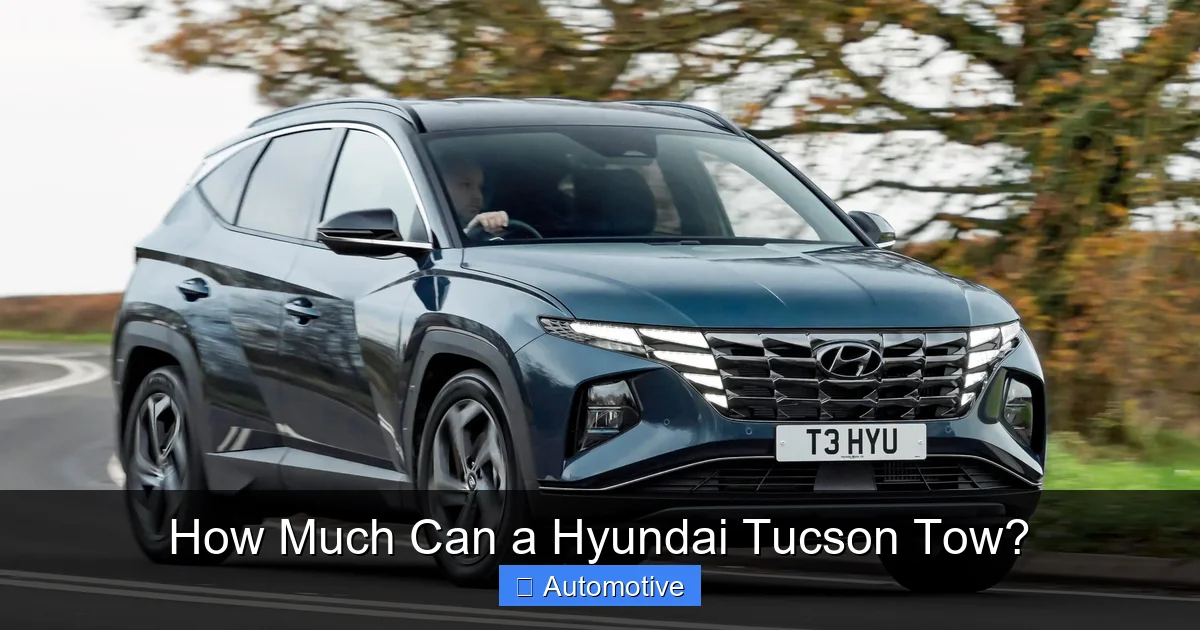
Visual guide about How Much Can a Hyundai Tucson Tow?
Image source: images.autodaily.com.au
While the numbers give you a baseline, real-world towing performance depends on several factors. Let’s explore what can impact how well your Tucson handles a trailer.
Engine and Transmission
The engine is the heart of towing capability. The Tucson’s 2.4L and 1.6L turbo engines offer decent torque, which is essential for accelerating with a load. However, they’re not built for sustained heavy pulling. The automatic transmission is generally reliable, but towing puts extra strain on it—especially in hot weather or on steep grades.
That’s why a transmission cooler is a must-have when towing. It helps prevent overheating, which can lead to premature wear or failure. The factory tow package includes this component, but if you’re using an aftermarket setup, make sure to install one.
Drivetrain and Traction
All-wheel drive (AWD) significantly improves towing stability, especially in adverse conditions. AWD helps distribute power to all four wheels, reducing the chance of wheel spin when starting from a stop or climbing a hill. If you plan to tow regularly or in areas with rain, snow, or gravel, AWD is highly recommended.
Front-wheel drive (FWD) models can still tow, but they’re more prone to traction loss and may struggle on inclines. They’re best suited for flat terrain and light loads.
Braking and Suspension
Towing increases the total weight your vehicle must stop. The Tucson’s standard brakes are adequate for light towing, but they can overheat during prolonged downhill driving. If you’re towing in mountainous areas, consider using lower gears to engine brake and reduce brake wear.
The suspension also plays a role. The Tucson’s suspension is tuned for comfort, not heavy loads. When towing, the rear may sag, affecting handling and headlight alignment. A weight-distributing hitch can help level the vehicle and improve stability.
Cooling and Fluids
Towing generates extra heat in the engine, transmission, and exhaust system. Make sure your coolant, transmission fluid, and engine oil are at the correct levels and in good condition. Overheating is a common cause of towing-related breakdowns.
Check your owner’s manual for recommended service intervals when towing. Hyundai suggests more frequent oil changes and inspections if you tow regularly.
Real-World Towing Examples: What Can You Actually Tow?
Now that we’ve covered the specs, let’s look at what you can realistically tow with a Hyundai Tucson. Remember, the goal is to stay within the 1,500–2,000-pound limit while accounting for passengers, cargo, and tongue weight.
Small Utility Trailers
A typical 4×6 or 5×8 utility trailer weighs around 500–700 pounds empty. Loaded with landscaping materials, furniture, or tools, it can easily reach 1,200–1,500 pounds. This is well within the Tucson’s towing range, especially for AWD models.
Example: Moving mulch, firewood, or a few pieces of patio furniture. Just make sure to distribute the weight evenly and secure the load properly.
Pop-Up Campers
Lightweight pop-up campers are a popular choice for Tucson owners. These fold-down trailers typically weigh between 1,000 and 1,800 pounds when loaded. Many models, like the Jayco Jay Series or Forest River Flagstaff, are designed for smaller SUVs.
Example: A 2023 Jayco Jay Series 12FD weighs about 1,400 pounds dry. Add camping gear, water, and food, and you’re still under 2,000 pounds. Perfect for weekend getaways.
Kayaks, Canoes, and Jet Skis
Recreational watercraft are ideal for the Tucson. A single kayak on a trailer weighs around 100–150 pounds. Even two kayaks or a small canoe won’t exceed 300 pounds total.
Jet skis are heavier—typically 600–800 pounds each—but you can still tow one with ease. Just ensure the trailer and hitch are rated for the load.
Example: Loading two kayaks and a small motorized boat for a lake trip. Total weight: ~400 pounds. Well within safe limits.
Small Boats and Dinghies
Small fishing boats or dinghies (under 14 feet) can be towed if they’re lightweight. Aluminum boats are lighter than fiberglass, making them a better match for the Tucson.
Example: A 12-foot aluminum boat with a small outboard motor weighs about 800–1,000 pounds. Add fuel and gear, and you’re still under 1,500 pounds.
What You Should Avoid Towing
While the Tucson is capable, it’s not built for heavy-duty tasks. Avoid towing:
– Large RVs or travel trailers (typically 3,000+ pounds)
– Full-sized boats (over 16 feet)
– Multiple ATVs or motorcycles on a heavy trailer
– Construction equipment like skid steers or mini excavators
These loads exceed the Tucson’s capacity and can damage the vehicle, void the warranty, and create safety hazards.
How to Prepare Your Hyundai Tucson for Towing
Towing safely requires more than just hooking up a trailer. Here’s how to prepare your Tucson for the road.
Install the Right Hitch and Wiring
Use a Class II or Class III hitch receiver, depending on your trailer’s weight. The factory tow package includes a 2-inch receiver, which is ideal for most small trailers.
Don’t forget the wiring harness. It connects your vehicle’s electrical system to the trailer’s lights and brakes. Without it, your brake lights and turn signals won’t work—creating a serious safety risk.
Check Tire Pressure and Condition
Proper tire inflation is critical when towing. Underinflated tires can overheat and fail. Check the tire pressure before every trip and adjust according to the load.
Also, inspect the tread and sidewalls for wear or damage. Consider upgrading to all-season or highway-terrain tires for better grip and durability.
Distribute Weight Properly
Load the trailer so that 60% of the weight is on the front half. This helps maintain stability and prevents swaying. Avoid overloading the rear, which can cause fishtailing.
Use tie-down straps, ratchet straps, or cargo nets to secure your load. Loose items can shift during transit and affect handling.
Use a Weight-Distributing Hitch (If Needed)
If your trailer is near the 2,000-pound limit or causes the rear of the Tucson to sag, consider a weight-distributing hitch. It uses spring bars to transfer some of the trailer’s weight to the front axle, improving balance and control.
Practice Safe Driving Habits
Towing changes how your vehicle handles. Allow extra distance for braking, take turns wider, and avoid sudden maneuvers. Use lower gears on hills to reduce strain on the engine and brakes.
If your trailer doesn’t have brakes, be extra cautious. Trailers over 1,500 pounds often require electric brakes, which need a brake controller installed in the vehicle.
Maintenance Tips for Towing with Your Tucson
Regular maintenance is essential to keep your Tucson running smoothly—especially when towing.
Follow the Severe Driving Schedule
Hyundai recommends following the “severe driving” maintenance schedule if you tow regularly. This includes:
– Oil changes every 3,000–5,000 miles (instead of 7,500)
– More frequent transmission fluid checks
– Brake inspections every 6 months
– Coolant flushes every 30,000 miles
Inspect the Hitch and Wiring
Before each trip, check the hitch for rust, cracks, or loose bolts. Ensure the wiring harness is secure and the lights are working.
Monitor Fluid Temperatures
If your Tucson has a transmission temperature gauge, keep an eye on it while towing. If it runs hot, pull over and let it cool. Consider installing an aftermarket gauge if your model doesn’t have one.
Clean After Use
Salt, dirt, and moisture can corrode the hitch and electrical connections. Rinse the hitch and undercarriage after towing, especially in winter or near the ocean.
Conclusion: Is the Hyundai Tucson Right for Your Towing Needs?
So, how much can a Hyundai Tucson tow? The answer is: up to 2,000 pounds—but only if it’s an AWD model with the factory tow package. FWD models and older trims are limited to 1,500 pounds. While that might not sound like a lot, it’s more than enough for many common towing tasks.
The Tucson shines as a versatile, fuel-efficient SUV that can handle weekend adventures, light hauling, and recreational towing. Whether you’re pulling a pop-up camper to the mountains, a kayak to the lake, or a utility trailer full of mulch, the Tucson can get the job done—safely and reliably.
Just remember: towing isn’t just about capacity. It’s about preparation, maintenance, and smart driving. Always check your owner’s manual, use the right equipment, and never exceed your vehicle’s limits. With the right setup and care, your Hyundai Tucson can be a capable and trustworthy towing companion for years to come.
Frequently Asked Questions
Can a Hyundai Tucson tow a camper?
Yes, but only lightweight pop-up campers or small teardrop trailers under 2,000 pounds. The Tucson is not designed for large RVs or travel trailers.
Do I need a special license to tow with a Hyundai Tucson?
In most states, no special license is required for towing under 2,000 pounds. However, some states require brake controllers or additional permits for heavier loads—check local laws.
Can I install a tow hitch myself on a Hyundai Tucson?
Yes, aftermarket hitches are available and can be installed with basic tools. However, for safety and warranty reasons, it’s recommended to have it professionally installed and inspected.
Does towing reduce fuel economy in a Hyundai Tucson?
Yes, towing can reduce fuel economy by 20–30%, especially in hilly terrain or at highway speeds. Plan for more frequent fuel stops and higher costs.
Can the Hyundai Tucson hybrid tow?
The hybrid and plug-in hybrid models can tow up to 2,000 pounds with AWD and the tow package, but frequent towing may affect battery life and efficiency.
What happens if I exceed the towing capacity?
Exceeding the towing limit can damage the transmission, suspension, or frame, void your warranty, and create dangerous driving conditions like loss of control or brake failure.
