
Are Toyota Lug Nuts Metric

Yes, Toyota lug nuts are metric. They use standard metric thread pitches and sizes across most models, making them compatible with metric tools and aftermarket wheels. Understanding this helps ensure safe, proper installation and prevents damage during maintenance or upgrades.
If you’ve ever changed a tire on your Toyota—or even just looked at the wheels—you might have wondered: *Are Toyota lug nuts metric?* It’s a simple question, but the answer has big implications for safety, maintenance, and upgrades. Whether you’re a DIY mechanic, a new Toyota owner, or someone considering aftermarket wheels, understanding your vehicle’s lug nut specifications is essential.
The short answer? Yes, Toyota lug nuts are metric. But there’s more to it than just that. Toyota, like most modern automakers, designs its vehicles using metric measurements. This means everything from engine bolts to suspension components—and yes, lug nuts—follow the metric system. This standardization makes repairs and replacements easier, especially when sourcing parts or tools. But it also means you can’t just grab any old wrench from your toolbox and expect it to fit. Using the wrong tools can strip the lug nuts, damage the wheel, or even lead to dangerous situations on the road.
In this guide, we’ll dive deep into why Toyota uses metric lug nuts, what sizes and types you’ll encounter, how to properly maintain them, and what to watch out for when upgrading wheels or performing tire changes. We’ll also cover common mistakes, tool recommendations, and safety tips to keep your Toyota rolling safely. By the end, you’ll know exactly what kind of lug nuts your Toyota uses—and how to handle them like a pro.
Key Takeaways
- Toyota lug nuts are metric: Nearly all Toyota vehicles use metric-threaded lug nuts, aligning with global manufacturing standards.
- Common sizes include M12x1.5 and M14x1.5: These are the most frequent thread specifications found on Toyota cars, trucks, and SUVs.
- Use metric tools only: Imperial (SAE) tools can strip or damage Toyota lug nuts—always use metric sockets and wrenches.
- Aftermarket wheels must match metric specs: When upgrading wheels, confirm they accept metric lug nuts to avoid fitment issues.
- Torque specs are critical: Over-tightening or under-tightening metric lug nuts can lead to wheel failure—always follow Toyota’s recommended torque values.
- Lug nut types vary by model and year: While metric, some Toyotas use conical, spherical, or flat-seat lug nuts—know your seat type for proper seating.
- Regular inspection prevents problems: Check lug nuts for rust, wear, or looseness during tire rotations or brake service.
📑 Table of Contents
Why Toyota Uses Metric Lug Nuts
Toyota’s decision to use metric lug nuts isn’t arbitrary—it’s part of a global shift toward standardized measurement systems in the automotive industry. Since the 1970s, most car manufacturers, especially those based in Japan, Europe, and increasingly North America, have adopted the metric system for consistency, precision, and ease of production.
Global Manufacturing Standards
Toyota produces vehicles in factories around the world, from Japan and the United States to Thailand and Brazil. To streamline production and reduce complexity, the company uses metric measurements across its entire lineup. This includes engine components, suspension parts, and wheel fasteners. Using a single system simplifies assembly lines, reduces errors, and ensures compatibility across models and regions.
For example, a Camry built in Kentucky uses the same metric lug nut specifications as one made in Japan. This uniformity benefits both manufacturers and consumers. Mechanics don’t need to stock both metric and imperial tools, and owners can trust that replacement parts will fit correctly.
Safety and Precision
Metric measurements offer greater precision than imperial units. A thread pitch of 1.5mm, for instance, is easier to measure and manufacture consistently than a fractional inch equivalent. This precision is crucial for lug nuts, which must withstand extreme forces—lateral stress during turns, vertical loads from the vehicle’s weight, and thermal expansion from braking.
When lug nuts are manufactured to tight metric tolerances, they seat properly on the wheel hub, distribute clamping force evenly, and resist loosening over time. This reduces the risk of wheel detachment, a rare but potentially catastrophic failure.
Compatibility with Aftermarket Parts
Another advantage of metric lug nuts is compatibility. Most aftermarket wheels—whether from brands like Enkei, Konig, or OEM-style replacements—are designed to accept metric fasteners. This gives Toyota owners more flexibility when upgrading wheels without worrying about adapter kits or custom hardware.
Even tire shops and service centers rely on metric tools as standard equipment. If you take your Toyota in for a tire rotation or brake job, the technicians will use metric sockets and torque wrenches—because that’s what the vehicle requires.
Common Toyota Lug Nut Sizes and Specifications
Visual guide about Are Toyota Lug Nuts Metric
Image source: i.ebayimg.com
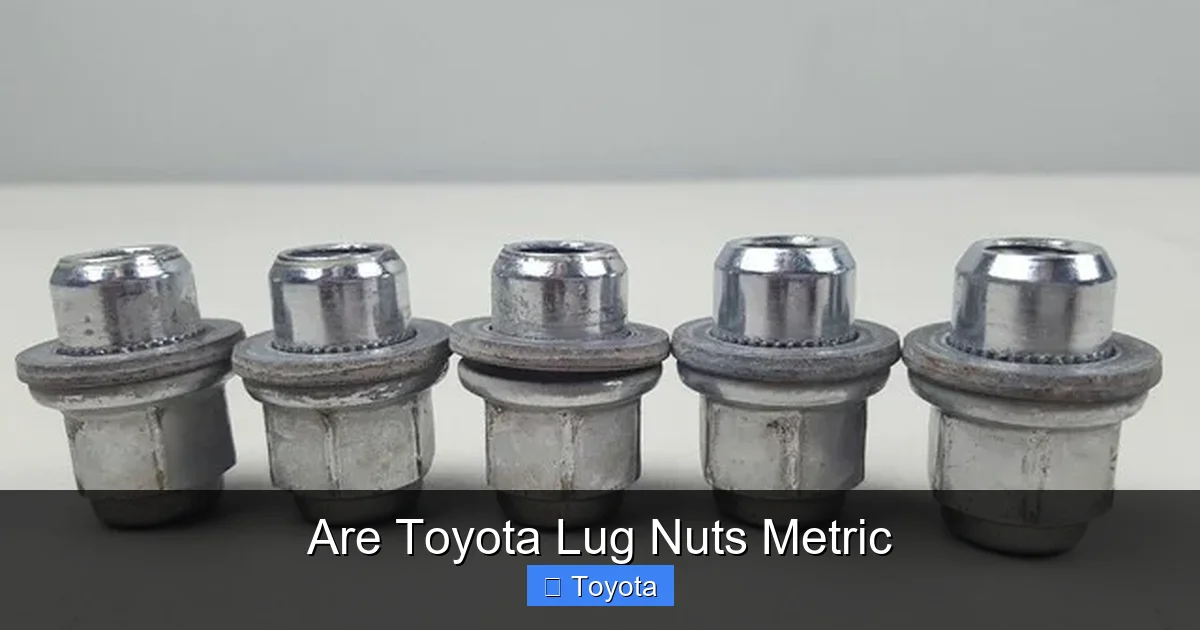
Now that we know Toyota uses metric lug nuts, let’s look at the specific sizes and thread patterns you’ll encounter. While there’s some variation by model and year, most Toyota vehicles fall into a few common categories.
M12x1.5: The Most Common Size
The M12x1.5 lug nut is by far the most widespread across Toyota’s lineup. This means the bolt has a 12mm diameter and a thread pitch of 1.5mm (the distance between threads). You’ll find this size on popular models like the Corolla, Camry, RAV4, Highlander, and Tacoma (on certain trims and years).
For example, a 2020 Toyota Camry LE uses M12x1.5 lug nuts with a conical seat. This size is also common on compact SUVs and sedans, making it a go-to for mechanics and DIYers alike.
M14x1.5: For Larger Vehicles
Heavier Toyota models, such as the Tundra, Sequoia, and some older Land Cruisers, often use M14x1.5 lug nuts. The larger diameter provides greater clamping force, which is necessary for trucks and full-size SUVs that carry heavier loads and tow trailers.
For instance, a 2022 Toyota Tundra SR5 comes equipped with M14x1.5 lug nuts. These are slightly larger and require a 21mm or 22mm socket, depending on the design. It’s important not to confuse M12 and M14 nuts—using the wrong socket can round off the corners and make removal difficult.
Thread Pitch Matters
While diameter (M12 or M14) is the first number, the thread pitch (1.5) is equally important. A lug nut with the wrong pitch won’t thread properly and can damage the wheel hub. For example, an M12x1.25 nut won’t fit an M12x1.5 stud, even though the diameters are the same.
Always verify both the diameter and pitch when replacing lug nuts or wheels. You can find this information in your owner’s manual, on Toyota’s parts website, or by consulting a trusted mechanic.
Lug Nut Seat Types
In addition to size, Toyota lug nuts come in different seat styles, which determine how they contact the wheel:
– Conical (60-degree): The most common type, with a tapered base that matches most aftermarket and OEM wheels.
– Spherical (ball seat): Found on some older Toyotas and certain performance models, with a rounded base.
– Flat seat: Less common, but used on some trucks and wheels with flat mounting surfaces.
Using the wrong seat type can prevent the lug nut from seating properly, leading to vibration, loosening, or wheel damage. Always match the seat style to your wheel design.
Tools You Need for Toyota Lug Nuts

Visual guide about Are Toyota Lug Nuts Metric
Image source: cdn.shopify.com
Working with metric lug nuts requires the right tools. Using imperial (SAE) tools—like a 1/2-inch socket—on a metric lug nut is a recipe for disaster. The fit won’t be precise, and you risk stripping the nut or damaging the wheel.
Metric Socket Set
A high-quality metric socket set is essential. For most Toyotas, you’ll need:
– 19mm socket (for M12x1.5 lug nuts)
– 21mm or 22mm socket (for M14x1.5 lug nuts)
These sizes correspond to the outer diameter of the lug nut, not the thread size. Always double-check your vehicle’s specifications before purchasing tools.
Torque Wrench
A torque wrench is non-negotiable when tightening lug nuts. Over-tightening can stretch the studs or warp the brake rotor; under-tightening can cause the wheel to loosen.
Toyota recommends specific torque values, usually between 76–89 ft-lbs (103–121 Nm) for most models. For example:
– Camry: 76 ft-lbs
– RAV4: 89 ft-lbs
– Tundra: 89 ft-lbs
Always tighten lug nuts in a star pattern to ensure even pressure, and recheck torque after driving 50–100 miles.
Lug Nut Socket vs. Impact Socket
While impact sockets are durable, they’re often too thick for tight wheel wells. A standard metric lug nut socket with a thin wall is better for hand tightening. If you use an impact wrench, set it to a low torque setting to avoid over-tightening.
Avoid Cheap or Universal Tools
Universal lug nut sockets or “one-size-fits-all” tools may seem convenient, but they often don’t grip properly. This can lead to rounded nuts and expensive repairs. Invest in a proper metric socket set designed for automotive use.
Aftermarket Wheels and Lug Nut Compatibility

Visual guide about Are Toyota Lug Nuts Metric
Image source: wheelsexpressonline.com
Upgrading your Toyota’s wheels is a great way to improve style, performance, or handling. But it also introduces compatibility challenges—especially with lug nuts.
Check Wheel Specifications
Before buying aftermarket wheels, confirm they accept metric lug nuts. Most modern wheels do, but some older or custom designs may use imperial fasteners. Look for specifications like “M12x1.5” or “metric lug pattern” in the product description.
Also, verify the bolt pattern (e.g., 5×114.3 for many Toyotas) and center bore size to ensure proper fitment.
Seat Type Matching
As mentioned earlier, seat type is critical. If your new wheels have a conical seat, use conical lug nuts. Spherical or flat seats require matching nuts. Mixing seat types can cause uneven pressure and wheel damage.
Some wheel manufacturers include lug nuts with their products, but it’s wise to verify they’re the correct metric size and seat type for your Toyota.
Lug Nut Length and Style
Aftermarket lug nuts come in various lengths and styles—acorn, spline drive, tuner-style, etc. While aesthetics matter, function comes first. Ensure the length allows full thread engagement without bottoming out on the hub.
For example, a lug nut that’s too long can contact the brake rotor or hub, causing noise or damage. One that’s too short won’t provide enough clamping force.
Anti-Theft Lug Nuts
Many Toyota owners opt for anti-theft (locking) lug nuts to prevent wheel theft. These require a special key to remove and are available in metric sizes. Just keep the key in a safe place—losing it can make tire changes difficult.
Maintaining and Replacing Toyota Lug Nuts
Lug nuts are often overlooked, but they’re critical to wheel safety. Regular maintenance can prevent problems down the road.
Inspect During Tire Rotations
Every time you rotate your tires, take a close look at the lug nuts. Check for:
– Rust or corrosion
– Stripped or rounded edges
– Cracks or deformation
– Looseness (try gently turning with a wrench)
If any lug nuts show signs of damage, replace them immediately. Most auto parts stores carry OEM-style metric lug nuts for Toyota vehicles.
Clean Threads and Hubs
Dirt, rust, or debris on the wheel hub or studs can prevent proper seating. Use a wire brush to clean the hub surface and stud threads before installing wheels. This ensures a tight, secure fit.
Replace in Sets
If one lug nut is damaged, consider replacing all of them. This ensures uniform clamping force and prevents future issues. It’s also a good opportunity to upgrade to high-quality aftermarket lug nuts if desired.
Use Anti-Seize (With Caution)
Some mechanics recommend applying a small amount of anti-seize compound to the threads to prevent rust and make future removal easier. However, Toyota generally advises against this, as it can alter torque readings and lead to over-tightening.
If you do use anti-seize, apply it sparingly and reduce torque by about 10% to compensate.
Common Mistakes to Avoid
Even experienced DIYers can make errors when working with lug nuts. Here are some common pitfalls:
Using the Wrong Socket Size
Grabbing a 3/4-inch socket for a 19mm lug nut might seem close, but it’s not. The slight difference can round off the nut, making it nearly impossible to remove. Always use the correct metric socket.
Over-Tightening with an Impact Wrench
Impact wrenches are powerful but can easily over-torque lug nuts if not set properly. Always follow the manufacturer’s torque specs and use a torque wrench for final tightening.
Ignoring the Star Pattern
Tightening lug nuts in a circle instead of a star pattern can warp the brake rotor or cause uneven pressure. Always follow the star sequence: top, bottom, left, right, then the diagonals.
Mixing Lug Nut Types
Using conical lug nuts on spherical seats (or vice versa) can lead to poor contact and wheel vibration. Always match the seat type to your wheel.
Skipping the Re-Torque
After installing wheels, drive 50–100 miles and recheck the torque. Lug nuts can settle and loosen slightly during initial use.
Conclusion
So, are Toyota lug nuts metric? Absolutely. From the compact Corolla to the rugged Tundra, Toyota vehicles use metric-threaded lug nuts as part of a global standard for safety, precision, and compatibility. Understanding this—and knowing the correct sizes, tools, and maintenance practices—can save you time, money, and potential danger.
Whether you’re changing a tire, upgrading wheels, or performing routine maintenance, always use metric tools, follow torque specifications, and inspect your lug nuts regularly. With the right knowledge and care, your Toyota’s wheels will stay securely fastened mile after mile.
Remember: when it comes to lug nuts, precision matters. Don’t guess—know your specs, use the right tools, and drive with confidence.
Frequently Asked Questions
Are all Toyota lug nuts metric?
Yes, nearly all Toyota vehicles use metric lug nuts. This includes popular models like the Camry, Corolla, RAV4, and Tacoma. The metric system is standard across Toyota’s global production.
What size are Toyota lug nuts?
Most Toyota lug nuts are either M12x1.5 or M14x1.5. M12x1.5 is common on sedans and smaller SUVs, while M14x1.5 is used on trucks and larger SUVs like the Tundra and Sequoia.
Can I use imperial tools on Toyota lug nuts?
No, you should never use imperial (SAE) tools on Toyota lug nuts. They won’t fit properly and can strip or damage the nuts. Always use metric sockets and wrenches.
Do aftermarket wheels work with Toyota lug nuts?
Most aftermarket wheels are designed for metric lug nuts and will work with your Toyota, but always check the specifications. Confirm the bolt pattern, seat type, and thread size before purchasing.
How tight should Toyota lug nuts be?
Toyota recommends torque values between 76–89 ft-lbs (103–121 Nm), depending on the model. Always use a torque wrench and tighten in a star pattern for even pressure.
Should I replace all lug nuts at once?
It’s a good idea to replace all lug nuts if one is damaged or if you’re upgrading wheels. This ensures uniform clamping force and prevents future issues. Use OEM or high-quality aftermarket metric lug nuts.
