
Who Makes Toyota Spark Plugs

Toyota spark plugs are primarily manufactured by Denso and NGK, two of the world’s leading automotive component suppliers. While Toyota designs and specifies the exact requirements, these trusted partners produce the plugs to meet Toyota’s strict quality and performance standards.
When it comes to keeping your Toyota running smoothly, few components are as critical—yet often overlooked—as the spark plug. These small but mighty parts are responsible for igniting the air-fuel mixture in your engine’s combustion chamber, creating the power that moves your vehicle. Without properly functioning spark plugs, your engine can misfire, lose efficiency, or even fail to start. So, who makes Toyota spark plugs? It’s a question that surprises many Toyota owners: while Toyota designs and specifies the exact requirements for their spark plugs, they don’t actually manufacture them in-house. Instead, Toyota relies on two of the world’s most respected automotive component manufacturers—Denso and NGK—to produce the spark plugs that go into their vehicles.
This partnership ensures that every Toyota spark plug meets the brand’s high standards for performance, durability, and reliability. Whether you drive a compact Corolla, a rugged Tacoma, or a luxurious Lexus (which shares many components with Toyota), the spark plugs under your hood are likely made by one of these trusted suppliers. Understanding who makes these essential parts—and why it matters—can help you make smarter decisions about maintenance, repairs, and replacements. In this article, we’ll dive deep into the world of Toyota spark plugs, exploring the manufacturers behind them, how they’re designed, and what you need to know to keep your engine firing on all cylinders.
Key Takeaways
- Toyota doesn’t manufacture spark plugs in-house: Instead, they partner with top-tier suppliers like Denso and NGK to produce spark plugs that meet their exact engineering specifications.
- Denso is Toyota’s long-standing OEM partner: Denso, a Japanese company with deep ties to Toyota, supplies the majority of original equipment spark plugs for Toyota vehicles.
- NGK also supplies Toyota spark plugs: Especially in certain models and regions, NGK provides high-quality iridium and platinum spark plugs that meet Toyota’s performance needs.
- Genuine Toyota spark plugs are rebranded OEM parts: When you buy “Toyota Genuine” spark plugs, you’re getting Denso or NGK plugs packaged under the Toyota name.
- Using OEM spark plugs ensures optimal performance: Original equipment manufacturer plugs are designed specifically for your Toyota’s engine, ensuring proper ignition, fuel efficiency, and longevity.
- Aftermarket options exist but vary in quality: While some aftermarket brands offer compatible spark plugs, only OEM-grade parts guarantee the same reliability and warranty compliance.
- Regular spark plug maintenance is essential: Replacing spark plugs at recommended intervals prevents misfires, poor fuel economy, and engine damage.
📑 Table of Contents
The Role of Spark Plugs in Toyota Engines
Spark plugs are the unsung heroes of your Toyota’s engine. Located in the cylinder head, each spark plug delivers a high-voltage electrical spark at precisely the right moment to ignite the compressed air-fuel mixture. This controlled explosion pushes the piston down, turning the crankshaft and ultimately powering your vehicle. It’s a process that happens thousands of times per minute, and it all starts with a tiny spark.
In modern Toyota engines—whether it’s a 4-cylinder Camry or a V6 Highlander—spark plugs are engineered for precision. Toyota designs its engines with specific ignition timing, fuel delivery, and combustion chamber shapes in mind. The spark plug must match these parameters exactly to ensure efficient combustion. A poorly designed or worn-out spark plug can lead to incomplete combustion, which results in reduced power, increased emissions, and lower fuel economy.
Moreover, Toyota engines are known for their longevity and reliability, and much of that reputation stems from the quality of their components—including spark plugs. Toyota specifies exact materials, gap sizes, heat ranges, and electrode designs for each model. For example, many newer Toyotas use iridium-tipped spark plugs, which offer superior durability and performance compared to traditional copper plugs. These plugs can last up to 100,000 miles, thanks to their resistance to wear and fouling.
How Spark Plugs Affect Engine Performance
The impact of spark plugs on engine performance cannot be overstated. A healthy spark plug ensures a strong, consistent spark, which leads to smooth idling, quick acceleration, and optimal fuel efficiency. On the other hand, worn or faulty spark plugs can cause a range of issues, including:
- Misfires: When a spark plug fails to ignite the fuel mixture, the engine may stutter or lose power, especially under load.
- Rough idling: A weak spark can cause the engine to run unevenly when stopped, leading to vibrations and noise.
- Poor fuel economy: Incomplete combustion means more fuel is needed to produce the same amount of power, reducing miles per gallon.
- Difficulty starting: Weak or fouled spark plugs may struggle to create a spark in cold conditions, making your Toyota hard to start in the morning.
- Increased emissions: Inefficient combustion releases more unburned hydrocarbons and carbon monoxide, which can cause your vehicle to fail emissions tests.
For Toyota owners, maintaining spark plugs is not just about performance—it’s about preserving the brand’s reputation for reliability. Regular inspections and timely replacements are key to avoiding these problems.
Signs Your Toyota Spark Plugs Need Replacement
Even the best spark plugs don’t last forever. Over time, the electrodes wear down, the gap widens, and carbon deposits can build up, reducing spark efficiency. Knowing when to replace your spark plugs can save you from costly repairs down the road. Here are some common signs that your Toyota’s spark plugs may be due for a change:
- Check Engine Light: A misfire detected by the engine control unit (ECU) often triggers the check engine light. This is one of the earliest and most reliable indicators of spark plug trouble.
- Reduced Fuel Efficiency: If you notice you’re filling up more often than usual, worn spark plugs could be the culprit.
- Engine Hesitation or Surging: A hesitation during acceleration or a sudden surge in power can indicate inconsistent spark delivery.
- Rough Idle or Stalling: If your Toyota shakes or stalls when idling, especially when cold, it’s time to check the spark plugs.
- Hard Starting: Difficulty starting the engine, particularly in cold weather, often points to weak spark plugs.
Toyota typically recommends replacing spark plugs every 30,000 to 100,000 miles, depending on the model and plug type. For example, copper plugs may need replacement every 30,000 miles, while iridium or platinum plugs can last up to 100,000 miles. Always consult your owner’s manual or a trusted mechanic for the recommended interval for your specific vehicle.
Who Actually Manufactures Toyota Spark Plugs?
Visual guide about Who Makes Toyota Spark Plugs
Image source: wonderfulengineering.com
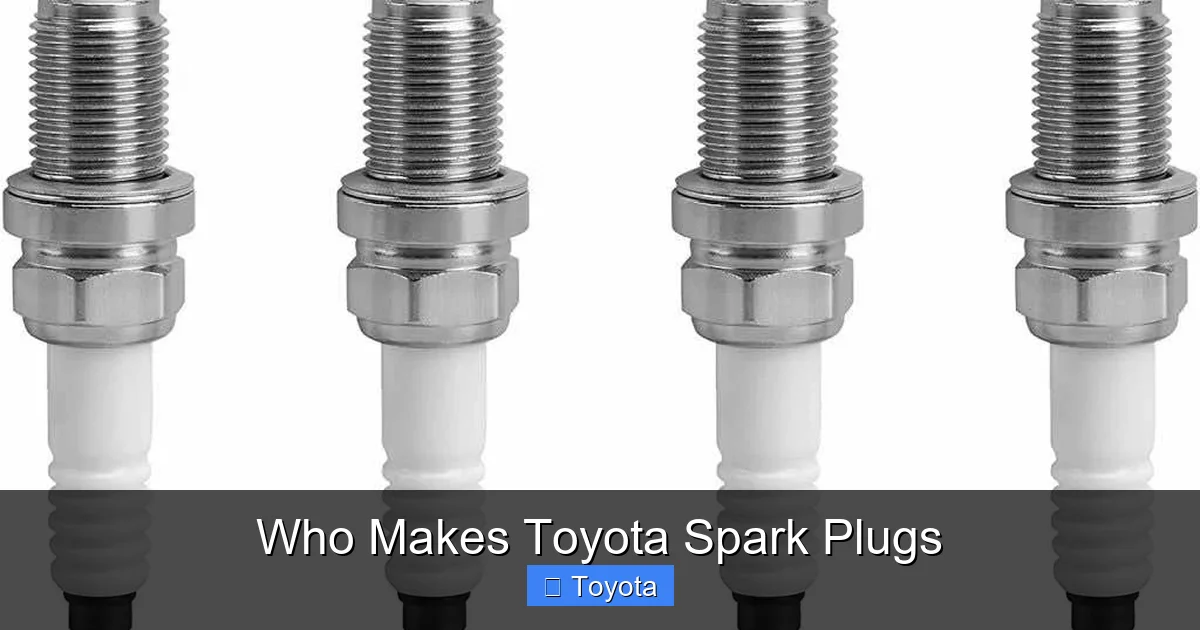
Now, let’s get to the heart of the matter: who makes Toyota spark plugs? The answer is not Toyota itself, but two of the most respected names in automotive parts manufacturing—Denso and NGK. These companies are original equipment manufacturers (OEMs), meaning they supply parts directly to automakers for use in new vehicles. In the case of Toyota, both Denso and NGK have long-standing relationships with the brand and are responsible for producing the vast majority of spark plugs used in Toyota vehicles worldwide.
Denso: Toyota’s Closest Partner
Denso Corporation, headquartered in Aichi Prefecture, Japan, is one of the largest automotive suppliers in the world and has deep historical ties to Toyota. In fact, Denso was originally part of Toyota’s electrical components division before becoming an independent company in 1949. Today, it remains a key supplier to Toyota and other major automakers.
Denso is the primary manufacturer of Toyota spark plugs, especially for models sold in Asia and North America. The company specializes in advanced ignition systems and is a pioneer in iridium and platinum spark plug technology. Denso’s spark plugs are known for their precision engineering, long lifespan, and consistent performance. Many Toyota vehicles come equipped with Denso Iridium Power or Denso Platinum TT (Twin Tip) spark plugs straight from the factory.
One of the reasons Toyota trusts Denso is their shared commitment to quality and innovation. Denso’s research and development efforts are closely aligned with Toyota’s engineering goals, ensuring that every spark plug meets or exceeds OEM specifications. When you see “Denso” stamped on a spark plug box in a Toyota parts department, you’re looking at a genuine OEM component designed specifically for your vehicle.
NGK: A Global Leader in Ignition Technology
While Denso dominates the Toyota spark plug market, NGK Spark Plug Co., Ltd. (commonly known as NGK) is another major player. Based in Nagoya, Japan, NGK is the world’s largest manufacturer of spark plugs and has been in business since 1936. The company is renowned for its high-performance ignition products and supplies spark plugs to a wide range of automakers, including Toyota.
NGK produces spark plugs for certain Toyota models, particularly in regions like Europe and Australia, or for specific engine types. For example, some Toyota hybrids and performance-oriented models may use NGK iridium spark plugs. NGK’s Laser Iridium and Iridium IX lines are popular choices for their durability and precise spark delivery.
Like Denso, NGK works closely with Toyota to develop spark plugs that meet exacting standards. Their plugs are designed to withstand high temperatures, resist fouling, and maintain optimal gap spacing over time. NGK’s reputation for quality makes them a trusted partner for Toyota, even if they don’t supply as many plugs as Denso.
Why Toyota Uses OEM Suppliers Instead of Making Their Own
You might wonder why Toyota doesn’t manufacture its own spark plugs. After all, they design the engines, so why not the ignition components too? The answer lies in specialization and efficiency. By partnering with experts like Denso and NGK, Toyota can focus on what it does best—designing and assembling vehicles—while relying on suppliers who specialize in ignition systems.
This approach allows Toyota to benefit from decades of research and development in spark plug technology without having to invest heavily in manufacturing facilities. It also ensures that Toyota vehicles receive the most advanced and reliable components available. OEM suppliers like Denso and NGK have the expertise, equipment, and global supply chains to produce millions of spark plugs to exact specifications, something Toyota would struggle to match in-house.
Moreover, this partnership model is common across the automotive industry. Most automakers, including Honda, Ford, and BMW, rely on specialized suppliers for components like spark plugs, brakes, and transmissions. It’s a win-win: automakers get high-quality parts, and suppliers gain stable, long-term contracts.
Genuine Toyota Spark Plugs: What’s in a Name?
Visual guide about Who Makes Toyota Spark Plugs
Image source: wonderfulengineering.com
When you walk into a Toyota dealership or browse online for replacement spark plugs, you’ll likely see “Toyota Genuine” spark plugs for sale. These are the parts recommended by Toyota for your vehicle, and they come with a warranty and peace of mind. But what exactly are they?
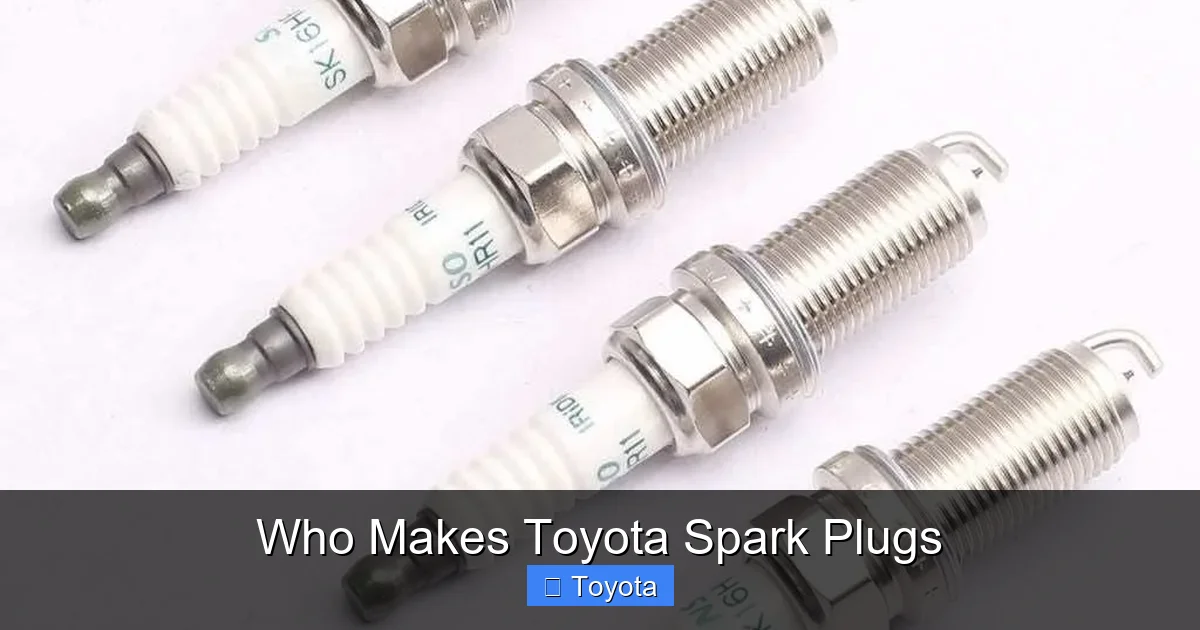
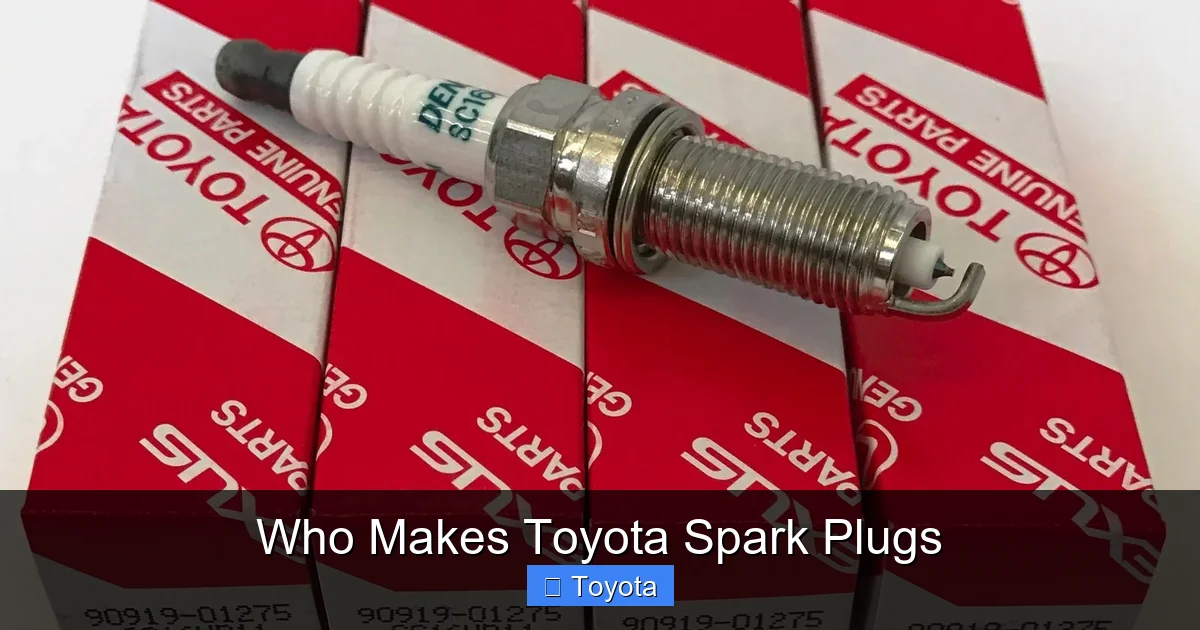
The truth is, “Toyota Genuine” spark plugs are not made by Toyota. Instead, they are OEM spark plugs—produced by Denso or NGK—that are packaged and sold under the Toyota brand. This is a common practice in the automotive world. The parts are identical to what came in your car from the factory; the only difference is the packaging.
For example, a Denso Iridium Power spark plug sold in a Toyota box will have the same part number, materials, and performance as one sold in a Denso box. The Toyota branding simply indicates that the part has been approved and distributed by Toyota for use in their vehicles. This ensures compatibility and reliability, which is why Toyota recommends using genuine parts for replacements.
Benefits of Using Genuine Toyota Spark Plugs
Choosing genuine Toyota spark plugs offers several advantages:
- Exact Fit and Function: Genuine plugs are designed specifically for your Toyota model, ensuring proper fit, gap, and heat range.
- Proven Reliability: These plugs have been tested and validated by Toyota engineers for performance and durability.
- Warranty Protection: Using genuine parts helps maintain your vehicle’s warranty, especially if you’re still under factory coverage.
- Peace of Mind: You know you’re getting a high-quality component that meets Toyota’s strict standards.
While genuine Toyota spark plugs may cost slightly more than aftermarket options, the added reliability and compatibility are often worth the investment—especially for high-mileage or performance vehicles.
How to Identify Genuine Toyota Spark Plugs
To ensure you’re getting authentic parts, look for the following:
- Toyota Genuine Parts packaging: The box should clearly state “Toyota Genuine Parts” and include the Toyota logo.
- Part number matching: Check the part number against your owner’s manual or a Toyota parts catalog.
- Purchase from authorized dealers: Buy from Toyota dealerships or certified online retailers to avoid counterfeit parts.
Avoid cheap, unbranded spark plugs sold at discount stores. These may not meet Toyota’s specifications and could lead to engine problems.
Aftermarket Spark Plugs: Are They Worth Considering?
Visual guide about Who Makes Toyota Spark Plugs
Image source: i.ebayimg.com
While genuine Toyota spark plugs are the safest choice, many drivers consider aftermarket options to save money or boost performance. Brands like Bosch, Autolite, and Champion offer spark plugs that claim to be compatible with Toyota vehicles. But are they a good alternative?
Pros and Cons of Aftermarket Spark Plugs
Aftermarket spark plugs can be tempting, especially if you’re on a budget. Here’s what to consider:
Pros:
- Lower cost: Aftermarket plugs are often cheaper than genuine Toyota parts.
- Performance upgrades: Some brands offer high-performance plugs designed for better ignition or fuel efficiency.
- Wider availability: You can find aftermarket plugs at auto parts stores, online retailers, and even big-box stores.
Cons:
- Variable quality: Not all aftermarket plugs meet OEM standards. Some may wear out faster or cause misfires.
- Compatibility issues: Even if a plug fits, it may not have the correct heat range or electrode design for your engine.
- Warranty concerns: Using non-genuine parts could void your warranty if they cause engine damage.
- Lack of testing: Aftermarket plugs aren’t always tested by Toyota engineers, so their long-term reliability is uncertain.
When Aftermarket Might Make Sense
There are situations where aftermarket spark plugs can be a reasonable choice:
- Older vehicles: If your Toyota is out of warranty and has high mileage, a quality aftermarket plug may be a cost-effective option.
- Performance modifications: Enthusiasts who’ve modified their engines may benefit from specialized plugs designed for higher temperatures or boost pressure.
- Budget constraints: If you’re in a pinch and need a quick replacement, a reputable aftermarket brand like Bosch Iridium can be a temporary solution.
However, for most Toyota owners, especially those with newer or hybrid models, sticking with genuine Toyota spark plugs is the best way to ensure long-term reliability.
Maintaining Your Toyota’s Spark Plugs
Proper maintenance is key to getting the most out of your spark plugs—and your Toyota. While modern iridium plugs can last up to 100,000 miles, they still benefit from regular inspections and care.
Recommended Replacement Intervals
Toyota provides specific maintenance schedules for spark plug replacement. Here are some general guidelines:
- Copper spark plugs: Replace every 30,000 miles.
- Platinum spark plugs: Replace every 60,000 to 100,000 miles.
- Iridium spark plugs: Replace every 100,000 miles or as recommended in your owner’s manual.
Always check your owner’s manual for the exact interval for your vehicle. Hybrid models like the Prius may have different recommendations due to their unique engine operation.
DIY vs. Professional Replacement
Replacing spark plugs is a job many Toyota owners can do themselves, but it requires care and the right tools. Here’s what to consider:
- DIY advantages: Saves money, gives you hands-on experience with your vehicle.
- DIY challenges: Risk of cross-threading, incorrect gap setting, or damaging ignition coils.
- Professional service: Ensures proper installation, torque specs, and inspection of related components.
If you’re not confident in your mechanical skills, it’s best to have a certified Toyota technician handle the job. They’ll also check for other issues, like worn ignition coils or carbon buildup.
Tips for Spark Plug Maintenance
- Use a torque wrench: Over-tightening can damage the cylinder head; under-tightening can cause leaks.
- Check the gap: Even new plugs may need gap adjustment. Use a gap tool to verify the correct measurement.
- Inspect for damage: Look for cracks, fouling, or excessive wear when replacing plugs.
- Replace all at once: Always replace spark plugs in sets to ensure even performance.
Conclusion
So, who makes Toyota spark plugs? The answer is clear: while Toyota designs the specifications, the actual manufacturing is handled by industry leaders Denso and NGK. These OEM suppliers produce high-quality spark plugs that meet Toyota’s exacting standards for performance, durability, and reliability. Whether you see a Denso or NGK logo on the box, you’re getting a component engineered specifically for your Toyota.
Choosing genuine Toyota spark plugs—essentially rebranded Denso or NGK parts—ensures the best fit, function, and longevity for your vehicle. While aftermarket options exist, they come with risks that may outweigh the savings. Regular maintenance, including timely spark plug replacement, is essential to keeping your Toyota running smoothly for years to come.
By understanding who makes your spark plugs and why it matters, you can make informed decisions that protect your investment and keep your engine firing on all cylinders. After all, a small spark can make a big difference.
Frequently Asked Questions
Are Toyota spark plugs made by Toyota?
No, Toyota does not manufacture spark plugs in-house. Instead, they partner with OEM suppliers like Denso and NGK, who produce spark plugs to Toyota’s exact specifications.
What brand of spark plugs does Toyota use?
Toyota primarily uses spark plugs made by Denso and NGK. Denso is the main supplier, especially in Asia and North America, while NGK supplies certain models and regions.
Can I use NGK spark plugs in my Toyota?
Yes, NGK spark plugs are used in many Toyota vehicles and are a trusted OEM supplier. As long as the part number matches your vehicle’s requirements, NGK plugs are a safe and reliable choice.
How often should I replace spark plugs in my Toyota?
Replacement intervals vary by model and plug type. Copper plugs last about 30,000 miles, while iridium plugs can last up to 100,000 miles. Always check your owner’s manual for specific recommendations.
Are genuine Toyota spark plugs worth the extra cost?
Yes, genuine Toyota spark plugs offer exact fit, proven reliability, and warranty protection. They are the safest choice for maintaining your vehicle’s performance and longevity.
Can I replace spark plugs myself?
Yes, if you have the right tools and mechanical knowledge. However, improper installation can damage your engine, so many owners prefer professional service for peace of mind.
