
Can Too Much Coolant Cause Overheating

Yes, too much coolant can actually cause overheating—despite seeming counterintuitive. Overfilling disrupts air pockets, traps pressure, and interferes with proper coolant flow, leading to engine temperature spikes. Maintaining the correct coolant level is essential for optimal cooling system performance.
Key Takeaways
- Overfilling coolant can cause overheating: Excess coolant prevents proper air circulation and pressurization, disrupting the cooling cycle.
- Air pockets form when the system is overfilled: Trapped air reduces heat transfer efficiency and creates hot spots in the engine.
- Coolant expansion needs space: Coolant expands when hot; without room to expand, pressure builds and can damage hoses or the radiator.
- Overflow reservoir misuse is common: Many drivers top off the overflow tank beyond the “Full” line, thinking it’s safe—but it’s not.
- Proper coolant level is critical: Always check levels when the engine is cold and fill only to the recommended mark.
- Symptoms mimic low coolant: Overheating from too much coolant can look like a leak or low fluid, so diagnosis is key.
- Regular maintenance prevents issues: Inspect coolant levels monthly and flush the system every 30,000–50,000 miles.
📑 Table of Contents
- Can Too Much Coolant Cause Overheating? The Surprising Answer
- How Your Cooling System Works
- Why Overfilling Coolant Seems Like a Good Idea
- Symptoms of Too Much Coolant
- How to Check and Correct Coolant Levels
- Preventing Coolant Overfill and Overheating
- Real-World Example: The Overfilled SUV
- Conclusion
Can Too Much Coolant Cause Overheating? The Surprising Answer
You’ve probably heard the rule: “Low coolant causes overheating.” It makes sense—your engine needs coolant to stay cool, right? So if there’s not enough, things get hot fast. But what if you go the other way? What if you add *too much* coolant? Can that also lead to overheating?
The short answer is yes—and it might surprise you. While it seems logical that more coolant equals better cooling, the reality is more nuanced. Your vehicle’s cooling system is a finely tuned balance of fluid, air, pressure, and flow. When you overfill the coolant, you upset that balance. Instead of keeping your engine cool, excess coolant can actually contribute to overheating, reduced performance, and even mechanical damage.
This article dives deep into how and why too much coolant can cause overheating. We’ll explore the science behind coolant function, the risks of overfilling, real-world symptoms to watch for, and how to maintain the perfect coolant level. Whether you’re a weekend mechanic or just trying to keep your car running smoothly, understanding this common misconception could save you from costly repairs down the road.
How Your Cooling System Works
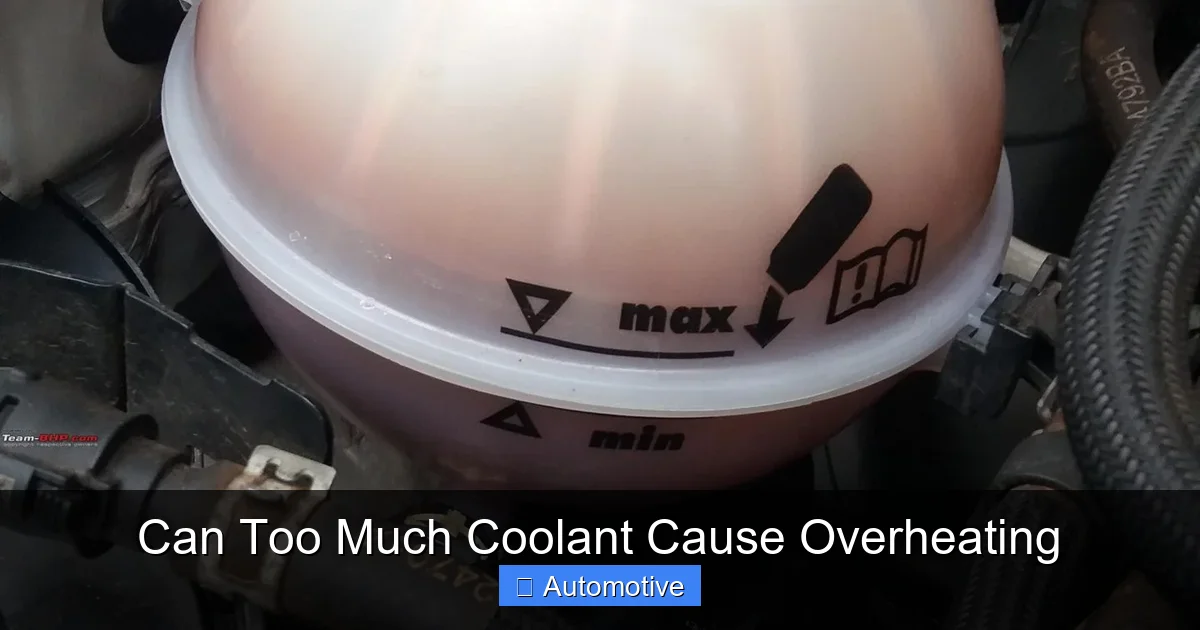
Visual guide about Can Too Much Coolant Cause Overheating
Image source: carglassadvisor.com
Before we get into the problems caused by too much coolant, let’s quickly review how your car’s cooling system is supposed to work. Think of it like your body’s circulatory system—but instead of blood, it uses coolant (also called antifreeze) to regulate temperature.
When your engine runs, it generates a lot of heat. Without proper cooling, metal parts would warp, seals would fail, and your engine could seize. That’s where the cooling system steps in. Coolant circulates through passages in the engine block and cylinder head, absorbing heat. It then flows to the radiator, where air passing through (either from driving or the radiator fan) cools it down. The cooled fluid returns to the engine, and the cycle repeats.
But it’s not just about fluid movement. The system also relies on air pockets and precise pressure levels. Coolant expands when it heats up—by about 4–6% in volume. That’s why your radiator and overflow tank are designed with extra space. The overflow reservoir collects excess coolant when it expands and returns it when the system cools and contracts.
This balance is crucial. Too little coolant, and there’s not enough fluid to absorb and transfer heat. Too much, and you disrupt the air-to-fluid ratio, trap air, or create excessive pressure. Both extremes can lead to overheating.
The Role of Air Pockets in Cooling
You might think air is the enemy in a cooling system—and in some cases, it is. Air pockets can prevent coolant from reaching certain areas of the engine, creating hot spots. But a small, controlled amount of air is actually necessary. It allows for thermal expansion and helps maintain proper pressure.
When you overfill the coolant, you eliminate this essential air space. The system becomes “overcharged” with fluid, leaving no room for expansion. As the engine heats up, the coolant expands—but with nowhere to go, pressure builds rapidly. This can force coolant out through the overflow tube, damage hoses, or even crack the radiator.
Worse, trapped air can form bubbles in the system, especially if the overfill causes foaming. These bubbles act as insulators, reducing the coolant’s ability to absorb heat. The result? Localized overheating, even if the coolant level looks full.
Pressure and the Radiator Cap
Your radiator cap isn’t just a cap—it’s a pressure regulator. It’s designed to maintain a specific pressure (usually between 13–18 psi, depending on the vehicle). This pressurized environment raises the boiling point of the coolant, allowing it to absorb more heat without turning to steam.
When you overfill the system, the extra coolant has nowhere to expand. The pressure rises beyond the cap’s rating, and it may release coolant prematurely through the overflow. But if the cap fails to release pressure in time, the excess force can damage seals, hoses, or the radiator itself.
In extreme cases, the radiator tank (often made of plastic) can crack. Once that happens, coolant leaks out, and the system loses its ability to maintain pressure. The engine overheats—not because there’s too much coolant, but because the system is compromised.
Why Overfilling Coolant Seems Like a Good Idea
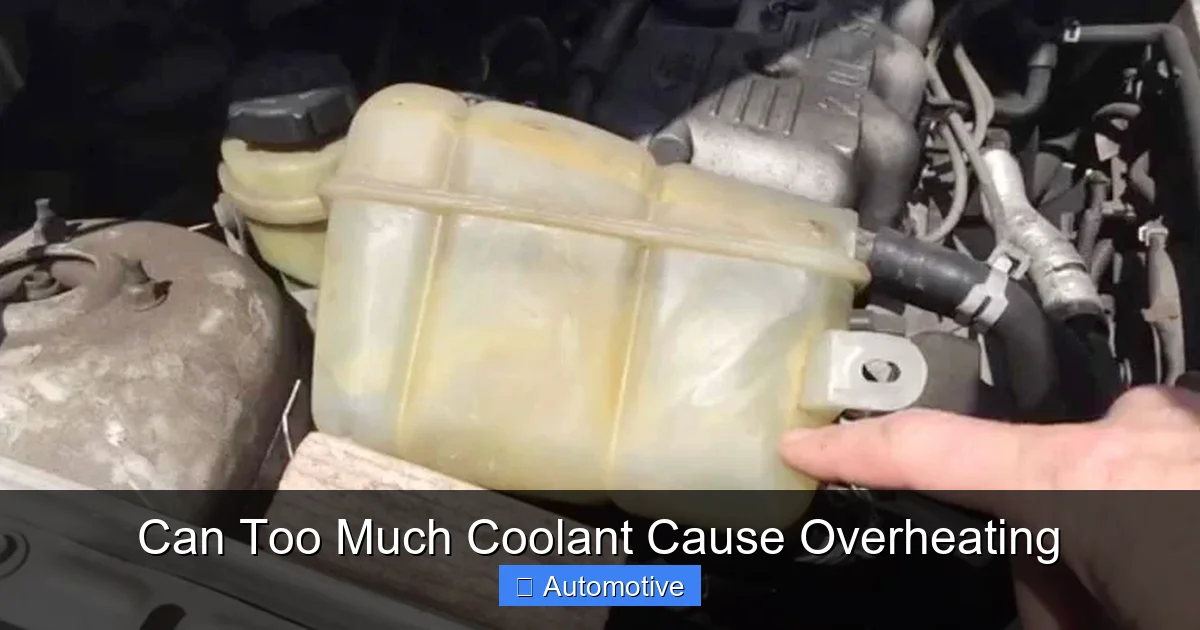
Visual guide about Can Too Much Coolant Cause Overheating
Image source: hondatheotherside.com
So why do so many people overfill their coolant? It usually comes down to misunderstanding or misinformation. Let’s look at the most common reasons.
“More Is Better” Mentality
It’s a natural assumption: if a little coolant keeps the engine cool, more must be even better. After all, you wouldn’t want to run low, right? But this logic doesn’t apply to cooling systems. Unlike oil or brake fluid, coolant isn’t consumed during normal operation. It’s a closed-loop system—meaning the same fluid circulates over and over.
Adding extra coolant doesn’t improve performance. In fact, it can do the opposite. The system is designed to operate with a specific volume of fluid and air. Overfilling throws off that balance.
Misreading the Overflow Reservoir
This is one of the biggest culprits. Many drivers check the coolant level in the overflow reservoir (the translucent plastic tank near the radiator) and top it off to the “Full” line—or even above it. But here’s the catch: the overflow tank is meant to hold *excess* coolant, not serve as the primary fill point.
When the engine is cold, the coolant contracts. The overflow tank should be between the “Min” and “Max” lines. If it’s overfilled when cold, there’s no room for expansion when the engine heats up. The excess coolant gets pushed out, and the system loses its ability to regulate pressure.
Topping Off After a Leak
Another common scenario: you notice the coolant level is low, so you add more. But if there’s an underlying leak—say, a cracked hose or a faulty radiator cap—the system will continue to lose fluid. Instead of fixing the root cause, you keep adding coolant, eventually overfilling the system.
This creates a dangerous cycle. The overfilled system may seem fine at first, but once the engine heats up, the excess coolant expands and spills out. You’re left with a low coolant level again—and the overheating risk returns.
DIY Flush and Refill Mistakes
Flushing your cooling system is a great maintenance task, but it’s easy to mess up the refill. Some people drain the old coolant, flush the system, and then fill it to the brim—thinking they’re being thorough. But without properly bleeding the system (removing air pockets), the coolant level can appear full while air remains trapped.
Over time, as the engine runs, air escapes and the coolant level drops. But if you’ve overfilled initially, the system may still have too much fluid once the air is gone. This leads to the same problems: pressure buildup, overflow, and potential overheating.
Symptoms of Too Much Coolant
Visual guide about Can Too Much Coolant Cause Overheating
Image source: futurescope.co
How can you tell if you’ve overfilled your coolant? The symptoms can be subtle at first, but they often mimic those of low coolant or other cooling system issues. Here’s what to watch for.
Coolant Leaking from the Overflow Tube
One of the most obvious signs is coolant dripping or spraying from the overflow tube on the radiator or reservoir. This happens when the system is overpressurized due to excess fluid. You might see a puddle under your car, especially after driving and parking.
The coolant may be bright green, orange, or pink, depending on the type. If you notice this, check the coolant level when the engine is cold. If it’s above the “Full” line, you’ve likely overfilled.
Overheating Despite Full Coolant
This is the paradox: your coolant reservoir is full—maybe even overfull—but your engine is overheating. The temperature gauge climbs into the red, or the check engine light comes on with a coolant-related code.
This happens because excess coolant disrupts the system’s ability to transfer heat. Air pockets form, pressure builds, and coolant flow is restricted. The engine gets hotter, but the coolant can’t keep up.
Sweet Smell or Steam Under the Hood
Coolant has a distinct sweet smell. If you notice this odor while driving or after parking, it could mean coolant is leaking—possibly from an overpressurized system. You might also see steam or vapor coming from the radiator cap area.
This is a red flag. Overheating can cause coolant to boil and turn to steam, especially if the system is compromised.
Bubbling or Gurgling Sounds
Listen for unusual noises from the engine bay. Bubbling or gurgling sounds can indicate air trapped in the cooling system. This often happens when the system is overfilled and air can’t escape properly.
These sounds may be more noticeable when the engine is warming up or when you turn off the car. They’re a sign that the coolant isn’t flowing smoothly.
Reduced Heater Performance
Your car’s heater relies on hot coolant flowing through a small radiator (the heater core) inside the cabin. If the cooling system is compromised—whether from too much or too little coolant—the heater may blow cold air.
Overfilled systems can restrict coolant flow to the heater core, reducing warmth. This is especially noticeable in cold weather.
How to Check and Correct Coolant Levels
Now that you know the risks, let’s talk about how to get it right. Checking and maintaining proper coolant levels is simple—if you follow the right steps.
When to Check Coolant
Always check coolant when the engine is cold. Hot coolant expands and can give a false reading. Plus, opening a hot radiator cap is dangerous—it can release scalding steam and fluid.
Wait at least 30 minutes after driving before checking. Ideally, check first thing in the morning before starting the car.
Where to Check
There are two places to check coolant: the radiator and the overflow reservoir.
– **Radiator:** Only check this if you’re performing a flush or refill. Never open the radiator cap when the engine is hot.
– **Overflow Reservoir:** This is the safest and most common place to check. It’s a translucent plastic tank with “Min” and “Max” (or “Full”) markings.
The coolant level should be between these two lines when the engine is cold.
How to Add Coolant Properly
If the level is low, add a 50/50 mix of coolant and distilled water. Never use tap water—it contains minerals that can clog the system.
Pour slowly into the overflow reservoir until it reaches the “Max” line. Do not overfill. If you’re refilling after a flush, follow your vehicle’s bleeding procedure to remove air pockets.
Bleeding the Cooling System
After adding coolant, you may need to “bleed” the system to remove air. This process varies by vehicle, but generally involves:
1. Running the engine with the radiator cap off (when cold).
2. Letting it idle until the thermostat opens (you’ll see coolant start to flow).
3. Adding more coolant as needed to maintain the level.
4. Turning on the heater to full heat to circulate coolant through the heater core.
5. Replacing the cap once the system is full and air-free.
Some cars have a bleed screw or require a specific procedure—check your owner’s manual.
Preventing Coolant Overfill and Overheating
The best way to avoid problems is through regular maintenance and awareness. Here are some practical tips.
Check Coolant Monthly
Make it a habit to check your coolant level once a month. Look at the overflow reservoir and ensure it’s between the “Min” and “Max” lines. If it’s consistently low, investigate for leaks.
Use the Right Coolant
Not all coolants are the same. Use the type specified in your owner’s manual (e.g., Dexcool, HOAT, OAT). Mixing types can cause sludge or corrosion.
Flush the System Regularly
Over time, coolant breaks down and accumulates contaminants. Flush the system every 30,000 to 50,000 miles, or as recommended by your manufacturer. This keeps the system clean and efficient.
Inspect for Leaks
Look for signs of leaks: puddles under the car, crusty residue around hoses, or a sweet smell. Common leak points include the radiator, water pump, hoses, and heater core.
Don’t Top Off the Overflow Tank
Resist the urge to keep the overflow tank “full.” It’s designed to hold excess coolant, not serve as a permanent reservoir. Only add coolant if it’s below the “Min” line when cold.
Monitor the Temperature Gauge
Keep an eye on your dashboard temperature gauge. If it starts to climb, pull over safely and let the engine cool. Continuing to drive can cause severe engine damage.
Real-World Example: The Overfilled SUV
Let’s look at a real scenario. Sarah noticed her SUV’s coolant was low, so she topped off the overflow reservoir to the “Full” line. A week later, she saw coolant dripping under her car after a long drive. The next day, the engine overheated on the highway.
She took it to a mechanic, who found the radiator cap was damaged and the coolant level was way too high. The excess fluid had caused pressure buildup, forcing coolant out and damaging the cap. Once the system was drained to the correct level and the cap replaced, the overheating stopped.
Sarah’s mistake? She assumed more coolant was better. But by overfilling, she disrupted the system’s balance and caused the very problem she was trying to prevent.
Conclusion
So, can too much coolant cause overheating? Absolutely. While it seems counterintuitive, overfilling your coolant system can lead to air pockets, pressure buildup, coolant loss, and ultimately, engine overheating. Your cooling system is designed to work with a precise balance of fluid and air—adding extra disrupts that balance.
The key is moderation. Check your coolant regularly, fill only to the recommended level, and never top off the overflow reservoir beyond the “Max” line. If you notice leaks, overheating, or unusual smells, address them promptly.
By understanding how your cooling system works and avoiding common mistakes, you can keep your engine running cool—and avoid the costly repairs that come with overheating. Remember: when it comes to coolant, more is not better. Just enough is just right.
Frequently Asked Questions
Can overfilling coolant cause the engine to overheat?
Yes, overfilling coolant can cause overheating by creating air pockets, increasing pressure, and disrupting coolant flow. The system needs space for expansion, and excess fluid prevents proper heat transfer.
How do I know if I have too much coolant?
Check the overflow reservoir when the engine is cold. If the coolant is above the “Max” line, it’s overfilled. You may also see leaks from the overflow tube or hear gurgling sounds.
What happens if I overfill the coolant reservoir?
Overfilling the reservoir leaves no room for coolant expansion. When the engine heats up, pressure builds, forcing coolant out through the overflow and potentially damaging the radiator cap or hoses.
Can too much coolant damage the radiator?
Yes, excessive pressure from overfilled coolant can crack the radiator tank (often made of plastic) or damage seals and hoses, leading to leaks and system failure.
Should I drain excess coolant myself?
Yes, if the level is too high, you can carefully drain some coolant from the overflow reservoir using a turkey baster or syringe. Always do this when the engine is cold.
Is it safe to drive with overfilled coolant?
It’s not recommended. Overfilled coolant can lead to overheating, leaks, and component damage. Correct the level as soon as possible to avoid engine problems.
