
Is the Chrysler 300 a Black Person Car

The Chrysler 300 has earned a reputation as a “Black person car” due to its strong presence in urban communities and celebrity endorsements. However, this label oversimplifies its broad appeal and rich automotive legacy.
Key Takeaways
- Cultural Symbolism: The Chrysler 300 is often associated with Black culture due to its popularity in hip-hop, urban fashion, and celebrity use.
- Design and Presence: Its bold, boxy design and powerful V8 engine make it stand out, contributing to its iconic status.
- Affordability and Value: The 300 offers luxury features at a competitive price, making it accessible to a wide range of buyers.
- Misconceptions and Stereotypes: Labeling it as a “Black person car” ignores its diverse ownership and global appeal.
- Marketing and Media Influence: Hip-hop lyrics, music videos, and social media have amplified its cultural image.
- Automotive Legacy: The 300 has evolved over decades, reflecting changing tastes and technological advancements.
- Broad Consumer Base: Owners include professionals, families, and enthusiasts from all backgrounds who appreciate its style and performance.
📑 Table of Contents
Introduction: The Myth and the Machine
When you hear the name “Chrysler 300,” what comes to mind? For many, it’s not just a car—it’s a statement. A bold, muscular sedan with a long hood, a short deck, and a presence that commands attention. But beyond its design and performance, the Chrysler 300 has taken on a cultural identity all its own. In certain circles, especially in urban communities across the United States, it’s often referred to as a “Black person car.” But is that label accurate? Or is it a stereotype born from visibility, marketing, and media influence?
This question isn’t just about a car—it’s about perception, identity, and the stories we attach to everyday objects. The Chrysler 300 didn’t start out as a cultural icon. It began as a luxury sedan from a major American automaker. Yet, over time, it became a symbol of success, style, and street credibility. From rappers cruising in matte-black 300s to celebrities arriving at red-carpet events in chrome-trimmed models, the car has been everywhere. But does that make it a “Black person car”? Or is that just one part of a much larger story?
In this article, we’ll dive deep into the history, design, marketing, and cultural impact of the Chrysler 300. We’ll explore why it became so popular in certain communities, how media and music shaped its image, and whether the label it carries is fair or reductive. Whether you’re a car enthusiast, a cultural observer, or just curious about where this idea came from, we’ll break it all down in simple, honest terms.
The Origins of the Chrysler 300
Visual guide about Is the Chrysler 300 a Black Person Car
Image source: cartuning.ws
To understand why the Chrysler 300 carries such a strong cultural identity, we need to go back to where it all began. The original Chrysler 300 was introduced in 1955 as a high-performance version of the Chrysler New Yorker. It was part of a series known as the “Letter Series,” with models like the 300B, 300C, and so on. These cars were built for speed and luxury, featuring powerful Hemi V8 engines and sleek, aerodynamic designs. They were the Ferraris of their time—rare, expensive, and fast.
The modern Chrysler 300, however, was reintroduced in 2005 after a long hiatus. This new version was designed to revive the brand’s legacy of performance and style. It featured a bold, almost aggressive look—boxy yet elegant, with a long hood and a short rear deck. Under the hood, it offered a range of engines, including a 5.7L Hemi V8 that delivered over 340 horsepower. It was a car that didn’t just move—it announced its presence.
From the start, the 300 was marketed as a luxury sedan with muscle-car DNA. It wasn’t trying to be a BMW or a Mercedes. Instead, it was offering something different: American power with a touch of old-school cool. And that message resonated. The car quickly gained attention not just for its specs, but for its attitude.
Design That Demands Attention
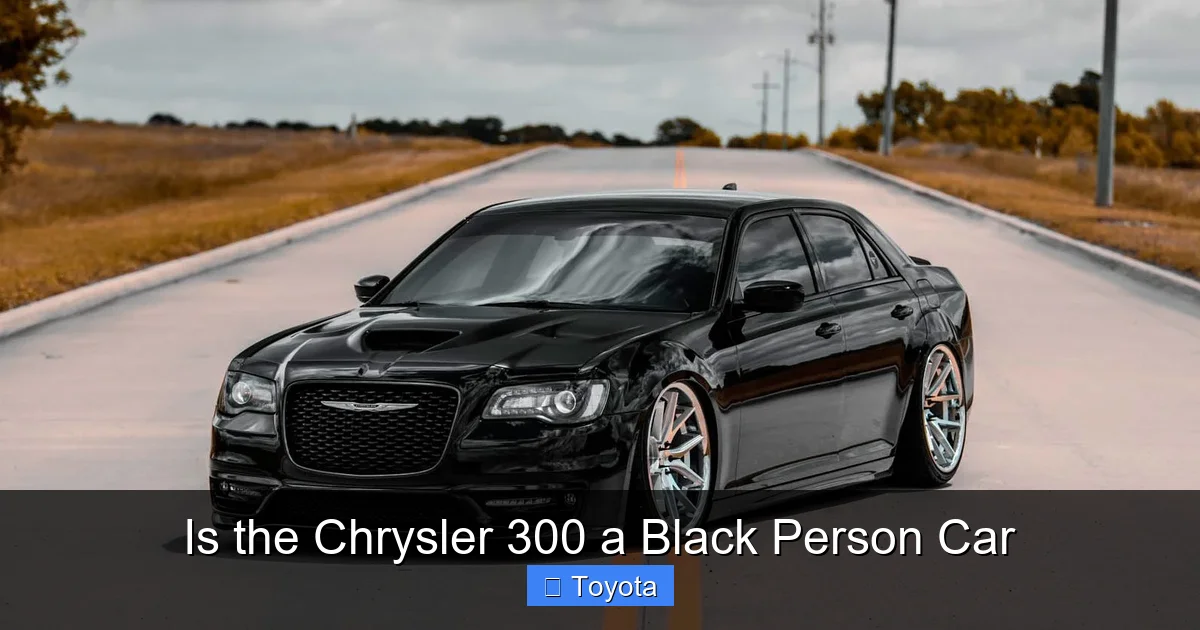
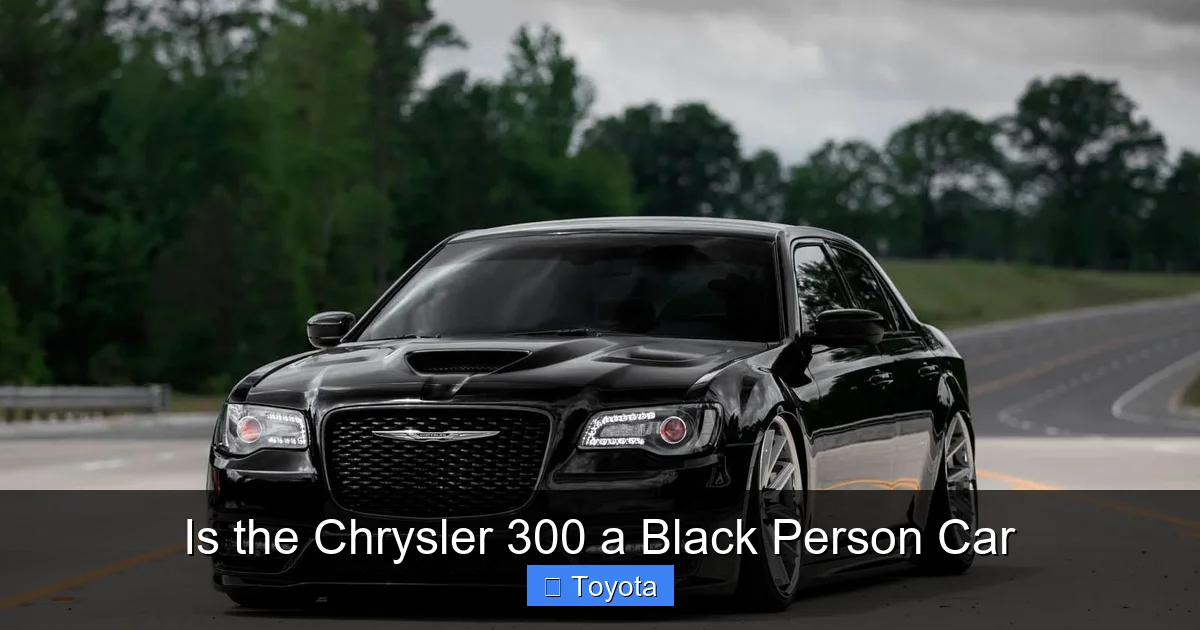
One of the biggest reasons the Chrysler 300 stands out is its design. Unlike many sedans that blend into traffic, the 300 is impossible to ignore. Its wide grille, bold chrome accents, and low-slung stance give it a commanding presence. It looks like a car that belongs on a movie set or a magazine cover.
The interior is just as impressive. High-quality materials, spacious seating, and a driver-focused dashboard make it feel like a luxury vehicle. Options like heated and cooled seats, premium sound systems, and advanced infotainment features add to the appeal. It’s a car that makes you feel important when you’re behind the wheel.
But it’s not just about looks. The 300’s performance is what truly sets it apart. The V8 engine delivers smooth, powerful acceleration, and the rear-wheel-drive layout gives it a sporty feel. It’s not a sports car, but it drives like one when you need it to. That combination of style and substance is rare in the sedan market, and it’s one of the reasons the 300 has such a loyal following.
Affordability Meets Luxury
Another key factor in the 300’s popularity is its price. While it’s positioned as a luxury sedan, it’s significantly more affordable than European rivals like the BMW 5 Series or the Mercedes E-Class. That made it accessible to a broader range of buyers, including younger professionals, entrepreneurs, and families who wanted a premium car without the premium price tag.
For many, the 300 represented a step up—a symbol of success and achievement. It wasn’t just a car; it was a statement. And in communities where upward mobility is often hard-won, that kind of symbolism matters. The 300 became a badge of honor, a way to show that you’d made it.
The Cultural Rise of the Chrysler 300
Visual guide about Is the Chrysler 300 a Black Person Car
Image source: cartuning.ws
So how did a luxury sedan from Chrysler become so closely tied to Black culture? The answer lies in a mix of timing, marketing, and media influence. In the mid-2000s, the 300 was everywhere—on the streets, in music videos, and in the lyrics of popular songs. It became a favorite among rappers, actors, and influencers, especially in urban areas.
Hip-Hop and the 300
Hip-hop has always been a powerful force in shaping car culture. From lowriders to Lamborghinis, rappers have long used cars as symbols of wealth, power, and identity. The Chrysler 300 fit perfectly into this narrative. Its bold design and American muscle made it a natural fit for the hip-hop aesthetic.
Artists like Jay-Z, Kanye West, and T.I. were often seen driving or referencing the 300 in their music. In songs like “Dirt Off Your Shoulder” and “Swagga Like Us,” the car is mentioned as a sign of success and style. Music videos featured the 300 in slow-motion shots, with rappers leaning against the hood or cruising down city streets. These images weren’t just background—they were central to the story being told.
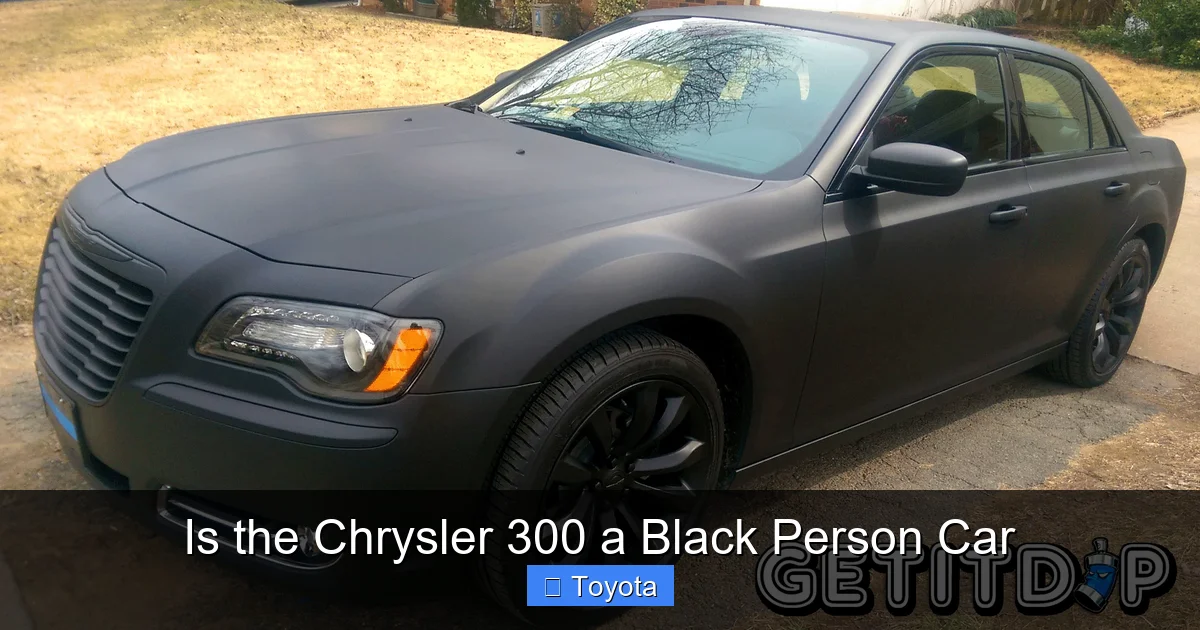
The 300 also became a favorite in the world of car customization. Owners would add custom wheels, tinted windows, and aftermarket body kits to make their cars stand out even more. This culture of personalization and pride helped cement the 300’s place in urban car culture.
Media and Celebrity Influence
Beyond music, the 300 gained visibility through movies, TV shows, and celebrity sightings. It appeared in films like “The Hangover” and “2 Fast 2 Furious,” often driven by characters who were stylish, confident, and a little rebellious. On social media, influencers and celebrities posted photos of their 300s, often with captions about power, freedom, and success.
Chrysler also played a role in this cultural shift. The company launched marketing campaigns that highlighted the car’s bold design and performance. Ads featured diverse drivers, urban settings, and a strong sense of individuality. The message was clear: this isn’t just a car—it’s a lifestyle.
Is the Label Fair? Examining the Stereotype
Visual guide about Is the Chrysler 300 a Black Person Car
Image source: i.pinimg.com
Now we come to the heart of the question: Is the Chrysler 300 really a “Black person car”? The short answer is no—but the story is more complicated than that.
It’s true that the 300 is popular in many Black communities. Its visibility in hip-hop, its affordability, and its bold style have made it a favorite among a wide range of drivers. But that doesn’t mean it’s exclusive to any one group. The 300 is owned by people of all races, ages, and backgrounds.
The Danger of Stereotyping
Labeling a car as a “Black person car” can be problematic. It reduces a complex cultural phenomenon to a simple stereotype. It ignores the fact that car preferences are shaped by a wide range of factors—price, performance, design, and personal taste. And it can perpetuate harmful assumptions about who drives what kind of car.
For example, when someone says the 300 is a “Black person car,” they might be implying that it’s only for a certain type of person—someone flashy, aggressive, or materialistic. But that’s not true. Many 300 owners are quiet professionals, parents, or retirees who appreciate the car’s comfort, safety, and reliability.
Moreover, the label overlooks the diversity within the Black community itself. Not everyone who drives a 300 fits the same mold. Some are into car culture, others are into luxury, and many just like the way it drives. Reducing their choice to a stereotype does a disservice to their individuality.
The Broader Appeal
In reality, the Chrysler 300 has a broad and diverse fan base. It’s popular in suburban neighborhoods, rural towns, and urban centers alike. It’s driven by doctors, teachers, business owners, and students. It’s also sold in countries around the world, where it’s appreciated for its design and performance.
The 300’s appeal lies in its ability to be many things to many people. It can be a family car, a luxury cruiser, or a weekend joyride. It’s not defined by who drives it—it’s defined by how it makes people feel.
The Evolution of the Chrysler 300
Like any car, the Chrysler 300 has evolved over time. The 2005 model was a game-changer, but it’s been updated multiple times to keep up with changing tastes and technology. Each new generation has brought improvements in fuel efficiency, safety, and infotainment.
Modern Features and Technology
Today’s Chrysler 300 comes with features that rival much more expensive cars. Standard equipment includes a large touchscreen, Apple CarPlay and Android Auto, advanced safety systems like blind-spot monitoring and adaptive cruise control, and a premium sound system. Higher trims offer leather seats, heated steering wheels, and panoramic sunroofs.
These updates have helped the 300 stay relevant in a market that’s increasingly focused on technology and connectivity. It’s no longer just a car with a big engine—it’s a smart, connected vehicle that fits into modern life.
Performance and Efficiency
While the V8 engine is still available, many buyers now opt for the more fuel-efficient V6. This engine delivers strong performance while offering better gas mileage, making the 300 a practical choice for daily driving. The car also offers all-wheel drive, which improves traction in bad weather.
Despite these changes, the 300 has kept its core identity. It’s still a bold, powerful sedan that stands out from the crowd. And that’s why people keep buying it.
The Future of the Chrysler 300
As the automotive industry shifts toward electric vehicles and autonomous driving, the future of the Chrysler 300 is uncertain. Chrysler has announced plans to electrify its lineup, and the 300 may eventually become a hybrid or fully electric vehicle.
But even if the 300 changes, its cultural legacy will remain. It will be remembered as a car that broke the mold, challenged stereotypes, and gave people a way to express themselves. Whether it’s seen as a “Black person car” or just a great American sedan, its impact is undeniable.
Conclusion: More Than a Label
So, is the Chrysler 300 a Black person car? The truth is, it’s not that simple. The 300 is a car that has been embraced by many different communities, and its popularity in Black culture is just one part of its story. It’s a symbol of success, style, and individuality—qualities that resonate with people of all backgrounds.
Rather than labeling it, we should celebrate what the 300 represents: a bold American design, accessible luxury, and the power of personal expression. It’s a car that doesn’t ask for permission to be different. And in a world of cookie-cutter sedans, that’s something worth appreciating.
Whether you drive a 300 or just admire it from afar, one thing is clear: this car has earned its place in automotive history. And its story is far from over.
Frequently Asked Questions
Why is the Chrysler 300 associated with Black culture?
The Chrysler 300 gained popularity in Black communities due to its strong presence in hip-hop music, music videos, and celebrity culture. Its bold design and affordability made it a symbol of success and style.
Is the Chrysler 300 only driven by Black people?
No, the Chrysler 300 is owned by people of all races and backgrounds. While it’s popular in certain communities, its appeal is broad and includes professionals, families, and car enthusiasts worldwide.
What makes the Chrysler 300 stand out from other sedans?
The 300 stands out for its bold, boxy design, powerful V8 engine, and luxury features at an affordable price. It combines American muscle with upscale comfort in a way few sedans do.
How has the Chrysler 300 evolved over the years?
The 300 has been updated multiple times since its 2005 reintroduction, adding modern technology, improved fuel efficiency, and advanced safety features while maintaining its iconic design and performance.
Will the Chrysler 300 be discontinued?
Chrysler has not announced a final discontinuation date, but the brand is shifting toward electrification. The 300 may be redesigned as a hybrid or electric vehicle in the future.
Can the Chrysler 300 be considered a luxury car?
Yes, the 300 is positioned as a luxury sedan with premium features, high-end materials, and advanced technology. It competes with European brands but at a more accessible price point.