
How Much Does It Cost to Wrap a Honda Civic?

Wrapping your Honda Civic can cost anywhere from $2,000 to $5,000, depending on the material, design complexity, and installer expertise. This guide breaks down all the factors that influence pricing so you can make an informed decision and protect your car’s paint while giving it a fresh new look.
So, you’ve got a Honda Civic—maybe it’s your daily driver, your first car, or the reliable ride that’s been with you through thick and thin. It’s practical, fuel-efficient, and stylish in its own right. But let’s be honest: sometimes you just want to make it stand out. Maybe you’re tired of the factory color, or you want to protect the paint from rock chips and UV damage. That’s where a car wrap comes in.
Wrapping your Honda Civic isn’t just about aesthetics—it’s a smart investment in both style and protection. Unlike a paint job, a wrap is removable, reversible, and often more affordable than a high-end repaint. Plus, it gives you the freedom to go bold with colors, textures, or even custom designs without permanently altering your car. But before you dive in, you’re probably wondering: how much does it actually cost to wrap a Honda Civic?
The short answer? It depends. A lot. From the type of vinyl you choose to the skill level of the installer, several factors influence the final price. But don’t worry—we’re here to break it all down so you know exactly what to expect. Whether you’re considering a sleek matte black finish, a vibrant color shift, or a custom racing stripe design, this guide will help you budget wisely and avoid common pitfalls.
In this article, we’ll explore the full spectrum of costs associated with wrapping a Honda Civic, from entry-level options to premium upgrades. We’ll also share tips on choosing the right shop, understanding material differences, and maintaining your wrap so it lasts for years. By the end, you’ll have a clear picture of what it takes to transform your Civic—and whether it’s worth the investment.
Key Takeaways
- Cost Range: A full wrap for a Honda Civic typically costs between $2,000 and $5,000, with most owners paying around $3,500.
- Material Matters: Vinyl quality varies—cast vinyl is more expensive but lasts longer and conforms better to curves than calendered vinyl.
- Design Complexity: Custom graphics, color changes, or intricate patterns increase labor time and cost.
- Professional Installation: DIY kits may seem cheaper, but professional installation ensures durability, proper adhesion, and a flawless finish.
- Geographic Location: Labor rates differ by region—urban areas and high-cost cities often charge more for wrapping services.
- Additional Services: Paint correction, trim removal, and post-wrap care products can add $200–$500 to the total cost.
- Longevity & Value: A high-quality wrap protects your paint, maintains resale value, and can be removed without damage when you’re ready for a change.
📑 Table of Contents
Understanding Car Wraps: What You Need to Know
Before we get into pricing, let’s make sure we’re on the same page about what a car wrap actually is. A car wrap is a large sheet of adhesive vinyl that’s applied to the exterior surfaces of your vehicle. It’s not paint—it’s a removable, protective layer that changes the look of your car without altering the original finish.
Think of it like a giant sticker, but way more advanced. Modern vinyl wraps are designed to conform to curves, edges, and complex body lines. They’re durable, weather-resistant, and available in hundreds of colors and finishes—from glossy metallics to satin, matte, chrome, and even textured options like carbon fiber.
One of the biggest advantages of a wrap is that it protects your car’s factory paint. Daily driving exposes your Civic to road debris, bird droppings, tree sap, and harsh sunlight—all of which can degrade paint over time. A high-quality wrap acts as a shield, absorbing the abuse so your original paint stays pristine underneath. When you decide to remove the wrap (usually after 5–7 years), your car’s paint will look nearly as good as the day it left the dealership.
Another perk? Flexibility. Want to switch from red to blue in a few years? No problem. Just have the wrap removed and apply a new one. This is especially valuable if you plan to sell your car later—keeping the original paint intact can boost resale value.
Types of Vinyl Wraps
Not all vinyl is created equal. The two main types used in car wrapping are cast vinyl and calendered vinyl. Understanding the difference is key to making a smart investment.
Cast vinyl is the premium option. It’s made by pouring liquid vinyl onto a casting sheet, allowing it to cure slowly. This process creates a thinner, more flexible material that conforms beautifully to complex curves and deep recesses—like the Civic’s door handles, mirrors, and body contours. Cast vinyl is also more durable, resistant to shrinking and fading, and typically lasts 5–7 years with proper care. Because of its superior performance, it’s the go-to choice for professional installers and high-end wraps.
Calendered vinyl, on the other hand, is made by rolling heated vinyl through rollers to achieve the desired thickness. It’s thicker, less flexible, and more prone to cracking or peeling over time—especially in extreme temperatures. While it’s cheaper (often 30–50% less than cast vinyl), it’s generally not recommended for full vehicle wraps, especially on cars with intricate body lines like the Civic. Calendered vinyl may work for simple accent pieces or short-term projects, but for a full wrap, cast vinyl is the way to go.
Partial vs. Full Wraps
Another decision you’ll need to make is whether to go for a full wrap or a partial wrap. A full wrap covers nearly every painted surface of the car—doors, hood, roof, trunk, fenders, and sometimes even mirrors and bumpers. This gives you a complete color change and maximum protection.
A partial wrap, as the name suggests, covers only certain areas. Common partial wraps include hood wraps, roof wraps, or racing stripe designs. These are less expensive and quicker to install, but they don’t offer the same level of transformation or protection.
For a Honda Civic, a full wrap is usually the best choice if you’re looking for a dramatic change. The Civic’s compact size makes it relatively affordable to wrap compared to larger vehicles, and the smooth body lines allow for clean, professional results. However, if you’re on a tight budget or just want a subtle upgrade, a partial wrap can still make a big visual impact.
Factors That Influence the Cost of Wrapping a Honda Civic
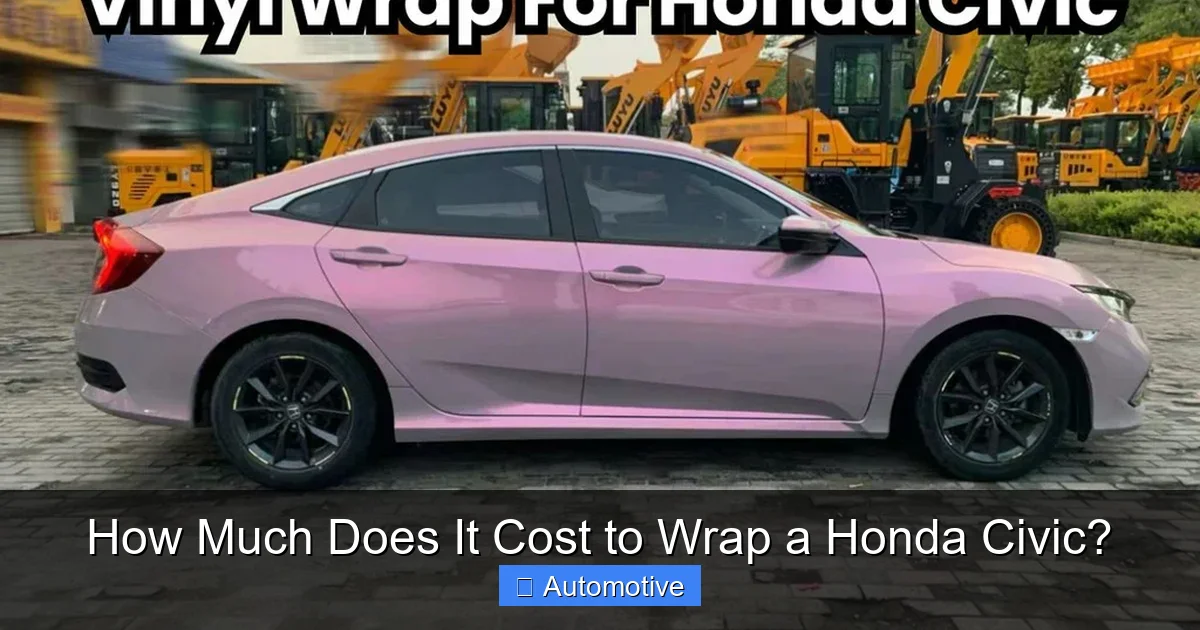
Visual guide about How Much Does It Cost to Wrap a Honda Civic?
Image source: cdn.shopify.com
Now that you understand the basics, let’s dive into the nitty-gritty: what actually determines the price of a wrap? Several key factors come into play, and each can significantly affect your final bill.
1. Type and Quality of Vinyl
As mentioned earlier, the material you choose has a huge impact on cost. Cast vinyl from reputable brands like 3M, Avery Dennison, or KPMF can cost $3–$6 per square foot. A Honda Civic has roughly 180–200 square feet of wrapable surface area, so just the material alone can run $540–$1,200.
Cheaper, lower-quality vinyl may seem tempting, but it often leads to problems down the road—bubbling, peeling, or discoloration. Investing in premium vinyl ensures a longer lifespan and a more professional appearance.
2. Design Complexity and Customization
A simple solid color wrap is the most affordable option. But if you want custom graphics, logos, color shifts, or intricate patterns, expect to pay more. Custom designs require additional labor for planning, printing, and precise application. For example, a full-color wrap with a flame design or a camouflage pattern could add $500–$1,500 to the total cost.
Even something as simple as a two-tone wrap (e.g., black roof and white body) increases complexity because it requires careful alignment and seam management. The more detailed the design, the more time it takes—and time equals money.
3. Labor and Installation Expertise
Labor is typically the largest portion of the wrap cost. Professional installers charge anywhere from $50 to $150 per hour, and a full Civic wrap can take 15–30 hours to complete, depending on complexity.
Experienced shops with certified technicians (like those certified by 3M or Avery Dennison) will charge more, but they also deliver better results. A poorly installed wrap can bubble, lift at the edges, or fail prematurely—costing you more in repairs or rewrapping later.
When getting quotes, ask about the installer’s experience with Honda Civics specifically. Some body shops specialize in certain vehicle types and may offer better pricing or faster turnaround.
4. Geographic Location
Where you live plays a role in pricing. In major metropolitan areas like Los Angeles, New York, or Chicago, labor rates are higher due to increased overhead and demand. You might pay $4,000–$5,000 for a full wrap in these cities.
In contrast, smaller towns or rural areas may offer the same service for $2,500–$3,500. However, be cautious—lower prices don’t always mean better value. Make sure the shop has good reviews, a clean workspace, and uses quality materials.
5. Additional Services and Prep Work
A wrap isn’t just “stick and go.” Proper preparation is essential for a long-lasting result. Most professional shops include basic prep in their quote, but some services may cost extra.
Paint correction—removing swirl marks, scratches, and oxidation—is highly recommended before wrapping. This ensures a smooth surface and prevents imperfections from showing through the vinyl. Paint correction can add $200–$500.
Trim removal is another factor. Some areas of the Civic, like door handles, mirrors, and emblems, need to be removed for a seamless wrap. This adds labor time and cost, typically $100–$300.
Finally, post-wrap care products—like vinyl-specific cleaners and sealants—may be offered as add-ons. While not mandatory, they help maintain the wrap’s appearance and longevity.
Breaking Down the Average Cost to Wrap a Honda Civic
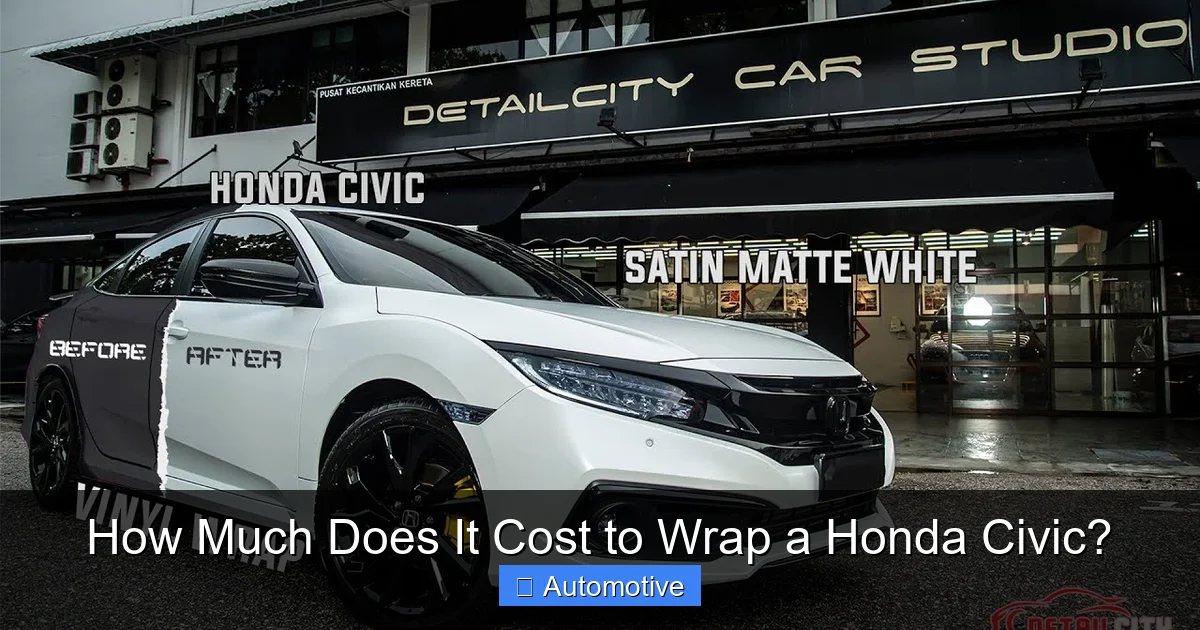
Visual guide about How Much Does It Cost to Wrap a Honda Civic?
Image source: i.ytimg.com
So, what’s the real-world cost? Let’s look at a realistic breakdown based on current market rates in 2024.
For a standard Honda Civic (sedan or coupe), a full wrap using premium cast vinyl and professional installation typically ranges from $2,000 to $5,000. Here’s how that breaks down:
- Material (Cast Vinyl): $600–$1,200
- Labor (15–30 hours at $75/hour): $1,125–$2,250
- Paint Correction (Optional but Recommended): $200–$500
- Trim Removal & Reinstallation: $150–$300
- Custom Design or Graphics (If Applicable): $300–$1,500
- Taxes and Fees: $100–$200
Most owners end up paying around $3,500 for a high-quality, full-color wrap with basic prep and no custom graphics. This includes premium vinyl, skilled labor, and a clean, professional finish.
If you’re on a budget, you might find shops offering wraps for as low as $1,800. But be wary—these often use lower-grade vinyl, skip paint correction, or have less experienced technicians. You might save money upfront, but you could face issues like bubbling, peeling, or premature fading.
On the higher end, luxury shops or those offering exotic finishes (like chrome, color shift, or custom prints) can charge $5,000 or more. These wraps often include additional services like ceramic coating over the vinyl or extended warranties.
Partial Wrap Cost Examples
If a full wrap is out of your budget, partial wraps offer a more affordable alternative:
- Roof Wrap: $400–$800
- Hood Wrap: $300–$600
- Racing Stripes (Full-Length): $500–$1,000
- Mirror Caps: $100–$200
These options are great for adding flair without breaking the bank. A black roof wrap, for example, gives your Civic a sporty, upscale look similar to high-end models—often for less than $700.
DIY vs. Professional Installation: Is It Worth It?
Visual guide about How Much Does It Cost to Wrap a Honda Civic?
Image source: trucksauthority.com
You might be tempted to save money by buying a DIY wrap kit and doing it yourself. After all, kits are available online for $500–$1,000, and there are plenty of YouTube tutorials. But before you grab your squeegee and heat gun, consider the risks.
The Challenges of DIY Wrapping
Wrapping a car is not like applying a phone screen protector. It requires precision, patience, and experience. The Honda Civic has tight curves, deep recesses, and complex panel lines—especially around the doors, mirrors, and trunk. Getting a bubble-free, wrinkle-free finish is incredibly difficult for beginners.
Common DIY mistakes include:
- Trapped air bubbles that can’t be removed
- Stretching the vinyl too thin, causing tears
- Misalignment of patterns or seams
- Improper adhesion leading to peeling at the edges
Even small errors can ruin the look and compromise the wrap’s durability. And if you mess up, you may have to buy a new kit—wasting time and money.
Why Professionals Are Worth the Investment
Professional installers have the tools, training, and experience to handle these challenges. They use high-quality materials, climate-controlled environments, and specialized equipment like infrared heaters and precision cutters.
They also offer warranties—typically 3–5 years—on both materials and labor. If your wrap starts to peel or fade prematurely, they’ll fix it at no extra cost. That kind of peace of mind is hard to put a price on.
Moreover, a professionally wrapped Civic will look flawless and last much longer than a DIY job. When it comes time to sell, a well-maintained wrap can actually increase your car’s value by preserving the original paint.
Maintaining Your Honda Civic Wrap
Once your Civic is wrapped, proper care is essential to maximize its lifespan and appearance. The good news? Maintenance is simple.
Cleaning and Washing
Wash your wrapped Civic regularly—every 1–2 weeks—to prevent dirt, grime, and contaminants from building up. Use a pH-neutral car wash soap and a soft microfiber mitt. Avoid automatic car washes with harsh brushes, as they can scratch or lift the vinyl.
Rinse thoroughly and dry with a clean microfiber towel to prevent water spots.
What to Avoid
- Harsh Chemicals: Never use ammonia-based cleaners, degreasers, or abrasive polishes. These can damage the vinyl.
- Parking in Direct Sunlight: Prolonged UV exposure can cause fading. Park in the shade or use a car cover when possible.
- Sharp Objects: Avoid leaning on the car or placing heavy objects on the wrapped surfaces.
Long-Term Care
Every 6–12 months, consider applying a vinyl protectant or ceramic coating designed for wraps. These products add a layer of UV protection and make cleaning easier.
If you notice minor scratches or scuffs, they can often be buffed out with a vinyl-safe polish. For deeper damage, consult your installer—they may be able to repair small areas without a full rewrap.
Is Wrapping Your Honda Civic Worth It?
So, after all this, is wrapping your Honda Civic a smart move? For most owners, the answer is yes.
A wrap offers a unique combination of style, protection, and flexibility. It’s more affordable than a high-end paint job, reversible, and can actually preserve your car’s value. Whether you’re looking to stand out on the road, protect your investment, or simply try something new, a wrap is a worthwhile upgrade.
Just remember: quality matters. Don’t skimp on materials or installation. Spend a little extra upfront to get a result that lasts—and looks amazing for years to come.
With the right shop, the right vinyl, and proper care, your wrapped Honda Civic will turn heads and stay protected through every mile.
Frequently Asked Questions
How long does a Honda Civic wrap last?
A high-quality vinyl wrap on a Honda Civic typically lasts 5 to 7 years with proper care. Factors like climate, sun exposure, and maintenance habits can affect longevity. Premium cast vinyl and professional installation help maximize durability.
Can I wash my wrapped Honda Civic?
Yes, you can wash your wrapped Civic, but avoid automatic car washes with brushes. Use a gentle hand wash with pH-neutral soap and a microfiber mitt. Rinse thoroughly and dry with a clean towel to prevent water spots and maintain the wrap’s finish.
Will a wrap damage my car’s original paint?
No, a professionally applied wrap will not damage your Honda Civic’s original paint. In fact, it protects it from scratches, UV rays, and environmental contaminants. When removed correctly, the factory paint remains intact and undamaged.
Can I wrap just part of my Honda Civic?
Absolutely. Partial wraps—like roof wraps, hood wraps, or racing stripes—are popular and more affordable than full wraps. They offer a stylish upgrade without the full cost, typically ranging from $300 to $1,000 depending on the area and design.
How much does it cost to remove a car wrap?
Wrap removal usually costs $200 to $500, depending on the shop and condition of the wrap. Professional removal ensures the original paint isn’t damaged. Some installers include free removal if you’re getting a new wrap from them.
Can I change the color of my Honda Civic with a wrap?
Yes! One of the biggest advantages of a wrap is the ability to change your car’s color without permanent changes. You can go from white to black, red to blue, or even try unique finishes like matte, chrome, or color shift—all reversible when you’re ready for a new look.
