
How Does Leasing a Car Work with Toyota

Leasing a car with Toyota is a smart, flexible way to drive a new vehicle with lower monthly payments and warranty coverage. It’s ideal if you like upgrading every few years and want to avoid long-term ownership costs.
Thinking about getting behind the wheel of a brand-new Toyota without the long-term commitment of ownership? Leasing might be the perfect fit for you. Whether you’re eyeing a fuel-efficient Corolla, a rugged RAV4, or a hybrid Prius, Toyota offers flexible leasing options that make driving new easier and more affordable. But how does leasing a car work with Toyota exactly? Let’s break it down in simple terms.
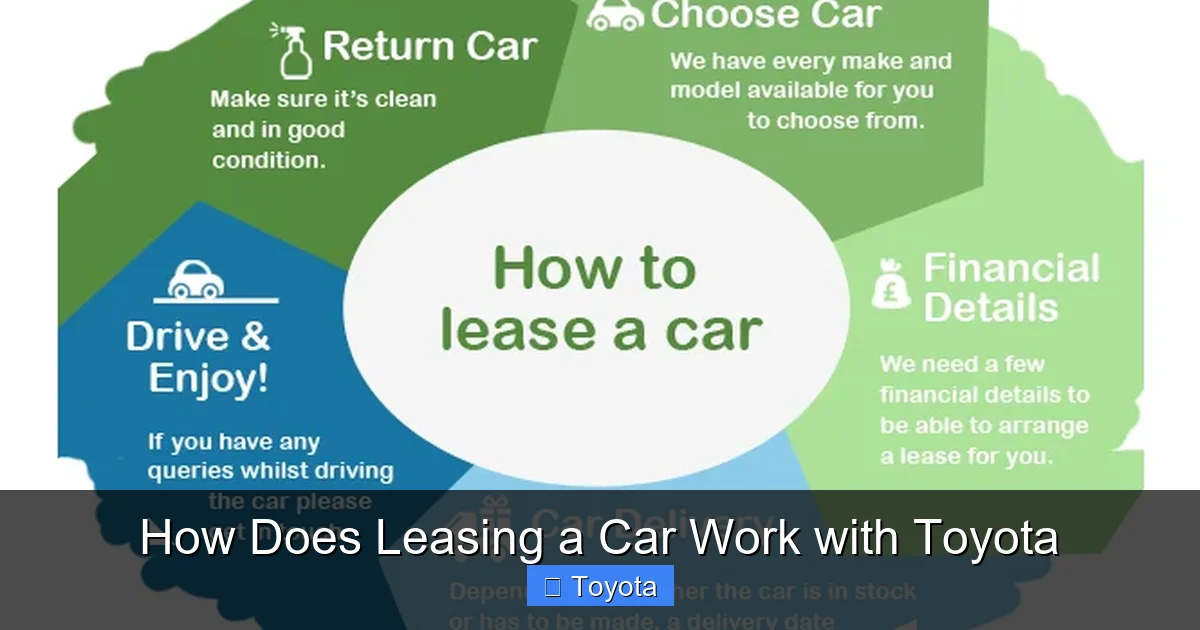
Leasing a Toyota is like renting a car for an extended period—usually 24 to 36 months. Instead of buying the vehicle outright, you pay for its depreciation (the drop in value) during the time you use it, plus interest and fees. At the end of the lease, you return the car to the dealership unless you decide to purchase it. This setup appeals to drivers who want lower monthly payments, enjoy driving the latest models, and prefer not to deal with selling a car later.
One of the biggest advantages of leasing a Toyota is access to cutting-edge safety features, updated technology, and reliable performance—all without the hassle of long-term maintenance or resale. Plus, since most leases are covered under Toyota’s factory warranty, you’re protected against unexpected repair costs. But like any financial decision, leasing has its rules and considerations. From mileage limits to wear-and-tear policies, understanding the ins and outs will help you make the best choice for your lifestyle and budget.
Key Takeaways
- Lower Monthly Payments: Leasing a Toyota typically costs less per month than buying, since you’re only paying for the vehicle’s depreciation during the lease term.
- Warranty Coverage: Most Toyota leases fall within the factory warranty period, meaning repairs are usually covered, reducing out-of-pocket expenses.
- Mileage Limits Apply: Toyota leases come with annual mileage caps (e.g., 10,000–15,000 miles); exceeding them results in per-mile fees.
- No Ownership at End of Lease: You return the car unless you choose to buy it at the predetermined residual value.
- Wear and Tear Guidelines: Minor wear is expected, but excessive damage may lead to additional charges upon return.
- Early Termination Fees: Ending a lease early can be costly due to penalties and remaining payments.
- Customization Restrictions: You can’t modify a leased Toyota without approval, as it must be returned in original condition.
📑 Table of Contents
What Is a Toyota Lease and How Does It Work?
At its core, a Toyota lease is a contract between you and a leasing company (often Toyota Financial Services) that allows you to use a new Toyota vehicle for a set period and mileage. You make monthly payments based on how much the car is expected to lose in value during that time, not its full price.
When you lease a Toyota, the dealer calculates three key numbers: the capitalized cost (the price you negotiate for the car), the residual value (what the car is expected to be worth at the end of the lease), and the money factor (the interest rate). Your monthly payment is essentially the difference between these two values, divided by the lease term, plus taxes and fees.
For example, let’s say you lease a 2024 Toyota Camry with a capitalized cost of $28,000 and a residual value of $16,000 after 36 months. The depreciation is $12,000. Divided by 36 months, that’s about $333 per month before interest and taxes. Add in the money factor (say, 0.0025, which is roughly 6% APR), and your total monthly payment might land around $380–$420, depending on your location and down payment.
Unlike buying, you don’t build equity in a leased vehicle. But you also avoid large down payments, high monthly installments, and the stress of selling the car later. It’s a trade-off: less long-term investment for more short-term flexibility.
Who Should Consider Leasing a Toyota?
Leasing isn’t for everyone, but it’s a great option for certain drivers. If you like driving a new car every few years, leasing lets you upgrade to the latest Toyota models with updated tech, safety features, and styling. It’s also ideal if you don’t drive a lot—say, under 12,000 miles per year—since most leases come with mileage restrictions.
Business professionals, tech enthusiasts, and families who want reliable transportation without the burden of ownership often find leasing appealing. You get the peace of mind that comes with a warranty-covered vehicle and predictable monthly costs. Plus, if you’re someone who dislikes haggling over trade-ins or worrying about depreciation, leasing removes those headaches.
However, if you drive a lot, love customizing your ride, or plan to keep a car for 10+ years, buying might be a better fit. Leasing works best when you treat the car as a temporary solution, not a long-term companion.
Benefits of Leasing a Toyota
Visual guide about How Does Leasing a Car Work with Toyota
Image source: leasecar.uk
Leasing a Toyota comes with several compelling advantages that make it an attractive alternative to buying. Let’s explore the top benefits that keep drivers coming back to Toyota leases.
Lower Monthly Payments
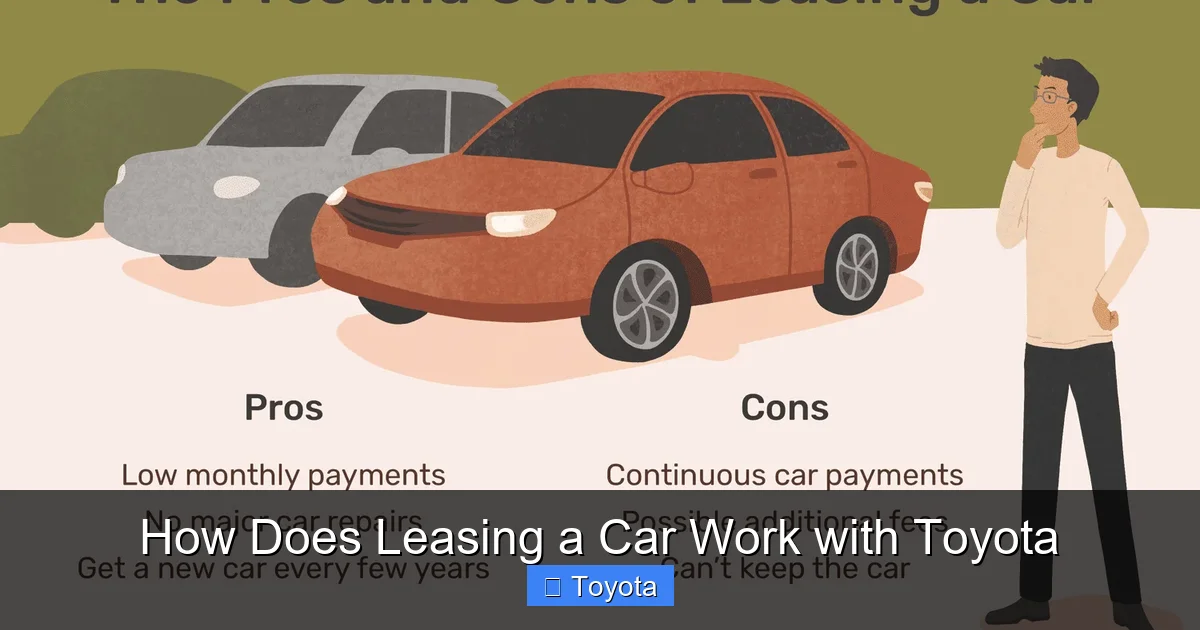
One of the biggest draws of leasing is affordability. Because you’re only paying for the car’s depreciation during the lease term—not its full value—your monthly payments are significantly lower than if you were financing a purchase. For example, leasing a Toyota RAV4 might cost $350–$450 per month, while buying the same model could run $500–$650 or more, depending on the loan term and down payment.
This lower payment frees up cash for other expenses, savings, or even upgrading to a higher trim level. You might be able to afford a Toyota Highlander or a hybrid model like the Prius Prime that would stretch your budget if purchased outright.
Warranty Protection
Most Toyota leases last 24 to 36 months, which fits neatly within the brand’s standard 3-year/36,000-mile basic warranty and 5-year/60,000-mile powertrain warranty. That means if something goes wrong—like a faulty transmission or electrical issue—it’s likely covered at no extra cost. You won’t have to worry about surprise repair bills, which can be a major relief, especially in the first few years of a car’s life.
Additionally, Toyota Care, the complimentary maintenance program, covers routine services like oil changes and tire rotations for the first two years or 25,000 miles. This further reduces your out-of-pocket expenses and keeps your leased Toyota running smoothly.
Drive the Latest Models
Toyota updates its lineup regularly with new features, improved fuel efficiency, and enhanced safety tech. Leasing allows you to take advantage of these innovations without being stuck with an older model. Every few years, you can trade in your current lease for a brand-new Toyota with the latest infotainment system, advanced driver-assistance features (like Toyota Safety Sense 3.0), and updated styling.
For tech lovers and early adopters, this is a huge perk. You get to experience the future of driving without the long-term commitment.
No Resale Hassle
Selling a car privately can be time-consuming and stressful. You have to clean it, fix minor issues, advertise it, meet with buyers, and handle paperwork. With a lease, you simply return the vehicle to the dealership at the end of the term (assuming it meets the condition guidelines). No ads, no negotiations, no waiting for a buyer.
This convenience is especially valuable in today’s fast-paced world. You can focus on your next car choice instead of dealing with the logistics of selling your old one.
Potential Tax Advantages
If you use your leased Toyota for business purposes, you may be eligible for tax deductions. The IRS allows businesses to deduct a portion of lease payments as a business expense, depending on how much the vehicle is used for work. Consult a tax professional to see if leasing could benefit your bottom line.
Toyota Lease Terms and Conditions

Visual guide about How Does Leasing a Car Work with Toyota
Image source: dcdws.blob.core.windows.net
Understanding the fine print is crucial when leasing a Toyota. While the process is straightforward, there are specific terms and conditions that can affect your experience and costs. Let’s go over the most important ones.
Lease Duration
Toyota leases typically range from 24 to 36 months, though 39- and 48-month options may be available depending on the model and promotion. Shorter leases mean higher monthly payments but more flexibility to upgrade sooner. Longer leases reduce monthly costs but lock you in for a longer period.
Most drivers opt for 36 months because it balances affordability and flexibility. It’s also the standard term for many Toyota lease deals advertised during promotions.
Mileage Limits
Every Toyota lease includes an annual mileage allowance, usually between 10,000 and 15,000 miles. If you exceed this limit, you’ll be charged a per-mile fee—typically $0.15 to $0.25—when you return the car.
For example, if your lease allows 12,000 miles per year and you drive 14,000, you’ll owe extra for 2,000 overage miles. That could add $300–$500 to your final bill.
To avoid surprises, estimate your annual driving needs honestly. If you commute long distances or take frequent road trips, consider a higher mileage lease (e.g., 15,000 or 18,000 miles per year), even if it increases your monthly payment slightly. It’s often cheaper than paying overage fees later.
Wear and Tear Guidelines
Toyota expects some normal wear and tear—like minor scuffs on the bumper or light carpet stains. But excessive damage, such as large dents, torn seats, or cracked windshields, may result in additional charges.
The lease contract will outline what’s considered “excessive.” For instance, tire tread below a certain depth or paint damage beyond a small area could trigger fees. To minimize costs, maintain your leased Toyota well: keep it clean, address small issues early, and avoid modifications.
Early Termination
Ending your lease early is possible but usually expensive. You’ll likely have to pay the remaining monthly payments, plus an early termination fee. Some leases allow you to transfer the contract to another person (lease assumption), but this depends on the leasing company’s policies and the new lessee’s credit approval.
If you need to get out of your lease due to a job change or financial hardship, talk to your dealer or Toyota Financial Services. They may offer solutions like a lease extension or buyout options.
Disposition Fee
When you return your leased Toyota, you may be charged a disposition fee—typically $300 to $500. This covers the cost of inspecting, cleaning, and preparing the vehicle for resale. Some leases include this fee in the monthly payment, while others charge it at the end. Check your contract to see how it’s handled.
How to Get the Best Toyota Lease Deal
Visual guide about How Does Leasing a Car Work with Toyota
Image source: thebalancemoney.com
Leasing a Toyota doesn’t have to be complicated. With a little preparation, you can secure a great deal that fits your budget and needs. Here’s how to get started.
Check Your Credit Score
Your credit score plays a big role in lease approval and interest rates. A higher score (700+) usually qualifies you for lower money factors and better terms. Before applying, check your credit report for errors and consider paying down debts to improve your score.
Toyota Financial Services offers pre-qualification tools that let you see potential lease terms without a hard credit check. This helps you shop with confidence.
Research Current Offers
Toyota frequently runs lease promotions, especially at the end of the model year or during holidays. These deals might include reduced capitalized costs, lower money factors, or waived disposition fees. Visit the official Toyota website or contact local dealers to compare current offers.
For example, you might find a “$299/month lease on a 2024 Corolla” with $2,999 due at signing. These promotions can save you hundreds over the lease term.
Negotiate the Capitalized Cost
Just like buying, you can negotiate the price of a leased Toyota. The lower the capitalized cost, the lower your monthly payments. Aim to get the price as close to invoice as possible. Use online tools like Edmunds or Kelley Blue Book to research fair market values.
Don’t focus only on the monthly payment—dealers can manipulate terms to make payments look lower. Instead, negotiate the total cost first, then discuss the lease structure.
Choose the Right Mileage and Term
Pick a mileage allowance that matches your driving habits. Overestimating is better than underestimating. Also, consider how long you plan to keep the car. If you like upgrading every two years, a 24-month lease might suit you. If you prefer stability, go for 36 months.
Consider a Down Payment (Cap Cost Reduction)
Putting money down (called a capitalized cost reduction) lowers your monthly payments. However, it’s risky—if the car is totaled or stolen, you may not get that money back unless you have gap insurance. Many experts recommend avoiding large down payments and instead rolling any trade-in value or rebates into the lease.
Read the Contract Carefully
Before signing, review every detail: monthly payment, mileage limit, wear-and-tear policy, fees, and end-of-lease options. Ask questions if anything is unclear. Once you sign, you’re bound by the terms.
End-of-Lease Options
When your Toyota lease ends, you have three main choices. Each has pros and cons, so choose based on your needs and financial situation.
Return the Vehicle
The most common option is to return the car to the dealership. As long as it’s within mileage limits and shows only normal wear, you’ll pay any applicable fees (like the disposition fee) and walk away. This is ideal if you want to lease a new Toyota or switch to a different vehicle.
Before returning, schedule a pre-inspection with the dealer. They’ll check for damage and give you a report. Address any issues beforehand to avoid surprise charges.
Buy the Car
You can purchase your leased Toyota at the residual value stated in your contract. This price is set when you sign the lease, so it’s predictable. If the car’s market value is higher than the residual, you’re getting a deal. If it’s lower, you might be overpaying.
To decide, research the car’s current market value using tools like Kelley Blue Book. If the residual is fair and you love the car, buying it could make sense. You’ll own it outright and avoid future lease payments.
Lease a New Toyota
Many drivers choose to lease a new Toyota right after returning their old one. This keeps you in the latest models with minimal downtime. Some dealers even offer lease-to-lease incentives, like waived fees or loyalty discounts.
This option works well if you enjoy driving new cars and want to stay in the Toyota ecosystem.
Common Mistakes to Avoid When Leasing a Toyota
Even with the best intentions, it’s easy to make leasing mistakes that cost time and money. Here are a few to watch out for.
Ignoring the Total Cost
Focusing only on the monthly payment can lead to a bad deal. A low payment might come with a high capitalized cost, excessive fees, or unfavorable terms. Always look at the big picture.
Overestimating Mileage Needs
Choosing a high mileage lease “just in case” can increase your monthly payment unnecessarily. Be realistic about your driving. If you’re unsure, start with a lower limit and monitor your usage.
Skipping the Pre-Inspection
Not getting a pre-inspection before returning the car can result in unexpected charges. Schedule one a few weeks before your lease ends to address any issues.
Modifying the Vehicle
Adding aftermarket parts like spoilers, tinted windows, or custom wheels can violate your lease agreement. Most modifications must be removed before return, and you may be charged for restoration.
Not Understanding Fees
Disposition fees, acquisition fees, and excess wear charges can add up. Know what you’re responsible for and budget accordingly.
Conclusion
Leasing a car with Toyota is a smart, flexible way to enjoy the reliability, innovation, and value that the brand is known for. With lower monthly payments, warranty protection, and the ability to drive a new vehicle every few years, it’s no wonder so many drivers choose this option.
By understanding how Toyota leases work—from terms and mileage limits to end-of-lease choices—you can make informed decisions that fit your lifestyle and budget. Whether you’re leasing a compact Corolla or a spacious Highlander, take the time to research, negotiate, and read the fine print.
Remember, leasing isn’t about ownership—it’s about access. It’s about driving the car you want, when you want it, without the long-term commitments. If that sounds like you, a Toyota lease could be the perfect ride.
Frequently Asked Questions
Can I lease a used Toyota?
Typically, Toyota leases are only available for new vehicles. However, some dealerships may offer certified pre-owned (CPO) leasing programs. Check with your local dealer for availability.
What happens if I go over my mileage limit?
If you exceed your annual mileage allowance, you’ll be charged a per-mile fee—usually $0.15 to $0.25—when you return the vehicle. It’s best to choose a higher mileage lease if you expect to drive more.
Can I end my Toyota lease early?
Yes, but early termination usually involves paying the remaining monthly payments plus a penalty. Some leases allow transfers to another person, subject to credit approval.
Do I need gap insurance on a Toyota lease?
Gap insurance is often included in Toyota leases, but confirm with your contract. It covers the difference between what you owe and the car’s value if it’s totaled or stolen.
Can I negotiate a Toyota lease?
Absolutely. You can negotiate the capitalized cost, money factor, and other terms just like when buying. Focus on the total cost, not just the monthly payment.
What happens to my leased Toyota at the end of the term?
You can return it, buy it at the residual value, or lease a new Toyota. The choice depends on your needs, the car’s condition, and current market value.
