
How Much Is a 2006 Toyota Matrix Worth?

The 2006 Toyota Matrix is a reliable compact hatchback with strong resale value. Depending on condition, mileage, and trim, prices typically range from $3,000 to $7,500. This guide breaks down what affects its worth and how to get the best deal.
If you’re wondering, “How much is a 2006 Toyota Matrix worth?” you’re not alone. This compact hatchback has been a quiet favorite among practical drivers for nearly two decades. Known for its reliability, fuel efficiency, and versatile cargo space, the Matrix was Toyota’s answer to drivers who wanted the practicality of an SUV without the bulk or high fuel costs. Even today, it holds up surprisingly well—especially if it’s been cared for.
But value isn’t just about how old a car is. It’s about condition, mileage, trim level, location, and even the time of year you’re buying or selling. The 2006 Toyota Matrix isn’t a luxury vehicle, but it’s far from a beater. In the right condition, it can still be a smart buy for students, commuters, or anyone needing a dependable daily driver. Whether you’re looking to purchase one or sell your current Matrix, understanding its true market worth is essential to making a fair deal.
In this guide, we’ll walk you through everything that affects the value of a 2006 Toyota Matrix. From engine specs and trim differences to real-world pricing examples and tips for maximizing resale value, we’ve got you covered. By the end, you’ll know exactly what to expect—and how to get the most out of this underrated gem.
Key Takeaways
- Typical Price Range: Most 2006 Toyota Matrix models sell between $3,000 and $7,500, with well-maintained examples at the higher end.
- Mileage Matters: Vehicles under 100,000 miles command premium prices, while those over 150,000 miles drop significantly in value.
- Trim Level Impact: The XR and XRS trims, especially with manual transmissions, are more desirable and valuable than base models.
- Maintenance History: A full service record and clean title can increase value by 10–15% compared to similar models without documentation.
- Geographic Variation: Prices vary by region—urban areas and states with lower rust risk (like Arizona or California) often have higher resale values.
- Market Trends: As fuel-efficient, compact cars gain popularity, the Matrix has seen steady demand, helping maintain its value over time.
- Selling Tips: Clean the interior, fix minor issues, and provide maintenance records to attract serious buyers and justify a higher asking price.
📑 Table of Contents
Understanding the 2006 Toyota Matrix: A Quick Overview
The 2006 Toyota Matrix was part of the first generation, which ran from 2003 to 2008. It shared its platform with the Pontiac Vibe, a collaboration between Toyota and General Motors, but the Matrix stood out for its cleaner styling and Toyota’s reputation for longevity. Built in Cambridge, Ontario, the Matrix was designed for urban drivers who needed space without sacrificing fuel economy.
Under the hood, most 2006 models came with a 1.8-liter four-cylinder engine producing 130 horsepower. That might not sound like much, but for a car weighing just over 2,800 pounds, it was more than adequate for city driving and highway cruising. Fuel economy was a strong selling point: the Matrix averaged around 28 miles per gallon in the city and 35 on the highway—impressive even by today’s standards.
One of the Matrix’s standout features was its interior versatility. The rear seats folded flat, creating a surprisingly large cargo area—up to 48 cubic feet. That made it ideal for hauling groceries, camping gear, or even small furniture. The high roofline also gave passengers plenty of headroom, a rarity in compact cars of the mid-2000s.
Safety was another strong point. The 2006 Matrix earned good marks in crash tests from the Insurance Institute for Highway Safety (IIHS), especially for its side-impact protection. Standard safety features included dual front airbags, ABS, and optional side airbags—pretty solid for its class and era.
But perhaps the biggest reason the Matrix still holds value is Toyota’s legendary reliability. These cars were built to last, and many are still on the road today with well over 200,000 miles. That kind of durability translates directly into resale value. Buyers know they’re getting a vehicle that won’t leave them stranded, and that peace of mind is worth paying for.
Factors That Determine the Value of a 2006 Toyota Matrix
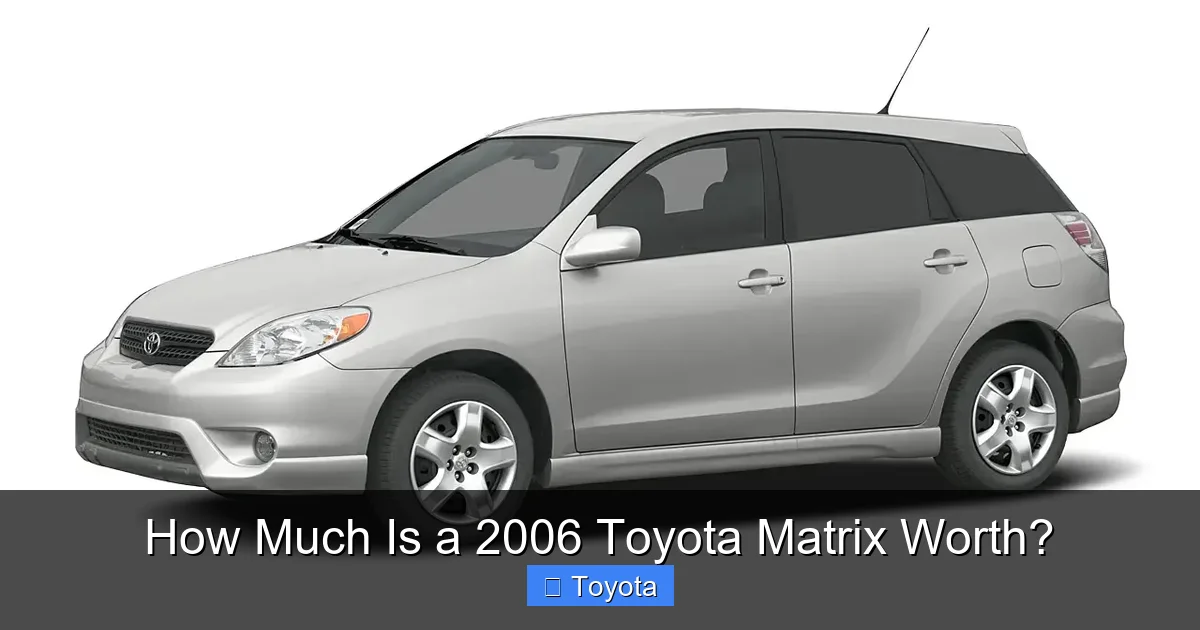
Visual guide about How Much Is a 2006 Toyota Matrix Worth?
Image source: platform.cstatic-images.com
So, how much is a 2006 Toyota Matrix worth? The answer depends on several key factors. Let’s break them down one by one so you can assess any specific vehicle with confidence.
Mileage: The Single Biggest Influence
Mileage is the most straightforward factor in determining value. A 2006 Matrix with 80,000 miles will be worth significantly more than one with 180,000 miles—even if both look clean and run well. Why? Because high mileage increases the likelihood of wear on critical components like the transmission, suspension, and engine.
As a general rule:
– Under 100,000 miles: High value, often $6,000–$7,500
– 100,000–130,000 miles: Moderate value, $4,500–$6,000
– Over 150,000 miles: Lower value, $3,000–$4,500
Keep in mind that “low mileage” for a 2006 model isn’t the same as for a newer car. At 18 years old, a Matrix with 120,000 miles is actually averaging just over 6,600 miles per year—well below the national average of 12,000–15,000. So even mid-mileage examples can be good buys if they’ve been maintained.
Trim Level and Options
Not all 2006 Matrix models are created equal. Toyota offered three main trims: the base model, the XR, and the sportier XRS. Each came with different features and performance levels, which directly affect resale value.
The base model came with basic features: manual windows, cloth seats, and a 4-speed automatic transmission. It’s the most common on the used market and typically the least valuable.
The XR trim added upgrades like power windows, power locks, a better sound system, and optional alloy wheels. It also offered a 5-speed manual transmission, which is highly sought after by driving enthusiasts.
The XRS was the performance version, featuring a more powerful 2.4-liter engine (164 hp), sport-tuned suspension, larger wheels, and a more aggressive exterior. The XRS is the rarest and most valuable trim, especially with a manual transmission. A well-maintained XRS can easily fetch $7,000 or more, even with 120,000 miles.
Options also matter. A Matrix with a sunroof, leather seats, or a premium audio system will command a higher price than a stripped-down version. But be cautious—some aftermarket upgrades (like loud exhausts or lowered suspensions) can actually reduce value for mainstream buyers.
Condition: Inside, Outside, and Under the Hood
A car’s physical and mechanical condition is just as important as its specs. A clean, well-cared-for Matrix will always be worth more than a neglected one—even if the neglected one has lower mileage.
Start with the exterior. Look for rust, especially around the wheel wells, rocker panels, and under the doors. The Matrix was prone to rust in snowy climates where road salt is used heavily. A little surface rust can be fixed, but structural rust is a red flag.
The interior should be free of major stains, tears, or odors. Smoke smell, pet damage, or water stains can be hard to remove and will scare off buyers. A clean interior suggests the owner took pride in the car—and likely maintained it well.
Under the hood, check for leaks, worn belts, and corrosion. The 1.8-liter engine is known for durability, but timing belts should be replaced every 90,000–100,000 miles. If that service hasn’t been done, it’s a $500–$800 expense the buyer will need to budget for—and they’ll factor that into their offer.
Title Status and Accident History
A clean title is essential for maximum value. A salvage or rebuilt title can cut a car’s worth in half, even if it’s in perfect condition. Why? Because insurers and lenders are wary of these vehicles, and resale becomes much harder.
Always run a vehicle history report (like Carfax or AutoCheck) before buying. Look for:
– Accident records
– Flood or fire damage
– Odometer rollback
– Number of previous owners
A single-owner car with no accidents will always be worth more than a multi-owner vehicle with a spotty history. Even minor fender benders can raise concerns about alignment or frame damage.
Geographic Location
Believe it or not, where a Matrix is located can affect its price. In states with mild climates—like California, Arizona, or Texas—cars tend to last longer and have less rust. As a result, buyers in these areas are often willing to pay more.
In contrast, vehicles from the Northeast or Midwest may have more rust and wear from winter driving, lowering their value. A Matrix from upstate New York might be worth $1,000 less than an identical one from Southern California—even with the same mileage and condition.
Also consider local demand. In college towns or cities with high gas prices, fuel-efficient compact cars like the Matrix are in higher demand, which can drive up prices.
Real-World Pricing Examples
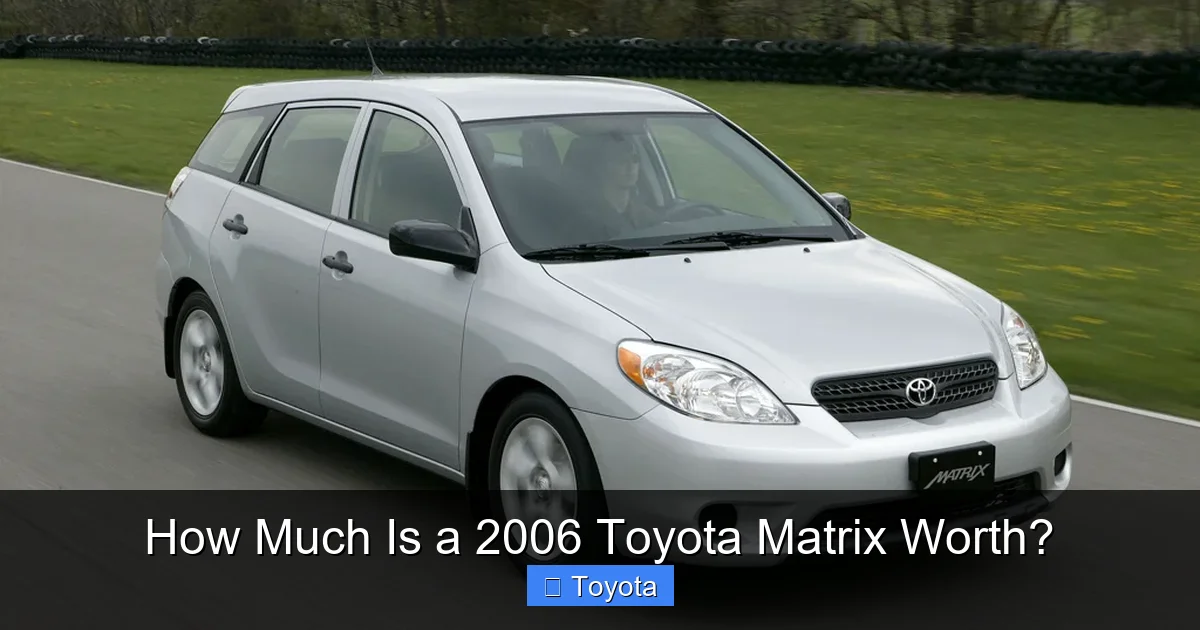
Visual guide about How Much Is a 2006 Toyota Matrix Worth?
Image source: annuelauto.ca
To give you a clearer picture, let’s look at some real-world examples of 2006 Toyota Matrix listings from across the U.S. These are based on recent data from Kelley Blue Book (KBB), Edmunds, and actual marketplace listings.
Example 1: Base Model, High Mileage
– Trim: Base
– Mileage: 165,000
– Condition: Fair (minor dents, interior wear)
– Location: Cleveland, OH
– Asking Price: $3,200
This car has high mileage and shows its age, but it runs well and has a clean title. It’s a good option for a budget buyer who needs basic transportation.
Example 2: XR Trim, Low Mileage
– Trim: XR
– Mileage: 88,000
– Condition: Excellent (garage-kept, full service records)
– Location: San Diego, CA
– Asking Price: $6,800
This is a standout example. Low mileage, excellent condition, and a desirable trim. The seller is asking near the top of the market, but it’s justified.
Example 3: XRS Trim, Manual Transmission
– Trim: XRS
– Mileage: 112,000
– Condition: Good (minor paint wear, no mechanical issues)
– Location: Austin, TX
– Asking Price: $7,200
The XRS with a manual is a rare find. Even with over 100,000 miles, it’s priced high due to its performance specs and enthusiast appeal.
Example 4: Flood-Damaged Salvage Title
– Trim: XR
– Mileage: 95,000
– Condition: Mechanically sound, but flood damage history
– Location: Miami, FL
– Asking Price: $2,500
Despite low mileage, the flood damage and salvage title make this a risky buy. Most buyers will avoid it, and lenders won’t finance it.
These examples show how much variation exists. The key is to compare apples to apples—same trim, similar mileage, and comparable condition.
How to Maximize the Value of Your 2006 Toyota Matrix
If you’re selling your Matrix, you want to get the best possible price. Here’s how to make your car stand out in a crowded market.
Clean It Inside and Out
First impressions matter. A detailed cleaning can add hundreds to your sale price. Wash and wax the exterior, clean the wheels, and remove any stickers or decals. Inside, vacuum thoroughly, wipe down surfaces, and use an odor eliminator if needed. Consider professional detailing—it’s a small investment that pays off.
Fix Minor Issues
Small repairs can make a big difference. Replace burnt-out bulbs, fix cracked windshield wipers, and touch up paint chips. A $50 repair can prevent a $500 deduction in your asking price.
Provide Maintenance Records
Buyers love documentation. Gather all service receipts, oil change records, and repair invoices. If you’ve done major work—like a timing belt replacement or brake job—highlight it. This builds trust and justifies a higher price.
Be Honest About Flaws
Don’t hide problems. Disclose any issues upfront, like a check engine light or transmission hesitation. Buyers appreciate honesty, and it prevents nasty surprises during inspection.
Price It Right
Research similar listings in your area. Use KBB, Edmunds, and local classifieds to find a fair price. Don’t overprice—buyers will skip over your ad if it’s too high. But don’t underprice either. A well-priced car sells faster and for more money.
Advertise Effectively
Take high-quality photos in good lighting. Show the exterior, interior, engine bay, and trunk. Write a clear, detailed description that includes trim, mileage, condition, and key features. Post on multiple platforms: Craigslist, Facebook Marketplace, Autotrader, and local car groups.
Is the 2006 Toyota Matrix a Good Buy in 2024?
With rising used car prices and inflation, many buyers are turning to older, reliable models like the 2006 Matrix. But is it still a smart purchase?
The short answer: yes—if you find the right one.
The Matrix offers excellent value for the money. It’s fuel-efficient, practical, and built to last. Maintenance costs are low, and parts are widely available. Insurance is affordable, and it’s easy to park and maneuver in tight spaces.
However, it’s not perfect. The ride can be stiff, especially on rough roads. The interior materials are basic, and road noise is noticeable at highway speeds. Safety tech is limited compared to modern cars—no backup cameras, blind-spot monitoring, or automatic emergency braking.
But for under $7,000, you’re getting a car that can easily last another 50,000–100,000 miles with proper care. That’s hard to beat.
Just be sure to have any used Matrix inspected by a trusted mechanic before buying. A pre-purchase inspection costs $100–$150 but can save you thousands in hidden repairs.
Conclusion
So, how much is a 2006 Toyota Matrix worth? The answer isn’t one-size-fits-all. But with the right information, you can make a smart decision whether you’re buying or selling.
Most 2006 Matrix models sell between $3,000 and $7,500, with the best examples—low mileage, clean title, and desirable trim—commanding the higher end. The XRS and manual-transmission XR models are the most valuable, while high-mileage base models are best for budget buyers.
Remember, value isn’t just about price. It’s about reliability, practicality, and peace of mind. The Matrix delivers on all three. It’s a car that proves you don’t need the latest tech or flashy looks to get where you’re going—safely, efficiently, and without breaking the bank.
If you’re in the market, take your time. Compare options, check history reports, and don’t rush. The right 2006 Toyota Matrix is out there—and it might just be the perfect fit for your lifestyle.
Frequently Asked Questions
What is the average price of a 2006 Toyota Matrix?
The average price ranges from $3,000 to $7,500, depending on condition, mileage, and trim. Well-maintained, low-mileage examples typically sell for $6,000 or more.
Is the 2006 Toyota Matrix reliable?
Yes, the 2006 Matrix is known for its reliability. With proper maintenance, many have surpassed 200,000 miles without major issues.
Which trim is the most valuable?
The XRS trim, especially with a manual transmission, is the most valuable due to its performance upgrades and rarity.
Does mileage affect the value significantly?
Absolutely. A Matrix under 100,000 miles can be worth $2,000–$3,000 more than one with over 150,000 miles, all else being equal.
Can I finance a 2006 Toyota Matrix?
Some lenders offer financing for cars up to 15–20 years old, but terms may be limited. It’s best to check with local credit unions or banks.
What should I look for when buying a used 2006 Matrix?
Check for rust, accident history, maintenance records, and mechanical condition. Always get a pre-purchase inspection by a trusted mechanic.
