
What Is a Toyota Multi-point Inspection?

A Toyota multi-point inspection is a thorough, 160-point check performed by certified technicians to assess your vehicle’s condition. It covers everything from brakes and fluids to lights and tires, ensuring safety, performance, and reliability.
Key Takeaways
- Comprehensive Vehicle Check: The Toyota multi-point inspection examines over 160 components across all major systems in your vehicle.
- Performed by Certified Technicians: Only trained Toyota professionals conduct these inspections using factory-approved tools and procedures.
- Identifies Hidden Issues: Many problems—like worn brake pads or low fluid levels—aren’t visible during everyday driving but are caught early during the inspection.
- Supports Warranty Compliance: Regular inspections help maintain your Toyota’s warranty and may be required for certain coverage claims.
- Enhances Safety and Resale Value: A well-documented inspection history proves your car has been properly maintained, boosting buyer confidence and resale price.
- Free with Many Services: Most Toyota dealerships include the multi-point inspection at no extra cost during routine maintenance visits.
- Customized Recommendations: After the inspection, you’ll receive a detailed report with prioritized repair or maintenance suggestions tailored to your driving habits and vehicle age.
📑 Table of Contents
- What Is a Toyota Multi-Point Inspection?
- Why Toyota Developed the Multi-Point Inspection
- What Does the Toyota Multi-Point Inspection Cover?
- Who Performs the Inspection and How Long Does It Take?
- Benefits of Regular Multi-Point Inspections
- When Should You Get a Multi-Point Inspection?
- How to Prepare for Your Inspection
- Common Misconceptions About Multi-Point Inspections
- Conclusion
What Is a Toyota Multi-Point Inspection?
Imagine driving down the highway, feeling confident that your Toyota is running smoothly—only to hear a strange noise or notice the check engine light flicker on. That’s where a Toyota multi-point inspection comes in. It’s not just another oil change add-on or a quick look under the hood. Instead, it’s a meticulous, 160-point evaluation designed to give you peace of mind by catching potential issues before they become costly repairs or safety hazards.
Think of it as a full-body checkup for your vehicle. Just like you’d visit your doctor for an annual physical, your Toyota benefits from regular professional assessments. The multi-point inspection is Toyota’s way of ensuring every system—from the engine and transmission to the suspension and electronics—is functioning as intended. Whether you’re due for routine maintenance or simply want to verify your car’s health, this inspection offers a transparent, detailed snapshot of your vehicle’s condition.
Why Toyota Developed the Multi-Point Inspection
Toyota has long been known for its commitment to quality, reliability, and customer satisfaction. The multi-point inspection program reflects that philosophy. Introduced as part of Toyota’s Total Quality Management approach, the inspection process was designed to standardize vehicle evaluations across dealerships worldwide. This consistency ensures that no matter where you take your Toyota—whether in Tokyo, Texas, or Toronto—you receive the same high level of service.
Visual guide about What Is a Toyota Multi-point Inspection?
Image source: paadps.com
A Proactive Approach to Vehicle Care
Rather than waiting for a breakdown or warning light, Toyota encourages proactive maintenance. The multi-point inspection helps identify wear and tear early, preventing minor issues from escalating. For example, a technician might spot a slightly low brake fluid level or a tire with uneven tread wear—both of which could compromise safety if left unaddressed. By catching these signs early, you save money, avoid inconvenient breakdowns, and extend the life of your vehicle.
Building Trust Through Transparency
One of the biggest concerns drivers have when visiting a service center is whether they’re being told the truth about their car’s condition. Toyota’s multi-point inspection addresses this by providing a clear, itemized report. You’ll see exactly what was checked, what’s in good shape, and what might need attention. This transparency builds trust and empowers you to make informed decisions about repairs and maintenance.
What Does the Toyota Multi-Point Inspection Cover?
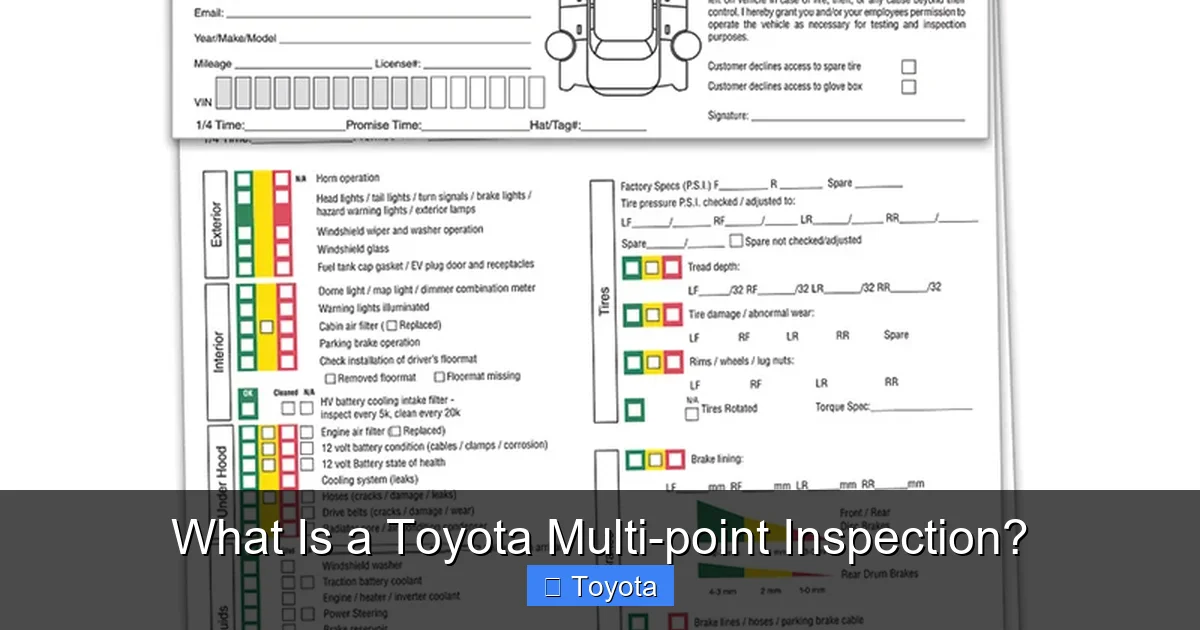
The Toyota multi-point inspection is incredibly thorough. While the exact checklist may vary slightly depending on your vehicle model and year, it generally includes over 160 inspection points across ten key areas. Here’s a breakdown of what’s typically covered:

Visual guide about What Is a Toyota Multi-point Inspection?
Image source: fixedopsdigital.s3.amazonaws.com
Engine and Underhood Components
This section focuses on the heart of your vehicle. Technicians check engine oil level and condition, coolant levels, belts and hoses for cracks or wear, air filter cleanliness, and battery health. They also inspect the serpentine belt for proper tension and look for signs of leaks around the engine block, oil pan, and radiator.
Fluids and Lubrication
Proper fluid levels are essential for smooth operation. The inspection includes checking and topping off engine oil, transmission fluid, brake fluid, power steering fluid, and windshield washer fluid. Technicians also assess fluid quality—dirty or degraded fluids can reduce performance and damage components over time.
Brake System
Safety starts with reliable brakes. During the inspection, technicians measure brake pad thickness, inspect rotors for warping or scoring, and check brake lines for leaks or corrosion. They also test the parking brake and ensure the brake fluid is at the correct level and free of contaminants.
Steering and Suspension
A smooth ride depends on a healthy suspension and steering system. Inspectors examine shock absorbers and struts for leaks or damage, check ball joints and tie rods for wear, and verify that the steering wheel responds accurately. They also look for signs of uneven tire wear, which can indicate alignment issues.
Tires and Wheels
Tires are your vehicle’s only contact with the road. The inspection includes measuring tread depth, checking for cuts, bulges, or embedded objects, and verifying proper inflation. Technicians also inspect wheel condition and ensure lug nuts are secure. If your tires are nearing the wear bar (usually at 2/32” of tread), they’ll recommend replacement.
Electrical and Lighting Systems
Modern Toyotas rely heavily on electrical components. The inspection covers headlights, brake lights, turn signals, hazard lights, and interior lighting. Technicians also test the battery voltage, alternator output, and starter function. They may use a diagnostic scanner to check for stored trouble codes in the vehicle’s computer system.
Exhaust and Emissions
To ensure your Toyota meets environmental standards, inspectors examine the exhaust system for leaks, rust, or damage. They also check the catalytic converter and oxygen sensors, which play a key role in reducing harmful emissions.
Interior and Comfort Features
Your comfort matters too. The inspection includes testing climate control systems, seat belts, airbags (via the dashboard warning light), windshield wipers, and defrosters. Technicians also check for unusual noises, vibrations, or warning lights on the dashboard.
Exterior and Body Condition
While not mechanical, the exterior condition can affect safety and resale value. Inspectors look for dents, scratches, rust, and proper alignment of doors, hood, and trunk. They also verify that all exterior lights are functioning and that mirrors are secure.
Diagnostic Scan
Using Toyota’s proprietary diagnostic tools, technicians perform a full electronic scan of your vehicle’s onboard computer. This reveals any hidden issues, such as a misfiring cylinder or a failing sensor, that might not trigger a warning light yet.
Who Performs the Inspection and How Long Does It Take?
Only certified Toyota technicians are qualified to conduct the multi-point inspection. These professionals undergo rigorous training and are equipped with the latest tools and software specific to Toyota vehicles. This expertise ensures accurate diagnostics and adherence to factory standards.
Visual guide about What Is a Toyota Multi-point Inspection?
Image source: adsco.com
Duration and Process
The inspection typically takes 30 to 45 minutes, depending on your vehicle’s complexity and whether any issues are found. It’s often performed while you wait, especially if you’re getting an oil change or tire rotation. During this time, the technician will:
- Review your vehicle’s service history
- Perform the physical inspection
- Run a diagnostic scan
- Compile a detailed report
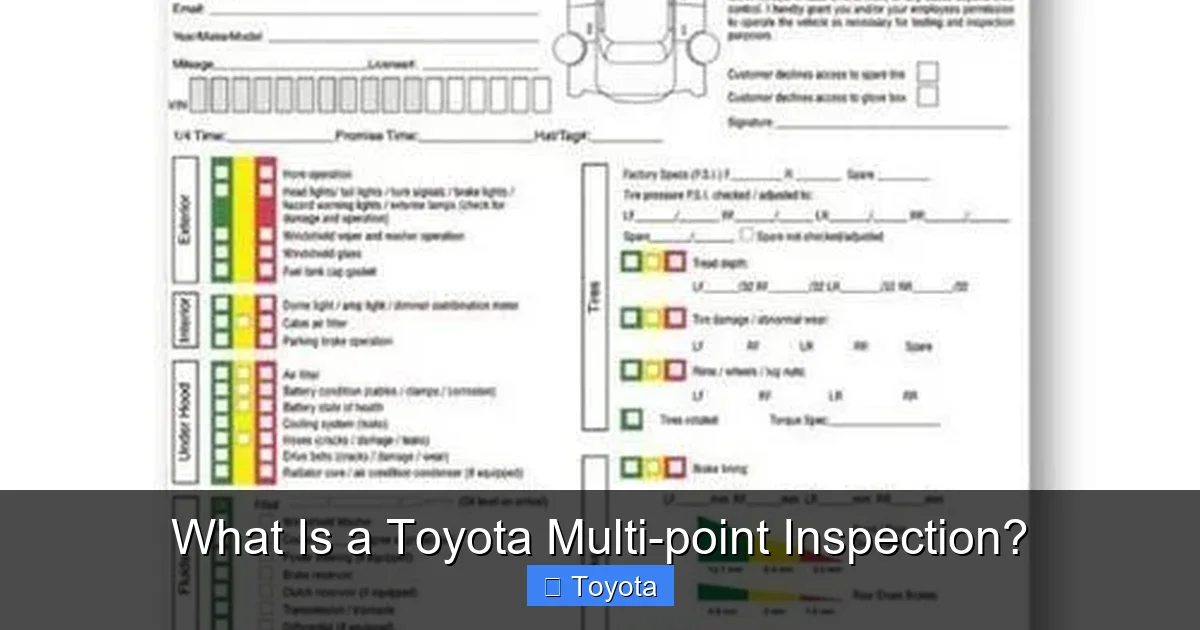
You’ll receive a printed or digital copy of the inspection results, complete with color-coded indicators (green for good, yellow for caution, red for urgent). This report makes it easy to understand what needs immediate attention and what can wait.
What Happens After the Inspection?
Based on the findings, the technician will provide personalized recommendations. For example, if your brake pads are at 3mm (below the recommended 4mm), they’ll suggest replacement soon. If your engine air filter is clogged, they’ll recommend a new one. These suggestions are prioritized by safety and urgency, helping you plan your maintenance budget wisely.
Benefits of Regular Multi-Point Inspections
Scheduling regular multi-point inspections offers numerous advantages beyond just peace of mind. Here’s how it benefits you as a Toyota owner:
Early Problem Detection
Many vehicle issues start small. A loose belt, a minor fluid leak, or a weak battery might not cause immediate problems, but they can lead to breakdowns or expensive repairs down the road. The multi-point inspection catches these early, often before you even notice symptoms.
Improved Safety
Your safety—and that of your passengers—depends on a well-maintained vehicle. Faulty brakes, worn tires, or malfunctioning lights can increase the risk of accidents. Regular inspections ensure critical safety systems are in top condition.
Extended Vehicle Lifespan
Just like regular exercise and checkups keep you healthy, routine inspections help your Toyota last longer. By addressing wear and tear promptly, you reduce stress on components and maintain optimal performance.
Higher Resale Value
When it’s time to sell or trade in your Toyota, a documented history of regular inspections and maintenance makes your vehicle more attractive to buyers. It proves you’ve taken good care of the car, which can translate to a higher resale price.
Warranty Protection
Many Toyota warranties require proof of regular maintenance. The multi-point inspection, especially when performed at a Toyota dealership, helps satisfy these requirements. This ensures you’re covered if a covered component fails.
Cost Savings Over Time
While some repairs might seem unnecessary now, they can prevent much costlier issues later. For example, replacing a worn serpentine belt costs around $150–$200. If it breaks while driving, it could damage the engine, leading to thousands in repairs.
When Should You Get a Multi-Point Inspection?
There’s no one-size-fits-all answer, but here are some common scenarios when a multi-point inspection is highly recommended:
Routine Maintenance Visits
Most Toyota owners get an inspection during every oil change or scheduled service. This is the easiest way to stay on top of your vehicle’s health without extra effort.
Before Long Trips
Planning a road trip? A pre-trip inspection ensures your Toyota is ready for the journey. Technicians will check tires, fluids, brakes, and lights to minimize the risk of breakdowns far from home.
After an Accident or Impact
Even minor fender benders can affect alignment, suspension, or sensors. An inspection helps identify hidden damage that might not be immediately visible.
When Buying a Used Toyota
If you’re purchasing a pre-owned Toyota, request a multi-point inspection from a certified dealer. This gives you confidence in the vehicle’s condition and helps negotiate a fair price.
When Warning Lights Appear
If the check engine light, ABS light, or any other warning comes on, a multi-point inspection can pinpoint the cause and prevent further damage.
Every 12 Months or 12,000 Miles
Even if your car seems fine, Toyota recommends an annual inspection to catch gradual wear and ensure all systems are functioning properly.
How to Prepare for Your Inspection
Getting the most out of your multi-point inspection starts with a little preparation. Here’s how to make the process smooth and effective:
Bring Your Owner’s Manual
Your manual contains important information about maintenance schedules, fluid types, and specifications. Technicians may reference it during the inspection.
Note Any Concerns
Before your visit, make a list of any issues you’ve noticed—strange noises, vibrations, warning lights, or performance changes. Share this with the technician so they can focus on those areas.
Check Fluid Levels Yourself
While the technician will check fluids, it’s helpful to know your current levels. This can help identify sudden drops that might indicate leaks.
Ask Questions
Don’t hesitate to ask about anything in the report. A good technician will explain findings in plain language and help you understand your options.
Review the Report Carefully
Take time to go through the inspection results. If something is marked yellow or red, ask for clarification and a timeline for repairs.
Common Misconceptions About Multi-Point Inspections
Despite their benefits, some drivers have concerns or misunderstandings about multi-point inspections. Let’s clear up a few myths:
“It’s Just a Sales Tactic to Get Me to Spend Money”
While some shops may upsell, Toyota’s inspection is designed to inform, not pressure. The report is objective, and you’re never obligated to approve repairs. You can take the findings to another shop if you prefer.
“I Can Do This Myself”
While basic checks like tire pressure or fluid levels are manageable, a full 160-point inspection requires specialized tools, training, and access to diagnostic systems. DIY inspections can miss critical issues.
“It’s Only for Older Cars”
Newer Toyotas benefit just as much. Even modern vehicles experience wear, and early detection of software glitches or sensor issues can prevent bigger problems.
“It’s Too Expensive”
Most Toyota dealerships include the multi-point inspection at no extra cost during routine service. When billed separately, it’s typically under $50—a small price for comprehensive peace of mind.
Conclusion
A Toyota multi-point inspection is more than a checklist—it’s a commitment to safety, reliability, and long-term value. By investing just 30 minutes every few months, you gain a complete understanding of your vehicle’s condition and the power to make smart maintenance decisions. Whether you’re driving a brand-new Camry or a trusty 10-year-old RAV4, this inspection helps keep you safe, saves money, and ensures your Toyota continues to deliver the performance and dependability you expect.
So the next time you visit your Toyota service center, don’t skip the multi-point inspection. It’s one of the simplest, most effective ways to protect your investment and enjoy every mile with confidence.
Frequently Asked Questions
How often should I get a Toyota multi-point inspection?
It’s recommended to have a multi-point inspection every 12 months or 12,000 miles, or during every routine service visit like an oil change. This helps catch issues early and maintain your vehicle’s health.
Is the multi-point inspection free at Toyota dealerships?
Yes, most Toyota dealerships include the multi-point inspection at no extra cost when you bring your vehicle in for scheduled maintenance or repairs.
Can I see the results of the inspection?
Absolutely. You’ll receive a detailed report with color-coded indicators showing which systems are in good condition, need attention, or require immediate repair.
Do I have to approve all recommended repairs?
No. The inspection report is informational. You decide which repairs to authorize based on your budget and priorities. You can also get a second opinion from another mechanic.
Does the inspection affect my Toyota warranty?
Regular inspections, especially when performed at a Toyota dealership, help maintain your warranty by proving proper maintenance. Some warranty claims may require service records.
Can I get a multi-point inspection on a used Toyota?
Yes. Whether you own a used Toyota or are buying one, you can request a multi-point inspection at any certified Toyota service center to assess its condition.
