
Are Toyota Tacoma Camper Shells Compatible?

Yes, Toyota Tacoma camper shells are compatible—but only if you choose the right model and bed configuration. Compatibility depends on your Tacoma’s year, cab size, and bed length, so it’s essential to match the shell to your specific truck. With the right fit, a camper shell transforms your Tacoma into a versatile adventure rig.
If you’re a Toyota Tacoma owner with a thirst for adventure, you’ve probably considered adding a camper shell to your truck bed. Whether you’re planning weekend camping trips, overlanding expeditions, or just need extra secure storage, a camper shell can be a game-changer. But before you start shopping, there’s one big question you need answered: Are Toyota Tacoma camper shells compatible?
The short answer is yes—but with important caveats. Compatibility isn’t universal. It hinges on several factors, including your Tacoma’s generation, cab configuration, bed length, and even the specific model year. Toyota has made subtle but significant changes to the Tacoma’s bed dimensions and tailgate design over the years, which means a shell designed for a 2005 Tacoma won’t necessarily fit a 2022 model—even if they look similar.
In this guide, we’ll walk you through everything you need to know about Tacoma camper shell compatibility. We’ll break down the different generations of the Tacoma, explain how bed size affects fit, and highlight the best brands and models for your truck. Whether you’re driving a first-gen Tacoma from the early 2000s or a brand-new 2024 model, we’ve got you covered. By the end, you’ll know exactly what to look for to ensure a seamless, leak-free, and functional installation.
So, let’s dive in and demystify the world of Tacoma camper shells—because your next adventure deserves the right gear.
Key Takeaways
- Compatibility depends on Tacoma generation and bed size: Not all camper shells fit every Tacoma—know your truck’s model year and bed length (short or long) before buying.
- Third-generation (2016–2023) Tacomas are the most popular: Many manufacturers design shells specifically for this generation, offering better fit and features.
- Aftermarket brands offer custom and universal options: Companies like Leer, ARE, and SnugTop provide shells tailored to Tacoma dimensions, while others offer adjustable models.
- Installation requires proper sealing and alignment: Even compatible shells need correct installation to prevent leaks, wind noise, and damage.
- Consider weight and aerodynamics: Heavier shells can affect fuel economy and handling, so choose lightweight materials like fiberglass or composite.
- Check for accessory compatibility: Ensure the shell supports roof racks, windows, lighting, and ventilation if you plan to customize.
- Used shells may require modifications: Older or mismatched shells might need trimming or reinforcement to fit newer Tacomas properly.
📑 Table of Contents
Understanding Toyota Tacoma Generations and Bed Configurations
To determine camper shell compatibility, you first need to understand the evolution of the Toyota Tacoma and how its bed design has changed over time. The Tacoma has gone through three major generations since its introduction in 1995, with each bringing updates to styling, performance, and—critically for camper shell buyers—bed dimensions.
First Generation (1995–2004)
The first-generation Tacoma featured a compact design with two bed lengths: a 6-foot (long) bed and a 5-foot (short) bed. These trucks were available in Regular Cab and Access Cab configurations. The bed rails were relatively simple, and the tailgate design was straightforward, making it easier for early camper shell manufacturers to create universal fits. However, due to the age of these vehicles, finding a new shell designed specifically for this generation can be challenging. Most available shells today are either used or custom-fabricated.
Second Generation (2005–2015)
The second-generation Tacoma marked a significant redesign, with a more rugged look and improved interior. Bed lengths remained the same—5-foot and 6-foot—but the overall bed profile changed. The tailgate became wider and slightly thicker, and the bed rails were redesigned with more pronounced contours. This means that shells made for first-gen Tacomas won’t fit properly on second-gen models without modification. Fortunately, this generation saw a surge in aftermarket support, with brands like Leer and ARE offering dedicated Tacoma shells during this era.
Third Generation (2016–Present)
The current third-generation Tacoma is the most popular among overlanders and campers, and it’s also the most widely supported by camper shell manufacturers. Available in Access Cab and Double Cab configurations, this generation offers both 5-foot and 6-foot bed options. However, there’s a key detail: the Double Cab with a 5-foot bed has slightly different bed dimensions than the Access Cab with the same bed length. This subtle difference means that even within the same generation, not all shells are interchangeable.
For example, a shell designed for a 2020 Double Cab with a 5-foot bed may not fit perfectly on a 2020 Access Cab with a 5-foot bed due to differences in bed width and tailgate height. Always double-check the manufacturer’s fitment guide before purchasing.
Bed Length Matters: Short Bed vs. Long Bed
One of the most common mistakes Tacoma owners make is assuming all 5-foot beds are the same. While they’re close, there are slight variations between generations and cab types. The 6-foot (long) bed is more consistent across models, but it’s less common on newer Tacomas, especially Double Cabs.
When shopping for a camper shell, always confirm whether your truck has a short bed (5-foot) or long bed (6-foot). Most shells are designed for one or the other, and installing the wrong size can lead to gaps, poor sealing, and structural stress.
Top Camper Shell Brands for Toyota Tacoma
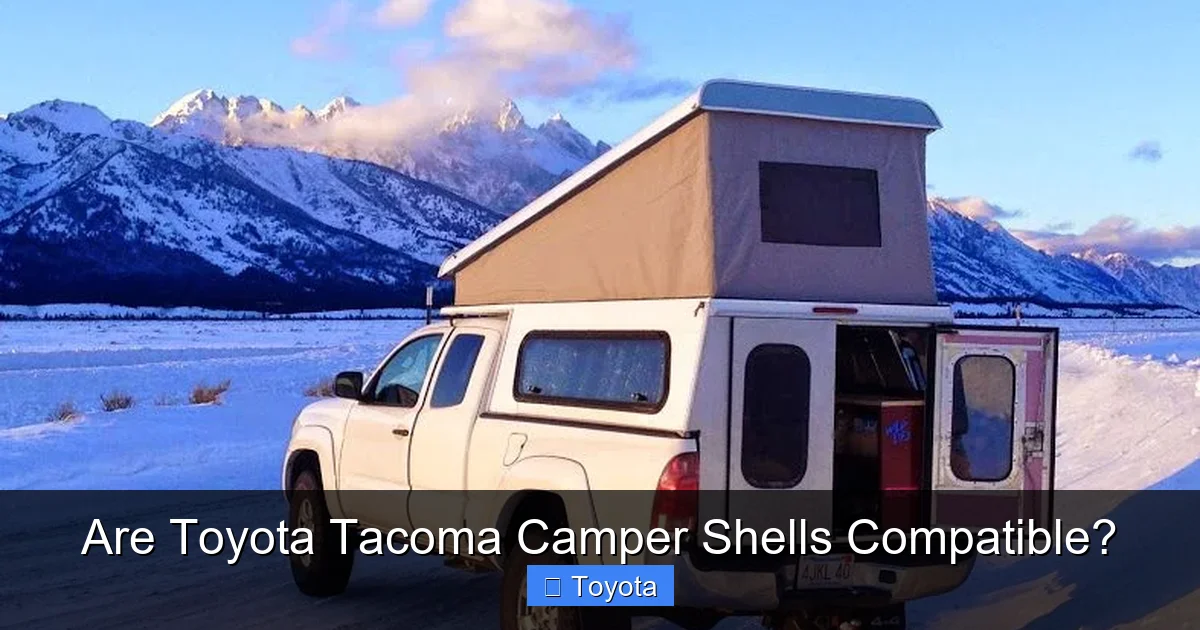
Visual guide about Are Toyota Tacoma Camper Shells Compatible?
Image source: i.pinimg.com
Now that you understand the importance of generation and bed size, let’s look at the best camper shell brands that offer reliable compatibility with Toyota Tacomas. These companies design shells specifically for the Tacoma, ensuring a precise fit and high-quality construction.
Leer
Leer is one of the most trusted names in the camper shell industry, and they offer several models tailored to the Toyota Tacoma. Their Leer 100XR and Leer 550 are popular choices for Tacoma owners. The 100XR features a sleek, low-profile design with tinted windows and a rear spoiler, while the 550 offers a more rugged, off-road-ready look with reinforced corners and optional roof racks.
Leer shells are known for their excellent fit and finish, especially on third-generation Tacomas. They use OEM-style mounting systems that align perfectly with the truck’s bed rails, minimizing the need for drilling or modifications. Leer also offers a wide range of accessories, including LED lighting, sliding windows, and ladder racks, making it easy to customize your setup.
ARE (American Recreation Equipment)
ARE is another top contender, offering durable, fiberglass shells designed for adventure. Their ARE MX Series and ZS Series are frequently recommended for Tacoma owners. The MX Series is built for off-road use, with reinforced fiberglass and a rugged exterior, while the ZS Series focuses on aerodynamics and fuel efficiency.
One standout feature of ARE shells is their attention to detail in fitment. They provide detailed fitment guides that specify exact model years and bed configurations, reducing the risk of compatibility issues. ARE also offers custom paint matching, so your shell can blend seamlessly with your Tacoma’s factory color.
SnugTop
SnugTop has been in the game for decades and is known for its high-quality, hand-laid fiberglass shells. Their SnugTop Pro and SuperSport models are excellent choices for Tacoma owners. The Pro model is designed for heavy-duty use, with a reinforced roof and optional security features, while the SuperSport offers a sportier look with tinted windows and a rear spoiler.
SnugTop shells are often praised for their tight seals and quiet ride, thanks to precision-molded edges and high-quality weatherstripping. They also offer a wide range of window and door options, including sliding side windows and rear access doors, which can be useful for campers who need easy access to gear.
Gemini
For Tacoma owners looking for something a bit different, Gemini offers innovative camper shells with unique features. Their Gemini X model includes a pop-up roof design, allowing for increased headroom when camping. This makes it a great option for taller campers or those who want a more spacious interior.
Gemini shells are designed with modularity in mind, so you can add or remove components like roof racks, awnings, and storage bins. While they’re not as widely available as Leer or ARE, they’re worth considering if you want a more customizable camping experience.
Used and Universal Shells: Proceed with Caution
While brand-name shells offer the best fit and reliability, some Tacoma owners opt for used or universal shells to save money. However, this approach comes with risks. Used shells may have wear and tear, warped edges, or outdated mounting hardware that doesn’t align with newer Tacoma beds. Universal shells, which claim to fit multiple truck models, often require trimming, shimming, or additional sealing to fit properly.
If you do go the used route, inspect the shell thoroughly for cracks, leaks, and structural damage. Measure the interior dimensions and compare them to your Tacoma’s bed. And always check the mounting system—older shells may use bolt-on clamps that don’t work with modern Tacoma bed rails.
Installation Tips for a Perfect Fit
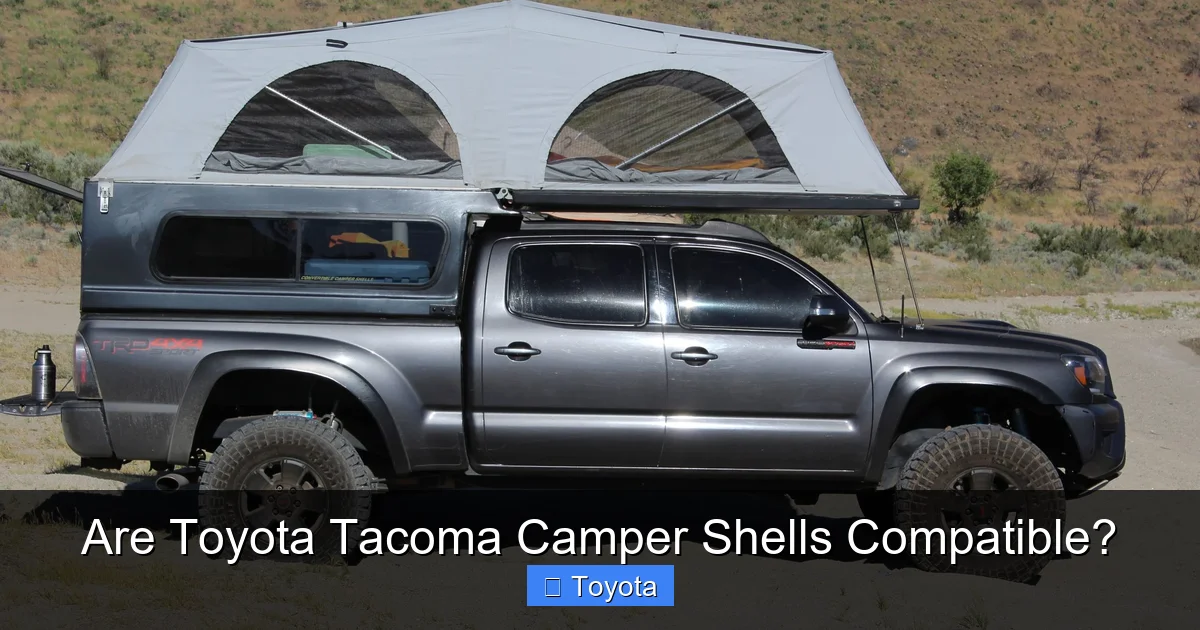
Visual guide about Are Toyota Tacoma Camper Shells Compatible?
Image source: trailtacoma.com
Even the most compatible camper shell can fail if it’s not installed correctly. Proper installation is crucial for preventing leaks, reducing wind noise, and ensuring the shell stays secure during off-road adventures. Here are some essential tips to get it right the first time.
Check the Bed Rails and Tailgate
Before installing the shell, inspect your Tacoma’s bed rails and tailgate for damage or warping. Even minor bends can prevent the shell from sitting flush, leading to gaps and leaks. Clean the bed rails thoroughly to remove dirt, grease, and old adhesive. This ensures a clean surface for the weatherstripping to seal properly.
Use the Right Mounting Hardware
Most modern camper shells use clamp-style mounting systems that attach to the bed rails without drilling. However, some older or universal shells may require drilling into the bed. If possible, avoid drilling—it can void your truck’s warranty and lead to rust over time. Instead, opt for a shell with a no-drill mounting system designed for your Tacoma’s specific model year.
Apply High-Quality Weatherstripping
A tight seal is essential for keeping rain, dust, and wind out of your truck bed. Use high-quality weatherstripping around the perimeter of the shell where it meets the bed rails. Some manufacturers include pre-installed weatherstripping, but it’s worth adding an extra layer for peace of mind. Silicone-based sealants can also be used to fill small gaps, but avoid over-applying—excess sealant can attract dirt and degrade over time.
Test for Leaks and Wind Noise
After installation, perform a water test by spraying the shell with a garden hose, paying close attention to the seams, windows, and rear door. Check the interior for any signs of moisture. Also, take your truck for a short drive at highway speeds to listen for wind noise. If you hear whistling or flapping, it may indicate a gap or loose component that needs adjustment.
Secure the Shell During Transport
Even with a proper fit, it’s important to secure the shell during transport, especially if you’re driving on rough terrain. Use tie-down straps or cargo nets to prevent shifting. Some shells come with built-in tie-down points, but if yours doesn’t, consider adding aftermarket D-rings to the bed.
Customization and Accessory Compatibility
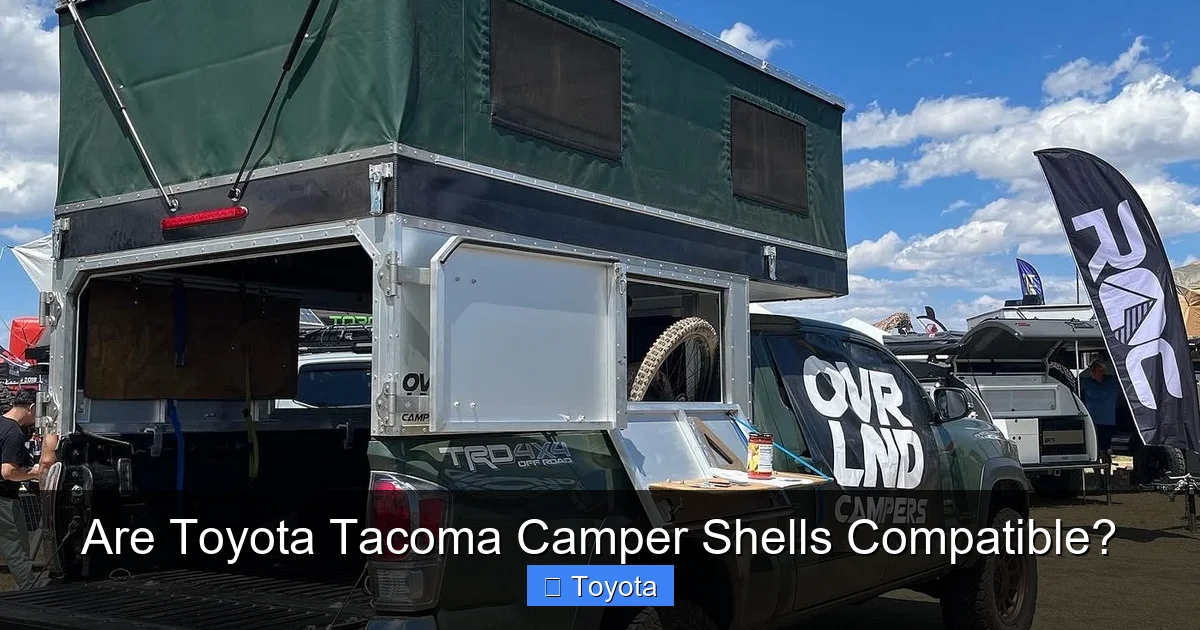
Visual guide about Are Toyota Tacoma Camper Shells Compatible?
Image source: miro.medium.com
One of the biggest advantages of a camper shell is the ability to customize it for your specific needs. Whether you’re setting up a mobile office, a weekend camping rig, or an overlanding basecamp, the right accessories can make all the difference. But not all shells support the same add-ons, so it’s important to choose one that’s compatible with your desired setup.
Roof Racks and Cargo Carriers
If you plan to carry bikes, kayaks, or rooftop tents, look for a shell with a reinforced roof and pre-installed mounting points. Brands like Leer and ARE offer optional roof racks that bolt directly to the shell, distributing weight evenly and reducing stress on the fiberglass. Avoid overloading the roof—most shells have a weight limit of 150–200 pounds, depending on the model.
Windows and Ventilation
Proper ventilation is key to preventing condensation and keeping the interior comfortable. Many shells come with fixed windows, but you can upgrade to sliding or pop-out windows for better airflow. Some models even include built-in roof vents or solar-powered fans. If you’re camping in hot climates, consider adding window screens to keep insects out while allowing fresh air in.
Interior Lighting and Power
For nighttime use, interior lighting is a must. LED strip lights are a popular choice because they’re energy-efficient and easy to install. Some shells come with pre-wired lighting systems, while others require DIY installation. If you plan to run electronics, consider adding a 12V power outlet or USB charging ports. You can connect these to your truck’s battery using a fuse-protected wiring harness.
Security Features
A camper shell is only as secure as its locking system. Look for shells with dual-point locking mechanisms and reinforced rear doors. Some models offer keyless entry or integration with your truck’s factory security system. If you’re storing valuable gear, consider adding a hidden lockbox or alarm system.
Common Compatibility Issues and How to Avoid Them
Despite careful planning, compatibility issues can still arise. Here are some of the most common problems Tacoma owners face—and how to avoid them.
Mismatched Bed Lengths
One of the easiest mistakes to make is buying a shell for the wrong bed length. A 5-foot shell on a 6-foot bed will leave a large gap, while a 6-foot shell on a 5-foot bed will overhang and may not close properly. Always double-check your truck’s bed length before purchasing. You can find this information in your owner’s manual or by measuring from the bulkhead to the tailgate.
Tailgate Interference
Some camper shells are designed to sit flush with the tailgate, while others require the tailgate to be removed or modified. On newer Tacomas, the tailgate is wider and thicker, which can interfere with certain shell designs. Check the manufacturer’s specifications to see if tailgate removal is required. If it is, make sure you have a secure way to store the tailgate when not in use.
Roof Height and Clearance
Adding a camper shell increases your truck’s overall height, which can affect clearance in parking garages, drive-thrus, and low-hanging branches. Measure the total height of your truck with the shell installed and compare it to common clearance limits. If you frequently drive in urban areas, consider a low-profile shell to minimize height gain.
Weight and Fuel Economy
Fiberglass shells are heavier than aluminum or composite alternatives, which can impact fuel economy and handling. A typical fiberglass shell weighs between 100 and 150 pounds, which may be noticeable when driving empty. If fuel efficiency is a priority, look for lightweight models or consider a soft-top shell, which offers similar functionality with less weight.
Conclusion
So, are Toyota Tacoma camper shells compatible? The answer is a resounding yes—but only if you do your homework. Compatibility depends on your Tacoma’s generation, cab type, and bed length, and even small differences can make a big impact on fit and function. By choosing a reputable brand like Leer, ARE, or SnugTop, and paying close attention to installation and customization, you can transform your Tacoma into a capable and comfortable adventure vehicle.
Whether you’re a weekend warrior or a full-time overlander, a well-fitted camper shell opens up a world of possibilities. It provides secure storage, weather protection, and a cozy sleeping space—all while maintaining the rugged charm of your Toyota Tacoma. Just remember: the key to success is matching the right shell to the right truck. Take the time to research, measure, and plan, and you’ll be rewarded with a setup that’s built to last.
So go ahead—hit the road, explore the wilderness, and make every mile count. With the right camper shell, your Tacoma is ready for anything.
Frequently Asked Questions
Do all camper shells fit every Toyota Tacoma?
No, not all camper shells fit every Toyota Tacoma. Compatibility depends on the truck’s generation, cab configuration, and bed length. Always check the manufacturer’s fitment guide before purchasing.
Can I install a camper shell myself?
Yes, many camper shells are designed for DIY installation using clamp-on mounting systems. However, proper alignment and sealing are critical, so follow the instructions carefully or consider professional installation.
Will a camper shell affect my Tacoma’s fuel economy?
Yes, adding a camper shell increases weight and can reduce aerodynamics, potentially lowering fuel economy. Lightweight materials and low-profile designs help minimize this impact.
Can I use a camper shell from a different truck model on my Tacoma?
It’s not recommended. Shells designed for other trucks may not fit properly, leading to leaks, wind noise, and safety issues. Always choose a shell made specifically for the Toyota Tacoma.
Do I need to remove the tailgate to install a camper shell?
It depends on the shell and Tacoma model. Some shells require tailgate removal, especially on newer Tacomas with wider tailgates. Check the product specifications before installation.
Are used camper shells a good option for Tacoma owners?
Used shells can save money, but they may have wear, leaks, or outdated mounting systems. Inspect thoroughly and verify compatibility before buying. New shells offer better fit and warranty protection.
