
How to Check Coolant Level in a Toyota Camry

Checking the coolant level in your Toyota Camry is a simple yet essential maintenance task that helps prevent engine overheating and costly repairs. By following a few easy steps, you can ensure your cooling system is functioning properly and your vehicle runs smoothly year-round.
Key Takeaways
- Always check coolant when the engine is cool: Opening the radiator cap on a hot engine can cause dangerous steam burns.
- Use the overflow reservoir for quick checks: Most modern Camrys use a translucent coolant reservoir with “MIN” and “MAX” markings for easy visual inspection.
- Top off with the correct coolant type: Toyota recommends using genuine Toyota Super Long Life Coolant or an equivalent that meets Toyota Standard TTS-00078.
- Inspect for leaks or discoloration: Milky or rusty coolant may indicate contamination or internal engine issues requiring professional diagnosis.
- Replace coolant every 60,000–100,000 miles: Follow your owner’s manual for specific intervals to maintain optimal cooling system performance.
- Never mix different coolant types: Mixing coolants can cause chemical reactions that damage seals and reduce efficiency.
- Check the radiator cap condition: A worn or faulty cap can lead to coolant loss and overheating, even if levels appear normal.
📑 Table of Contents
- Why Checking Coolant Level Matters in Your Toyota Camry
- Understanding Your Toyota Camry’s Cooling System
- When and How Often Should You Check Coolant?
- Step-by-Step Guide: How to Check Coolant Level in a Toyota Camry
- Choosing the Right Coolant for Your Toyota Camry
- Common Coolant Problems and How to Fix Them
- Maintaining Your Cooling System for Long-Term Performance
- Conclusion
Why Checking Coolant Level Matters in Your Toyota Camry
Your Toyota Camry is designed for reliability, comfort, and long-term performance. But even the most dependable vehicles need regular maintenance to keep running at their best. One of the most overlooked yet critical aspects of car care is monitoring the coolant level. Coolant—also known as antifreeze—plays a vital role in regulating your engine’s temperature. Without enough coolant, your engine can overheat, leading to warped cylinder heads, blown gaskets, or even complete engine failure.
The cooling system in your Camry works by circulating coolant through the engine block and radiator. As the engine runs, it generates intense heat. The coolant absorbs this heat and carries it to the radiator, where it’s cooled by airflow before returning to the engine. This continuous cycle keeps your engine operating within the ideal temperature range. If the coolant level drops too low, this system breaks down, and your engine risks overheating—especially during hot weather or heavy driving conditions.
Checking the coolant level is a simple task that takes just a few minutes, but it can save you thousands in repair costs. Many drivers assume that as long as the temperature gauge stays in the normal range, everything is fine. However, low coolant levels can go unnoticed for weeks, slowly degrading the system’s efficiency. By making coolant checks a regular part of your maintenance routine—ideally every month or before long trips—you can catch issues early and keep your Camry running smoothly.
Understanding Your Toyota Camry’s Cooling System
Visual guide about How to Check Coolant Level in a Toyota Camry
Image source: youcanic.com
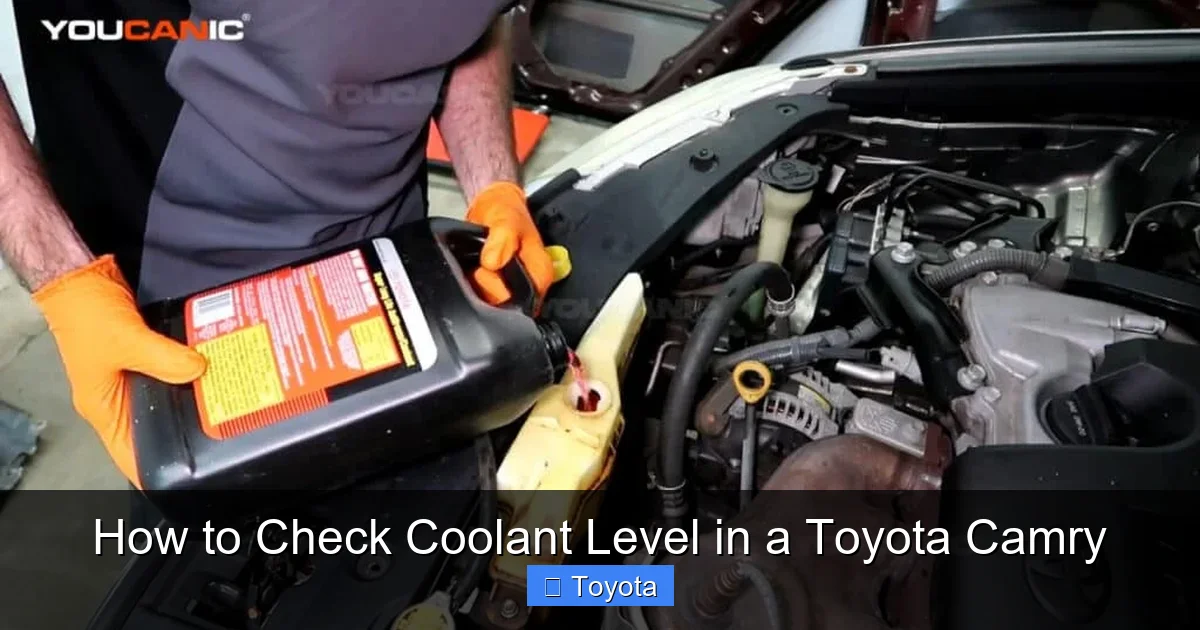
Before diving into the steps for checking coolant, it helps to understand how your Camry’s cooling system works. Unlike older vehicles that required frequent radiator top-offs, modern Camrys are equipped with a closed cooling system that includes a radiator, water pump, thermostat, radiator cap, and a coolant overflow reservoir.
The radiator is located at the front of the engine bay and is responsible for dissipating heat from the coolant. The water pump circulates the coolant throughout the engine and radiator, while the thermostat regulates the flow based on engine temperature. The radiator cap maintains system pressure, which raises the boiling point of the coolant and improves efficiency.
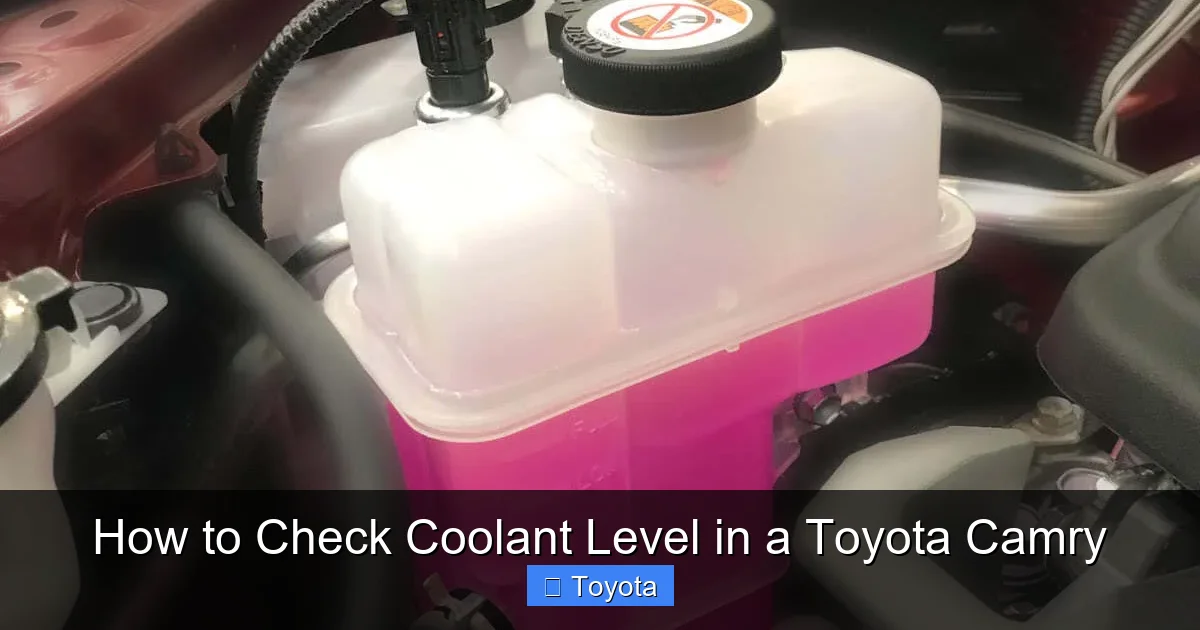
One of the most important components for routine checks is the coolant overflow reservoir. This translucent plastic tank is usually located on the passenger side of the engine bay and is connected to the radiator via a small hose. As the engine heats up, coolant expands and flows into the reservoir. When the engine cools, the vacuum created pulls the coolant back into the radiator. This design prevents coolant loss and makes it easy to monitor levels without opening the radiator cap.
The reservoir has “MIN” and “MAX” markings on the side, allowing you to quickly assess whether the coolant is at the proper level. In most cases, you’ll only need to check the reservoir—not the radiator itself—unless you suspect a leak or are performing a full coolant flush.
When and How Often Should You Check Coolant?
Visual guide about How to Check Coolant Level in a Toyota Camry
Image source: automotivetechinfo.com
Knowing when to check your coolant level is just as important as knowing how to do it. While it’s tempting to wait until you see warning signs—like the temperature gauge rising or steam under the hood—this reactive approach can lead to serious engine damage.
The best practice is to check your coolant level at least once a month. This routine check takes less than five minutes and can be done during other basic maintenance tasks like checking oil or tire pressure. It’s also wise to inspect the coolant before long road trips, especially if you’ll be driving in hot weather or mountainous terrain where engine load increases.
Additionally, you should check the coolant level if you notice any of the following signs:
– The temperature gauge rises above the normal range
– You see coolant puddles under your parked car
– The heater inside the cabin blows cold air
– You smell a sweet, syrupy odor (a sign of coolant leak)
If you’re performing seasonal maintenance—such as preparing your Camry for winter or summer—include a coolant check in your checklist. Cold weather can cause coolant to contract, potentially lowering the level below the “MIN” mark. Hot weather increases the risk of overheating, so ensuring adequate coolant is crucial.
Step-by-Step Guide: How to Check Coolant Level in a Toyota Camry

Visual guide about How to Check Coolant Level in a Toyota Camry
Image source: i.ytimg.com
Now that you understand why coolant matters and when to check it, let’s walk through the actual process. Checking the coolant level in your Toyota Camry is straightforward, but safety and precision are key.
Step 1: Park on a Level Surface and Let the Engine Cool
Start by parking your Camry on a flat, level surface. This ensures an accurate reading, as coolant levels can appear higher or lower on inclines. Turn off the engine and allow it to cool completely—this usually takes 30 to 60 minutes. Never attempt to open the radiator cap or check the reservoir while the engine is hot. The cooling system is pressurized when hot, and opening it can release scalding steam and coolant, causing severe burns.
If you’ve just driven the car, wait until the engine is cool to the touch. You can speed up the process by opening the hood to improve airflow, but never rush this step.
Step 2: Locate the Coolant Reservoir
Open the hood and locate the coolant overflow reservoir. On most Toyota Camry models from 2000 onward, it’s a translucent white or gray plastic tank on the passenger side of the engine bay. It’s usually labeled with “Engine Coolant” or has a symbol of a radiator with fluid.
The reservoir is connected to the radiator by a small rubber hose and has a cap that can be twisted off. Look for the “MIN” and “MAX” markings on the side of the tank. These indicate the acceptable range for coolant level when the engine is cold.
Step 3: Inspect the Coolant Level
With the engine cool, check the coolant level by looking through the translucent walls of the reservoir. The fluid should be between the “MIN” and “MAX” lines. If it’s at or below the “MIN” mark, you’ll need to add coolant.
Avoid opening the reservoir cap unless necessary. Simply observing the level through the plastic is usually sufficient. However, if the level is low or you’re unsure, you can carefully remove the cap to get a clearer view. Twist the cap slowly to release any residual pressure, even when the engine is cool.
Step 4: Add Coolant if Needed
If the coolant level is low, it’s time to top it off. Use only the recommended coolant type—Toyota Super Long Life Coolant (pink or red) or an equivalent that meets Toyota Standard TTS-00078. Never use plain water, as it can cause corrosion and reduce the coolant’s effectiveness.
Pour the coolant slowly into the reservoir until it reaches the “MAX” line. Avoid overfilling, as excess coolant will be expelled through the overflow hose when the engine heats up. Replace the cap securely after topping off.
If the coolant level is consistently low, it may indicate a leak in the system. Check for visible signs of leakage around hoses, the radiator, water pump, or radiator cap. A professional inspection may be necessary.
Step 5: Check the Radiator (Optional)
In most cases, checking the reservoir is enough. However, if you suspect a problem or are performing a full coolant service, you may need to inspect the radiator itself.
To do this, locate the radiator cap—usually on the top of the radiator. Again, ensure the engine is completely cool. Slowly twist the cap counterclockwise to the first stop, allowing any pressure to escape. Then remove it fully.
Look inside the radiator filler neck. The coolant should be visible near the top. If it’s not, add coolant until it reaches the neck. Replace the cap securely.
Note: Some newer Camry models have a sealed radiator system with no removable cap. In these cases, rely solely on the reservoir for checks.
Step 6: Inspect Coolant Condition
While checking the level, take a moment to assess the coolant’s condition. Healthy coolant should be bright pink, red, or green (depending on the type) and clear, with no debris or cloudiness.
If the coolant looks milky or oily, it may be contaminated with engine oil—a sign of a head gasket leak. Rusty or brown coolant indicates corrosion inside the system. In either case, have your Camry inspected by a qualified technician.
Also, check the reservoir and hoses for cracks, brittleness, or leaks. Replace any damaged components promptly.
Choosing the Right Coolant for Your Toyota Camry
Using the correct coolant is essential for protecting your Camry’s engine and cooling system. Toyota specifies the use of Super Long Life Coolant, which is formulated to last up to 100,000 miles or 10 years under normal driving conditions.
This coolant is typically pink or red and is pre-mixed with distilled water in a 50/50 ratio. It contains organic acid technology (OAT) inhibitors that prevent corrosion without forming harmful deposits. Mixing it with other coolant types—especially traditional green ethylene glycol coolants—can reduce its effectiveness and cause chemical reactions that damage seals and gaskets.
If you can’t find Toyota-branded coolant, look for an equivalent that meets the TTS-00078 standard. Avoid universal or “all-makes” coolants unless they are specifically approved for Toyota vehicles.
Never use undiluted coolant or plain tap water. Tap water contains minerals that can cause scale buildup and corrosion. Always use distilled or deionized water if you need to mix your own coolant.
When topping off, add the same type of coolant that’s already in the system. If you’re unsure, it’s safer to have the system flushed and refilled by a professional.
Common Coolant Problems and How to Fix Them
Even with regular checks, coolant issues can arise. Here are some common problems and how to address them:
Low Coolant Level
If your coolant level is consistently low, it’s likely due to a leak. Common leak points include:
– Radiator seams or core
– Water pump weep hole
– Heater core hoses
– Radiator cap
Inspect the engine bay for wet spots, stains, or crusty residue. A pressure test can help locate hidden leaks. Small leaks may be repairable with sealants, but major leaks often require part replacement.
Overheating
Overheating can result from low coolant, a faulty thermostat, a clogged radiator, or a failing water pump. If your temperature gauge rises, pull over safely and turn off the engine. Let it cool before checking coolant levels. Never drive an overheating vehicle—it can cause catastrophic engine damage.
Coolant Contamination
Milky coolant suggests oil mixing with coolant, often due to a blown head gasket. This requires immediate professional attention. Rusty coolant indicates internal corrosion, which may require a radiator flush and replacement of damaged components.
Faulty Radiator Cap
A worn radiator cap can’t maintain proper system pressure, leading to coolant loss and overheating. Replace the cap every 5 years or as recommended in your owner’s manual.
Maintaining Your Cooling System for Long-Term Performance
Regular coolant checks are just one part of cooling system maintenance. To keep your Camry running smoothly, follow these best practices:
– Replace coolant every 60,000 to 100,000 miles, or as specified in your owner’s manual.
– Inspect hoses and belts annually for cracks, bulges, or wear.
– Flush the cooling system every 5 years to remove sludge and contaminants.
– Use a coolant system cleaner if you notice reduced heater performance or overheating.
– Keep the radiator clean by gently spraying it with water to remove bugs, dirt, and debris.
By staying proactive, you’ll extend the life of your engine and avoid unexpected breakdowns.
Conclusion
Checking the coolant level in your Toyota Camry is a quick, simple task that can prevent major engine problems. By inspecting the reservoir monthly, using the correct coolant, and addressing leaks promptly, you’ll keep your cooling system in top condition. Remember: always check coolant when the engine is cool, and never ignore warning signs like overheating or low levels. With a little attention, your Camry will continue to deliver the reliability and performance Toyota is known for.
Frequently Asked Questions
Can I check coolant level when the engine is hot?
No, never check the coolant level when the engine is hot. The cooling system is pressurized, and opening the cap can release scalding steam and coolant, causing serious burns. Always wait until the engine is completely cool.
What happens if I overfill the coolant reservoir?
Overfilling the reservoir is generally not harmful, as excess coolant will be expelled through the overflow hose when the engine heats up. However, it’s best to keep the level between the “MIN” and “MAX” marks to avoid unnecessary spillage.
Can I use water instead of coolant in an emergency?
In a true emergency, you can use distilled water to top off the coolant temporarily. However, this should only be a short-term fix. Water lacks corrosion inhibitors and can cause damage if used long-term. Replace it with proper coolant as soon as possible.
How do I know if my coolant needs to be replaced?
Coolant should be replaced every 60,000 to 100,000 miles, or as recommended in your owner’s manual. Signs it needs changing include discoloration, cloudiness, or a sweet smell. A professional flush is recommended for best results.
Why is my coolant level always low?
Consistently low coolant levels usually indicate a leak in the system. Common causes include damaged hoses, a faulty radiator cap, a leaking water pump, or a cracked radiator. Have your vehicle inspected by a mechanic to locate and fix the leak.
Is it safe to drive with low coolant?
Driving with low coolant is risky and can lead to engine overheating and severe damage. If the level is below the “MIN” mark, top it off immediately and check for leaks. If the coolant is very low or you notice overheating, stop driving and call for assistance.
