
What Is a Car Glass Roof

A car glass roof is a transparent or tinted panel installed in a vehicle’s roof, offering natural light, an open-air feel, and modern style. Available in fixed, panoramic, and sunroof styles, it improves visibility and ambiance while requiring proper care to maintain clarity and function.
Have you ever driven a car and felt like you were sitting in a sunlit lounge rather than a vehicle? That airy, open feeling often comes from one stylish feature: the car glass roof. More than just a design statement, a glass roof transforms the way you experience every drive—whether you’re cruising down the highway or parked at a scenic overlook. It brings the outside in, letting sunlight pour into the cabin and giving passengers a sense of freedom and connection to the world above.
But what exactly is a car glass roof? Simply put, it’s a transparent or semi-transparent panel made of specially treated glass that replaces part or all of a vehicle’s traditional metal roof. These roofs come in various forms—fixed panels, sliding sunroofs, or expansive panoramic designs—and are engineered for both style and safety. While they’ve been around for decades, recent advancements in materials and manufacturing have made glass roofs more durable, energy-efficient, and accessible across a wide range of vehicle types, from luxury sedans to compact SUVs.
In this guide, we’ll explore everything you need to know about car glass roofs—how they work, the different types available, their benefits and drawbacks, and how to care for them. Whether you’re considering a new car purchase or just curious about this modern automotive feature, you’ll walk away with a clear understanding of why so many drivers are choosing glass over steel when it comes to their vehicle’s roof.
Key Takeaways
- Enhanced Natural Light: A car glass roof floods the cabin with daylight, creating a brighter, more spacious interior atmosphere.
- Improved Aesthetics: Glass roofs give vehicles a sleek, modern look, often increasing resale value and curb appeal.
- Multiple Types Available: Options include fixed glass panels, panoramic roofs, and operable sunroofs—each offering different levels of openness and functionality.
- UV and Heat Protection: Modern glass roofs often feature UV coatings and tinting to reduce heat buildup and protect passengers and interiors.
- Noise and Weather Considerations: Properly installed glass roofs are designed to minimize wind noise and withstand rain, snow, and temperature changes.
- Maintenance Matters: Regular cleaning and inspection prevent scratches, leaks, and seal damage, ensuring long-term performance.
- Safety and Durability: Automotive glass roofs are made from laminated or tempered glass, designed to stay intact during impacts and rollovers.
📑 Table of Contents
What Is a Car Glass Roof?
A car glass roof is an integrated transparent or tinted panel installed in the roof of a vehicle, designed to allow natural light into the cabin while maintaining structural integrity and passenger safety. Unlike traditional metal roofs, glass roofs use advanced automotive-grade glass that is engineered to withstand impacts, temperature changes, and environmental stress. These panels can be fixed (non-opening) or operable (opening), and they may cover a small section of the roof or extend across nearly the entire top surface of the vehicle.
The primary purpose of a glass roof is to enhance the driving and riding experience by increasing visibility and natural illumination. But it’s not just about looks—glass roofs are carefully engineered components that contribute to a vehicle’s overall design, aerodynamics, and safety. Modern glass roofs are made from laminated or tempered glass, similar to windshields, which means they’re built to stay in place even if cracked, reducing the risk of injury during an accident.
You’ll find glass roofs in a variety of vehicle segments, from high-end luxury models like the Mercedes-Benz S-Class and BMW 7 Series to more affordable options like the Toyota Camry and Hyundai Tucson. Even electric vehicles like the Tesla Model S and Ford Mustang Mach-E feature expansive glass roofs, emphasizing openness and a futuristic aesthetic. As consumer demand for brighter, more inviting interiors grows, automakers are increasingly incorporating glass roofs into their designs—not just as an optional upgrade, but sometimes as a standard feature.
How Does a Car Glass Roof Work?
At first glance, a glass roof might seem like a simple piece of glass glued to the top of a car. But in reality, it’s a complex system involving precise engineering, sealing technology, and integration with the vehicle’s structure. The glass itself is typically made from laminated safety glass, which consists of two layers of glass bonded together with a layer of polyvinyl butyral (PVB) in between. This design prevents the glass from shattering into sharp pieces upon impact—instead, it holds together, much like a windshield.
In addition to the glass, the roof system includes weatherproof seals around the edges to prevent water, dust, and wind from entering the cabin. These seals are made from durable rubber or silicone and are designed to last for years, even under extreme weather conditions. For operable glass roofs—like sliding or tilting sunroofs—there are also mechanical components such as motors, tracks, and control switches that allow the panel to open and close smoothly.
Many modern glass roofs also include built-in sunshades or blinds, which can be manually or electrically operated. These shades help block direct sunlight when needed, reducing glare and heat buildup inside the car. Some high-end models even feature electrochromic glass, which can change its tint level at the touch of a button, offering on-demand privacy and temperature control.
Types of Car Glass Roofs
Not all glass roofs are created equal. Depending on your needs and preferences, you can choose from several types, each offering different levels of functionality and openness.
One of the most common types is the fixed glass roof. As the name suggests, this panel doesn’t open—it’s permanently sealed in place. While it doesn’t offer ventilation, it provides maximum light and a wide, unobstructed view of the sky. Fixed glass roofs are often used in coupes and sports cars where aerodynamics and weight distribution are critical.
Another popular option is the panoramic glass roof, which covers a large portion of the vehicle’s roof—sometimes from the front windshield to the rear window. These roofs can be fully fixed or include one or more operable sections. Panoramic roofs are especially common in SUVs and crossovers, where they enhance the sense of space and openness for both front and rear passengers.
Then there’s the operable glass sunroof, which can slide open or tilt upward to allow fresh air into the cabin. These are often smaller than panoramic roofs but offer the added benefit of ventilation. Some models feature a dual-pane system, where both the front and rear sections can open independently, giving passengers more control over airflow.
Finally, some vehicles come with retractable glass roofs, which slide back completely to create an open-top experience—similar to a convertible, but with the structural rigidity of a hardtop. These are less common and typically found in high-performance or luxury vehicles, such as the Mazda MX-5 RF or certain Porsche models.
Benefits of a Car Glass Roof
Visual guide about What Is a Car Glass Roof
Image source: cdn.motor1.com
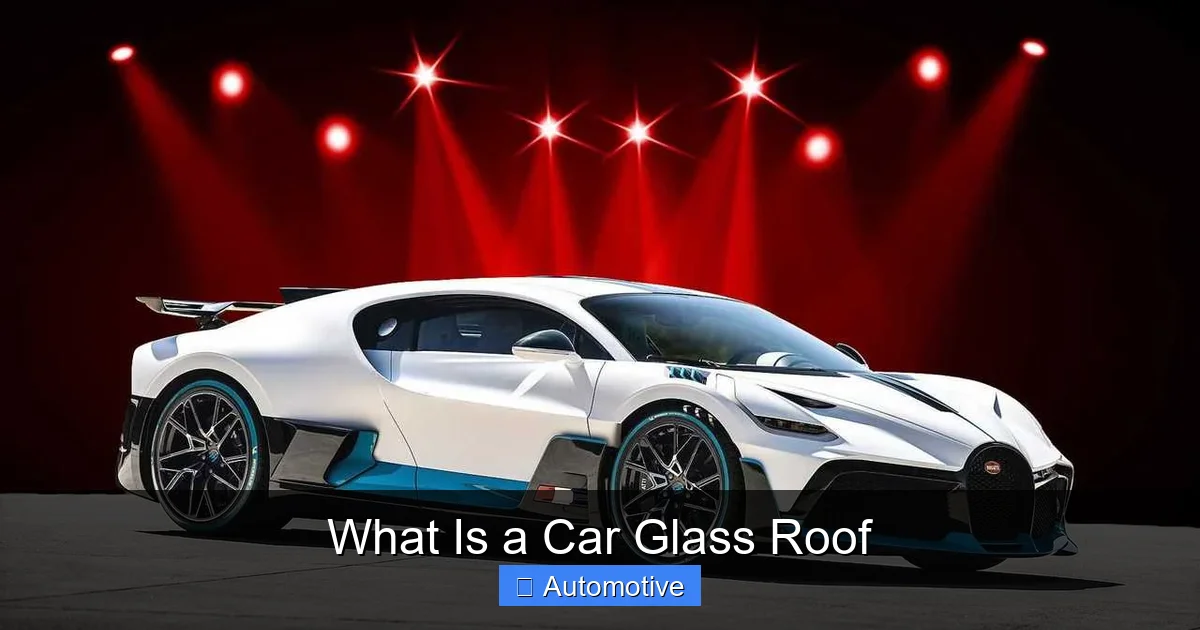
There’s a reason why car glass roofs have become so popular in recent years—they offer a range of benefits that go beyond just looking cool. From improving mood and visibility to enhancing resale value, here’s why many drivers consider a glass roof a must-have feature.
Brighter, More Open Interior
One of the most immediate benefits of a glass roof is the flood of natural light it brings into the cabin. Sunlight has been shown to boost mood, reduce fatigue, and improve overall well-being—especially on long drives. Instead of feeling closed in or confined, passengers enjoy a sense of openness and connection to the outdoors. This is particularly valuable in urban environments or during winter months when daylight hours are limited.
The increased light also makes the interior feel more spacious, even in smaller vehicles. Dark upholstery and cramped seating can feel less oppressive when sunlight is streaming in from above. For families, this can make car rides more enjoyable for kids, who often love looking up at clouds, birds, or passing trees.
Enhanced Visibility and Awareness
A glass roof doesn’t just improve forward and side visibility—it also expands your upward field of view. This can be especially helpful in tight parking situations, at intersections, or when navigating narrow streets. Being able to see more of your surroundings helps you stay aware of potential hazards, like low-hanging branches, traffic signals, or pedestrians.
For drivers who enjoy scenic routes or mountain drives, a glass roof offers an immersive experience. Imagine driving through a forest with sunlight filtering through the trees, or cruising along a coastal highway with the ocean stretching out beneath a clear blue sky. A glass roof turns every trip into a visual journey.
Modern Aesthetic and Resale Value
Let’s face it—glass roofs look sleek. They give vehicles a high-tech, premium appearance that appeals to a wide range of buyers. Whether it’s a subtle fixed panel or a full panoramic expanse, a glass roof signals modernity and attention to detail. This aesthetic upgrade can significantly boost a vehicle’s curb appeal and perceived value.
In the used car market, vehicles with glass roofs often command higher resale prices. Buyers are willing to pay a premium for features that enhance comfort and style, and a glass roof is one of the most visible and desirable upgrades. Even in more affordable models, a glass roof can set a vehicle apart from competitors and make it more attractive to potential buyers.
Improved Air Quality and Ventilation (for Operable Roofs)
If your glass roof is operable—meaning it can open or tilt—you gain the added benefit of natural ventilation. Fresh air circulation helps reduce stuffiness, eliminate odors, and prevent the buildup of humidity inside the car. This is especially useful on warm days when you want to cool down without blasting the air conditioning.
Opening the roof also allows you to enjoy the sounds of nature—birds chirping, leaves rustling, or the gentle hum of the wind. For many drivers, this sensory experience enhances the joy of driving and makes even routine trips feel more relaxing.
Drawbacks and Considerations
Visual guide about What Is a Car Glass Roof
Image source: turbochaos.com
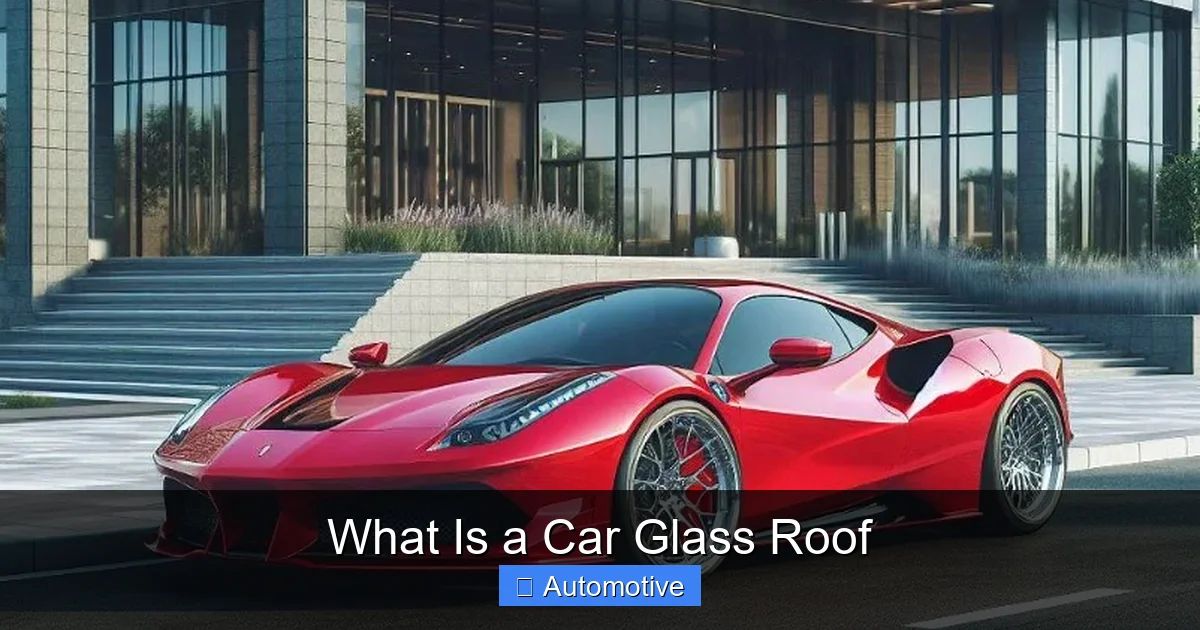
While car glass roofs offer many advantages, they’re not without their challenges. It’s important to weigh the pros and cons before deciding if a glass roof is right for your lifestyle and driving habits.
Heat and Glare Issues
One of the most common complaints about glass roofs is heat buildup. Even with UV protection and tinting, sunlight streaming through the glass can raise interior temperatures—especially in hot climates or during summer months. This can make the cabin uncomfortably warm and increase the load on your air conditioning system, potentially reducing fuel efficiency in gas-powered vehicles or range in electric cars.
Glare is another issue, particularly when driving toward the sun in the morning or evening. While many glass roofs include built-in sunshades or anti-glare coatings, these aren’t always 100% effective. Wearing sunglasses or adjusting the sun visor can help, but it’s something to keep in mind if you frequently drive during peak sunlight hours.
Noise and Wind Resistance
Although modern glass roofs are designed to minimize wind noise, some drivers report increased cabin noise—especially at high speeds or on rough roads. This is more common with operable roofs that aren’t perfectly sealed or with older models that lack advanced acoustic insulation.
Additionally, the aerodynamic profile of a glass roof can affect airflow around the vehicle. While automakers work to optimize design, some glass roofs may create slight turbulence or wind buffeting, particularly when open. This is usually minimal but can be noticeable in certain driving conditions.
Cost and Repair Complexity
Glass roofs are more expensive to manufacture and install than traditional metal roofs, which can increase the overall price of a vehicle. If you’re on a tight budget, a glass roof might push a model out of your price range—or require you to skip other desirable features.
Repairs can also be costly. Unlike a dented metal roof, a cracked or damaged glass panel typically requires full replacement, which can run into the thousands of dollars. Insurance coverage varies, so it’s wise to check your policy and consider adding glass protection if you opt for a glass roof.
Weight and Structural Impact
Glass is heavier than steel, and large panoramic roofs can add significant weight to a vehicle. This may affect handling, acceleration, and fuel efficiency—especially in smaller or performance-oriented cars. However, automakers often compensate by using lightweight materials elsewhere in the vehicle or reinforcing the roof structure to maintain safety and rigidity.
In the event of a rollover, a glass roof must be strong enough to support the vehicle’s weight and protect occupants. Modern designs meet strict safety standards, but it’s still a factor to consider, particularly for off-road or high-performance driving.
Types of Glass Used in Car Roofs
Visual guide about What Is a Car Glass Roof
Image source: images.pexels.com
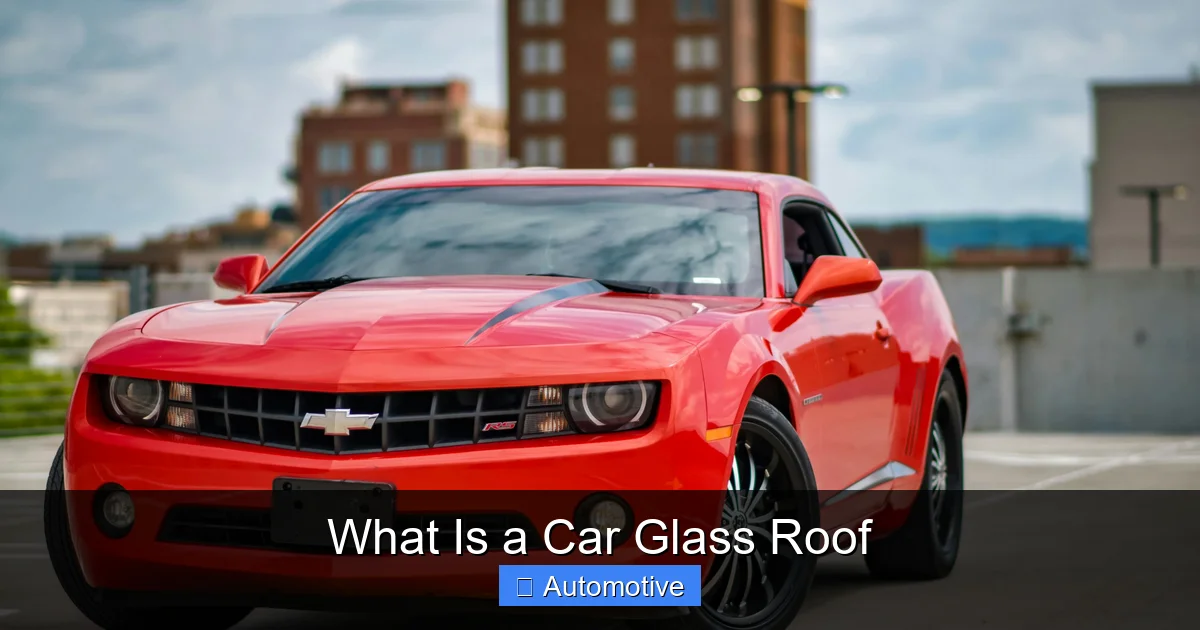
Not all glass is created equal—especially when it comes to automotive applications. The glass used in car roofs undergoes rigorous testing and treatment to ensure it meets safety, durability, and performance standards.
Laminated vs. Tempered Glass
Most car glass roofs use laminated glass, which consists of two layers of glass bonded with a plastic interlayer (usually PVB). This design prevents the glass from shattering into sharp pieces if broken. Instead, the shards stick to the interlayer, reducing the risk of injury. Laminated glass is also excellent at blocking UV rays and reducing noise, making it ideal for fixed and panoramic roofs.
Tempered glass, on the other hand, is heat-treated to increase strength and shatter into small, dull pieces when broken. It’s commonly used in side and rear windows but less frequently in roofs due to its tendency to break completely upon impact. However, some operable sunroofs use tempered glass for its lightweight properties and ease of movement.
Coatings and Tinting
To improve comfort and protection, many glass roofs feature special coatings. Low-emissivity (Low-E) coatings reflect infrared light, helping to keep the cabin cooler by reducing heat transfer. UV-blocking films prevent harmful ultraviolet rays from fading upholstery, damaging skin, or causing eye strain.
Some manufacturers also apply hydrophobic coatings that repel water and dirt, making the glass easier to clean and improving visibility in rain. These coatings can last for several years but may wear off over time and require reapplication.
Electrochromic and Smart Glass
At the cutting edge of glass technology is electrochromic glass, also known as smart glass. This innovative material can change its tint level electronically, allowing drivers to switch from clear to dark with the push of a button. Tesla’s “Glass Roof” on the Model S, for example, uses this technology to offer on-demand shade and privacy.
While still relatively rare and expensive, smart glass is gaining traction in luxury and electric vehicles. It offers unparalleled control over light and heat, making it a game-changer for comfort and energy efficiency.
Maintenance and Care Tips
To keep your car glass roof looking great and functioning properly, regular maintenance is essential. With the right care, your glass roof can last for the life of the vehicle—and continue to enhance your driving experience.
Cleaning the Glass
Dirt, dust, bird droppings, and tree sap can accumulate on the glass, reducing clarity and potentially causing scratches if not removed. Use a soft microfiber cloth and a mild glass cleaner (avoid ammonia-based products, which can damage seals and coatings). For stubborn stains, a mixture of water and white vinegar works well.
Always clean the roof when the glass is cool—never in direct sunlight—to prevent streaks. Pay special attention to the edges and seals, where debris can build up and cause leaks.
Inspecting Seals and Drains
Water leakage is one of the most common issues with glass roofs, especially operable ones. Over time, seals can dry out, crack, or become misaligned, allowing water to seep into the cabin. Regularly inspect the rubber seals around the glass for signs of wear or damage.
Also, check the drainage channels and tubes that direct water away from the roof. These can become clogged with leaves or dirt, leading to pooling and potential leaks. Most vehicles have drain tubes near the corners of the roof—gently flush them with water to ensure they’re clear.
Operating Mechanisms
If your glass roof opens or tilts, make sure the motor and tracks are functioning smoothly. Listen for unusual noises, such as grinding or clicking, which could indicate a mechanical issue. Avoid forcing the roof open or closed, as this can damage the mechanism.
Lubricate moving parts with a silicone-based lubricant (never use oil-based products, which can attract dirt). If you notice any resistance or malfunction, have it inspected by a professional—don’t wait until it stops working entirely.
Professional Inspections
Even with regular care, it’s a good idea to have your glass roof inspected by a qualified technician every few years—especially if you live in an area with extreme weather or drive frequently on rough roads. They can check for hidden damage, test the seals, and ensure all components are in working order.
Future Trends in Car Glass Roofs
As automotive technology evolves, so do glass roofs. Manufacturers are constantly innovating to make them safer, smarter, and more efficient.
One emerging trend is the integration of solar panels into glass roofs. Companies like Hyundai and Toyota are experimenting with photovoltaic glass that can generate electricity to power auxiliary systems or extend EV range. While still in early stages, solar glass roofs could become a game-changer for sustainable driving.
Another development is the use of augmented reality (AR) displays embedded in the glass. Imagine looking up and seeing navigation arrows, speed limits, or points of interest projected onto the roof. While this technology is still in development, it could redefine how we interact with our vehicles.
Finally, advancements in lightweight composites and self-healing glass promise to make future glass roofs even more durable and efficient. These materials could reduce weight, improve fuel economy, and extend the lifespan of the roof.
Conclusion
A car glass roof is more than just a stylish accessory—it’s a transformative feature that enhances light, visibility, comfort, and overall driving enjoyment. Whether you choose a fixed panel, a panoramic expanse, or an operable sunroof, a glass roof can turn every journey into a brighter, more open experience.
While there are some drawbacks—such as heat buildup, cost, and maintenance—advancements in glass technology and design are continually improving performance and reliability. With proper care, a glass roof can provide years of beauty and functionality.
As automakers continue to push the boundaries of innovation, we can expect even more exciting developments in the world of car glass roofs. From solar power to smart tinting, the future is looking brighter than ever—literally.
So, if you’re in the market for a new vehicle, consider the benefits of a glass roof. It might just be the feature that makes your next drive feel like a breath of fresh air.
Frequently Asked Questions
Are car glass roofs safe in accidents?
Yes, car glass roofs are designed with safety in mind. They use laminated or tempered glass that stays intact during impacts and helps maintain structural integrity in rollovers. Modern designs meet strict safety standards to protect occupants.
Can a glass roof leak?
While rare, leaks can occur if seals degrade or drainage systems clog. Regular maintenance, including cleaning and inspecting seals and drains, helps prevent water intrusion and ensures long-term performance.
Do glass roofs increase cabin temperature?
They can, especially in direct sunlight. However, most modern glass roofs include UV-blocking coatings and sunshades to reduce heat buildup and protect passengers and interiors.
Can I install a glass roof on my existing car?
Retrofitting a glass roof is complex, expensive, and often not recommended due to structural and safety concerns. It’s best to purchase a vehicle with a factory-installed glass roof.
How much does it cost to replace a car glass roof?
Replacement costs vary widely, typically ranging from $1,000 to $5,000 or more, depending on the vehicle, glass type, and labor. Insurance may cover the cost if you have comprehensive coverage.
Do glass roofs affect fuel efficiency?
They can slightly reduce fuel efficiency due to added weight and potential aerodynamic changes, but the impact is usually minimal. Advances in lightweight materials are helping to offset this effect.
