
Where to Buy a Fuse for a Car

Finding a fuse for your car doesn’t have to be stressful. Whether you’re dealing with a blown headlight or a faulty radio, knowing where to buy a fuse for a car saves time and money. From local auto parts stores to online retailers, this guide covers all your options.
Key Takeaways
- Auto parts stores like AutoZone and O’Reilly Auto Parts offer free fuse testing and in-stock replacements for common car models.
- Dealerships provide OEM fuses that match your vehicle’s exact specifications, ideal for newer or luxury cars.
- Online retailers such as Amazon and RockAuto offer a wide selection, competitive pricing, and fast shipping for fuse replacements.
- Hardware stores and big-box retailers like Walmart and Home Depot carry basic automotive fuses for quick fixes.
- Junkyards and salvage yards can be cost-effective sources for used but functional fuses, especially for older vehicles.
- Always check your owner’s manual to identify the correct fuse type, amperage, and location before purchasing.
- Carrying spare fuses in your vehicle is a smart preventative measure to avoid being stranded with electrical issues.
📑 Table of Contents
- Where to Buy a Fuse for a Car: Your Complete Guide
- Understanding Car Fuses: Why They Matter
- Local Auto Parts Stores: The Go-To Option
- Car Dealerships: OEM Quality and Precision
- Online Retailers: Convenience and Selection
- Big-Box Retailers and Hardware Stores
- Junkyards and Salvage Yards: Budget-Friendly Alternatives
- DIY Tips: Preventing Future Fuse Issues
- Conclusion: Be Prepared, Stay Safe
Where to Buy a Fuse for a Car: Your Complete Guide
Picture this: you’re driving home at night, and suddenly your headlights go out. Or maybe your car radio stops working, or the power windows won’t respond. More often than not, the culprit is a simple blown fuse. While it might seem like a major problem, replacing a fuse is one of the easiest and cheapest fixes in automotive maintenance. But the real challenge? Knowing where to buy a fuse for a car quickly and affordably.
Fuses are small but critical components in your vehicle’s electrical system. They protect circuits from overloads by breaking the connection when too much current flows through. When a fuse “blows,” it simply means it did its job—now it just needs replacing. The good news is that fuses are inexpensive, widely available, and easy to install. The bad news? If you don’t know where to look, you could waste time and money. This guide will walk you through every reliable option for purchasing a car fuse, from local stores to online marketplaces, so you’re never left in the dark.
Understanding Car Fuses: Why They Matter
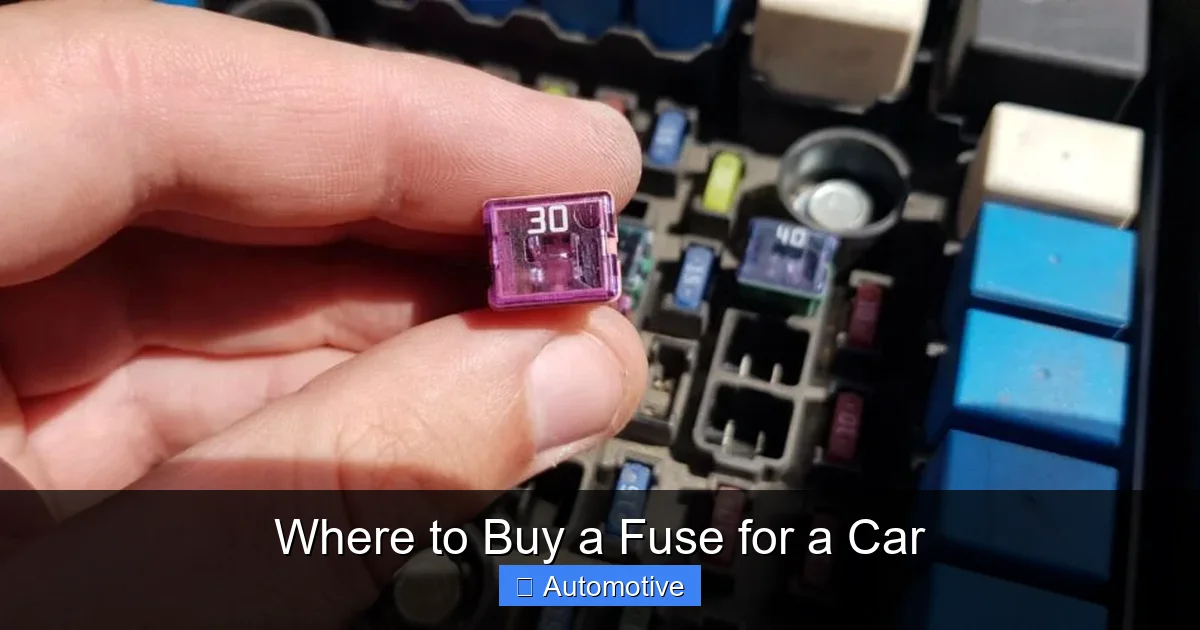
Before diving into where to buy a fuse for a car, it’s important to understand what fuses do and why they’re essential. Think of a fuse as a safety valve for your car’s electrical system. Just like a circuit breaker in your home, it prevents damage to sensitive components by interrupting power when something goes wrong—like a short circuit or power surge.
Visual guide about Where to Buy a Fuse for a Car
Image source: carcarehacks.com
Types of Car Fuses
Not all fuses are created equal. Cars use several types of fuses, each designed for specific applications. The most common types include:
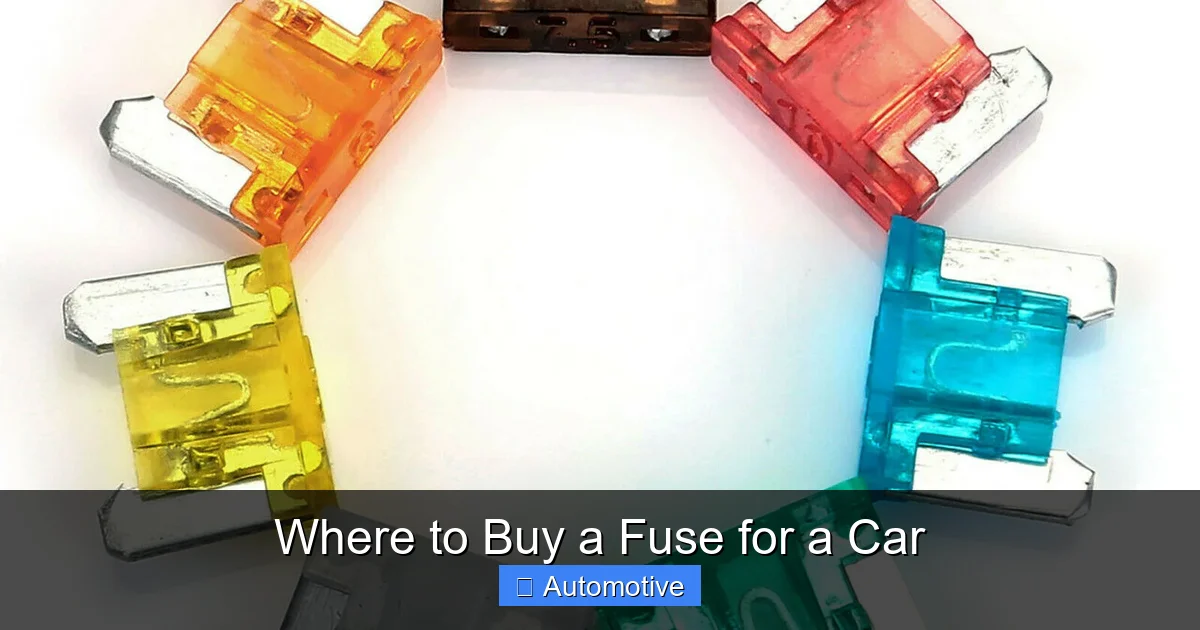
- Blade Fuses (ATO/ATC): These are the most widely used fuses in modern vehicles. They’re flat, rectangular, and come in different colors that indicate their amperage (e.g., red for 10A, blue for 15A). They’re easy to identify and replace.
- Mini Blade Fuses: Smaller than standard blade fuses, these are used in tighter spaces and are common in newer cars.
- Micro Blade Fuses: Even smaller than mini fuses, these are found in advanced electronics and compact fuse boxes.
- Glass Tube Fuses: Older vehicles may use cylindrical glass fuses with metal ends. While less common today, they’re still found in some classic or vintage cars.
- Fusible Links: These are thicker wires that act as fuses for high-current circuits, like the alternator or starter.
How to Identify a Blown Fuse
Before you rush out to buy a replacement, confirm that the issue is actually a blown fuse. Here’s how:
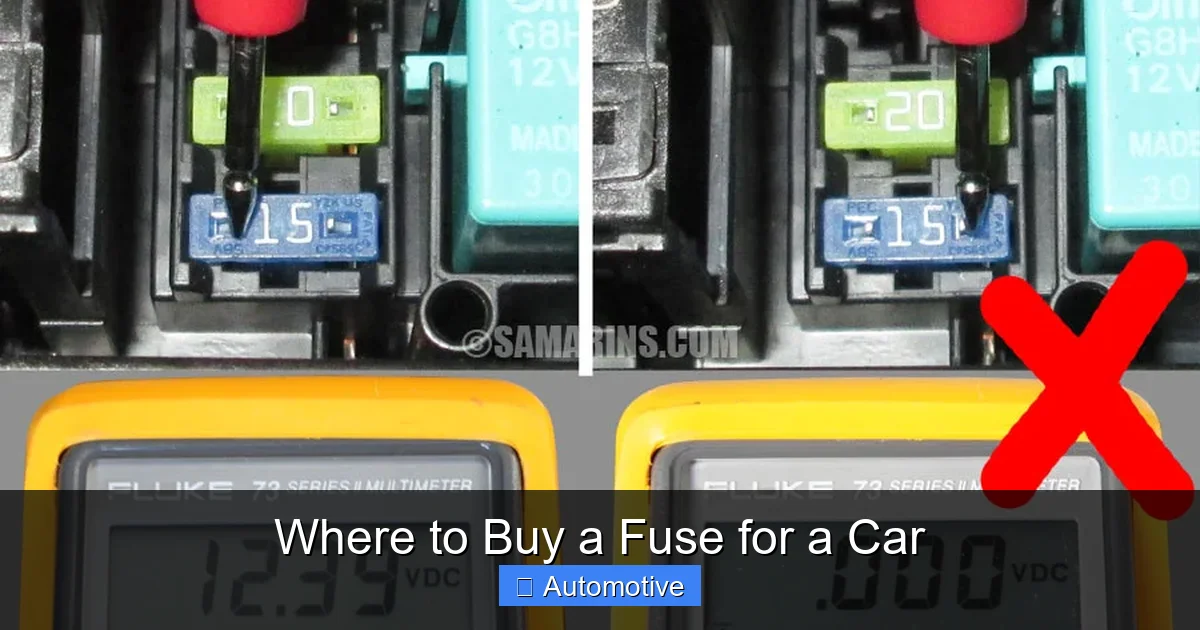
- Visual Inspection: Remove the suspect fuse and look inside. If the metal strip is broken or melted, it’s blown.
- Use a Multimeter: Set your multimeter to continuity mode. Touch the probes to both ends of the fuse. If there’s no beep or reading, the fuse is dead.
- Fuse Tester Tools: Many auto parts stores offer free fuse testing. Just bring in the fuse, and they’ll check it for you.
Once you’ve confirmed the fuse is bad, it’s time to find a replacement. But where should you go? Let’s explore your options.
Local Auto Parts Stores: The Go-To Option
When you need a fuse fast, local auto parts stores are often the best place to start. Chains like AutoZone, O’Reilly Auto Parts, Advance Auto Parts, and NAPA Auto Parts are found in nearly every town and city across the U.S. They stock a wide range of fuses and offer helpful services that can save you time and hassle.
Visual guide about Where to Buy a Fuse for a Car
Image source: ebaymotorsblog.com
Why Choose Auto Parts Stores?
These stores are designed with DIYers in mind. They don’t just sell parts—they support you through the repair process. Here’s what makes them stand out:
- Free Fuse Testing: Most locations will test your existing fuse for free. Just walk in, and a technician will check it using a multimeter or tester tool.
- In-Stock Inventory: They carry hundreds of fuse types, including blade, mini, and micro fuses in various amperages. You’ll likely find what you need on the spot.
- Knowledgeable Staff: Employees are trained to help with basic automotive questions. They can guide you to the right fuse based on your car’s make, model, and year.
- Free Installation Help: Some stores even offer free fuse replacement assistance. If you’re unsure how to access your fuse box, they can show you.
What to Expect When You Visit
Walk into any major auto parts store, and you’ll find fuses organized by type and amperage. Look for the “Electrical” or “Fuses & Relays” section. Most stores use color-coded systems to make identification easier. For example:
- Red = 10 amps
- Blue = 15 amps
- Yellow = 20 amps
- Green = 30 amps
If you’re not sure which fuse you need, bring your old one or check your owner’s manual. Many stores also have lookup tools at the counter where you can enter your vehicle info to find the correct fuse.
Pro Tip: Buy a Fuse Assortment Kit
Instead of buying single fuses, consider purchasing a fuse assortment kit. These kits come with 20–50 fuses in various types and amperages, all in a convenient storage case. They’re affordable (usually under $15) and ensure you’re prepared for future issues. Plus, they make great additions to your car’s emergency kit.
Car Dealerships: OEM Quality and Precision
If you drive a newer vehicle—especially a luxury or imported model—you might consider buying a fuse from your car’s dealership. While dealerships are typically more expensive than other options, they offer one major advantage: OEM (Original Equipment Manufacturer) parts.
Visual guide about Where to Buy a Fuse for a Car
Image source: samarins.com
What Are OEM Fuses?
OEM fuses are made by the same manufacturer that supplied parts to your car when it was built. They’re designed to meet exact specifications for your vehicle’s electrical system. This ensures compatibility, reliability, and longevity.
When to Choose a Dealership
Dealerships are ideal in these situations:
- Your car is under warranty: Using non-OEM parts could void certain warranties. Stick with dealership parts to stay covered.
- You have a complex electrical system: Luxury cars and hybrids often have advanced electronics that require precise fuse ratings.
- You’ve had issues with aftermarket fuses: Some generic fuses may not fit perfectly or could fail prematurely.
Drawbacks of Dealerships
While OEM fuses are high quality, they come with downsides:
- Higher Cost: A single fuse at a dealership can cost $5–$15, compared to $1–$3 at an auto parts store.
- Limited Hours: Dealerships often have shorter hours than auto parts stores, making them less convenient for urgent repairs.
- Appointment Needed: Some dealerships require you to visit the service department, which may involve waiting.
Still, if you value peace of mind and want the exact part designed for your car, a dealership is a solid choice—especially for critical systems like airbags or engine control units.
Online Retailers: Convenience and Selection
In today’s digital age, you don’t even need to leave your home to buy a fuse for your car. Online retailers like Amazon, RockAuto, eBay, and AutoZone.com offer vast selections, competitive prices, and fast shipping options.
Benefits of Buying Online
Shopping online for car fuses has several advantages:
- Huge Selection: Online stores carry thousands of fuse types, including rare or discontinued models. You’re more likely to find an exact match for older or imported vehicles.
- Competitive Pricing: Without the overhead of physical stores, online retailers often offer lower prices. You can compare multiple sellers and find the best deal.
- Customer Reviews: Read feedback from other buyers to ensure the fuse is reliable and fits your car.
- Fast Shipping: Many retailers offer same-day or next-day delivery, especially if you have a Prime membership or live near a distribution center.
- Detailed Product Info: Online listings include specifications, compatibility charts, and installation tips.
Top Online Retailers for Car Fuses
Here are some of the best places to buy fuses online:
- Amazon: Offers a massive selection of fuses from trusted brands like Bussmann, Littelfuse, and ACDelco. Look for “Amazon’s Choice” or highly rated products.
- RockAuto: Specializes in auto parts and carries OEM-equivalent fuses for nearly every make and model. Their website includes a vehicle selector tool to find the right part.
- eBay: Great for finding rare or vintage fuses. You can often buy used fuses at a fraction of the cost—just make sure they’re tested and functional.
- AutoZone.com: The online version of the popular retail chain. You can order online and pick up in-store for free, combining convenience with immediate availability.
Tips for Safe Online Purchases
To avoid mistakes when buying fuses online:
- Double-Check Compatibility: Use your car’s VIN or owner’s manual to confirm the correct fuse type and amperage.
- Buy from Reputable Sellers: Stick to well-known retailers or highly rated third-party sellers with positive feedback.
- Read the Description Carefully: Make sure the listing specifies the fuse type (e.g., ATC, mini, micro) and amperage.
- Check Return Policy: In case you order the wrong fuse, ensure the seller accepts returns.
Big-Box Retailers and Hardware Stores
Sometimes, you need a fuse in a pinch—and the nearest auto parts store is miles away. That’s where big-box retailers and hardware stores come in. Chains like Walmart, Target, Home Depot, and Lowe’s often carry basic automotive fuses in their automotive or electrical sections.
What You’ll Find
These stores typically stock common blade fuses (10A, 15A, 20A, 30A) in multipacks. While they may not have the full range of specialty fuses, they’re perfect for quick fixes.
Pros and Cons
Pros:
- Widely available in urban and rural areas
- Extended hours, including weekends and holidays
- Low prices—often under $5 for a pack of 10
Cons:
- Limited selection—may not carry mini or micro fuses
- No expert advice or testing services
- Fuses may be generic brands with lower quality control
Best for Emergency Use
Think of big-box stores as your backup plan. If you’re on a road trip and blow a fuse at 10 p.m., Walmart might be your only option. Keep this in mind when planning long drives—know where the nearest 24-hour store is along your route.
Junkyards and Salvage Yards: Budget-Friendly Alternatives
For the budget-conscious DIYer, junkyards and salvage yards can be goldmines for car parts—including fuses. These facilities sell used parts from wrecked or decommissioned vehicles at a fraction of the retail price.
How It Works
Visit a local salvage yard (also called a junkyard or scrap yard) and bring your blown fuse. Staff can help you find a matching fuse from a donor vehicle. Some yards even have organized fuse bins where you can browse.
Advantages
- Low Cost: Used fuses typically cost $1–$3 each.
- Eco-Friendly: Reusing parts reduces waste and supports sustainability.
- Great for Older Cars: If you drive a classic or discontinued model, salvage yards may have parts no longer in production.
Things to Consider
- Test Before Buying: Always test the used fuse with a multimeter to ensure it’s functional.
- Compatibility: Make sure the fuse matches your car’s amperage and type.
- Condition: Avoid fuses with corrosion, discoloration, or damaged blades.
Many salvage yards now have online inventories, so you can search for parts before visiting. Check websites like Car-Part.com or Row52 to find nearby yards and available inventory.
DIY Tips: Preventing Future Fuse Issues
While knowing where to buy a fuse for a car is important, preventing blown fuses in the first place is even better. Here are some practical tips to keep your electrical system running smoothly:
Carry Spare Fuses
Keep a small assortment of spare fuses in your glove compartment or center console. Include common amperages (10A, 15A, 20A) in both standard and mini blade types. This way, you can replace a blown fuse on the spot—no store visit required.
Inspect Your Fuse Box Regularly
Pop open your fuse box every few months and check for signs of corrosion, loose connections, or burnt smells. Clean any dust or debris with a dry cloth. If you notice recurring blown fuses, it could indicate a deeper electrical issue—like a short circuit or faulty component.
Avoid Overloading Circuits
Don’t plug too many accessories into one circuit. For example, running a high-wattage inverter, phone charger, and dash cam all from the same fuse can cause overloads. Use a fused power distribution block if you need multiple connections.
Use the Right Fuse
Never replace a fuse with one of a higher amperage. A 20A fuse in a 10A circuit can cause wires to overheat and start a fire. Always match the original fuse’s rating.
Upgrade to LED Lights
LED bulbs draw less current than halogen or incandescent bulbs, reducing the load on your electrical system. This can help prevent blown fuses in lighting circuits.
Conclusion: Be Prepared, Stay Safe
Blown fuses are a common but manageable part of car ownership. The key is knowing where to buy a fuse for a car quickly and confidently. Whether you prefer the convenience of a local auto parts store, the reliability of a dealership, the selection of online retailers, or the affordability of a salvage yard, you have plenty of options.
Remember: a blown fuse is usually a symptom, not the root cause. If fuses keep blowing, have your vehicle inspected by a professional. But for everyday issues, a simple fuse replacement can get you back on the road in minutes. Keep spare fuses handy, know your vehicle’s electrical layout, and don’t hesitate to ask for help when needed. With this guide, you’re ready to handle any fuse-related problem—no matter where you are.
Frequently Asked Questions
Where can I buy a fuse for my car near me?
You can buy a fuse for your car at local auto parts stores like AutoZone, O’Reilly, or Advance Auto Parts. Big-box retailers like Walmart and Home Depot also carry basic fuses. Use store locators online to find the nearest location.
Can I buy a car fuse online?
Yes, you can buy car fuses online from retailers like Amazon, RockAuto, and eBay. These sites offer a wide selection, competitive prices, and fast shipping. Just make sure to verify compatibility with your vehicle.
How much does a car fuse cost?
Most car fuses cost between $1 and $5 each. Multipacks of 10–20 fuses are available for $5–$15. Dealership fuses may cost more, ranging from $5 to $15 per fuse.
Do I need to match the amperage when replacing a fuse?
Yes, always replace a fuse with one of the same amperage. Using a higher-rated fuse can cause electrical damage or fire. Check the color code or labeling to ensure a match.
Can I use a used fuse from a junkyard?
You can use a used fuse from a junkyard if it’s tested and functional. Use a multimeter to check for continuity. Avoid fuses with visible damage or corrosion.
What should I do if my fuses keep blowing?
Frequent blown fuses may indicate an underlying electrical issue, such as a short circuit or faulty component. Have your vehicle inspected by a qualified mechanic to diagnose and fix the problem.