
How to Protect Your Car Paint

Protecting your car paint isn’t just about looks—it’s about preserving value and preventing costly damage. With the right care routine, you can keep your vehicle’s finish shiny and new for years. From regular washing to advanced coatings, simple steps make a big difference.
Key Takeaways
- Wash your car regularly: Dirt, bird droppings, and road grime can damage paint over time. Aim for a wash every 1–2 weeks using pH-balanced car soap.
- Use microfiber towels and mitts: These prevent micro-scratches that dull your paint. Avoid household rags or sponges.
- Apply wax every 3–6 months: Wax creates a protective barrier against UV rays, water spots, and contaminants.
- Consider ceramic coating: A long-lasting, professional-grade option that offers superior protection and shine for up to several years.
- Park in the shade or use a car cover: Sun exposure fades paint and weakens clear coats. Covered parking helps maintain color and finish.
- Avoid automatic car washes with brushes: They can cause swirl marks and scratches. Opt for touchless or hand-washing instead.
- Address paint chips and scratches quickly: Small imperfections can lead to rust and deeper damage if left untreated.
📑 Table of Contents
- How to Protect Your Car Paint: A Complete Guide
- Why Car Paint Protection Matters
- Washing Your Car the Right Way
- Waxing and Sealants: The First Line of Defense
- Ceramic Coating: The Ultimate Paint Protection
- Parking Smart: Shielding Your Car from the Elements
- Dealing with Scratches, Chips, and Other Damage
- Maintaining Your Car’s Shine Between Washes
- Conclusion
How to Protect Your Car Paint: A Complete Guide
Your car’s paint isn’t just about aesthetics—it’s the first line of defense against the elements. Think of it like your skin: exposed to sun, rain, dirt, and pollutants every single day. Over time, without proper care, that glossy finish can fade, chip, or even corrode. But here’s the good news: protecting your car paint doesn’t require a professional detailer or a massive budget. With a few smart habits and the right products, you can keep your vehicle looking showroom-fresh for years.
Whether you drive a brand-new sedan or a trusty decade-old SUV, paint protection matters. It helps maintain resale value, prevents rust, and keeps your car looking clean and cared for. And let’s be honest—there’s something deeply satisfying about seeing your car gleam under the sunlight. In this guide, we’ll walk you through everything you need to know about how to protect your car paint, from basic washing techniques to advanced protective coatings. No jargon, no fluff—just practical, actionable advice you can start using today.
Why Car Paint Protection Matters
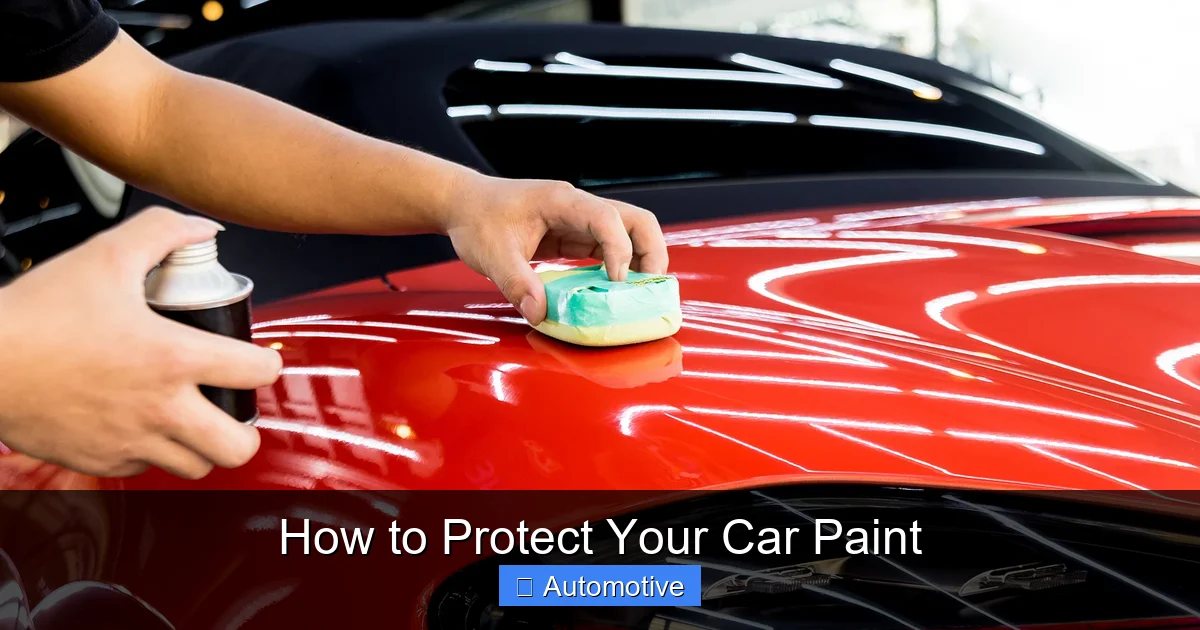
You might think, “It’s just paint—what’s the big deal?” But car paint is more complex than it looks. Modern vehicles have multiple layers: a primer, base coat, and a clear coat on top. The clear coat is what gives your car its shine and protects the color underneath. Once that layer is compromised, the paint becomes vulnerable to oxidation, fading, and corrosion.
Visual guide about How to Protect Your Car Paint
Image source: digestcars.com
Environmental factors play a huge role in paint degradation. UV rays from the sun break down the chemical bonds in paint, causing it to fade and chalk. Bird droppings, tree sap, and bug splatter are acidic and can etch into the clear coat if not removed quickly. Road salt in winter months accelerates rust formation, especially on lower body panels. Even something as simple as dust and dirt can act like sandpaper during washing, creating fine scratches known as swirl marks.
Beyond the damage, there’s also the financial aspect. A well-maintained exterior can increase your car’s resale value by thousands of dollars. Buyers notice paint condition—it’s one of the first things they inspect. A dull, scratched, or peeling finish sends the message that the car hasn’t been cared for, which can lower offers or scare off potential buyers.
Protecting your car paint isn’t just about vanity. It’s an investment in your vehicle’s longevity, performance, and value. And the best part? It’s easier than you think.
Washing Your Car the Right Way
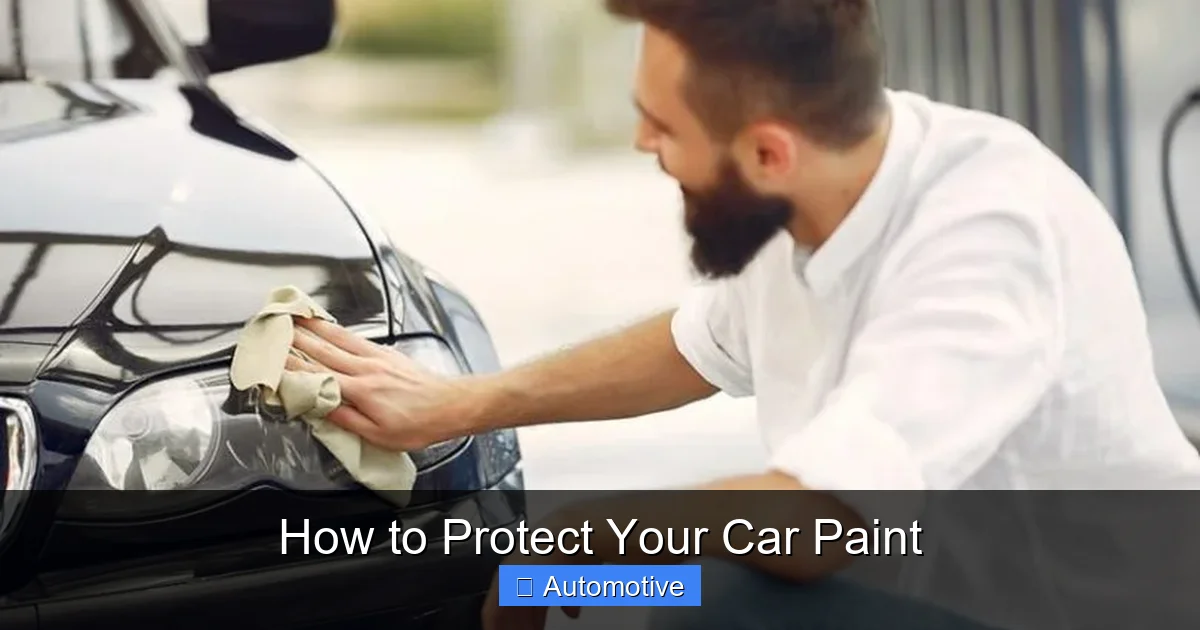
Regular washing is the foundation of paint protection. But not all car washes are created equal. Using the wrong tools or techniques can do more harm than good. The goal is to remove contaminants without scratching or dulling the finish.
Visual guide about How to Protect Your Car Paint
Image source: carttraction.com
Choose the Right Products
Start with a high-quality car wash soap. Avoid dish soap or household cleaners—they’re too harsh and can strip away protective waxes and sealants. Look for a pH-balanced, biodegradable formula designed specifically for automotive paint. Brands like Meguiar’s, Chemical Guys, and Adam’s Polishes offer excellent options.
Use a dedicated wash mitt made of microfiber or lambswool. These materials are soft and trap dirt particles, reducing the risk of scratches. Avoid sponges, which can hold grit and drag it across the surface. Rinse the mitt frequently to prevent re-depositing dirt.
Two-Bucket Method
The two-bucket method is a pro detailer’s secret for scratch-free washing. Fill one bucket with soapy water and the other with clean rinse water. After washing each section of the car, dip the mitt into the rinse bucket to remove dirt before reloading with soap. This prevents cross-contamination and minimizes swirl marks.
Wash from Top to Bottom
Always start at the roof and work your way down. Dirt and grime tend to accumulate on lower panels, so washing top-first ensures you’re not dragging clean water over already dirty areas. Use a separate mitt or sponge for wheels and tires, as they collect brake dust and road grime that can damage paint.
Rinse Thoroughly
Before applying soap, rinse the car with a hose or pressure washer to remove loose dirt. This reduces the chance of scratching during the wash. After washing, rinse again to remove all soap residue. Soap left on the surface can dry into streaks or spots.
Dry with Microfiber Towels
Never air-dry your car—water spots can form as minerals in tap water dry on the surface. Use a clean, plush microfiber drying towel. Pat or gently blot the surface instead of rubbing, which can cause micro-scratches. For best results, use a dedicated drying towel separate from your wash mitts.
Washing your car every 1–2 weeks is ideal, especially if you drive frequently or live in areas with harsh weather. If you notice bird droppings, sap, or bug splatter, clean them off as soon as possible—don’t wait for your next wash day.
Waxing and Sealants: The First Line of Defense
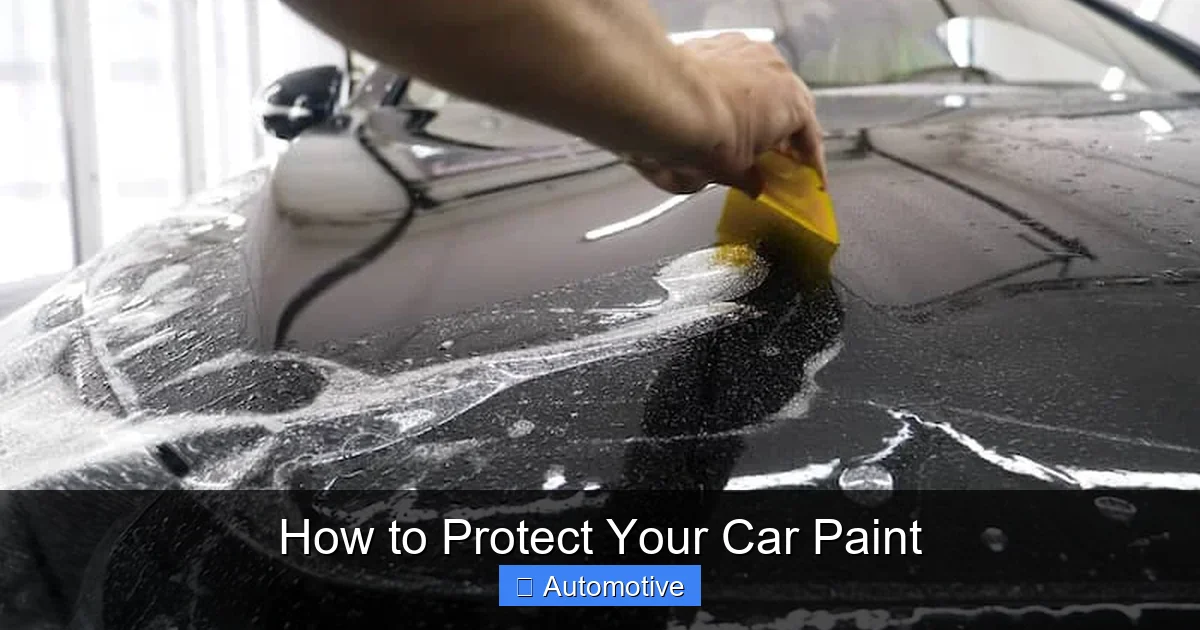
Washing removes dirt, but it doesn’t protect. That’s where wax and sealants come in. These products create a sacrificial layer on top of your paint, shielding it from UV rays, water, and contaminants.
Visual guide about How to Protect Your Car Paint
Image source: ohsbodyshop.com
Types of Car Wax
There are three main types of wax: natural carnauba wax, synthetic sealants, and hybrid formulas.
Carnauba wax comes from the leaves of the Brazilian palm tree. It’s known for its deep, warm shine and is a favorite among car enthusiasts. However, it lasts only 4–6 weeks and can be less durable in harsh conditions.
Synthetic sealants are made from polymers and offer longer-lasting protection—up to 3–6 months. They’re more resistant to UV rays and environmental contaminants. While they don’t have the same “wet look” as carnauba, they provide superior durability.
Hybrid waxes combine the best of both worlds: the shine of carnauba with the longevity of synthetic polymers. These are a great middle-ground option for most drivers.
How to Apply Wax
Start with a clean, dry car. Work in small sections—about 2×2 feet—to ensure even coverage. Use a foam applicator pad or microfiber cloth to apply a thin, even layer of wax. Avoid the seams, rubber trim, and plastic parts, as wax can leave white residue.
Let the wax haze over (usually 5–10 minutes, depending on the product). Then, buff it off with a clean microfiber towel using gentle, circular motions. Don’t press too hard—let the towel do the work. For best results, apply wax in the shade and avoid direct sunlight, which can cause the wax to dry too quickly.
Frequency Matters
For most drivers, waxing every 3–6 months is sufficient. If you live in a sunny or coastal area, you may need to wax more often due to increased UV exposure and salt air. Sealants typically last longer, so you might only need to reapply every 4–6 months.
Waxing not only protects your paint but also makes future washes easier. Water beads up and rolls off, taking dirt with it. It also enhances the depth and clarity of your car’s color, giving it that “just-detailed” look.
Ceramic Coating: The Ultimate Paint Protection
If you’re serious about paint protection, ceramic coating is the gold standard. Unlike wax, which sits on top of the paint, ceramic coatings chemically bond with the clear coat, creating a semi-permanent layer of protection.
What Is Ceramic Coating?
Ceramic coating is a liquid polymer made from silicon dioxide (SiO2). When applied correctly, it forms a hard, transparent shell that’s resistant to scratches, UV rays, chemicals, and water spots. It also gives your car a deep, glossy finish that lasts for years.
Professional ceramic coatings can last 2–5 years, depending on the product and maintenance. Some high-end formulas claim up to 7 years of protection. While DIY kits are available, professional application is recommended for best results.
Benefits of Ceramic Coating
- Superior durability: Resists light scratches, oxidation, and fading.
- Hydrophobic properties: Water beads up and rolls off, making washing easier.
- UV protection: Prevents sun damage and color fading.
- Chemical resistance: Shields against bird droppings, tree sap, and acid rain.
- Enhanced shine: Adds depth and clarity to your paint.
Is Ceramic Coating Worth It?
Ceramic coating is an investment—typically costing $500–$2,000 depending on the vehicle size and coating quality. But for many car owners, the long-term benefits outweigh the cost. It reduces the need for frequent waxing, makes maintenance easier, and helps preserve resale value.
However, ceramic coating isn’t a magic solution. It won’t prevent deep scratches or rock chips. And once applied, it’s difficult to remove. That’s why surface preparation is critical. The paint must be thoroughly cleaned, decontaminated, and polished before coating. Any swirl marks or imperfections will be sealed in, so professional prep is essential.
If you’re considering ceramic coating, research reputable detailers in your area. Look for certified installers and read reviews. A poorly applied coating can peel, streak, or fail prematurely.
Parking Smart: Shielding Your Car from the Elements
Where and how you park your car has a big impact on paint health. Smart parking habits can significantly reduce exposure to damaging elements.
Park in the Shade
Whenever possible, park under a tree, in a garage, or in a shaded area. Direct sunlight is one of the biggest threats to car paint. UV rays break down the clear coat, leading to fading, chalking, and oxidation. Over time, this can make your car look dull and aged.
If you don’t have access to covered parking, consider using a car cover. Choose a breathable, UV-resistant cover designed for outdoor use. Avoid cheap plastic covers, which can trap moisture and cause mold or paint damage.
Avoid Parking Under Trees
While trees provide shade, they also drop sap, leaves, and bird droppings—all of which can damage paint. Pine sap, in particular, is sticky and hard to remove. If it’s not cleaned quickly, it can etch into the clear coat.
Bird droppings are highly acidic and can cause permanent stains if left too long. If you must park under a tree, check your car daily and clean off any debris immediately.
Use a Car Cover for Long-Term Storage
If you’re storing your car for weeks or months, a high-quality car cover is essential. Look for one with a soft inner lining to prevent scratching. Make sure the car is clean and dry before covering—trapped moisture can lead to mold or rust.
For indoor storage, a lightweight, dust-proof cover is sufficient. For outdoor storage, choose a heavy-duty, waterproof, and UV-resistant cover with tie-down straps to prevent wind damage.
Be Mindful of Garage Hazards
Even in a garage, your car isn’t completely safe. Concrete floors can emit moisture, and tools or bikes stored nearby can scratch the paint. Use a car mat or carpet remnant under the vehicle to protect the underside. Keep the garage clean and well-ventilated to prevent humidity buildup.
Dealing with Scratches, Chips, and Other Damage
No matter how careful you are, scratches and chips happen. The key is to address them quickly before they lead to bigger problems.
Paint Chips and Rock Scars
Small paint chips from road debris are common, especially on the front bumper, hood, and fenders. If left untreated, moisture can seep in and cause rust. Use a touch-up paint pen that matches your car’s color. Clean the area, apply the paint, and let it dry. For deeper chips, consider using a filler primer first.
For larger areas, professional repainting may be necessary. But for minor chips, DIY touch-up kits are affordable and effective.
Swirl Marks and Light Scratches
Swirl marks are fine scratches that give your paint a hazy appearance. They’re usually caused by improper washing or drying techniques. To remove them, use a dual-action polisher and a fine polishing compound. Work in small sections, and always follow up with wax or sealant.
If you’re not comfortable using a polisher, take your car to a professional detailer. They can safely remove swirls without damaging the paint.
Deep Scratches and Clear Coat Damage
Deep scratches that expose the base coat or primer require more attention. These can’t be fixed with polish alone. You may need to sand, fill, and repaint the affected area. In severe cases, panel replacement might be necessary.
The best defense is prevention. Use paint protection film (PPF) on high-impact areas like the hood, bumper, and mirrors. PPF is a transparent urethane film that absorbs impacts and prevents chips and scratches. It’s more affordable than ceramic coating and can be applied by professionals.
Maintaining Your Car’s Shine Between Washes
Between full washes, quick maintenance helps keep your car looking great and protects the paint.
Use a Quick Detailer Spray
A quick detailer is a water-based spray that removes light dust and fingerprints while adding shine. It’s perfect for touch-ups after a drive or before a car show. Spray it on and wipe off with a microfiber towel—no rinsing required.
Keep a Microfiber Towel in Your Car
Store a clean microfiber towel in your glove compartment or trunk. Use it to wipe off bird droppings, sap, or water spots as soon as you notice them. The faster you act, the less damage they can cause.
Use a Waterless Wash Product
When you don’t have time for a full wash, a waterless wash spray can help. These products lift dirt and encapsulate it, allowing you to wipe it away safely. They’re great for spot cleaning or maintaining your car during dry seasons.
Remember: waterless washes are not a replacement for regular washing. They’re best used for light maintenance between proper washes.
Conclusion
Protecting your car paint doesn’t have to be complicated or expensive. With a consistent care routine—regular washing, waxing, smart parking, and prompt damage repair—you can keep your vehicle looking its best for years. Whether you choose traditional wax, a synthetic sealant, or invest in ceramic coating, the key is consistency and using the right products.
Your car is more than just transportation—it’s a reflection of your pride and care. By taking the time to protect its paint, you’re not only preserving its beauty but also its value. So grab your microfiber towels, pick up a good car soap, and start giving your ride the protection it deserves. A little effort today can save you hundreds—or even thousands—down the road.
Frequently Asked Questions
How often should I wash my car to protect the paint?
Wash your car every 1–2 weeks to remove dirt, grime, and contaminants. In harsh conditions—like winter salt or heavy pollen—you may need to wash more frequently.
Can I use dish soap to wash my car?
No, dish soap is too harsh and can strip away protective waxes and sealants. Always use a pH-balanced car wash soap designed for automotive paint.
Is ceramic coating worth the cost?
Yes, if you want long-term protection and reduced maintenance. Ceramic coating lasts years, resists UV damage, and makes washing easier, making it a smart investment for many car owners.
How do I remove water spots from my car paint?
Use a dedicated water spot remover or a mixture of vinegar and water. Apply it with a microfiber cloth, then rinse and dry thoroughly. For stubborn spots, a light polish may be needed.
Can I apply wax over ceramic coating?
Generally, no. Ceramic coating is designed to be the top layer. Waxing over it can reduce its effectiveness. However, some spray sealants can be used for added gloss between coatings.
What’s the best way to protect my car from sun damage?
Park in the shade or use a car cover. Apply wax or ceramic coating regularly, as both provide UV protection. Consider window tinting to reduce interior heat and fading.
