
Can You Sell a Car with a Lien?

Yes, you can sell a car with a lien, but it’s not as simple as handing over the keys. The lienholder (usually a bank or lender) must be paid off first before ownership can transfer. This guide walks you through the process, legal requirements, and tips to make the sale smooth and stress-free.
Key Takeaways
- You can sell a car with a lien, but the lien must be cleared before or during the sale. The lienholder has a legal claim on the vehicle until the loan is paid in full.
- The buyer cannot legally register the car until the lien is released. Without a lien release, the title remains in the seller’s name, blocking registration.
- Selling with a lien requires coordination with your lender. Most lenders will provide a payoff amount and may allow the sale if funds are handled properly.
- A lien release document is essential for a clean title transfer. This official paper proves the debt is satisfied and the lien is removed.
- Private sales with liens can be riskier than dealer trades. Extra caution is needed to ensure the buyer pays the lender directly or uses an escrow service.
- Failing to resolve the lien can lead to legal and financial trouble. The lender may repossess the car or sue for the remaining balance if the loan isn’t paid.
- Working with a title company or escrow service adds security. These third parties help manage funds and paperwork to protect both buyer and seller.
📑 Table of Contents
Can You Sell a Car with a Lien?
So, you’ve decided it’s time to sell your car—but there’s a catch: you still owe money on it. Maybe you’re upside down on the loan, or perhaps you just haven’t finished paying it off yet. Whatever the reason, you’re wondering, “Can I even sell a car with a lien?” The short answer is yes—but it’s not as simple as just finding a buyer and handing over the keys.
A lien on your car means that a lender (like a bank, credit union, or financing company) has a legal claim to the vehicle until the loan is fully paid. This protects the lender in case you default on payments. Because of this claim, you don’t technically have full ownership of the car until the lien is released. That’s why selling a car with a lien requires extra steps, paperwork, and coordination.
But don’t worry—many people sell cars with outstanding loans every day. Whether you’re trading in your car at a dealership or selling it privately, the process is manageable if you know what to do. In this guide, we’ll walk you through everything you need to know: from understanding what a lien is, to how to pay it off during a sale, to avoiding common pitfalls. By the end, you’ll feel confident about selling your car—even with that pesky lien still on the title.
What Is a Car Lien?
Visual guide about Can You Sell a Car with a Lien?
Image source: lihpao.com
Before we dive into the selling process, let’s make sure we’re on the same page about what a lien actually is. In simple terms, a lien is a legal right or claim that a lender has against your property—in this case, your car—until a debt is paid. Think of it like a safety net for the lender. If you stop making payments, they can repossess the car to recover their money.
Most car liens are voluntary, meaning you agreed to them when you took out an auto loan. When you finance a car purchase, the lender pays the dealer (or private seller) and then places a lien on the vehicle’s title. You get to drive the car, but the lender holds the title until you’ve paid off the loan in full. Once you do, they release the lien, and you receive a clear title in your name.
There are also involuntary liens, which can be placed on your car due to unpaid taxes, court judgments, or mechanic’s bills. These are less common but still important to know about. If you’re unsure whether your car has a lien, you can check your title certificate or contact your state’s Department of Motor Vehicles (DMV).
Understanding the type of lien on your car is crucial because it affects how you sell it. Voluntary liens (like auto loans) are easier to handle since you’re already in communication with the lender. Involuntary liens may require legal action or payment to a third party before you can sell.
How Liens Appear on Your Title
When a lien is placed on your car, it’s recorded on the vehicle’s title. You’ll usually see the lender’s name listed as the “lienholder” or “secured party.” This means they have a legal interest in the car. The title might say something like “Lienholder: ABC Bank” or “Title Held by: XYZ Credit Union.”
This notation prevents you from selling the car without addressing the lien first. Even if you find a buyer willing to pay cash, the DMV won’t allow the title transfer until the lien is released. That’s why it’s so important to know your lien status before listing your car for sale.
Types of Car Liens
There are two main types of car liens:
- Voluntary Liens: These are the most common and occur when you take out a loan to buy a car. You agree to let the lender place a lien on the vehicle as collateral. Examples include auto loans from banks, credit unions, or online lenders.
- Involuntary Liens: These are placed without your consent, usually due to unpaid debts. Examples include tax liens (from the IRS or state tax agency), mechanic’s liens (if you didn’t pay for repairs), or judgment liens (from a court ruling).
Voluntary liens are easier to manage because you’re already in contact with the lender. Involuntary liens may require legal assistance or direct payment to the entity that placed the lien.
Can You Legally Sell a Car with a Lien?
Visual guide about Can You Sell a Car with a Lien?
Image source: lh4.googleusercontent.com
Now for the big question: Is it legal to sell a car with a lien? The answer is yes—but with conditions. You can list and sell your car even if there’s a lien on it, but you cannot complete the sale without resolving the lien first. The buyer cannot register the car or get insurance in their name until the lien is cleared and the title is transferred.
This means that while you can advertise your car and negotiate with buyers, the actual transfer of ownership depends on paying off the loan. The lienholder must be satisfied before the DMV will issue a new title to the buyer.
Why the Lien Must Be Resolved
The lien exists to protect the lender’s financial interest. If you sell the car without paying off the loan, the lender still has a claim to the vehicle. This creates a legal and financial mess. The buyer can’t get full ownership, and the lender may repossess the car—even if it’s now in someone else’s possession.
Imagine this scenario: You sell your car to a friend for $8,000, but you still owe $10,000 on the loan. You keep the $8,000 and stop making payments. The lender repossesses the car from your friend, who now has no car and no way to get their money back. That’s why the law requires the lien to be cleared before the sale is finalized.
What Happens If You Don’t Pay Off the Lien?
Failing to resolve the lien can lead to serious consequences:
- Repossession: The lender can repossess the car, even if it’s been sold. This leaves the buyer high and dry.
- Legal Action: The lender may sue you for the remaining loan balance, plus fees and court costs.
- Credit Damage: Defaulting on your loan will hurt your credit score and make it harder to get loans in the future.
- Buyer Disputes: The buyer may take legal action against you for selling a car you didn’t fully own.
To avoid these risks, it’s essential to work with your lender and ensure the lien is paid off during the sale.
How to Sell a Car with a Lien: Step-by-Step Process
Visual guide about Can You Sell a Car with a Lien?
Image source: images.squarespace-cdn.com
Selling a car with a lien isn’t complicated—it just requires careful planning and communication. Here’s a step-by-step guide to help you navigate the process smoothly.
Step 1: Contact Your Lender
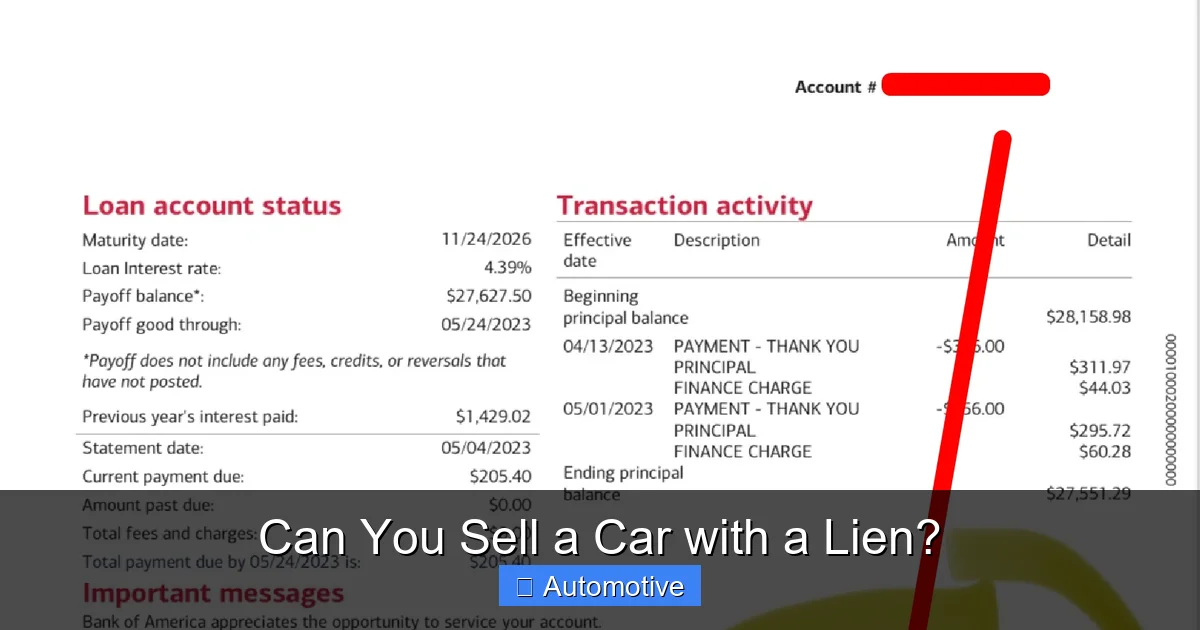
The first thing you should do is call your lender. Ask for the current payoff amount, which includes the remaining loan balance plus any fees or interest. This number is usually higher than your regular monthly payment because it covers the full amount due to close the account.
Most lenders will provide this information over the phone or through their online portal. Some may even send you a formal payoff letter, which you can share with a potential buyer or dealership.
Step 2: Determine Your Car’s Value
Next, find out how much your car is worth. Use trusted resources like Kelley Blue Book (KBB), Edmunds, or NADA Guides to get a fair market estimate. Be honest about your car’s condition—mileage, wear and tear, and any mechanical issues.
Compare the car’s value to your payoff amount. If the value is higher, you’ll have equity and can use the extra money to pay off the loan. If the value is lower, you’re “upside down” and will need to cover the difference out of pocket.
Step 3: Decide How to Handle the Sale
You have two main options: sell to a private buyer or trade in at a dealership. Each has pros and cons when there’s a lien.
- Private Sale: You may get more money, but you’ll need to coordinate the payoff with the buyer and lender. This can be risky if the buyer doesn’t pay the lender directly.
- Trade-In: Dealerships handle the lien payoff for you. They’ll pay off the loan and apply any equity toward your new car. This is easier but may result in a lower offer.
If you choose a private sale, consider using an escrow service to protect both parties.
Step 4: Coordinate the Payoff
During the sale, the buyer’s payment must go toward paying off the lien. Here’s how it typically works:
- The buyer pays the lender directly (via cashier’s check or wire transfer).
- The lender releases the lien and sends the title to the buyer (or to you, to sign over).
- You receive any remaining funds (if the sale price exceeds the payoff).
Some lenders allow the buyer to pay them at the time of sale, while others require a pre-payment. Confirm the process with your lender in advance.
Step 5: Complete the Title Transfer
Once the lien is paid, the lender will issue a lien release document. This is a critical piece of paper that proves the debt is satisfied. You’ll need to sign the title over to the buyer and submit the lien release to the DMV.
In some states, the lender sends the title directly to the buyer. In others, you receive it and must sign it over. Check your state’s DMV requirements to ensure a smooth transfer.
Step 6: Notify the DMV
After the sale, both you and the buyer should notify the DMV. You’ll need to submit a release of liability form to protect yourself from future tickets or accidents involving the car. The buyer will register the car in their name and get new license plates.
Selling to a Private Buyer vs. Trading In
When you have a lien, your choice between a private sale and a trade-in can significantly impact your experience and outcome.
Private Sale: More Control, More Responsibility
Selling privately often gets you a higher price because you’re cutting out the dealership markup. However, it comes with added responsibility. You’ll need to:
- Advertise the car and handle inquiries.
- Coordinate the lien payoff with the buyer and lender.
- Ensure the buyer pays the lender directly (not you).
- Handle the title transfer and lien release paperwork.
To reduce risk, consider using an escrow service. These third-party companies hold the buyer’s funds until the lien is paid and the title is transferred. This protects both parties and ensures the transaction is completed correctly.
Trade-In: Convenience Over Cash
Trading in your car at a dealership is the easiest option when you have a lien. The dealer will:
- Appraise your car and make an offer.
- Pay off your loan directly to the lender.
- Apply any equity toward your new car purchase.
- Handle all the paperwork, including the lien release and title transfer.
The downside? Dealers often offer less than private buyers because they need to make a profit when they resell the car. If you’re upside down on your loan, the dealer may roll the negative equity into your new loan—which can lead to higher monthly payments.
Which Option Is Right for You?
Choose a private sale if:
- You want to maximize your profit.
- You’re comfortable handling the paperwork.
- You can find a trustworthy buyer.
Choose a trade-in if:
- You value convenience over cash.
- You’re buying another car from the same dealer.
- You’re upside down on your loan and want to avoid paying the difference out of pocket.
Common Pitfalls and How to Avoid Them
Selling a car with a lien can go smoothly—if you avoid these common mistakes.
Mistake 1: Not Checking the Payoff Amount
Your monthly statement doesn’t show the full payoff amount. Interest and fees can add up, so always contact your lender for the exact number. Using the wrong amount can delay the sale or leave you short.
Mistake 2: Letting the Buyer Pay You Directly
Never accept payment from the buyer and promise to pay the lender later. If you take the money and don’t pay off the loan, the lender can repossess the car—and you could face legal action. Always ensure funds go directly to the lender.
Mistake 3: Forgetting the Lien Release
The lien release document is essential. Without it, the buyer can’t register the car. Make sure your lender provides this paper and that it’s submitted to the DMV.
Mistake 4: Not Notifying the DMV
After the sale, file a release of liability form with your state’s DMV. This protects you from being held responsible for parking tickets, accidents, or toll violations after the car is sold.
Mistake 5: Selling Without Confirming Lien Status
Double-check that the lien is the only claim on the title. If there are multiple liens (e.g., a loan and a mechanic’s lien), all must be resolved before the sale.
Tips for a Smooth Sale
To make selling your car with a lien as stress-free as possible, follow these tips:
- Get the payoff amount in writing. Ask your lender for a formal payoff letter.
- Use a secure payment method. Cashier’s checks or wire transfers are safer than cash.
- Meet at the lender’s office. Some lenders allow buyers to pay them in person during the sale.
- Keep copies of all documents. Save the bill of sale, lien release, and DMV forms.
- Be transparent with the buyer. Let them know about the lien upfront to build trust.
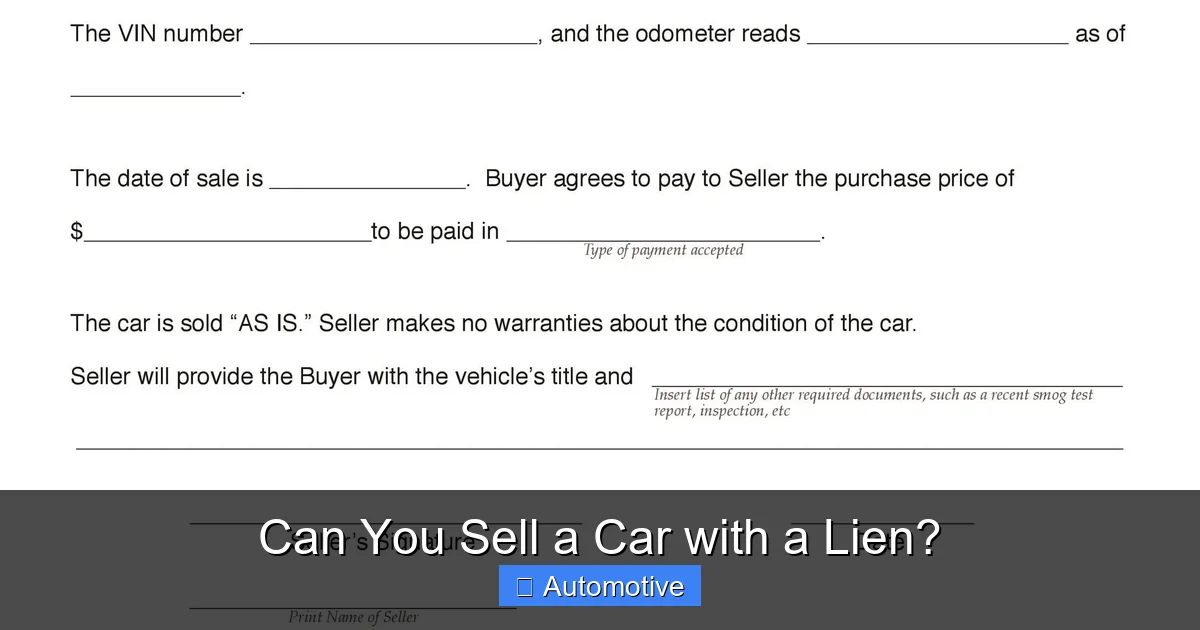
- Consider a bill of sale. This document outlines the terms of the sale and protects both parties.
Conclusion
Yes, you can sell a car with a lien—but it requires careful planning, clear communication, and attention to detail. The key is to work with your lender, ensure the lien is paid off during the sale, and complete all necessary paperwork. Whether you choose a private sale or a trade-in, understanding the process will help you avoid legal and financial headaches.
Selling a car with a lien isn’t as daunting as it seems. With the right approach, you can transfer ownership smoothly, protect yourself and the buyer, and walk away with peace of mind. Just remember: the lien must be cleared before the title can change hands. Take the time to do it right, and you’ll have a successful sale—no matter what’s on your title.
Frequently Asked Questions
Can I sell my car if I still owe money on it?
Yes, you can sell a car with an outstanding loan, but the lien must be paid off before or during the sale. The buyer cannot register the vehicle until the lien is released.
What happens if I sell my car without paying off the lien?
The lender can repossess the car, even if it’s been sold. You may also face legal action, credit damage, and liability for the remaining loan balance.
Can a buyer register a car with a lien?
No, the buyer cannot legally register the car until the lien is released and the title is transferred. The DMV requires a clear title for registration.
How do I get a lien release?
Once your loan is paid in full, your lender will issue a lien release document. This paper proves the debt is satisfied and must be submitted to the DMV.
Can I trade in a car with a lien?
Yes, dealerships can handle the lien payoff during a trade-in. They’ll pay off your loan and apply any equity toward your new car purchase.
Is it safe to sell a car with a lien to a private buyer?
It can be safe if you use secure payment methods and ensure the buyer pays the lender directly. Using an escrow service adds an extra layer of protection.
