
Can Bullets Go Off in a Hot Car

Bullets won’t “go off” from heat alone in a car, but extreme temperatures can damage ammunition and increase risks. Understanding how heat affects gunpowder and primers helps prevent accidents and ensures safe storage.
Key Takeaways
- Bullets don’t spontaneously fire in hot cars: Modern ammunition requires a sharp impact on the primer to ignite—heat alone won’t trigger an explosion.
- Extreme heat degrades ammunition: Prolonged exposure to high temperatures can weaken gunpowder, corrode casings, and reduce reliability.
- Car interiors get dangerously hot: On an 80°F day, a parked car can reach 120°F+ within an hour, creating unsafe conditions for stored ammo.
- Fire is the real danger: If a car catches fire, ammunition can cook off—firing rounds uncontrollably due to intense, sustained heat.
- Safe storage prevents accidents: Use locked, insulated containers and avoid leaving firearms or ammo in vehicles, especially in summer.
- Legal and insurance risks exist: Storing firearms or ammo improperly in a vehicle may violate local laws or void insurance coverage.
- Education saves lives: Knowing how heat affects ammunition helps gun owners make smarter, safer choices.
📑 Table of Contents
- Can Bullets Go Off in a Hot Car? The Truth Behind the Myth
- How Ammunition Works: The Basics You Need to Know
- How Hot Does a Car Really Get?
- What Happens to Ammunition in Extreme Heat?
- Safe Storage Practices for Gun Owners
- Legal and Insurance Considerations
- Myths vs. Facts: Clearing Up Common Misconceptions
- Conclusion: Stay Smart, Stay Safe
Can Bullets Go Off in a Hot Car? The Truth Behind the Myth
It’s a question that pops up every summer: “Can bullets go off in a hot car?” Maybe you’ve heard a story from a friend, seen a viral video, or worried after leaving your range bag in the trunk on a sweltering afternoon. The idea of ammunition suddenly exploding in your vehicle sounds like something out of an action movie—but is there any truth to it?
The short answer? No, bullets won’t randomly fire just because your car is hot. But that doesn’t mean heat isn’t a serious concern. While modern ammunition is designed to be stable, extreme temperatures—especially inside a parked car—can affect its performance, safety, and longevity. Understanding the science behind how heat interacts with gunpowder, primers, and brass casings is key to responsible gun ownership and vehicle safety.
This article will break down the facts, dispel myths, and give you practical tips to keep yourself, your passengers, and your gear safe. Whether you’re a seasoned shooter, a casual gun owner, or just curious about automotive safety, knowing how heat impacts ammunition is essential—especially during the dog days of summer.
How Ammunition Works: The Basics You Need to Know
Visual guide about Can Bullets Go Off in a Hot Car
Image source: static01.nyt.com
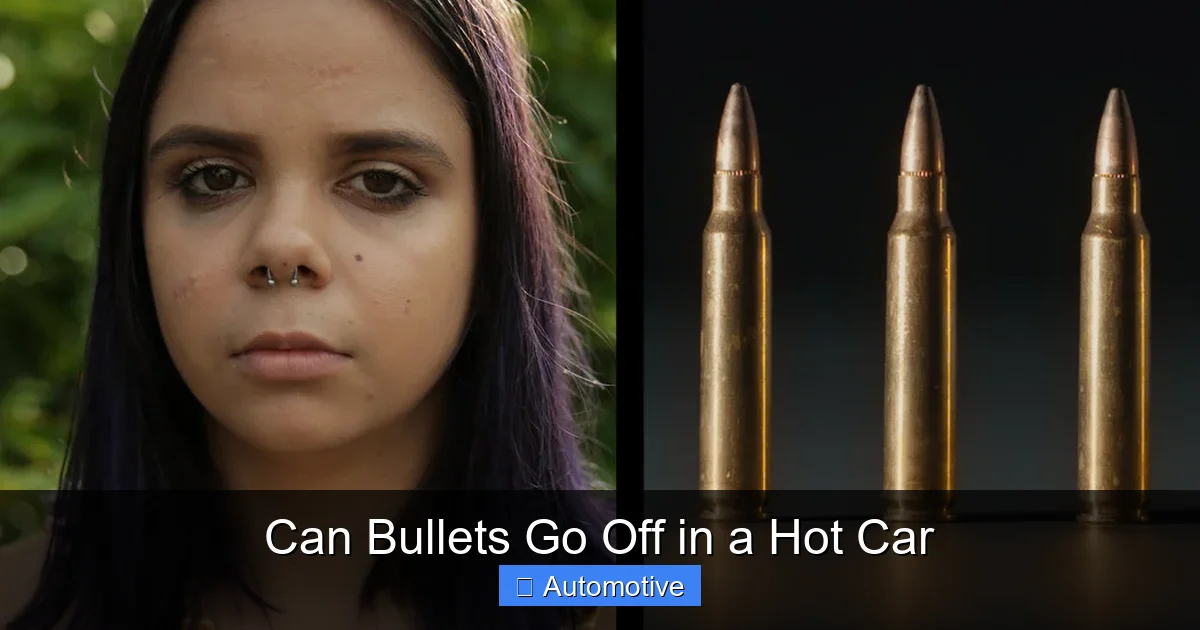
Before we dive into heat and cars, let’s quickly review how a bullet actually fires. A typical round of ammunition consists of four main parts: the bullet (the projectile), the casing (usually brass), the gunpowder (propellant), and the primer (a small explosive charge at the base).
When the firing pin strikes the primer, it creates a small spark that ignites the gunpowder. The burning powder produces rapidly expanding gas, which builds pressure inside the casing and forces the bullet out of the barrel at high speed. This entire process happens in milliseconds and requires precise conditions to work safely and effectively.
Now, here’s the critical point: **the primer must be struck with sufficient force to ignite.** Heat alone—even very high heat—won’t cause that spark. Gunpowder doesn’t “explode” from temperature; it burns, and it needs an ignition source. That’s why bullets don’t go off in a hot car like popcorn in a microwave.
However, that doesn’t mean heat has no effect. Over time, extreme temperatures can degrade the components of a round. Gunpowder can break down, primers can become unstable, and casings can corrode. These changes might not cause an explosion, but they can lead to misfires, squib loads (where a bullet gets stuck in the barrel), or other dangerous malfunctions when the round is eventually fired.
Why the Primer Matters Most
The primer is the most sensitive part of a cartridge. It’s designed to detonate only when struck sharply by a firing pin. Modern primers use compounds like lead styphnate or tetrazene, which are stable under normal conditions but highly sensitive to impact.
Heat can make primers more volatile over time. While a single day in a hot car won’t turn your ammo into a bomb, repeated exposure to high temperatures—especially above 150°F—can weaken the primer’s chemical structure. This might lead to inconsistent ignition or, in rare cases, a primer detonating prematurely if disturbed.
But again, this isn’t the same as a bullet “going off” on its own. It’s more about long-term degradation than spontaneous combustion.
How Hot Does a Car Really Get?
Visual guide about Can Bullets Go Off in a Hot Car
Image source: ichef.bbci.co.uk
You might think, “It’s only 85°F outside—how bad can it be?” The truth is, car interiors can become dangerously hot very quickly, even on mild days.
Studies by organizations like the National Highway Traffic Safety Administration (NHTSA) and pediatric safety groups have shown that the temperature inside a parked car can rise by 20°F in just 10 minutes. On an 80°F day, the interior can reach 100°F within 30 minutes and exceed 120°F after an hour—especially if the car is in direct sunlight.
Here’s a real-world example: Imagine you run into a store for “just five minutes” on a 78°F afternoon. You leave your range bag on the back seat. By the time you return, the car’s interior could be over 110°F. If you’re parked in the sun, with dark upholstery and windows closed, it could be even hotter.
Now, consider what happens over days or weeks. If you regularly leave ammunition in your car—say, in the glove box, trunk, or under a seat—those rounds are subjected to repeated heat cycles. Each time the temperature spikes and drops, it stresses the materials.
Factors That Increase Car Temperature
Several factors can make a car even hotter:
- Sun exposure: Direct sunlight through windows acts like a greenhouse, trapping heat.
- Color of the car: Dark-colored vehicles absorb more heat than light-colored ones.
- Windows closed: Sealing the car prevents heat from escaping.
- Parking surface: Asphalt and concrete radiate heat, warming the car from below.
- Time of day: Midday sun is strongest, leading to peak temperatures in the afternoon.
Even with windows cracked or parked in the shade, temperatures can climb dangerously high. This isn’t just a concern for children or pets—it’s a real issue for anything sensitive to heat, including electronics, medications, and yes, ammunition.
What Happens to Ammunition in Extreme Heat?
Visual guide about Can Bullets Go Off in a Hot Car
Image source: a57.foxnews.com
So, if bullets don’t explode in a hot car, what *does* happen? The effects are more subtle but still significant.
Degradation of Gunpowder
Gunpowder, or propellant, is a chemical compound designed to burn at a controlled rate. Most modern ammunition uses smokeless powder, which is relatively stable—but not immune to heat.
When exposed to high temperatures over time, gunpowder can undergo chemical changes. It may lose potency, burn inconsistently, or even become more sensitive. This can lead to:
- Reduced velocity: The bullet may not travel as fast or as far as intended.
- Inconsistent performance: Some rounds may fire weakly, while others behave normally.
- Increased fouling: Degraded powder can leave more residue in the barrel, affecting accuracy and requiring more frequent cleaning.
In extreme cases, overheated gunpowder might ignite too quickly, causing a dangerous overpressure event—though this is rare and usually requires sustained temperatures above 300°F.
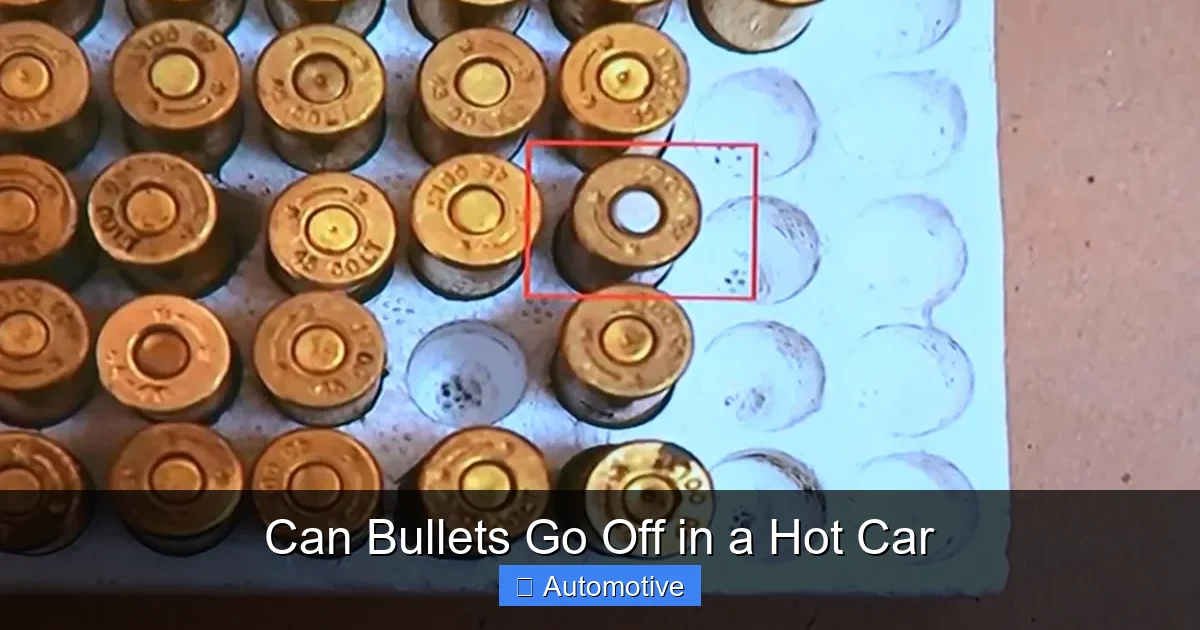
Primer and Casing Damage
Heat can also affect the brass casing and the primer. Brass expands when hot, which might cause slight warping or stress on the cartridge. Over time, this can lead to cracked casings or difficulty chambering rounds.
Primers, as mentioned earlier, can become unstable. While they won’t detonate from heat alone, repeated thermal stress might make them more likely to fire if jostled or dropped. This is why ammunition manufacturers recommend storing ammo in cool, dry places.
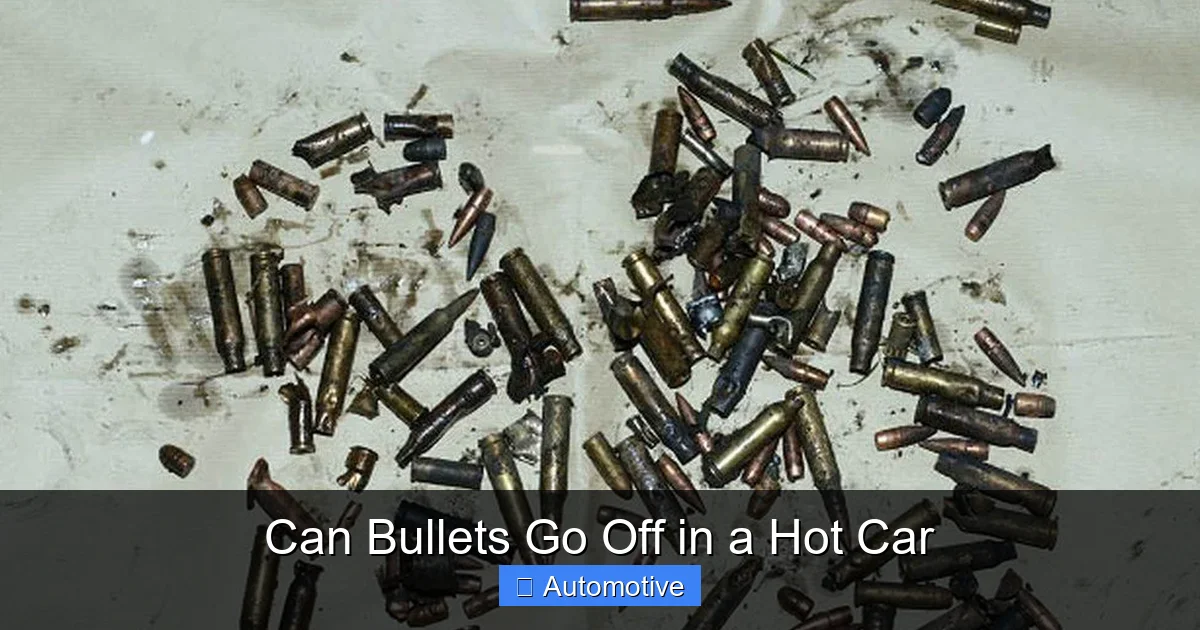
The Risk of “Cook-Off” in a Car Fire
Here’s where things get serious: **if a car catches fire, ammunition can “cook off.”**
“Cook-off” refers to the phenomenon where rounds ignite due to intense, sustained heat—like in a fire. Unlike spontaneous ignition, cook-off happens when the gunpowder reaches its auto-ignition temperature (typically around 300–400°F). Once that threshold is crossed, the powder burns rapidly, firing the bullet—even without a firing pin strike.
In a car fire, temperatures can exceed 1,000°F. If ammunition is present, rounds may begin to fire one by one, creating a dangerous, unpredictable situation. This is why firefighters are trained to approach burning vehicles with extreme caution—especially if they suspect firearms or ammo are inside.
A real-world example: In 2018, a car fire in Arizona caused multiple rounds to cook off, startling nearby residents and complicating the firefighting effort. No one was injured, but the incident highlighted the hidden dangers of storing ammunition in vehicles.
Safe Storage Practices for Gun Owners
Now that we know the risks, let’s talk solutions. The best way to protect your ammunition—and everyone around you—is to store it properly.
Never Leave Ammo in Your Car
This might seem obvious, but it’s worth repeating: **don’t store ammunition in your vehicle.** Even if you’re just running errands or heading to the range, it’s safer to bring your ammo with you.
Cars are not designed for long-term storage of sensitive materials. They’re subject to temperature swings, humidity, vibration, and theft. A locked glove box or trunk might seem secure, but it’s still exposed to extreme heat and potential break-ins.
Use Insulated, Locked Containers
If you must transport ammunition, use a hard-sided, lockable container. Look for options with insulation or thermal lining to help regulate temperature. Some gun cases are specifically designed to protect against heat and moisture.
Additionally, consider using a separate lockbox for your firearm and ammo. This not only protects against heat but also prevents unauthorized access—especially important if you have children or live in an area with high theft rates.
Store at Home in a Cool, Dry Place
At home, keep ammunition in a dedicated gun safe or lockbox. Ideal storage conditions are:
- Temperature: Below 70°F if possible, never exceeding 100°F.
- Humidity: Low humidity (below 50%) to prevent rust and corrosion.
- Ventilation: Avoid damp basements or attics without climate control.
Avoid storing ammo in garages, sheds, or vehicles—even if they’re locked. These spaces are prone to temperature extremes and moisture.
Check Your Ammo Regularly
If you suspect your ammunition has been exposed to heat, inspect it before use. Look for:
- Swollen or cracked casings
- Discolored powder (leaking from the primer or mouth of the case)
- Unusual odors (a sign of chemical breakdown)
- Difficulty chambering or feeding
If you notice any of these signs, it’s best to dispose of the rounds safely. Contact your local police department or a licensed firearms dealer for guidance on proper disposal.
Legal and Insurance Considerations
Beyond safety, there are legal and financial reasons to store ammunition responsibly.
Local Laws on Firearm and Ammo Storage
Many states and municipalities have laws governing how firearms and ammunition must be stored—especially in vehicles. For example:
- In California, firearms must be locked in a container or the trunk when transported.
- In New York, leaving a loaded firearm in a vehicle can result in criminal charges.
- Some states require trigger locks or separate storage of ammo and firearms.
Even if your state doesn’t have strict laws, violating local ordinances can lead to fines, confiscation, or legal trouble—especially if an accident occurs.
Insurance Implications
Your homeowner’s or renter’s insurance policy may cover firearm theft—but only if the items were stored properly. If you leave ammo in your car and it’s stolen or damaged, your claim might be denied.
Additionally, if improperly stored ammunition contributes to an accident (like a car fire that spreads due to cooking rounds), you could face liability issues.
Always check your policy and consider adding a firearms rider for full coverage.
Myths vs. Facts: Clearing Up Common Misconceptions
Let’s bust a few myths that keep circulating:
Myth: “Bullets explode like grenades in hot cars.”
Fact: Bullets don’t explode. They may cook off in a fire, but they won’t detonate from heat alone. The casing contains the pressure, and the bullet is simply pushed out—not blown apart.
Myth: “All ammo is the same—heat affects it equally.”
Fact: Different types of ammunition react differently to heat. Military surplus or older ammo with corrosive primers may degrade faster than modern commercial rounds.
Myth: “If it survived the car, it’s still good to shoot.”
Fact: Even if a round looks fine, internal damage may have occurred. Always inspect and test-fire questionable ammo in a safe environment—preferably at a range with proper backstops.
Myth: “Only handguns are at risk—rifle ammo is tougher.”
Fact: All ammunition is sensitive to heat. Rifle rounds often have more powder, which can make them more dangerous if they cook off.
Conclusion: Stay Smart, Stay Safe
So, can bullets go off in a hot car? The answer is clear: **not from heat alone, but the risks are real.** Extreme temperatures can degrade ammunition, reduce performance, and create dangerous situations—especially in the event of a fire.
The best defense is prevention. Avoid storing ammo in your vehicle, use proper containers, and keep your gear in a cool, dry place. Educate yourself on local laws and insurance requirements. And if you’re ever in doubt about a round’s condition, err on the side of caution.
Gun ownership comes with responsibility. By understanding how heat affects ammunition, you’re not just protecting your investment—you’re helping keep your community safe. Whether you’re heading to the range, traveling, or just running errands, make smart choices. Your safety—and the safety of those around you—depends on it.
Frequently Asked Questions
Can a bullet explode in a hot car?
No, bullets won’t explode from heat alone. They require a firing pin strike to ignite. However, extreme heat can degrade ammunition over time.
What temperature is too hot for ammunition?
Ammunition should be stored below 100°F. Prolonged exposure to temperatures above 150°F can damage primers and gunpowder.
Can ammo cook off in a car fire?
Yes. In a car fire, rounds can cook off—firing due to intense heat—even without a trigger pull. This creates a dangerous, unpredictable hazard.
Is it illegal to leave ammo in your car?
It depends on your location. Some states require locked storage or prohibit leaving firearms/ammo in vehicles. Check local laws to stay compliant.
How can I safely transport ammunition?
Use a locked, hard-sided container. Keep it out of direct sunlight and avoid leaving it in the car for long periods.
What should I do if my ammo was in a hot car?
Inspect it for damage like swelling, discoloration, or odor. If in doubt, dispose of it safely through a licensed dealer or law enforcement.
