
Can You Make a Copy of a Car Key

Yes, you can make a copy of a car key, but the process varies greatly depending on the key type. From simple mechanical cuts to advanced electronic programming, understanding your options ensures you stay prepared without compromising security.
So, you’ve lost your car key—or maybe you just want a spare for your partner or teen driver. The first question that pops into your head is: *Can you make a copy of a car key?* The short answer is yes… but it’s not always as simple as walking into a hardware store and handing over a blank. Modern car keys are far more complex than the simple metal blades of the past. Today’s keys often include electronic components, security chips, and wireless technology that require specialized equipment and knowledge to duplicate properly.
Understanding how your specific key works is the first step toward getting a reliable copy. Whether you drive a 1995 Honda Civic with a basic cut key or a 2023 Tesla with a sleek key fob, the duplication process varies dramatically. In this guide, we’ll walk you through everything you need to know about copying car keys—from the types of keys on the market to where you can get them duplicated, how much it costs, and what to watch out for. By the end, you’ll know exactly what to do if you ever find yourself locked out or in need of a backup.
Key Takeaways
- Traditional metal keys can be copied at most hardware stores or locksmiths in minutes using basic cutting machines.
- Transponder keys contain a microchip that must be programmed to your vehicle’s immobilizer system—copying requires both physical duplication and electronic syncing.
- Smart keys (key fobs) offer push-button start and remote functions; duplicating them often needs professional tools and dealership-level access.
- Dealerships provide OEM copies with full compatibility but charge significantly more than independent locksmiths or auto specialists.
- Mobile locksmiths can come to your location, copy and program keys on-site, offering convenience and competitive pricing.
- Always verify legality—some states require proof of ownership before a key can be duplicated.
- Having a spare key prevents lockouts and emergency towing costs, making duplication a smart preventive measure.
📑 Table of Contents
Types of Car Keys and How They Work
Before you can copy a car key, you need to know what kind you have. Not all keys are created equal, and the technology embedded in them determines how—and where—you can duplicate them.
Traditional Mechanical Keys
These are the simplest type of car keys—just a flat piece of metal with a unique cut pattern. They’ve been around for decades and are still used in older vehicles or as backup keys for newer models. If your car was made before the mid-1990s, chances are it uses a traditional mechanical key. These keys only operate the door locks and ignition cylinder—there’s no electronic component.
Copying a mechanical key is straightforward. You can walk into most hardware stores, big-box retailers like Walmart or Home Depot, or local locksmiths and have a duplicate made in under five minutes. All they need is your original key to trace the cuts onto a blank. The cost? Usually between $2 and $10. It’s quick, cheap, and effective—but only if your car doesn’t rely on electronic security.
Transponder Keys
Introduced in the early 1990s, transponder keys were a major leap forward in vehicle security. These keys look similar to mechanical keys but contain a small microchip embedded in the plastic head. When you insert the key into the ignition, the car’s immobilizer system sends a radio signal to the chip. If the chip responds with the correct code, the engine will start. If not, the car won’t turn over—even if the key physically fits.
This means that copying a transponder key isn’t just about duplicating the metal blade. You also need to clone or program the chip to match your vehicle’s system. Some auto parts stores like AutoZone or O’Reilly offer basic transponder key duplication, but not all chips can be copied—some require specialized programming tools. For example, a 2005 Toyota Camry transponder key might be duplicatable at a retail store, but a 2010 Ford F-150 with a rolling code chip may need a professional locksmith or dealership.
Remote Key Fobs (Smart Keys)
If your key has buttons for locking, unlocking, or starting the car remotely, you’ve got a remote key fob. These are common in vehicles from the 2000s onward. They combine the functions of a transponder key with wireless remote capabilities. Some even include panic alarms, trunk release, or proximity sensors.
Duplicating a remote fob is more complex. Not only do you need to copy the physical key (if it has one), but you also have to program the remote signals and, in many cases, sync the transponder chip. This often requires a diagnostic tool that can communicate with your car’s onboard computer. For example, a 2018 Honda Accord key fob might need to be programmed using Honda’s proprietary software, which isn’t available at most retail stores.
Proximity Keys (Keyless Entry and Push-Button Start)
The most advanced type of car key is the proximity key, often called a “smart key” or “keyless entry fob.” These don’t need to be inserted into the ignition at all. Instead, they use radio frequency identification (RFID) to detect when the key is near the vehicle. You can lock, unlock, and start the car with the key in your pocket or purse.
Examples include the Nissan Intelligent Key, Toyota Smart Key, and BMW Comfort Access. These systems are highly secure and difficult to duplicate without specialized equipment. Copying a proximity key usually requires access to the vehicle’s immobilizer system and often needs to be done by a dealership or a certified automotive locksmith with the right tools.
Where Can You Get a Car Key Copied?
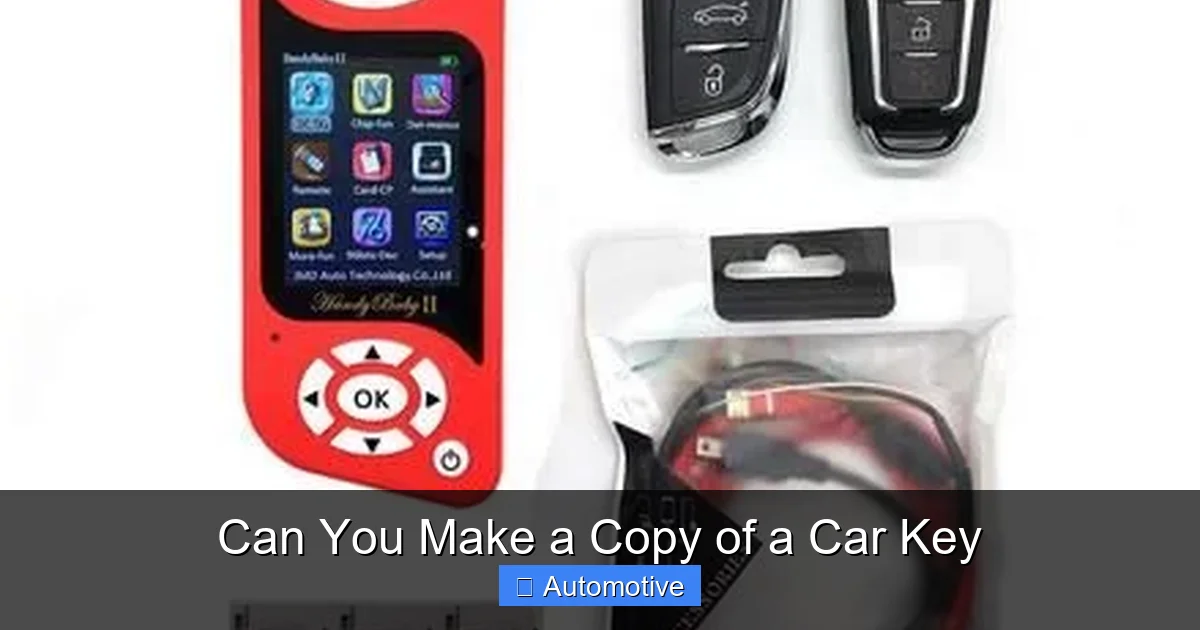
Visual guide about Can You Make a Copy of a Car Key
Image source: i.pinimg.com
Now that you know what type of key you have, the next question is: where can you get it copied? The answer depends on the key’s complexity and your budget.
Hardware Stores and Big-Box Retailers
For traditional mechanical keys, your local hardware store or retailer like Walmart, Home Depot, or Lowe’s is the easiest and cheapest option. Many have self-service key-cutting machines that let you insert your original key and select a blank. In minutes, you’ll have a working duplicate. Some stores even offer discounts if you buy multiple copies.
However, these locations usually can’t handle transponder or smart keys. Their machines are designed for basic cuts, not electronic programming. So while you can get a physical copy of a transponder key blade, the chip won’t be active—meaning the car won’t start.
Automotive Parts Stores
Stores like AutoZone, Advance Auto Parts, and O’Reilly Auto Parts often offer more advanced key duplication services. Many carry blank transponder keys and have the tools to program some models. For example, AutoZone provides free key cutting and sells programmable transponder blanks for popular vehicles like Ford, Chevrolet, and Honda.
But there are limits. Not all chips can be cloned, and some vehicles require unique programming sequences. Also, if your key has a remote function, you may still need to program the fob separately—sometimes using a specific sequence of button presses or a diagnostic tool.
Independent Locksmiths
A professional automotive locksmith is often the best choice for copying modern keys. These specialists have the tools and training to handle everything from basic cuts to advanced smart key programming. Many offer mobile services, meaning they can come to your home, office, or even the side of the road if you’re locked out.
For example, if you lose your key while traveling, a mobile locksmith can arrive with a portable key-cutting machine and programming device. They can cut a new key and program it to your car on the spot—often in under 30 minutes. Prices vary, but you’ll typically pay between $50 and $150 for a transponder key copy, depending on the vehicle.
Car Dealerships
Your vehicle’s dealership can always provide an OEM (original equipment manufacturer) copy of your key. They have access to your car’s VIN and can order a key that’s guaranteed to work. This is especially useful for high-security keys or vehicles with complex immobilizer systems.
However, dealerships are also the most expensive option. A single transponder key copy can cost $100 to $300, and smart keys can run $200 to $500 or more. Plus, you may need to schedule an appointment and wait for the key to be ordered. But if you want peace of mind and full compatibility, the dealership is a reliable—if pricey—choice.
Online Key Services
In recent years, online services have emerged that let you order key copies by mail. You send in your original key, and they return a duplicated and programmed version. Some companies even offer DIY programming kits for certain models.
While convenient, these services come with risks. You’re mailing your only key, which could be lost or damaged. Also, not all vehicles are supported, and programming may still require technical know-how. Use these services only if you’re confident in your ability to follow instructions and your vehicle is compatible.
How Much Does It Cost to Copy a Car Key?
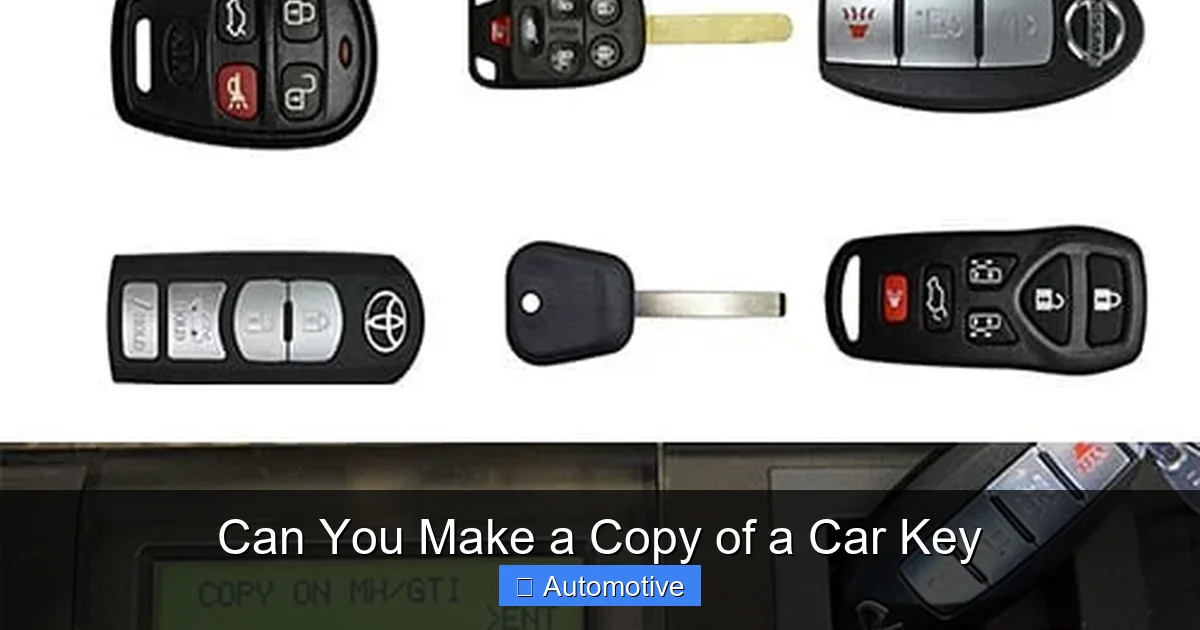
Visual guide about Can You Make a Copy of a Car Key
Image source: midamlockkc.com
The cost of copying a car key varies widely based on the type of key, where you get it done, and your vehicle’s make and model. Here’s a general breakdown:
– **Traditional mechanical key**: $2–$10 at a hardware store.
– **Transponder key (basic)**: $20–$50 at an auto parts store; $50–$150 with a locksmith.
– **Remote key fob**: $50–$200, depending on programming needs.
– **Smart/proximity key**: $100–$500+, especially at dealerships.
For example, copying a 2003 Honda Accord transponder key might cost $40 at AutoZone, while a 2020 BMW X5 smart key could run $400 at the dealership. Always get a quote before proceeding, and ask if programming is included.
Can You Copy a Car Key Without the Original?
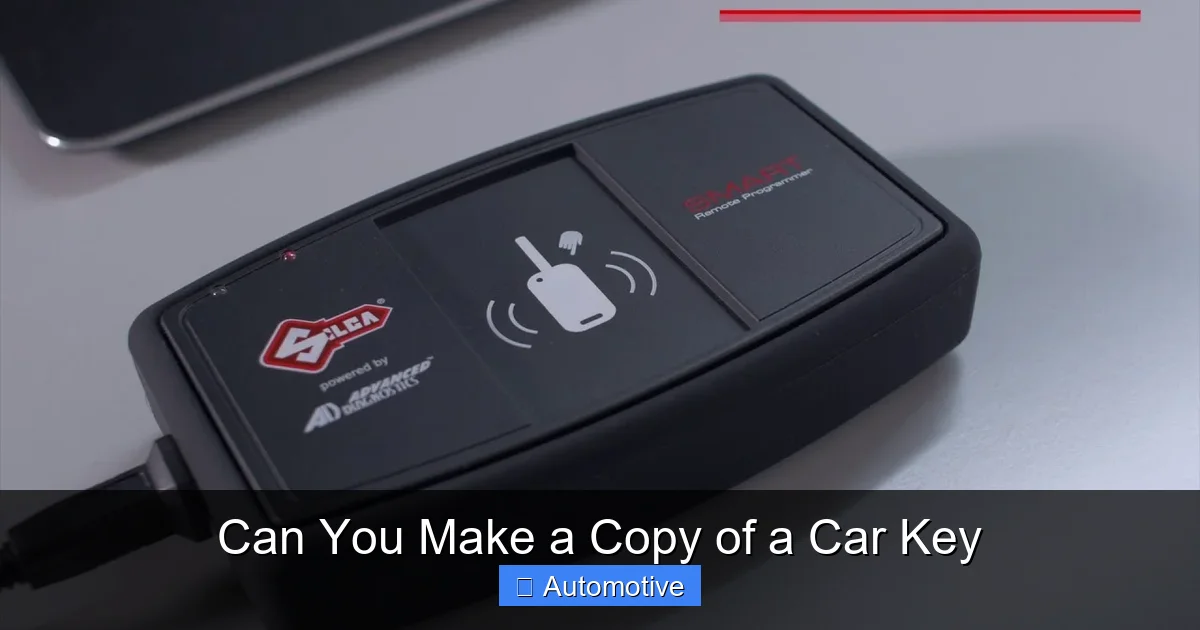
Visual guide about Can You Make a Copy of a Car Key
Image source: i.ytimg.com
This is a common question—and the answer is: sometimes, but it’s more complicated.
If you’ve lost your only key, you can still get a copy, but you’ll likely need to prove ownership. Most locksmiths and dealerships will ask for your vehicle registration, driver’s license, and sometimes the car’s title. They may also need to verify the VIN.
For mechanical keys, a locksmith can often cut a new key by decoding the ignition cylinder. For transponder and smart keys, the process is more involved. The locksmith or dealership will use diagnostic tools to program a new key to your vehicle’s immobilizer system. This may require the car to be present.
In some cases, you may need to tow the vehicle to the service location. It’s also worth noting that copying a key without the original is more expensive and time-consuming than duplicating an existing one.
Tips for Safely Copying Your Car Key
To ensure a smooth and secure key duplication process, keep these tips in mind:
– **Know your key type** before heading to a service provider. This saves time and avoids confusion.
– **Always make a spare** before you need it. Waiting until you’re locked out leads to rushed decisions and higher costs.
– **Use reputable services**. Avoid cheap, unlicensed key cutters—especially for electronic keys.
– **Keep your VIN handy**. It’s often required for programming new keys.
– **Test the new key** immediately. Make sure it starts the car and operates all remote functions.
– **Consider a keyless entry system** as an alternative. Some drivers opt for smartphone apps or aftermarket keyless starters to reduce reliance on physical keys.
Conclusion
So, can you make a copy of a car key? Absolutely—but the method, cost, and complexity depend entirely on your vehicle and key type. From simple metal cuts to advanced electronic programming, the world of car key duplication has evolved significantly. Whether you choose a hardware store, locksmith, or dealership, the key (pun intended) is to understand your options and act before an emergency strikes.
Having a spare key isn’t just convenient—it’s a smart investment in your time, money, and peace of mind. Don’t wait until you’re stranded in a parking lot at midnight. Take a few minutes today to assess your key and make a plan. Your future self will thank you.
Frequently Asked Questions
Can I copy a car key at home?
You can copy a traditional mechanical key at home using a DIY key-cutting kit, but these are rarely accurate enough for reliable use. For transponder or smart keys, home duplication isn’t feasible due to the need for programming tools and vehicle access.
Do all car keys have chips?
No. Only vehicles made after the mid-1990s typically use transponder chips. Older cars and some backup keys are purely mechanical. Check your key’s head—if it’s solid plastic with no visible electronics, it likely doesn’t have a chip.
Can a locksmith copy any car key?
Most professional automotive locksmiths can copy a wide range of keys, including transponder and remote fobs. However, some high-security or luxury vehicles may require dealership-only tools or software.
Is it legal to copy a car key?
Yes, as long as you own the vehicle or have permission from the owner. Some states require proof of ownership, such as registration or ID, before a key can be duplicated.
How long does it take to copy a car key?
A mechanical key can be copied in under 5 minutes. Transponder keys take 10–30 minutes, depending on programming. Smart keys may take 30–60 minutes, especially if done at a dealership.
What if I lose all my car keys?
Contact a licensed automotive locksmith or your dealership. They can create a new key using your VIN and vehicle access, though this is more expensive and may require towing the car.
