
What Happens When a Car Overheats

When a car overheats, the engine temperature rises beyond safe limits, risking serious damage like warped cylinder heads or blown gaskets. Immediate action—like pulling over and turning off the engine—can prevent costly repairs and keep you safe on the road.
Key Takeaways
- Overheating can cause permanent engine damage: Prolonged high temperatures may warp engine components like the cylinder head or damage the engine block.
- Common causes include coolant leaks, faulty thermostats, and radiator issues: These problems disrupt the cooling system’s ability to regulate engine temperature.
- Warning signs include steam, dashboard alerts, and unusual smells: Recognizing these early can help you act before major damage occurs.
- Pull over safely and turn off the engine immediately: Continuing to drive can turn a minor issue into a major repair.
- Never open the radiator cap when hot: Pressurized steam can cause severe burns—wait until the engine cools.
- Regular maintenance prevents most overheating issues: Check coolant levels, inspect hoses, and service the cooling system annually.
- Ignoring overheating can lead to engine failure: In extreme cases, the engine may seize and require replacement.
📑 Table of Contents
What Happens When a Car Overheats: A Complete Guide
Driving down the highway on a hot summer day, you suddenly notice steam rising from under the hood. Your temperature gauge is in the red, and a warning light flashes on your dashboard. Your heart skips a beat—your car is overheating. It’s a scary moment, but understanding what’s happening under the hood can help you respond quickly and avoid costly damage.
When a car overheats, it means the engine is running too hot—typically above 220°F (104°C)—which is well beyond the normal operating range of 195°F to 220°F (90°C to 104°C). The engine generates intense heat from combustion, and the cooling system is designed to manage that heat. But when something goes wrong—like a coolant leak, a broken water pump, or a clogged radiator—the engine can’t cool down. This leads to a cascade of problems that can range from minor inconveniences to total engine failure.
In this guide, we’ll walk you through what happens when a car overheats, the warning signs to watch for, the most common causes, and what you should do if it happens to you. We’ll also cover how to prevent overheating in the first place, so you can keep your car running smoothly mile after mile.
Why Engine Temperature Matters
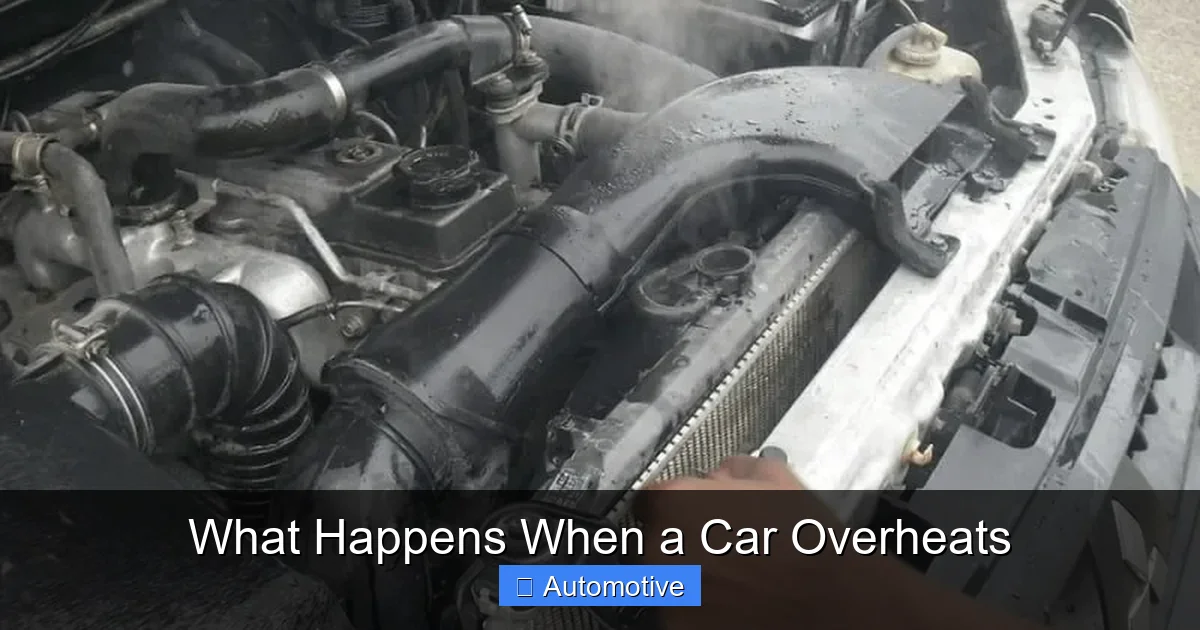
Your car’s engine is a finely tuned machine that relies on precise temperatures to function efficiently. When fuel burns in the cylinders, it creates a massive amount of heat—enough to melt metal if left unchecked. That’s why the cooling system is one of the most critical parts of your vehicle. It circulates coolant (a mix of water and antifreeze) through the engine and radiator to absorb and dissipate heat.
Visual guide about What Happens When a Car Overheats
Image source: askcarmechanic.com
If the engine runs too hot, even for a short time, it can cause irreversible damage. Metals expand when heated, and engine components like the cylinder head, pistons, and gaskets are designed to operate within tight tolerances. When those tolerances are exceeded due to overheating, parts can warp, crack, or fail completely.
The Role of the Cooling System
The cooling system includes several key components: the radiator, water pump, thermostat, coolant reservoir, hoses, and radiator fan. Together, they work like a team to keep the engine cool. The water pump circulates coolant through the engine block, where it absorbs heat. The hot coolant then flows to the radiator, where air (either from driving or the radiator fan) cools it down before it returns to the engine.
The thermostat acts as a gatekeeper, opening and closing to regulate coolant flow based on engine temperature. If it gets stuck closed, coolant can’t reach the radiator, and the engine heats up rapidly. If it’s stuck open, the engine may take too long to warm up, reducing efficiency—but that’s usually less dangerous than overheating.
Normal vs. Dangerous Temperatures
Most cars are designed to run between 195°F and 220°F (90°C to 104°C). The temperature gauge on your dashboard should stay in the middle range under normal driving conditions. If it starts creeping toward the red zone—especially if it hits the top—it’s a clear sign your engine is overheating.
Some modern cars have digital temperature displays or warning lights instead of a traditional gauge. A flashing or red temperature light is a serious alert that should never be ignored. Even if the engine doesn’t seem to be smoking or making strange noises, the internal damage may already be happening.
Common Causes of Car Overheating
Overheating doesn’t happen out of nowhere. It’s usually the result of a problem in the cooling system or a related component. Understanding these causes can help you spot issues early and avoid a breakdown.
Visual guide about What Happens When a Car Overheats
Image source: askcarmechanic.com
Coolant Leaks
One of the most common reasons for overheating is a coolant leak. Coolant (also called antifreeze) is essential for absorbing heat and preventing corrosion. If there’s a leak—whether from a cracked hose, a damaged radiator, or a faulty water pump seal—the coolant level drops, reducing the system’s ability to cool the engine.
Signs of a coolant leak include puddles of bright green, orange, or pink fluid under your car, a sweet smell (coolant has a distinct odor), or low coolant levels in the reservoir. Even a small leak can become a big problem if it worsens over time.
Faulty Thermostat
The thermostat controls when coolant flows into the radiator. If it fails and gets stuck in the closed position, coolant can’t circulate, and the engine heats up quickly. This often happens suddenly and without warning.
A stuck-open thermostat is less dangerous but can cause the engine to run too cool, reducing fuel efficiency and increasing emissions. However, a stuck-closed thermostat is a major red flag for overheating.
Radiator Problems
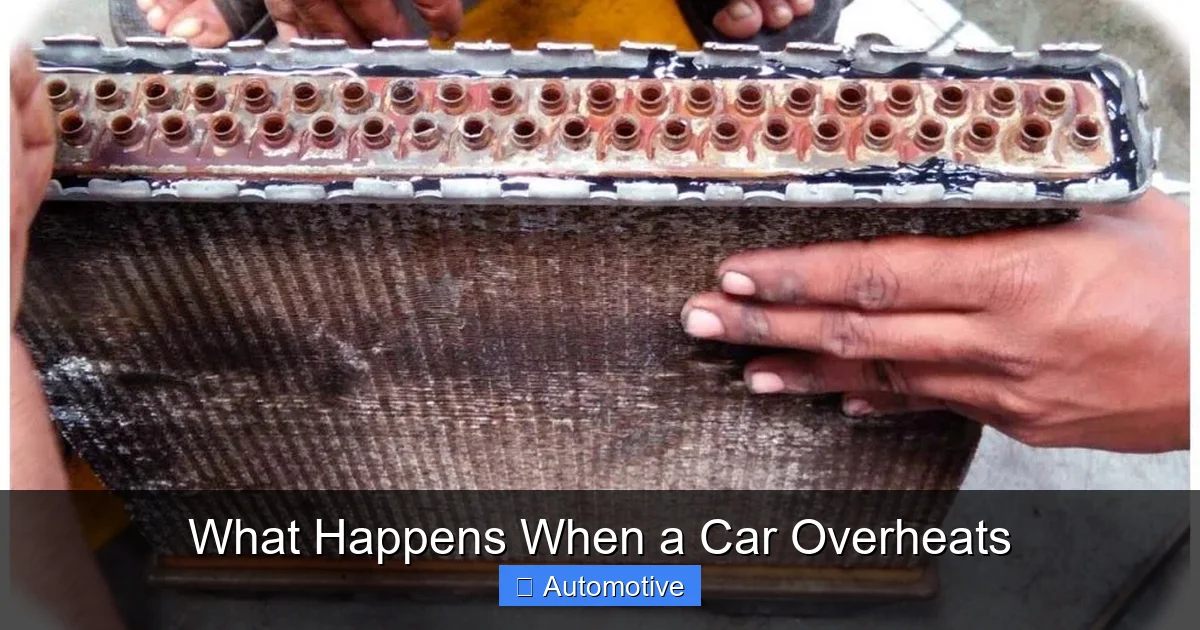
The radiator is responsible for cooling the hot coolant before it returns to the engine. If it’s clogged with dirt, debris, or internal corrosion, it can’t do its job. A damaged radiator—such as one with bent fins or a leak—also reduces cooling efficiency.
External blockages (like bugs or leaves) can be cleaned, but internal corrosion or leaks usually require professional repair or replacement.
Water Pump Failure
The water pump is the heart of the cooling system. It uses an impeller to push coolant through the engine and radiator. If the pump fails—due to a broken impeller, worn bearings, or a leaking seal—coolant stops circulating, and the engine overheats rapidly.
Signs of water pump failure include coolant leaks near the front of the engine, a whining noise from the pump area, or visible damage to the pump housing.
Low Coolant Level
Even without a visible leak, coolant can evaporate over time or be consumed by a small internal leak. Low coolant levels mean less fluid to absorb heat, increasing the risk of overheating.
Always check your coolant reservoir regularly. If it’s consistently low, have your mechanic inspect for leaks or other issues.
Broken Radiator Fan
The radiator fan kicks in when the engine is hot or when the car is idling to pull air through the radiator. If the fan motor burns out, the relay fails, or the fuse blows, the radiator can’t cool the coolant effectively—especially in stop-and-go traffic or hot weather.
A non-working fan often causes overheating at low speeds but may not be noticeable on the highway where airflow is sufficient.
Blown Head Gasket
A blown head gasket is a serious issue that can cause overheating—and be caused by it. The head gasket seals the cylinder head to the engine block. If it fails, combustion gases can enter the cooling system, causing pressure buildup, coolant contamination, and overheating.
Signs include white smoke from the exhaust, milky oil (from coolant mixing with oil), and bubbles in the coolant reservoir. This is a major repair that requires professional attention.
Warning Signs Your Car Is Overheating
Recognizing the early signs of overheating can save you from expensive repairs. Don’t wait for steam to pour out from under the hood—act as soon as you notice any of these symptoms.
Visual guide about What Happens When a Car Overheats
Image source: jeepzine.com
Dashboard Warning Light
Most modern cars have a temperature warning light—often shaped like a thermometer or labeled “TEMP.” If this light comes on, especially if it’s flashing or red, pull over as soon as it’s safe to do so.
Some vehicles also have a digital message like “Engine Overheating” or “Check Coolant Level.” Never ignore these alerts.
High Temperature Gauge Reading
If your temperature gauge is in the red zone or climbing rapidly, your engine is overheating. Even if the light hasn’t come on yet, a high reading is a serious warning.
Note: Some older cars have analog gauges that may not be perfectly accurate. If you’re unsure, err on the side of caution.
Steam or Smoke from Under the Hood
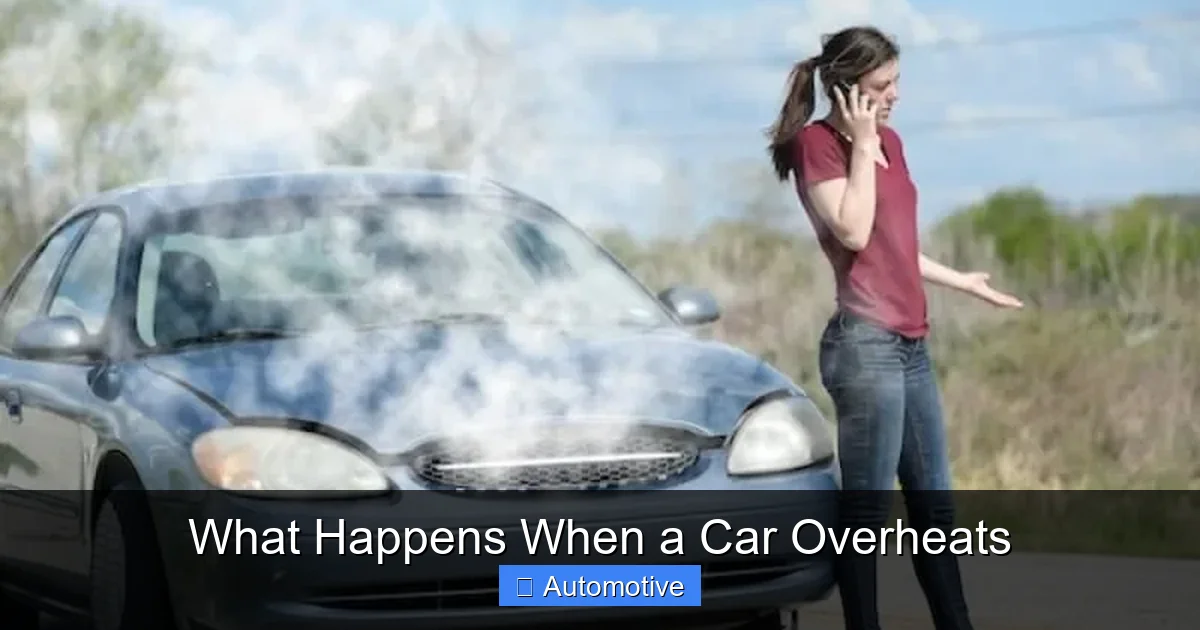
Steam rising from the engine bay is a clear sign of overheating. It’s usually caused by coolant boiling and escaping through a leak or overflow. Smoke may also appear if oil or other fluids are burning due to excessive heat.
Do not open the hood immediately—steam can cause severe burns. Wait until the engine cools.
Unusual Smells
A sweet, syrupy smell often indicates a coolant leak. If you smell burning rubber or oil, it could mean hoses or belts are overheating or melting.
These odors are warning signs that something is wrong—don’t dismiss them.
Loss of Power or Engine Knocking
As the engine overheats, it may lose power, run roughly, or make knocking or pinging sounds. This happens because hot metal expands and can cause pistons to seize or valves to stick.
Engine knocking is especially dangerous and can lead to catastrophic failure if ignored.
Coolant Leaking or Bubbling
If you see coolant dripping under the car or notice bubbles in the coolant reservoir, it could mean the system is over-pressurized—often due to a blown head gasket or severe overheating.
Bubbling coolant is a serious sign that requires immediate attention.
What to Do If Your Car Overheats
If you suspect your car is overheating, act quickly but calmly. Your safety and the health of your engine depend on the right response.
Pull Over Safely
As soon as you notice a warning sign, signal and pull over to a safe location—like the shoulder of the road or a parking lot. Turn on your hazard lights to alert other drivers.
Do not continue driving, even if the temperature gauge drops slightly. The damage may already be done.
Turn Off the Engine
Once stopped, turn off the engine immediately. Let it cool for at least 15 to 30 minutes. Opening the hood can help speed up cooling, but never do so while the engine is still hot or smoking.
Running a hot engine can cause warped cylinder heads or cracked engine blocks—repairs that can cost thousands.
Do Not Open the Radiator Cap
Never open the radiator cap when the engine is hot. The cooling system is pressurized, and opening it can release a burst of scalding steam and coolant, causing serious burns.
Wait until the engine is completely cool—usually 30 minutes or more—before checking coolant levels.
Check Coolant Levels (When Cool)
Once the engine has cooled, check the coolant reservoir. If it’s low, you may have a leak. Add coolant or a 50/50 mix of water and antifreeze if available.
Never use only water in cold climates—it can freeze and damage the engine.
Call for Help
If you’re not sure what’s causing the overheating or don’t have the tools to fix it, call a tow truck or roadside assistance. Driving with an overheating engine is extremely risky.
A professional mechanic can diagnose the issue and make necessary repairs.
Temporary Fixes (Only If Safe)
In rare cases, you might be able to make a temporary fix—like adding coolant or tightening a loose hose—if you’re in a safe location and know what you’re doing. But this is not a long-term solution.
Always have your car inspected by a mechanic after an overheating incident.
Potential Damage from Overheating
Overheating isn’t just a temporary inconvenience—it can cause lasting damage to your engine and other components. The severity depends on how hot the engine got and how long it stayed that way.
Warped Cylinder Head
The cylinder head sits on top of the engine block and houses the valves and spark plugs. When overheated, the metal can warp or crack, especially if it cools unevenly.
A warped head can cause compression loss, poor performance, and oil leaks. Repairing it often requires machining or replacement—costing $1,000 or more.
Blown Head Gasket
The head gasket seals the cylinder head to the engine block. Extreme heat can cause it to fail, allowing coolant to mix with oil or combustion gases to enter the cooling system.
A blown head gasket is one of the most expensive repairs, often costing $1,500 to $2,500 or more.
Cracked Engine Block or Cylinder Head
In severe cases, the engine block or cylinder head can crack due to thermal stress. This is rare but possible with prolonged overheating.
A cracked block usually means the engine must be replaced—costing thousands of dollars.
Damaged Pistons and Valves
Overheating can cause pistons to expand and seize in the cylinders. Valves may also warp or burn, leading to poor sealing and reduced performance.
These issues often require engine disassembly and rebuilding.
Radiator and Hose Damage
High pressure and temperature can cause radiators to crack or hoses to burst. Coolant leaks can lead to further overheating and corrosion.
Replacing a radiator can cost $500 to $1,000, depending on the vehicle.
Electrical and Sensor Failure
Excessive heat can damage electronic components like the engine control unit (ECU), sensors, and wiring. This can cause erratic behavior, warning lights, or even prevent the car from starting.
Electrical repairs can be complex and costly.
How to Prevent Your Car from Overheating
The best way to deal with overheating is to prevent it from happening in the first place. Regular maintenance and awareness can keep your cooling system in top shape.
Check Coolant Levels Monthly
Pop the hood and check the coolant reservoir every month. The level should be between the “MIN” and “MAX” marks. Top it off with the correct type of coolant if needed.
Use the coolant recommended in your owner’s manual—mixing types can cause corrosion or clogging.
Inspect Hoses and Belts
Look for cracks, bulges, or soft spots in coolant hoses. Replace any that look worn. Also, check the serpentine belt that drives the water pump—if it’s frayed or loose, it can fail and stop coolant circulation.
Hoses and belts should be inspected every 6 months or during oil changes.
Service the Cooling System
Most manufacturers recommend flushing and replacing coolant every 30,000 to 50,000 miles (or every 2 to 5 years). This removes rust, scale, and contaminants that can clog the system.
A professional flush ensures all old coolant is removed and the system is refilled properly.
Test the Thermostat
If your engine takes a long time to warm up or overheats frequently, the thermostat may be faulty. A mechanic can test it and replace it if needed.
Thermostats are inexpensive (around $20–$50) but critical for proper engine temperature.
Keep the Radiator Clean
Check the front of the radiator for dirt, bugs, or debris. Use a soft brush or compressed air to clean it gently. A clogged radiator can’t cool the coolant effectively.
Also, make sure the radiator fan is working—listen for it kicking on when the engine is hot.
Monitor the Temperature Gauge
Pay attention to your dashboard. If the temperature starts to rise, especially in traffic or hot weather, pull over and investigate.
Don’t assume it will fix itself—early action can prevent major damage.
Address Leaks Immediately
If you notice coolant puddles or a sweet smell, have your car inspected right away. Small leaks can become big problems if ignored.
Even a slow leak can lead to overheating during long drives or in hot conditions.
Conclusion
Overheating is one of the most serious problems your car can face. It’s not just about being stranded on the side of the road—it can lead to engine damage that costs thousands to repair. But with the right knowledge and preventive care, you can avoid most overheating issues.
Remember: when your car overheats, pull over, turn off the engine, and let it cool. Never open the radiator cap while hot, and always have the issue diagnosed by a professional. Regular maintenance—like checking coolant, inspecting hoses, and servicing the cooling system—can keep your engine running cool and reliable for years to come.
Your car is a complex machine, but taking care of it doesn’t have to be complicated. Stay alert, stay informed, and you’ll spend more time driving and less time worrying about what’s under the hood.
Frequently Asked Questions
Can I drive my car if it’s overheating?
No, you should never drive a car that’s overheating. Continuing to drive can cause severe engine damage, including warped cylinder heads or a blown head gasket. Pull over safely and turn off the engine immediately.
How long should I wait before opening the radiator cap?
Wait at least 30 minutes after turning off the engine to allow it to cool completely. Opening the radiator cap while hot can release pressurized steam and cause serious burns.
What should I do if I don’t have coolant with me?
If you’re in a safe location and the engine has cooled, you can add water temporarily to get to a service station. However, use coolant as soon as possible, especially in cold weather, to prevent freezing and corrosion.
Can a blown head gasket cause overheating?
Yes, a blown head gasket can cause overheating by allowing combustion gases to enter the cooling system or letting coolant leak into the cylinders. It can also be a result of severe overheating.
How much does it cost to fix an overheating car?
Repair costs vary widely depending on the cause. A thermostat replacement may cost $100–$200, while a blown head gasket can cost $1,500 or more. Radiator or water pump repairs typically range from $500 to $1,000.
How often should I check my coolant level?
Check your coolant level at least once a month, or during every other oil change. Also, inspect for leaks, discoloration, or low levels, especially before long trips or in extreme weather.
