
How Much Is Classic Car Insurance?

Classic car insurance is often more affordable than standard auto insurance, but pricing varies based on value, usage, and storage. Most policies offer agreed-value coverage and limited mileage discounts, making them ideal for collectors.
Key Takeaways
- Classic car insurance is typically cheaper than regular car insurance: Due to limited driving and specialized usage, premiums are often 30–50% lower.
- Agreed-value coverage protects your investment: Unlike standard policies that pay market value, classic car insurance pays the pre-set agreed amount if the car is totaled.
- Usage restrictions apply: Most insurers require limited annual mileage (usually under 5,000 miles) and prohibit daily commuting.
- Storage matters: Cars stored in secure, climate-controlled garages often qualify for lower rates.
- Vehicle age and condition impact eligibility: Most insurers require the car to be at least 20–25 years old and in good or restored condition.
- Membership in car clubs can reduce costs: Some insurers offer discounts for belonging to recognized collector car organizations.
- Shop around for the best deal: Rates and benefits vary widely, so comparing quotes from multiple specialty insurers is essential.
📑 Table of Contents
How Much Is Classic Car Insurance?
If you’re a proud owner of a vintage Mustang, a restored 1960s Corvette, or a classic European roadster, you know these vehicles are more than just transportation—they’re pieces of history, art, and passion. But with that pride comes responsibility, especially when it comes to protecting your investment. One of the most common questions among classic car enthusiasts is: How much is classic car insurance?
The good news? Classic car insurance is often significantly cheaper than standard auto insurance. While a typical driver might pay $1,200 to $2,000 per year for a daily driver, classic car owners can expect to pay anywhere from $200 to $800 annually—sometimes even less. But why the big difference? It all comes down to how these policies are structured, who they’re designed for, and the unique risks (or lack thereof) associated with owning a classic vehicle.
Unlike regular cars used for commuting, school runs, or weekend errands, classic cars are typically driven sparingly—often just for pleasure, car shows, parades, or weekend cruises. This limited usage reduces the likelihood of accidents, which in turn lowers insurance risk. Additionally, classic car owners tend to be more responsible, experienced drivers who take extra care of their vehicles. Insurers recognize this, and they reward it with lower premiums.
But don’t let the lower price fool you—classic car insurance isn’t just a discounted version of regular coverage. It’s a specialized product tailored to the needs of collectors and enthusiasts. From agreed-value payouts to flexible usage rules, these policies are built to protect both the car and the owner’s financial interests. In this guide, we’ll break down everything you need to know about classic car insurance costs, what affects pricing, and how to get the best deal without sacrificing protection.
What Is Classic Car Insurance?
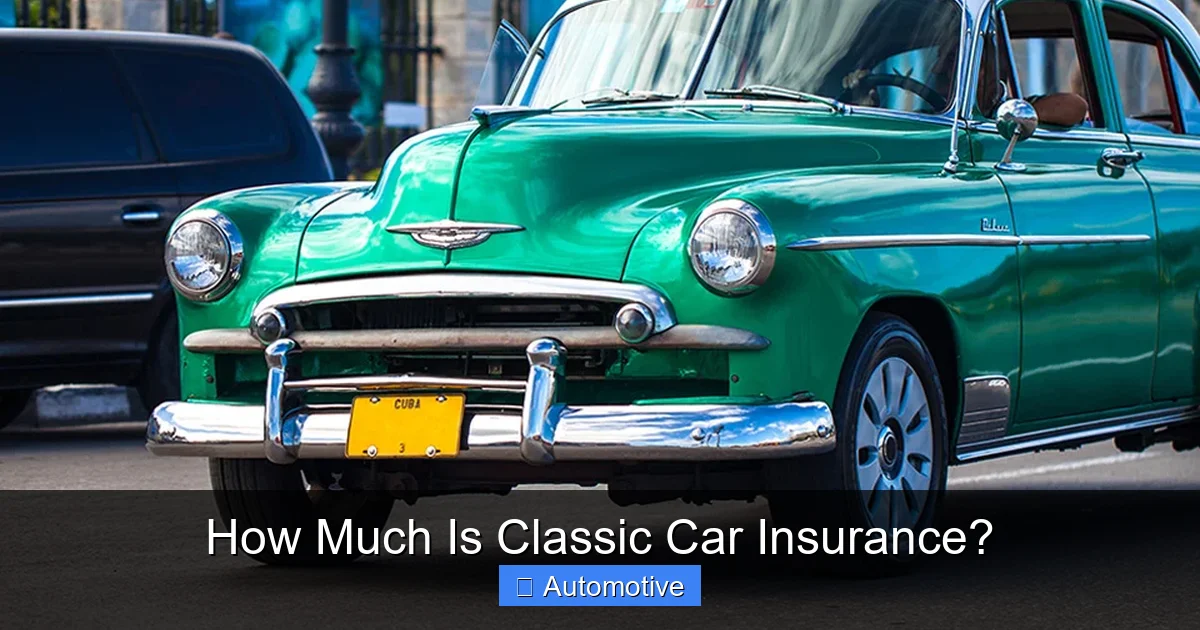
Visual guide about How Much Is Classic Car Insurance?
Image source: westerninsurance.com
Before diving into costs, it’s important to understand what classic car insurance actually is—and how it differs from standard auto insurance.
Classic car insurance is a specialized type of coverage designed for vehicles that are older, collectible, and typically not used as daily drivers. These policies are offered by insurers who understand the unique needs of classic car owners, such as the importance of preserving original parts, the value of restoration work, and the emotional attachment to these vehicles.
One of the biggest differences between classic and regular car insurance is the way claims are handled. Most standard policies use actual cash value (ACV), which means they pay out based on the car’s current market value at the time of the claim—factoring in depreciation. For a classic car, that could mean a much lower payout than what you’ve invested in restoration or maintenance.
Classic car insurance, on the other hand, typically offers agreed-value coverage. This means you and the insurer agree on the car’s value upfront—say, $50,000 for a fully restored 1967 Shelby GT500. If the car is totaled, you’ll receive that full $50,000, not a depreciated amount. This protects your investment and ensures you can rebuild or replace the vehicle without a financial shortfall.
Another key feature is limited usage. Most classic car insurance policies require that the vehicle be driven less than a certain number of miles per year—commonly between 2,500 and 5,000 miles. They also usually prohibit using the car for daily commuting, business purposes, or ride-sharing. Instead, driving is typically restricted to pleasure trips, car shows, parades, and occasional weekend drives.
Storage requirements are also common. Insurers often require that the classic car be stored in a secure, enclosed garage when not in use. This reduces the risk of theft, vandalism, or weather damage, which helps keep premiums low.
Who Qualifies for Classic Car Insurance?
Not every old car qualifies for classic car insurance. Insurers have specific criteria to determine eligibility. While these can vary slightly between companies, most follow similar guidelines:
– Age of the vehicle: Most insurers require the car to be at least 20 to 25 years old. Some may accept vehicles as young as 15 years if they’re rare or highly collectible.
– Condition: The car should be in good, restored, or original condition. Daily drivers with significant wear and tear usually don’t qualify.
– Usage: The vehicle must not be used as a primary mode of transportation. Limited mileage and no commuting are standard requirements.
– Storage: The car must be stored in a secure, enclosed garage—preferably climate-controlled.
– Ownership: You typically need to own a primary vehicle for daily use. Classic cars are seen as secondary vehicles.
For example, a 1998 Honda Civic used to drive to work every day wouldn’t qualify—even if it’s 25 years old. But a 1998 Porsche 911 that’s been restored, stored in a garage, and driven only on weekends might be eligible.
Types of Classic Cars Covered
Classic car insurance isn’t just for muscle cars and sports cars. Many types of vehicles can qualify, including:
– Antique cars: Typically 45+ years old, often unrestored but well-maintained.
– Classic cars: 20–45 years old, usually restored or in excellent condition.
– Muscle cars: High-performance American cars from the 1960s and 1970s, like the Ford Mustang, Chevrolet Camaro, or Dodge Charger.
– Vintage cars: Pre-1930s vehicles, often considered museum pieces.
– Exotic and collector cars: Rare or high-value imports like Ferraris, Jaguars, or BMWs from past decades.
– Hot rods and custom builds: Modified vehicles with significant aftermarket work, as long as they meet usage and storage rules.
Even some modern “modern classics”—like early 2000s BMW M3s or Porsche 911s—can qualify if they’re collectible and meet the insurer’s criteria.
Factors That Affect Classic Car Insurance Costs
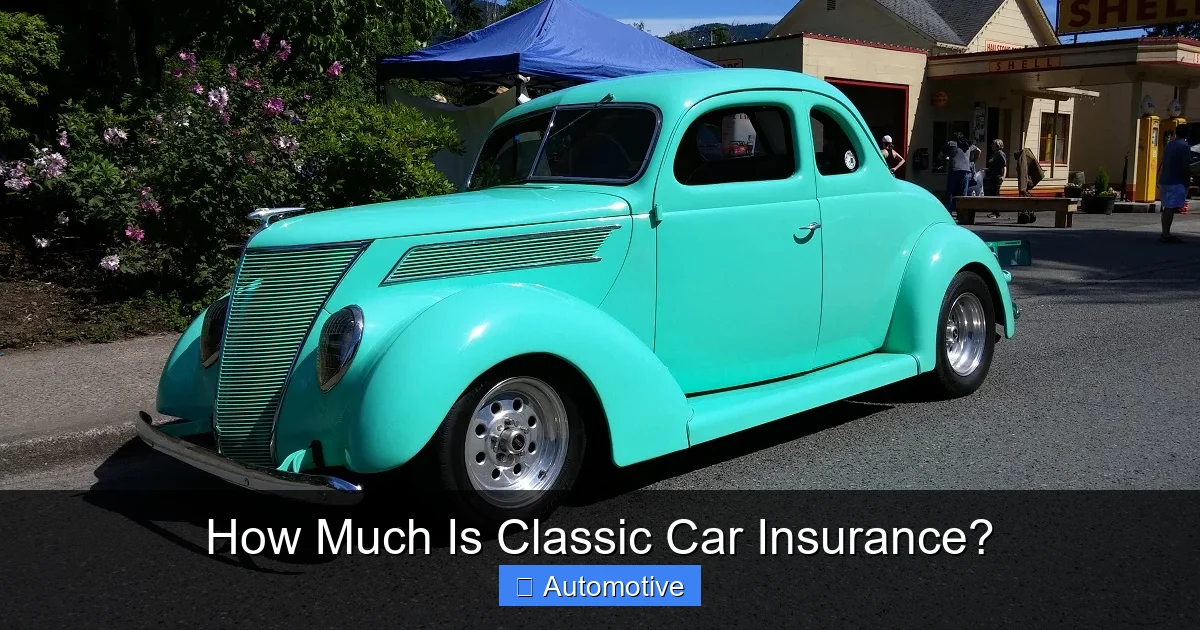
Visual guide about How Much Is Classic Car Insurance?
Image source: hokansoninsurance.com
Now that you understand what classic car insurance is, let’s get into the nitty-gritty: how much does it actually cost? The answer depends on several key factors. While premiums are generally lower than standard auto insurance, the exact amount you’ll pay can vary widely based on your car, your driving habits, and your insurer.
1. Agreed Value of the Vehicle
The single biggest factor in determining your premium is the agreed value of your classic car. This is the amount you and the insurer agree the car is worth—and it’s what you’ll receive if the car is totaled.
For example:
– A 1965 Ford Mustang in excellent condition might have an agreed value of $40,000.
– A fully restored 1957 Chevrolet Bel Air could be valued at $75,000.
– A rare 1963 Ferrari 250 GT Lusso might be insured for $1.5 million or more.
The higher the agreed value, the higher your premium—but not always proportionally. Insurers often charge a lower rate per $1,000 of value for classic cars compared to standard vehicles. So while a $75,000 car will cost more to insure than a $40,000 one, the difference in premium may be modest.
Tip: Get a professional appraisal before setting the agreed value. This ensures you’re not underinsured (risking a payout that won’t cover repairs or replacement) or overinsured (paying for coverage you don’t need).
2. Annual Mileage
How much you drive your classic car plays a major role in pricing. Most insurers set a maximum annual mileage limit—commonly between 2,500 and 5,000 miles. The lower your mileage, the lower your risk of accidents, and the lower your premium.
For example:
– Driving 1,000 miles per year might qualify you for the lowest rate.
– Driving 4,500 miles could increase your premium by 20–30%.
– Exceeding the mileage limit could result in policy cancellation or denial of claims.
Some insurers offer flexible mileage options. For instance, you might pay a base rate for up to 3,000 miles, with an additional charge per mile beyond that. This can be useful if you plan to drive your car more than usual for a cross-country trip or car show tour.
3. Storage and Security
Where you store your classic car matters—a lot. Insurers want to minimize risk, and a car parked in a locked, climate-controlled garage is far less likely to be stolen, vandalized, or damaged by weather than one left on the street or in a driveway.
Policies often require:
– Enclosed, locked garage storage.
– Security systems (alarms, immobilizers, GPS trackers).
– Climate control (especially for cars with leather interiors or delicate paint).
If your car is stored in a secure facility, you may qualify for a discount. Conversely, if you store it in an open carport or driveway, your premium could be higher—or the insurer might deny coverage altogether.
4. Your Driving Record and Experience
Just like with regular car insurance, your personal driving history affects your rates. A clean record with no accidents or tickets can help keep premiums low. Some insurers also consider your experience with classic cars—especially if you’re a member of a car club or have a history of owning and maintaining vintage vehicles.
For example, a 60-year-old collector with 40 years of driving experience and no claims will likely pay less than a 25-year-old first-time classic car owner—even if they’re insuring the same vehicle.
5. Location
Where you live can impact your premium. Urban areas with higher traffic density, theft rates, or vandalism may lead to higher rates. Rural areas with lower risk often have lower premiums.
For instance, insuring a classic car in downtown Los Angeles might cost more than the same car in a small town in Nebraska—even if the vehicle and driver are identical.
However, some insurers specialize in classic cars and offer flat rates regardless of location, so it’s worth shopping around.
6. Coverage Options
The type and amount of coverage you choose will also affect your premium. Most classic car insurance policies include:
– Agreed-value collision and comprehensive: Covers damage from accidents, theft, fire, vandalism, and weather.
– Liability coverage: Required by law in most states, covers damage or injury you cause to others.
– Uninsured/underinsured motorist coverage: Protects you if you’re hit by a driver with no or insufficient insurance.
– Spare parts coverage: Reimburses you for the cost of original or rare parts stored separately.
– Trip interruption coverage: Pays for lodging and towing if your car breaks down on a road trip.
– Flexible usage endorsements: Allows occasional commuting or higher mileage for an added fee.
Adding more coverage increases your premium, but it can provide valuable protection—especially for high-value vehicles.
Average Classic Car Insurance Costs

Visual guide about How Much Is Classic Car Insurance?
Image source: blevinsinsurance.com
So, what can you expect to pay? While prices vary, here are some realistic estimates based on real-world data and quotes from major classic car insurers.
Low-End Estimate: $150–$300 per Year
This range typically applies to:
– Lower-value classics (e.g., $10,000–$25,000 agreed value).
– Very low mileage (under 2,000 miles/year).
– Excellent storage and security.
– Clean driving record.
– Older drivers with experience.
Example: A 1978 Ford Mustang with an agreed value of $18,000, driven 1,500 miles per year, stored in a garage, and owned by a 55-year-old with no claims might cost around $220/year.
Mid-Range Estimate: $300–$600 per Year
This is the most common range for many classic car owners. It covers:
– Mid-value vehicles ($25,000–$60,000).
– Moderate mileage (2,500–4,000 miles/year).
– Good storage and driving record.
Example: A 1969 Chevrolet Camaro SS valued at $45,000, driven 3,000 miles annually, stored securely, and owned by a responsible driver might cost $450/year.
High-End Estimate: $600–$1,500+ per Year
This applies to:
– High-value or rare classics ($75,000+).
– Limited production or exotic models.
– Owners who want extensive coverage (e.g., spare parts, trip interruption).
– Younger drivers or those with less experience.
Example: A 1963 Ferrari 250 GT Lusso with an agreed value of $1.2 million, driven 2,000 miles per year, might cost $1,200–$1,800/year—even with excellent storage and a clean record.
Keep in mind that these are averages. Some specialty insurers offer competitive rates, while others charge more for added services or broader coverage.
Cost Comparison: Classic vs. Regular Car Insurance
To put it in perspective, here’s how classic car insurance stacks up against standard auto insurance:
| Vehicle Type | Annual Premium (Average) | Key Differences |
|————–|————————–|—————–|
| Classic Car (e.g., 1967 Mustang) | $400 | Agreed value, limited mileage, garage storage |
| Regular Car (e.g., 2020 Honda Accord) | $1,500 | Actual cash value, daily use, higher risk |
As you can see, classic car insurance can save you hundreds—or even over a thousand—dollars per year. And that’s before factoring in the peace of mind that comes with knowing your prized possession is properly protected.
How to Save Money on Classic Car Insurance
While classic car insurance is already affordable, there are several ways to reduce your premium even further. Here are some proven strategies:
1. Join a Car Club
Many insurers offer discounts—typically 5% to 15%—for members of recognized classic car clubs like the Classic Car Club of America (CCCA), Hemmings, or local enthusiast groups. These organizations demonstrate your commitment to responsible ownership and often provide resources for maintenance and restoration.
Tip: Ask your insurer which clubs they recognize. Some may require proof of membership, such as a current membership card or newsletter.
2. Increase Your Deductible
Choosing a higher deductible—the amount you pay out of pocket before insurance kicks in—can lower your premium. For example, raising your deductible from $500 to $1,000 might reduce your annual cost by 10–15%.
Just make sure you can afford the deductible if you ever need to file a claim.
3. Bundle Policies
If you have other insurance needs—like home, renters, or life insurance—consider bundling them with the same company. Many insurers offer multi-policy discounts of 10% or more.
For example, if you already have home insurance with Hagerty, you might get a discount on your classic car policy.
4. Maintain a Clean Driving Record
Avoiding accidents, tickets, and claims is one of the best ways to keep your rates low. Even one at-fault accident can increase your premium by 20% or more.
Tip: Take a defensive driving course—some insurers offer discounts for completing approved programs.
5. Store Your Car Securely
Invest in a quality garage, security system, and climate control. Not only will this protect your car, but it can also qualify you for lower rates.
Some insurers even offer discounts for GPS tracking devices or immobilizers.
6. Review Your Policy Annually
Your car’s value, usage, and storage situation may change over time. Review your policy each year to ensure your agreed value is still accurate and that you’re not overpaying for coverage you don’t need.
For example, if you’ve restored your car and increased its value, you may need to adjust your coverage. Conversely, if you’re driving less, you might qualify for a lower mileage discount.
Top Classic Car Insurance Companies
Not all insurers offer classic car coverage, and those that do vary in terms of pricing, features, and customer service. Here are some of the top providers to consider:
Hagerty
Hagerty is one of the most well-known names in classic car insurance. They offer agreed-value coverage, flexible usage, spare parts protection, and access to a network of classic car experts. They also provide roadside assistance tailored to vintage vehicles.
Pros: Excellent customer service, strong reputation, wide range of coverage options.
Cons: Slightly higher premiums for some vehicles.
Grundy Insurance
Grundy specializes in high-value classics and offers agreed-value policies with no mileage limits (though usage restrictions still apply). They’re popular among collectors of rare and exotic cars.
Pros: No mileage caps, strong claims support.
Cons: May be more expensive for lower-value vehicles.
American Collectors Insurance
This company offers customizable policies with agreed-value coverage, trip interruption, and spare parts protection. They also provide discounts for car club members.
Pros: Flexible coverage, competitive rates.
Cons: Limited availability in some states.
Heacock Classic Insurance
Heacock offers comprehensive coverage for classics, including agreed-value, roadside assistance, and flexible usage. They also provide resources for car shows and events.
Pros: Strong customer support, event-based coverage.
Cons: Fewer online tools compared to competitors.
State Farm and GEICO
While not specialty insurers, some mainstream companies like State Farm and GEICO offer classic car coverage through select agents. These can be good options if you already have other policies with them.
Pros: Convenience of bundling, familiar brand.
Cons: Less specialized, may not offer agreed-value coverage.
Tip: Always get quotes from at least three different insurers to compare rates and features.
Common Mistakes to Avoid
When shopping for classic car insurance, it’s easy to make mistakes that could cost you money or leave you underinsured. Here are some common pitfalls to avoid:
Underinsuring Your Vehicle
Setting the agreed value too low might save you a few dollars on premiums, but it could leave you short if your car is totaled. Always base the value on a professional appraisal or recent sale prices for similar models.
Overlooking Usage Restrictions
Using your classic car for daily commuting or business can void your policy. Make sure you understand the mileage and usage rules before signing up.
Ignoring Storage Requirements
Storing your car in an unsecured location could lead to denied claims. Always follow the insurer’s storage guidelines.
Not Updating Your Policy
If you restore your car or drive it more than usual, update your policy to reflect the changes. Failure to do so could result in coverage gaps.
Conclusion
So, how much is classic car insurance? The answer is: it depends—but it’s almost always more affordable than standard auto insurance. With premiums typically ranging from $200 to $800 per year, classic car insurance offers excellent value for collectors who want to protect their investment without breaking the bank.
The key to getting the best rate is understanding what affects pricing—agreed value, mileage, storage, driving record, and coverage options—and taking steps to minimize risk. Joining a car club, maintaining a clean record, and storing your vehicle securely can all help lower your premium.
More importantly, classic car insurance provides peace of mind. With agreed-value coverage, you know exactly what you’ll receive if the worst happens. And with flexible usage and specialized benefits, these policies are designed with enthusiasts in mind.
Whether you’re restoring a 1960s muscle car or cruising in a vintage European convertible, the right insurance ensures you can enjoy your classic car for years to come—without worrying about what might happen on the road.
Frequently Asked Questions
How much does classic car insurance cost on average?
Most classic car owners pay between $200 and $800 per year, depending on the vehicle’s value, usage, and storage. Lower-value classics with limited mileage can cost as little as $150, while high-end exotics may exceed $1,500.
Can I drive my classic car every day?
No, most classic car insurance policies prohibit daily commuting or regular use. Driving is typically limited to pleasure trips, car shows, and parades, with annual mileage caps of 2,500 to 5,000 miles.
Do I need a special license for a classic car?
No, you don’t need a special license. A standard driver’s license is sufficient, as long as you meet the insurer’s requirements for age, driving record, and vehicle usage.
What happens if my classic car is totaled?
With agreed-value coverage, you’ll receive the pre-set amount you and the insurer agreed upon—not a depreciated market value. This ensures you can rebuild or replace the vehicle without a financial loss.
Can I insure a modified or custom classic car?
Yes, many insurers cover hot rods, custom builds, and modified classics, as long as they meet age, condition, and usage requirements. Be sure to disclose all modifications when applying.
Is classic car insurance worth it?
Absolutely. For a fraction of the cost of standard auto insurance, classic car insurance offers superior protection, including agreed-value payouts, spare parts coverage, and flexible usage—making it a smart investment for any collector.
