
Can You Bring a Car Seat on a Plane?

You absolutely can bring a car seat on a plane, and in many cases, it’s encouraged for safety and comfort. Airlines allow FAA-approved car seats for infants and toddlers, whether checked or used in-flight, but rules vary—so always check with your carrier ahead of time.
Flying with a baby or toddler can feel like navigating a logistical puzzle—diapers, bottles, snacks, and now, the big question: *Can you bring a car seat on a plane?* The short answer is yes, but there’s a lot more to it than just tossing it in your suitcase. Whether you’re a first-time parent or a seasoned traveler, understanding how to safely and efficiently transport your child’s car seat can make your journey smoother, safer, and less stressful.
Car seats aren’t just for the road—they’re essential safety devices, and the Federal Aviation Administration (FAA) actually recommends using them on airplanes whenever possible. In fact, studies show that children are safest when properly restrained in an approved car seat during flight, especially during unexpected turbulence or emergencies. But while the idea is simple, the execution involves knowing airline policies, seat compatibility, and smart packing strategies. From choosing the right model to navigating security checkpoints, this guide will walk you through everything you need to know about bringing a car seat on a plane.
Whether you’re flying domestically or internationally, with a newborn or a rambunctious two-year-old, this comprehensive resource will help you prepare like a pro. We’ll cover FAA regulations, airline-specific rules, tips for using your car seat in-flight, and how to protect it during travel. By the end, you’ll feel confident and ready to fly with your little one—safely and comfortably.
Key Takeaways
- FAA-approved car seats are allowed: Only car seats labeled as “FAA Approved” can be used during flight, typically for children under 40 pounds.
- You can use the car seat in your seat: If your child is under 2 and you’ve purchased a seat, you can secure them in their car seat during takeoff, landing, and turbulence.
- Check size and compatibility: Not all car seats fit airplane seats—compact, forward-facing models work best; avoid wide or bulky designs.
- Gate-checking is an option: If you don’t want to use the car seat onboard, you can gate-check it for free and pick it up at the jet bridge.
- Airlines have different rules: Each airline sets its own policies on car seat use, so confirm details like weight limits and documentation requirements before flying.
- Bring a travel bag: Protect your car seat from damage and dirt with a padded travel bag, especially when checking it.
- Plan ahead for airport navigation: Use a car seat stroller combo or carrier to move your child through the airport hands-free.
📑 Table of Contents
- Understanding FAA Regulations for Car Seats on Planes
- Airline Policies: What You Need to Know
- Choosing the Right Car Seat for Air Travel
- Using Your Car Seat Onboard: Step-by-Step Guide
- Gate-Checking vs. Checking as Luggage
- Travel Hacks for Flying with a Car Seat
- Common Mistakes to Avoid
- Final Thoughts: Safety First, Stress Less
Understanding FAA Regulations for Car Seats on Planes
When it comes to flying with kids, safety is always the top priority—and that’s where the Federal Aviation Administration (FAA) comes in. The FAA doesn’t require parents to use car seats on planes, but it strongly encourages it, especially for children under 40 pounds. The reason? Airplane seat belts are designed for adults, not small children, and they simply don’t provide adequate protection during turbulence or in the rare event of an emergency.
So, what does the FAA say about car seats? First and foremost, only car seats that are labeled as “FAA Approved” can be used during flight. You’ll find this label on the seat itself, usually near the manufacturer’s information or on a sticker. This approval means the seat has been tested and meets federal safety standards for use in aircraft. If your car seat doesn’t have this label, you can still bring it—but you won’t be allowed to use it in the airplane seat. Instead, you’ll need to check it at the gate or as luggage.
The FAA also specifies that car seats must be used in a forward-facing position and secured using the airplane’s seat belt. Rear-facing seats are generally not allowed on planes, even if they’re FAA-approved, because they can interfere with the seat in front or block emergency egress. Additionally, the car seat must fit within the dimensions of the airplane seat—typically no wider than 16 inches. Bulky or oversized seats, like some infant carriers with large bases, may not fit and could be rejected by the flight crew.
It’s also important to note that the FAA doesn’t regulate airline policies—each carrier sets its own rules. So while the FAA gives the green light for approved car seats, your airline might have additional requirements, such as documentation or weight limits. Always double-check with your airline before your trip to avoid surprises at the gate.
Why the FAA Recommends Car Seats for Young Children
The FAA’s recommendation isn’t just about comfort—it’s about survival. In the event of sudden deceleration or turbulence, an unrestrained child can be thrown from a parent’s lap with devastating consequences. According to the National Transportation Safety Board (NTSB), lap-held children are at significantly higher risk of injury during flight incidents. A properly installed car seat provides the same level of protection in the air as it does on the road, keeping your child secure and contained.
Moreover, car seats help reduce in-flight stress for both parents and children. Toddlers who are used to being in their car seat may feel more secure and calm when seated in one during flight, leading to fewer meltdowns and a more peaceful journey. For infants, a familiar seat can also promote better sleep, which is a win for everyone on board.
Airline Policies: What You Need to Know
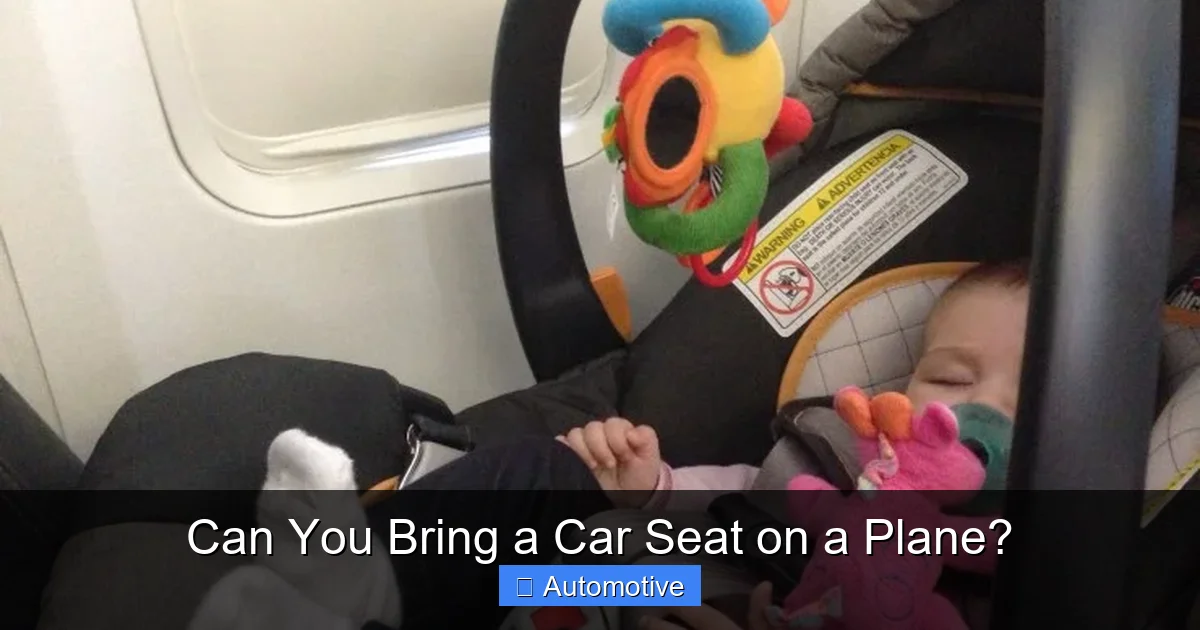
Visual guide about Can You Bring a Car Seat on a Plane?
Image source: onedayinacity.com
While the FAA sets the safety standards, each airline has its own set of rules when it comes to car seats. These policies can vary widely, so it’s crucial to review them before your flight. Most major U.S. airlines—including Delta, American, United, Southwest, and JetBlue—allow FAA-approved car seats to be used in-flight, but there are nuances.
For example, some airlines require you to purchase a seat for your child if you plan to use a car seat. This is typically the case for children over 2 years old, though infants under 2 can often fly as “lap infants” without a ticket—but only if they’re held in an adult’s lap. If you want to use a car seat, even for a lap infant, you’ll need to buy a seat. This can add to the cost, but many parents feel it’s worth it for the added safety and peace of mind.
Other airlines may have restrictions on where you can place the car seat. Most require it to be in a window seat to avoid blocking the aisle or other passengers. Some carriers also prohibit car seats in emergency exit rows or bulkhead seats due to space constraints. Additionally, if your flight is full, the airline may ask you to check the car seat at the gate, even if you planned to use it onboard.
How to Check Your Airline’s Car Seat Policy
The best way to stay informed is to visit your airline’s official website and search for “car seat policy” or “traveling with children.” Most airlines have a dedicated page with detailed guidelines. You can also call customer service or check your booking confirmation email for links to travel policies. Be sure to note any documentation requirements—some airlines ask for proof of the car seat’s FAA approval, such as a photo of the label.
It’s also wise to arrive at the airport early. Security and gate agents may need to inspect the car seat, and if there’s any confusion about approval or fit, you’ll want time to resolve it. Bringing a printed copy of the airline’s policy can help if there’s a disagreement at the gate.
Choosing the Right Car Seat for Air Travel
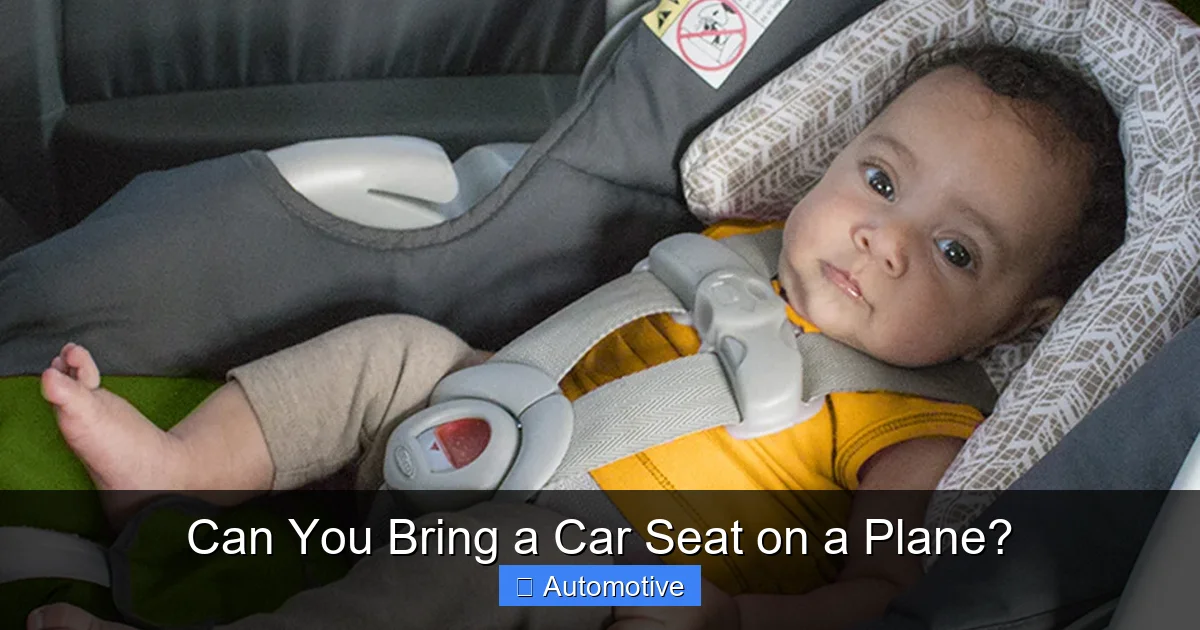
Visual guide about Can You Bring a Car Seat on a Plane?
Image source: babycenter.com
Not all car seats are created equal—especially when it comes to air travel. The ideal car seat for flying is lightweight, compact, and FAA-approved. It should also be easy to install and remove, since you’ll likely be doing it multiple times during your trip (at home, at the airport, on the plane, and at your destination).
Best Types of Car Seats for Flying
For infants, a rear-facing infant carrier is often the most convenient option. These seats are designed to be portable, with a handle for carrying, and many come with detachable bases that stay in the car. However, remember that rear-facing seats cannot be used on the plane—only forward-facing seats are allowed. So if you plan to use the seat in-flight, you’ll need a convertible or forward-facing-only model.
Convertible car seats are a popular choice because they can be used rear-facing for infants and forward-facing for toddlers. Look for models that are relatively narrow (under 16 inches wide) and lightweight. Some top-rated travel-friendly options include the Cosco Scenera NEXT, the Evenflo Sonus, and the Graco Extend2Fit. These seats are affordable, compact, and FAA-approved.
For older toddlers, a forward-facing car seat with a five-point harness is ideal. Avoid high-back boosters or backless boosters, as they don’t provide the same level of protection and may not be allowed on planes. The car seat should also have a secure harness system and be easy to clean—because let’s face it, travel messes happen.
Features to Look For
When shopping for a travel-friendly car seat, consider the following features:
– **Lightweight design:** Under 15 pounds is ideal for carrying through the airport.
– **Compact width:** No more than 16 inches to fit in most airplane seats.
– **Easy installation:** Look for clear instructions and a simple belt path.
– **FAA approval label:** Must be clearly marked on the seat.
– **Travel bag compatibility:** Many seats come with or are compatible with padded travel bags.
– **Durability:** Choose a seat with a sturdy shell and good crash test ratings.
Avoid bulky seats with wide bases, cup holders, or excessive padding—these can make installation difficult and may not fit in tight airplane seats. Also, steer clear of expired or recalled models. Car seats typically expire 6–10 years after manufacture, so check the label before flying.
Using Your Car Seat Onboard: Step-by-Step Guide
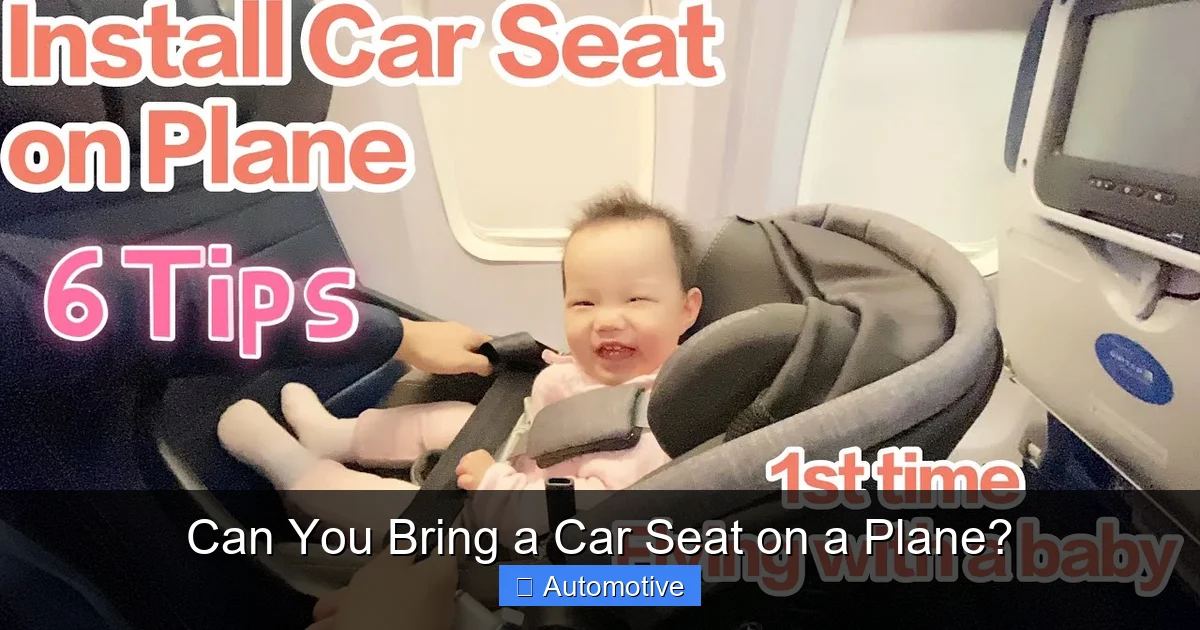
Visual guide about Can You Bring a Car Seat on a Plane?
Image source: i.ytimg.com
If you’ve decided to use your car seat during the flight, here’s how to do it safely and correctly. First, arrive at the gate early and let the agent know you’ll be using a car seat. They may need to verify the FAA approval label and ensure the seat fits in your assigned row.
Once onboard, choose a window seat if possible. This prevents your child from blocking the aisle and makes it easier to manage during the flight. Place the car seat on the airplane seat with the back against the seatback. Thread the airplane seat belt through the car seat’s belt path and buckle it securely. Make sure the belt is tight and the seat doesn’t move more than one inch side-to-side or front-to-back.
Installing the Car Seat Correctly
Proper installation is critical. The car seat should be snug and secure, with no slack in the belt. If your seat has a lock-off or belt-tightening feature, use it. Avoid using additional straps, blankets, or padding under the seat—these can interfere with the seat belt’s effectiveness.
For forward-facing seats, ensure the harness straps are at or above your child’s shoulders, and the chest clip is at armpit level. The harness should be tight enough that you can’t pinch any slack at the shoulder. If your child is under 20 pounds, consider using a rear-facing position at your destination—but remember, only forward-facing is allowed on the plane.
Tips for a Smooth In-Flight Experience
– Bring familiar toys, books, or snacks to keep your child entertained.
– Dress your child in easy-to-remove layers in case of spills or temperature changes.
– Use a car seat cover or blanket to protect the seat from crumbs and dirt.
– If your child falls asleep, avoid propping bottles or using loose blankets—these can pose suffocation risks.
– Be prepared for turbulence: keep your child buckled in at all times when seated.
Gate-Checking vs. Checking as Luggage
If you don’t want to use the car seat onboard, you have two options: gate-checking or checking it as regular luggage. Gate-checking is usually free and allows you to use the car seat until you board the plane. You’ll drop it off at the gate and pick it up at the jet bridge upon arrival—convenient if you’re renting a car or need it immediately.
Checking it as luggage means it goes through the baggage system and will be delivered to the baggage claim. This is less ideal if you need the seat right away, but it’s a good option if you’re staying with family or using public transportation.
Protecting Your Car Seat During Travel
Always use a padded travel bag to protect your car seat from damage, dirt, and loss. Look for bags with reinforced handles, wheels, and ID tags. Some popular options include the J.L. Childress Ultimate Car Seat Travel Bag and the Diono Car Seat Travel Bag. These bags are designed to fit most car seats and often come with a shoulder strap for easy carrying.
Label the bag clearly with your name, contact info, and destination. Take a photo of the seat and bag before checking it, in case you need to file a claim for damage or loss. Most airlines cover car seat damage under their baggage policies, but documentation helps.
Travel Hacks for Flying with a Car Seat
Flying with a car seat doesn’t have to be a hassle. With a few smart strategies, you can make the process smoother and less stressful.
Use a Car Seat Stroller Combo
One of the best inventions for traveling parents is the car seat stroller combo. These systems allow you to attach your infant carrier directly to a stroller frame, so you can roll your baby through the airport without carrying the seat. Models like the Doona or the Baby Jogger City GO are popular choices. They’re compact, easy to maneuver, and eliminate the need for a separate stroller.
Wear Your Baby
For younger infants, a baby carrier or wrap can be a lifesaver. It keeps your hands free for luggage and boarding passes while keeping your baby close and secure. Just make sure the carrier is airline-approved and doesn’t interfere with security screening.
Pack Smart
Bring a small bag with essentials: diapers, wipes, a change of clothes, snacks, and a favorite toy. Keep your boarding pass, ID, and car seat documentation easily accessible. If you’re gate-checking, have your travel bag ready to go.
Arrive Early
Give yourself extra time to navigate security, check the car seat, and board. Rushing increases stress and the chance of mistakes. Most experts recommend arriving at least 2 hours early for domestic flights and 3 hours for international.
Common Mistakes to Avoid
Even experienced travelers make mistakes when flying with car seats. Here are some common pitfalls to watch out for:
– **Assuming all car seats are allowed:** Always check for the FAA approval label.
– **Not checking airline policies:** Rules vary—don’t assume your usual airline allows what others do.
– **Using a rear-facing seat on the plane:** Only forward-facing seats are permitted.
– **Forgetting a travel bag:** A damaged car seat is unsafe and inconvenient.
– **Not practicing installation:** Install the seat at home before your trip to ensure you know how it works.
– **Overpacking the seat:** Avoid bulky clothing or blankets that can interfere with the harness.
Final Thoughts: Safety First, Stress Less
Bringing a car seat on a plane is not only allowed—it’s one of the safest choices you can make for your child. With the right preparation, you can navigate airport security, board with confidence, and ensure your little one is protected throughout the journey. Whether you use the seat onboard or gate-check it, the key is to plan ahead, know the rules, and prioritize safety.
Remember, every flight is different, and every child is unique. What works for one family might not work for another. But by following FAA guidelines, choosing the right gear, and staying informed about airline policies, you can turn a potentially stressful trip into a smooth and enjoyable experience.
So pack that car seat, grab your favorite travel snacks, and get ready to fly with confidence. Your child’s safety—and your peace of mind—are worth it.
Frequently Asked Questions
Can I use a rear-facing car seat on a plane?
No, rear-facing car seats are not allowed on airplanes. Only forward-facing car seats that are FAA-approved can be used during flight. Rear-facing seats can block the seat in front and interfere with emergency procedures.
Do I have to buy a seat for my child to use a car seat on the plane?
Yes, if you want to use a car seat, you must purchase a seat for your child—even if they’re under 2. Lap infants can fly without a ticket, but only if held in an adult’s lap. A car seat requires its own seat.
Can I bring a booster seat on a plane?
Most airlines do not allow booster seats on planes because they don’t provide adequate restraint during turbulence. Only car seats with a five-point harness are approved for in-flight use.
Is it free to check a car seat at the gate?
Yes, most airlines allow you to gate-check a car seat for free. You can use it until boarding and pick it up at the jet bridge upon arrival.
What if my car seat doesn’t fit in the airplane seat?
If your car seat is too wide or bulky, the flight crew may ask you to check it at the gate. Choose a compact, FAA-approved model under 16 inches wide to avoid issues.
Can I use my car seat in any seat on the plane?
No, car seats must be placed in a window seat and cannot be used in emergency exit rows or bulkhead seats. Always follow crew instructions for placement.
