
How Much Can I Make as a Car Salesman?

How much can I make as a car salesman? The answer varies widely—entry-level roles may start around $30,000, while top performers earn over $100,000 annually. Your income depends on location, experience, brand, and sales performance, with commission-based pay driving most earnings.
So, you’re thinking about becoming a car salesman—or maybe you’re already in the game and wondering if you’re earning what you’re worth. One of the first questions that pops into your head is probably: How much can I make as a car salesman? It’s a fair and important question. After all, your livelihood depends on it.
The short answer? It depends. A lot. Unlike jobs with fixed salaries, car sales is a performance-driven field where your income is directly tied to how many cars you sell, the types of vehicles you move, and the commission structure at your dealership. Some months you might bring in $3,000; other months, especially during peak seasons or if you land a few high-end sales, you could easily clear $10,000 or more.
But let’s not get ahead of ourselves. Before we dive into the nitty-gritty of commissions, bonuses, and career growth, it’s important to understand that car sales isn’t just about flashy cars and quick cash. It’s a job that requires persistence, people skills, product knowledge, and the ability to handle rejection. Yet, for those who thrive in fast-paced, goal-oriented environments, it can be incredibly rewarding—both financially and personally.
In this guide, we’ll break down everything you need to know about earning potential in car sales. From average salaries and commission models to tips for maximizing your income, we’ll cover it all. Whether you’re just starting out or looking to level up your career, this article will give you a clear picture of what’s possible—and how to get there.
Key Takeaways
- Income varies significantly: Car sales salaries range from $30,000 to over $100,000 per year, depending on experience and performance.
- Commission-based pay dominates: Most car salespeople earn primarily through commissions, not hourly wages or fixed salaries.
- Location matters: Dealerships in high-cost or high-demand areas often offer higher earning potential.
- Brand and dealership type impact pay: Luxury brands and high-volume dealerships typically pay more due to higher vehicle prices and sales volume.
- Experience and skills boost earnings: Strong negotiation, customer service, and product knowledge lead to more sales and higher commissions.
- Bonuses and incentives add up: Many dealerships offer spiffs, volume bonuses, and manufacturer incentives that can significantly increase income.
- Career growth is possible: Top performers can move into management roles like sales manager or general manager, with six-figure salaries.
📑 Table of Contents
Average Salary for Car Salespeople
When people ask, “How much can I make as a car salesman?” they’re often looking for a straightforward number. But the reality is, there’s no single answer. According to data from the U.S. Bureau of Labor Statistics (BLS), the median annual wage for retail salespeople—including car salespeople—was around $30,000 to $35,000 as of 2023. However, this figure can be misleading because it includes part-time workers and those in lower-performing markets.
In reality, full-time car salespeople often earn significantly more—especially when commissions are factored in. Industry reports from sources like Glassdoor, Indeed, and Payscale suggest that the average total compensation for a car salesman in the U.S. ranges from $40,000 to $60,000 per year. But again, this is an average. Top performers in high-demand areas can easily double or even triple that amount.
Let’s put this into perspective. Imagine two salespeople working at the same dealership. One sells 10 cars a month, mostly economy models with lower profit margins. The other sells 15 cars, including several luxury SUVs and electric vehicles with higher commissions. Even if they start at the same base pay, their monthly earnings could differ by thousands of dollars.
Entry-Level vs. Experienced Salespeople
If you’re new to the industry, don’t expect to be raking in six figures right away. Entry-level car salespeople typically start with a modest base salary—often between $25,000 and $35,000 annually—plus a small commission. This base pay helps cover living expenses while you build your client base and learn the ropes.
As you gain experience, your earning potential increases dramatically. After a year or two of consistent sales, many salespeople see their income jump to $50,000 or more. Top earners with five or more years of experience can make $80,000 to $120,000 or higher, especially if they work at high-volume or luxury dealerships.
Regional Differences in Pay
Where you work plays a huge role in how much you can earn. Car salespeople in major metropolitan areas like Los Angeles, New York, Chicago, and Miami often earn more due to higher vehicle prices, greater demand, and more competitive dealerships. For example, a salesman in San Francisco might average $70,000 to $90,000, while someone in a smaller Midwestern town might top out around $50,000.
Cost of living also factors in. While a higher salary in a big city sounds great, remember that rent, taxes, and daily expenses are also higher. Still, the earning potential in urban markets often outweighs the costs, especially for high performers.
How Car Sales Commissions Work
Visual guide about How Much Can I Make as a Car Salesman?
Image source: res.cloudinary.com
Now, let’s talk about the engine behind most car sales earnings: commissions. Unlike traditional jobs with fixed paychecks, car sales is largely commission-based. This means your income is directly tied to how many cars you sell and how much profit the dealership makes on each sale.
But not all commissions are created equal. Different dealerships use different models, and understanding how they work is key to maximizing your income.
Flat-Rate vs. Percentage Commissions
There are two main types of commission structures: flat-rate and percentage-based.
With a flat-rate model, you earn a set amount for each vehicle sold, regardless of the price or profit margin. For example, you might get $200 for every car you sell. This model is common at high-volume dealerships that move a lot of lower-priced vehicles. It’s simple and predictable, but it doesn’t reward you for selling higher-margin cars.
Percentage-based commissions, on the other hand, pay you a percentage of the gross profit on each sale. For instance, if a car sells for $30,000 and the dealership’s gross profit is $3,000, you might earn 20% of that—$600. This model incentivizes you to sell more expensive or higher-margin vehicles, which can significantly boost your income.
Some dealerships use a hybrid model, combining a small flat rate with a percentage of the profit. This gives you a base earning per sale while still rewarding performance.
Spiffs and Incentives
In addition to regular commissions, many dealerships offer “spiffs”—short-term bonuses for selling specific models or meeting certain goals. For example, a manufacturer might offer a $500 spiff for every electric vehicle sold during a promotional month. These incentives can add up quickly, especially during peak sales seasons.
Dealerships may also offer volume bonuses. Sell 15 cars in a month? You might get an extra $1,000. Hit 20? That bonus could jump to $2,500. These bonuses are designed to motivate sales teams and can make a big difference in your monthly take-home pay.
Example: Calculating Monthly Earnings
Let’s walk through a real-world example to see how commissions add up.
Imagine you work at a mid-sized dealership with a percentage-based commission structure. You earn 25% of the gross profit on each sale. In a typical month, you sell 12 cars:
– 8 economy cars with an average gross profit of $1,500 → $12,000 total profit
– 3 mid-range SUVs with an average gross profit of $2,500 → $7,500 total profit
– 1 luxury sedan with a gross profit of $5,000 → $5,000 total profit
Total gross profit: $24,500
Your commission (25%): $6,125
Add in a $1,000 volume bonus for hitting 12 sales and a $500 spiff for selling the luxury sedan, and your total monthly earnings come to $7,625. Multiply that by 12 months, and you’re looking at over $90,000 for the year—before taxes.
Of course, not every month will be this strong. Some months you might sell fewer cars or lower-margin models. But over time, consistent performance can lead to a very comfortable income.
Factors That Influence Earnings

Visual guide about How Much Can I Make as a Car Salesman?
Image source: res.cloudinary.com
Now that you understand how commissions work, let’s explore the factors that can make or break your earning potential as a car salesman.
Dealership Type and Brand
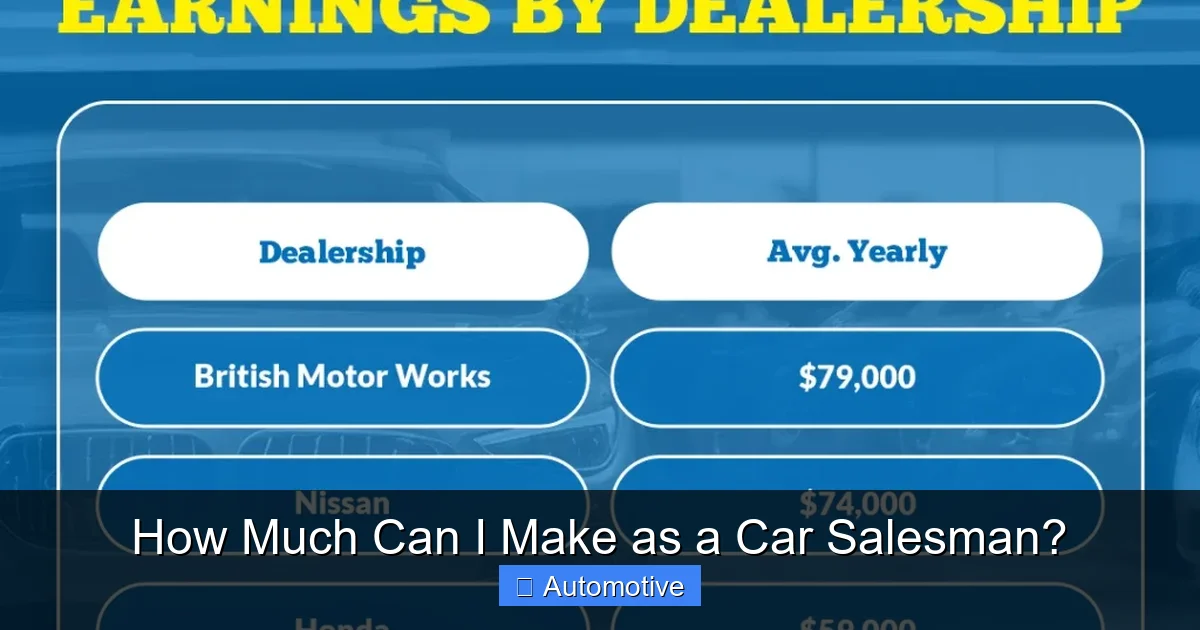
Not all dealerships are equal. Selling at a high-volume brand like Toyota or Ford can mean more foot traffic and easier sales, but the commissions per vehicle might be lower due to competitive pricing. On the other hand, luxury brands like BMW, Mercedes-Benz, or Tesla often have higher profit margins, meaning bigger commissions—but the sales process can be longer and more competitive.
Independent or used car dealerships vary widely. Some focus on budget vehicles with slim margins, while others specialize in certified pre-owned or high-end used cars. Your earning potential depends on the dealership’s pricing strategy and customer base.
Sales Volume and Market Demand
The number of cars you sell directly impacts your income. In busy months—like year-end clearance events or tax refund season—you might sell 20 or more vehicles. In slower months, that number could drop to 8 or 10.
Market demand also plays a role. If gas prices are high, SUVs and trucks might sell faster. If there’s a chip shortage, inventory could be low, making it harder to close deals. Staying informed about market trends helps you adapt your sales strategy and target in-demand vehicles.
Customer Service and Repeat Business
Great customer service doesn’t just make people happy—it makes you money. Satisfied customers are more likely to return for their next purchase and refer friends and family. Many top-earning salespeople build a loyal client base over time, leading to consistent referrals and repeat sales.
In fact, some dealerships track customer satisfaction scores and tie bonuses or commissions to positive reviews. Going the extra mile—like following up after a sale or helping with financing—can set you apart and boost your long-term earnings.
Negotiation and Product Knowledge
The better you understand the vehicles you’re selling, the more confident you’ll be in negotiations. Customers trust salespeople who can explain features, compare models, and address concerns. This trust leads to faster sales and higher closing rates.
Similarly, strong negotiation skills help you maximize profit margins. If you can guide a customer toward a higher-trim model or add-on packages (like extended warranties or maintenance plans), you increase the dealership’s gross profit—and your commission.
Tips to Maximize Your Income

Visual guide about How Much Can I Make as a Car Salesman?
Image source: tffn.net
So, how can you make the most money as a car salesman? It’s not just about luck or charm. Success in this field comes from strategy, persistence, and continuous improvement.
Build a Strong Online Presence
In today’s digital world, most car buyers start their search online. Make sure your dealership’s website features your profile, customer reviews, and contact info. Encourage satisfied customers to leave positive reviews on Google, Yelp, and Facebook. A strong online reputation builds trust and brings in more leads.
You can also use social media to showcase vehicles, share testimonials, and engage with potential customers. A simple post about a new arrival or a happy customer can generate interest and drive traffic to the lot.
Master the Art of Follow-Up
Many sales are lost because of poor follow-up. A customer might visit the dealership, test drive a car, and then disappear. Don’t let that happen. Send a personalized email or text within 24 hours. Check in weekly with updates on inventory, promotions, or trade-in values. Persistence—without being pushy—can turn a “maybe” into a “yes.”
Upsell and Cross-Sell
Every sale is an opportunity to increase your commission. When a customer is ready to buy, suggest add-ons like extended warranties, paint protection, or upgraded audio systems. These items often have high profit margins and can significantly boost your earnings.
Similarly, if a customer is trading in a vehicle, help them see the value in upgrading to a newer model. A little upselling can turn a $200 commission into a $600 one.
Stay Updated on Inventory and Promotions
Know what’s on the lot—and what’s coming. If a new model is arriving next week, be the first to tell your leads. If there’s a manufacturer incentive on hybrids, make sure you’re promoting those vehicles. Being informed gives you an edge in conversations and helps you close deals faster.
Invest in Training and Certification
Many manufacturers offer training programs for dealership staff. Completing these courses not only improves your product knowledge but can also qualify you for higher commissions or special incentives. Some dealerships even pay bonuses for certified salespeople.
Career Growth and Long-Term Earnings
While many people think of car sales as a short-term job, it can actually be a launching pad for a long and lucrative career.
Moving into Management
Top-performing salespeople often move into management roles like sales manager, finance manager, or general manager. These positions come with higher salaries—often $80,000 to $150,000 or more—plus bonuses based on dealership performance.
As a sales manager, you’ll oversee a team of salespeople, set goals, and help train new hires. It’s a leadership role that requires strong communication and organizational skills, but the financial rewards can be substantial.
Starting Your Own Dealership
For the truly ambitious, owning a dealership is the ultimate goal. While it requires significant capital and business acumen, successful dealership owners can earn millions annually. You’ll need to understand inventory management, marketing, staffing, and customer service—but if you’ve spent years in the industry, you’ll have the experience to make it work.
Specializing in High-Margin Vehicles
Another path to higher earnings is specializing in high-margin vehicles like luxury cars, electric vehicles, or commercial trucks. These niches often have less competition and higher commissions. For example, selling a $70,000 Tesla with a 15% gross profit margin could earn you over $10,000 in commission—on a single sale.
Challenges and Realities of Car Sales
Before you dive in, it’s important to understand the challenges. Car sales isn’t for everyone. The job can be stressful, with long hours, high pressure, and unpredictable income. You’ll face rejection, difficult customers, and slow months.
But for those who are resilient, personable, and goal-oriented, the rewards can be well worth it. The key is to stay motivated, keep learning, and always put the customer first.
Conclusion
So, how much can I make as a car salesman? The answer is: as much as you’re willing to earn. While the average salary might hover around $50,000, top performers in the right markets can easily make $100,000 or more. Your income depends on your effort, skills, location, and the dealership you work for.
Commission-based pay means your hard work directly translates into higher earnings. By mastering product knowledge, building customer relationships, and staying informed about market trends, you can maximize your sales and your income.
Whether you’re just starting out or looking to take your career to the next level, car sales offers real financial potential. It’s not an easy path, but for those who thrive on challenge and reward, it can be one of the most fulfilling careers in the automotive industry.
Frequently Asked Questions
Do car salespeople get a base salary?
Some dealerships offer a small base salary, especially for new hires, but most income comes from commissions. Base pay helps cover expenses while you build your sales record.
Can I make six figures as a car salesman?
Yes, top performers at high-volume or luxury dealerships can earn $100,000 or more annually through commissions, bonuses, and incentives.
Is car sales a stable career?
Income can fluctuate month to month, but experienced salespeople with strong customer relationships often enjoy steady work and referrals.
Do I need experience to become a car salesman?
No, many dealerships provide on-the-job training. Strong communication skills and a willingness to learn are more important than prior experience.
How do I increase my car sales commissions?
Focus on selling higher-margin vehicles, upselling add-ons, following up with leads, and building a loyal customer base through excellent service.
Are car sales jobs in demand?
Yes, especially as the automotive industry evolves with electric and autonomous vehicles. Skilled salespeople who understand new technology are in high demand.
