
Does Car Insurance Affect Credit Score?

Car insurance doesn’t directly affect your credit score, but insurers often check your credit during quotes and renewals. While these checks are usually soft inquiries that don’t hurt your score, unpaid premiums or policy lapses can indirectly impact your credit if sent to collections.
Key Takeaways
- Car insurance companies use credit-based insurance scores: Insurers evaluate your credit history to predict risk and set premiums, especially in most U.S. states.
- Soft credit checks don’t hurt your score: When insurers pull your credit for quotes or renewals, it’s typically a soft inquiry that doesn’t affect your credit.
- Hard inquiries are rare but possible: Some insurers may perform hard pulls, especially if you’re applying for financing or add-ons, which can slightly lower your score.
- Unpaid bills can damage your credit: If you fail to pay premiums and the debt goes to collections, it may appear on your credit report and hurt your score.
- Policy lapses may lead to financial consequences: Letting your insurance lapse can result in higher future rates and potential reporting to credit agencies if debts remain unpaid.
- Improving credit can lower insurance costs: A better credit-based insurance score may qualify you for lower premiums over time.
- Monitor your credit regularly: Check your credit report annually to spot errors and understand how insurers view your financial behavior.
📑 Table of Contents
- Does Car Insurance Affect Credit Score?
- How Insurers Use Your Credit Information
- Soft vs. Hard Credit Checks: What’s the Difference?
- When Car Insurance Can Indirectly Hurt Your Credit
- How to Protect Your Credit While Managing Car Insurance
- Does Your State Allow Credit-Based Insurance Scoring?
- Frequently Asked Questions About Car Insurance and Credit
- Conclusion: Stay Informed, Stay Protected
Does Car Insurance Affect Credit Score?
When you’re shopping for car insurance, you might wonder: “Does car insurance affect my credit score?” It’s a smart question—after all, your credit score influences everything from loan approvals to apartment rentals. The short answer? Not directly. But there’s more to the story.
Car insurance companies don’t report your payment history to credit bureaus like banks or credit card issuers do. So, simply having a policy—or even missing a payment—won’t automatically ding your credit score. However, the relationship between car insurance and credit is more nuanced. Insurers often use your credit information to determine your risk level and set your premium. This practice, known as using a “credit-based insurance score,” is legal in most states and can significantly affect how much you pay.
Understanding this connection is crucial. While your insurer won’t report your on-time payments as positive credit behavior, failing to pay your premiums could eventually lead to financial trouble that spills over into your credit report. Let’s break down exactly how car insurance and credit intersect—and what you can do to protect both your wallet and your credit health.
How Insurers Use Your Credit Information
Visual guide about Does Car Insurance Affect Credit Score?
Image source: thedailyautomotive.com
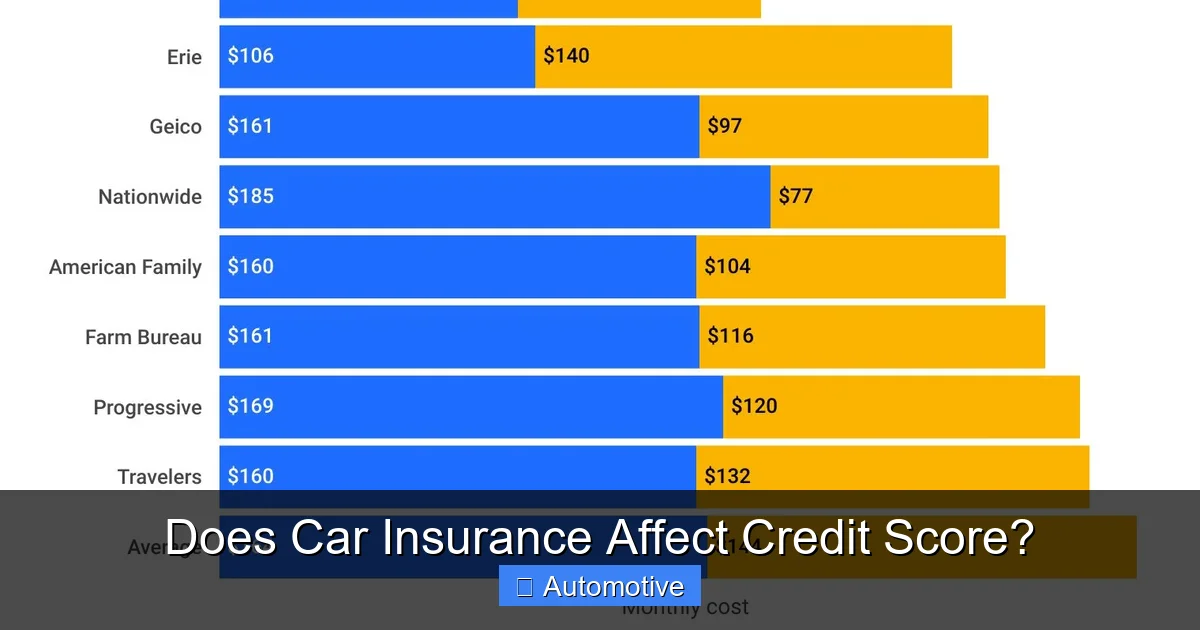
Most car insurance companies in the U.S. use a version of your credit report to calculate your insurance premium. This isn’t about judging your character—it’s about predicting risk. Studies have shown a correlation between credit behavior and the likelihood of filing claims. People with lower credit scores tend to file more claims, on average, than those with higher scores.
What Is a Credit-Based Insurance Score?
A credit-based insurance score is a specialized score derived from your credit report, but it’s not the same as your FICO or VantageScore. It focuses on factors like payment history, credit utilization, length of credit history, and types of credit used—but weights them differently than traditional credit scores. For example, a history of on-time payments might help your insurance score more than it helps your FICO score.
Insurers use this score to assess how likely you are to file a claim. A higher credit-based insurance score suggests lower risk, which often translates to lower premiums. Conversely, a lower score may result in higher rates—even if you’ve never had an accident.
Where Is This Practice Allowed?
As of 2024, only a handful of states prohibit or severely restrict the use of credit information in setting insurance rates. These include California, Hawaii, Massachusetts, and Michigan. In most other states, insurers can legally use your credit data as part of their underwriting process.
For example, if you live in Texas or Florida, your insurer might pull your credit report when you first apply for coverage or during annual renewals. This helps them determine your risk profile and set a competitive—but profitable—rate.
Why Do Insurers Care About Credit?
It might seem unfair, but insurers argue that credit behavior is a reliable predictor of claim frequency. Someone who manages their finances responsibly—paying bills on time, keeping debt low—is statistically less likely to file frequent or costly claims. This doesn’t mean people with poor credit are bad drivers, but the data shows a pattern that insurers rely on.
Think of it like this: If two drivers have identical driving records, but one has excellent credit and the other has a history of late payments, the insurer may charge the latter more—not because they’re a worse driver, but because they’re seen as a higher financial risk.
Soft vs. Hard Credit Checks: What’s the Difference?

Visual guide about Does Car Insurance Affect Credit Score?
Image source: i0.wp.com
One of the biggest concerns people have is whether applying for car insurance will hurt their credit score. The good news? In most cases, it won’t. That’s because insurers typically perform a “soft credit check” when you request a quote or renew your policy.
Soft Credit Checks Don’t Affect Your Score
A soft inquiry (or soft pull) allows insurers to view your credit report without impacting your credit score. These checks are common during rate comparisons, policy renewals, and pre-approval processes. You’ll see them on your credit report, but so will lenders—and they won’t penalize you for them.
For instance, if you get quotes from five different insurers in one week, all five may perform soft pulls. Credit scoring models recognize that consumers shop around, so multiple soft inquiries within a short period (usually 14–45 days) are often treated as a single inquiry. This means your score won’t drop just because you’re comparing rates.
When Might a Hard Inquiry Occur?
Hard inquiries, which can slightly lower your credit score, are less common in car insurance but not impossible. They typically happen when:
– You apply for optional add-ons like gap insurance or rental reimbursement that involve financing.
– You set up a payment plan with your insurer and they need to verify your creditworthiness.
– You’re applying for a new policy with a company that requires a hard pull for underwriting.
A hard inquiry might drop your score by a few points—usually 5 points or less—and the effect fades over time. But if you’re planning to apply for a mortgage or car loan soon, it’s wise to minimize hard inquiries.
How to Avoid Unnecessary Hard Pulls
To protect your credit, ask insurers upfront whether they’ll perform a hard or soft check. Most reputable companies will use soft pulls for quotes. If a hard pull is required, consider whether the policy is worth the potential minor score dip.
Also, avoid applying for multiple policies with financing options in a short time. Space out applications if possible, and focus on comparing rates from companies that use soft inquiries.
When Car Insurance Can Indirectly Hurt Your Credit
Visual guide about Does Car Insurance Affect Credit Score?
Image source: segurosenhouston.com
While car insurance itself doesn’t report to credit bureaus, certain situations can lead to credit damage. The most common culprit? Unpaid premiums.
Unpaid Premiums and Collections
If you miss a payment and don’t resolve it, your insurer may cancel your policy. If the unpaid balance remains, they might send the debt to a collections agency. Once a debt is in collections, it can appear on your credit report and significantly lower your score—sometimes by 100 points or more.
For example, imagine you forget to pay your $150 monthly premium for three months. Your insurer cancels your policy, and the $450 balance is sent to collections. That collections account will show up on your credit report, stay there for up to seven years, and make it harder to get loans, apartments, or even jobs in some cases.
Policy Lapses and Financial Consequences
Letting your insurance lapse—whether due to non-payment or other reasons—can also have indirect credit effects. Driving without insurance is illegal in most states and can result in fines, license suspension, or even vehicle impoundment. If you can’t afford to reinstate your policy, you might turn to high-interest loans or credit cards to cover the cost, increasing your debt and potentially hurting your credit utilization ratio.
Additionally, some states require insurers to report lapses to the Department of Motor Vehicles (DMV). While this doesn’t go on your credit report, it can lead to financial penalties that strain your budget and increase the risk of missed payments elsewhere.
Reinstatement Fees and Late Charges
Even if your debt doesn’t go to collections, reinstating a canceled policy often comes with fees. These can include late payment charges, reinstatement fees, and higher premiums due to the lapse. If you can’t pay these fees immediately, you might rely on credit, which could increase your debt load and affect your credit score over time.
How to Protect Your Credit While Managing Car Insurance
The good news? You can take steps to minimize the risk of car insurance-related credit issues. A little planning goes a long way.
Set Up Automatic Payments
One of the easiest ways to avoid missed payments is to enroll in automatic payments. Most insurers offer this option, allowing you to deduct premiums directly from your bank account or charge them to a credit card. Just make sure you have enough funds to cover the charge—overdraft fees can add up.
For example, if your premium is $120 per month, set up auto-pay on the 1st of each month. This ensures you never miss a payment, even if you’re busy or traveling.
Choose a Payment Plan That Fits Your Budget
Many insurers offer flexible payment options, such as monthly, quarterly, or annual plans. While annual payments often come with discounts, they can be a financial strain if you don’t have the cash upfront. Monthly plans spread the cost but may include service fees.
If you’re on a tight budget, consider a bi-weekly or monthly plan that aligns with your pay schedule. This reduces the chance of missed payments and helps you stay on track.
Monitor Your Credit Report Regularly
You’re entitled to a free credit report from each of the three major bureaus (Equifax, Experian, and TransUnion) once a year at AnnualCreditReport.com. Review it for errors, such as incorrect account statuses or unfamiliar collections.
If you see a collections account related to car insurance, contact the insurer and the credit bureau immediately. You may be able to resolve the debt and request a correction.
Improve Your Credit Over Time
Since credit-based insurance scores influence your premiums, improving your credit can save you money. Focus on:
– Paying all bills on time
– Keeping credit card balances low (ideally below 30% of your limit)
– Avoiding new credit applications unless necessary
– Checking for and disputing errors on your credit report
Even small improvements—like raising your score from “fair” to “good”—can lead to noticeable savings on your car insurance.
Does Your State Allow Credit-Based Insurance Scoring?
Insurance regulations vary by state, and so does the use of credit information. Knowing your state’s rules can help you understand why your rates are what they are.
States That Restrict or Ban Credit-Based Scoring
– **California:** Prohibits the use of credit scores in setting auto insurance rates.
– **Hawaii:** Bans credit-based insurance scoring entirely.
– **Massachusetts:** Does not allow insurers to use credit history for personal auto policies.
– **Michigan:** Severely limits the use of credit information in insurance underwriting.
In these states, insurers must rely on other factors like driving record, vehicle type, and mileage to determine rates.
States That Allow Full Use of Credit Data
Most other states permit insurers to use credit information without restrictions. This includes states like Texas, Florida, Georgia, and Ohio. In these areas, your credit score can play a major role in your premium.
If you live in one of these states, improving your credit isn’t just good for loans—it’s also a smart way to lower your insurance costs.
How to Check Your State’s Rules
Visit your state’s Department of Insurance website or contact them directly to learn about local regulations. Many sites have FAQs or guides explaining how credit is used in insurance decisions.
Frequently Asked Questions About Car Insurance and Credit
Can I get car insurance with bad credit?
Yes, you can still get car insurance with bad credit, but your premiums may be higher. Some insurers specialize in high-risk drivers and offer policies regardless of credit history.
Will canceling my car insurance hurt my credit?
Canceling your policy voluntarily won’t hurt your credit. However, if you cancel due to non-payment and the debt goes to collections, it can damage your score.
Do all car insurance companies check credit?
Most do, especially in states that allow credit-based scoring. However, some insurers—particularly those focusing on high-risk drivers—may not use credit at all.
How often do insurers check my credit?
Insurers typically check your credit when you first apply, during renewals (usually annually), and if you request a significant policy change.
Can I dispute a credit-based insurance score?
You can’t directly dispute the insurance score, but you can correct errors on your credit report. If your score is based on inaccurate data, fixing those errors may improve your insurance rate.
Does paying my premium on time help my credit?
No, car insurance payments are not reported to credit bureaus, so on-time payments won’t boost your credit score. However, avoiding missed payments prevents debt and potential collections.
Conclusion: Stay Informed, Stay Protected
So, does car insurance affect your credit score? The answer is nuanced. While your insurer won’t report your payments to credit bureaus, your credit history plays a significant role in determining your premiums—and failing to pay can lead to collections that harm your score.
The key is proactive management. Set up auto-pay, monitor your credit, and shop around for insurers that use soft inquiries. If you’re working to improve your credit, remember that better scores can lead to lower insurance costs over time.
By understanding the connection between car insurance and credit, you can make smarter financial decisions—protecting both your driving record and your credit health. After all, a little knowledge today can save you hundreds of dollars and a lot of stress down the road.
Frequently Asked Questions
Can I get car insurance with bad credit?
Yes, you can still get car insurance with bad credit, but your premiums may be higher. Some insurers specialize in high-risk drivers and offer policies regardless of credit history.
Will canceling my car insurance hurt my credit?
Canceling your policy voluntarily won’t hurt your credit. However, if you cancel due to non-payment and the debt goes to collections, it can damage your score.
Do all car insurance companies check credit?
Most do, especially in states that allow credit-based scoring. However, some insurers—particularly those focusing on high-risk drivers—may not use credit at all.
How often do insurers check my credit?
Insurers typically check your credit when you first apply, during renewals (usually annually), and if you request a significant policy change.
Can I dispute a credit-based insurance score?
You can’t directly dispute the insurance score, but you can correct errors on your credit report. If your score is based on inaccurate data, fixing those errors may improve your insurance rate.
Does paying my premium on time help my credit?
No, car insurance payments are not reported to credit bureaus, so on-time payments won’t boost your credit score. However, avoiding missed payments prevents debt and potential collections.