
Does Car Insurance Cover Tornado Damage

Car insurance typically covers tornado damage under comprehensive coverage, not liability or collision. This protection includes hail, falling debris, flooding, and wind-related destruction. Always check your policy details and consider adding comprehensive coverage if you live in a tornado-prone area.
When a tornado tears through a neighborhood, the destruction can be overwhelming. Homes are damaged, power lines are down, and cars are often left battered by flying debris, hail, or flooding. If you’re a car owner, one of your first questions might be: “Will my car insurance cover tornado damage?” The short answer is yes—but only if you have the right kind of coverage.
Most people assume that their basic car insurance policy will protect them in any kind of accident or disaster. But here’s the truth: standard liability insurance, which is required in nearly every state, only covers damage you cause to other people’s vehicles or property. It doesn’t protect your own car from natural disasters like tornadoes. That’s where comprehensive coverage comes in.
Comprehensive insurance is the part of your policy that handles “acts of God”—events beyond your control, such as storms, floods, falling trees, and yes, tornadoes. If your car is damaged by high winds, hail, or debris during a tornado, comprehensive coverage can help pay for repairs or even a total loss. But like any insurance, it comes with conditions, deductibles, and limits. Understanding how it works can save you thousands of dollars and a lot of stress when disaster strikes.
Key Takeaways
- Comprehensive coverage is essential: Tornado damage is covered under comprehensive insurance, not standard liability or collision policies.
- It covers more than just wind: Comprehensive insurance also protects against hail, falling trees, flooding, and debris from tornadoes.
- Check your deductible: You’ll pay your deductible before insurance kicks in, so choose a level that fits your budget.
- Act quickly after damage: Report the claim promptly and document the damage with photos and videos.
- Not all policies are the same: Review your policy to confirm coverage limits and exclusions.
- Consider roadside assistance: Some comprehensive plans include towing and emergency services after a tornado.
- Prevention helps: Park in garages or covered areas when possible to reduce tornado-related risks.
📑 Table of Contents
- What Is Comprehensive Car Insurance?
- Does Car Insurance Cover Tornado Damage?
- How to File a Claim for Tornado Damage
- Common Mistakes to Avoid After Tornado Damage
- Tips to Protect Your Car from Tornado Damage
- What If You Don’t Have Comprehensive Coverage?
- Real-Life Example: A Tornado Survivor’s Story
- Conclusion
What Is Comprehensive Car Insurance?
Comprehensive car insurance is often called “other than collision” coverage because it handles damage that doesn’t result from a crash with another vehicle or object. Instead, it covers a wide range of unexpected events, including theft, vandalism, fire, animal collisions, and severe weather like tornadoes, hurricanes, and hailstorms.
Think of comprehensive coverage as your safety net for the unpredictable. While collision insurance steps in when you hit a pole or another car, comprehensive is there when nature takes a swing at your vehicle. It’s not mandatory by law like liability insurance, but it’s highly recommended—especially if you live in an area prone to extreme weather.
For example, imagine you park your car outside during a tornado warning. A large tree branch breaks off and smashes your windshield and roof. Without comprehensive coverage, you’d have to pay for those repairs out of pocket. But with it, your insurance company will cover the cost after you pay your deductible—typically $250 to $1,000, depending on your policy.
What Does Comprehensive Coverage Include?
Comprehensive insurance covers a broad range of non-collision incidents. Here’s a breakdown of what’s typically included:
- Weather-related damage: This includes tornadoes, hurricanes, hail, windstorms, and flooding. If your car is damaged by flying debris, heavy rain, or storm surges, comprehensive coverage applies.
- Falling objects: Trees, branches, signs, or even parts of buildings that fall on your car are covered.
- Theft and vandalism: If your car is stolen or intentionally damaged, comprehensive insurance can help cover the loss.
- Fire and explosions: Whether it’s a wildfire or an electrical fire, comprehensive coverage steps in.
- Animal collisions: Hitting a deer or other large animal is covered under comprehensive, not collision.
- Glass damage: Cracked or shattered windshields from rocks, hail, or debris are often covered, sometimes with no deductible.
It’s important to note that comprehensive coverage does not include mechanical breakdowns, regular wear and tear, or damage from driving through deep water if you didn’t have flood coverage. Always read your policy carefully to understand what’s included and what’s not.
How Much Does Comprehensive Coverage Cost?
The cost of comprehensive coverage varies based on several factors, including your location, driving history, vehicle type, and deductible amount. On average, comprehensive insurance adds $150 to $300 per year to your premium. That’s about $12 to $25 per month—a small price to pay for peace of mind.
For example, a 35-year-old driver in Oklahoma—a state with frequent tornadoes—might pay around $200 annually for comprehensive coverage on a mid-size sedan. Meanwhile, someone in a low-risk area like Oregon might pay closer to $120.
Choosing a higher deductible can lower your monthly premium. For instance, raising your deductible from $250 to $1,000 could reduce your annual cost by $50 or more. But remember: if you file a claim, you’ll pay that deductible out of pocket before insurance covers the rest.
Does Car Insurance Cover Tornado Damage?
Visual guide about Does Car Insurance Cover Tornado Damage
Image source: media.marketrealist.com
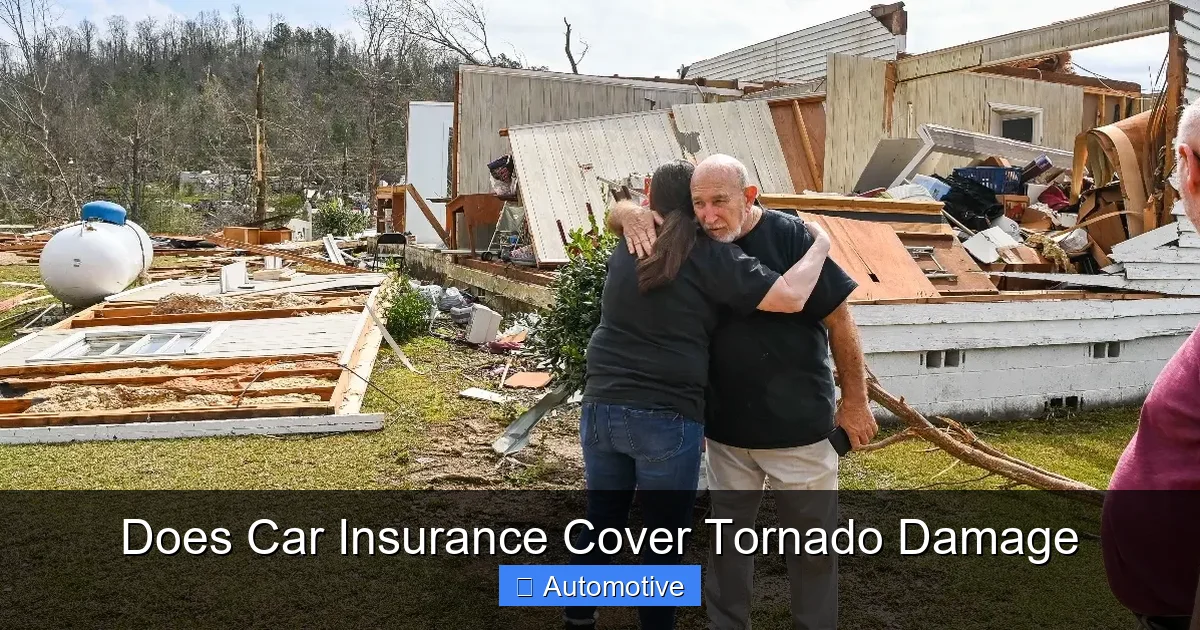
Yes, car insurance covers tornado damage—but only if you have comprehensive coverage. Tornadoes bring a mix of hazards: high-speed winds, flying debris, hail, and flooding. All of these can severely damage your vehicle, and comprehensive insurance is designed to handle them.
Let’s say a tornado hits your town and your car is parked in the driveway. A neighbor’s roof shingles fly off and dent your hood. A tree falls and crushes your trunk. Rainwater floods the interior. All of these damages fall under comprehensive coverage.
But what if your car is totaled? If the cost to repair the damage exceeds the car’s actual cash value (ACV), your insurer will declare it a total loss. They’ll pay you the ACV minus your deductible. For example, if your car is worth $15,000 and your deductible is $500, you’d receive $14,500 to replace it.
What If My Car Is Stolen After a Tornado?
In the chaos following a tornado, theft can become a real concern. Looters may target abandoned vehicles, or your car might be stolen while you’re displaced. Comprehensive coverage includes theft protection, so if your car is stolen after a tornado, you’re covered.
Most policies require you to report the theft to the police and your insurer within a certain time frame—usually 24 to 48 hours. Once verified, your insurance company will reimburse you for the car’s value, minus your deductible.
Does Flooding from a Tornado Count?
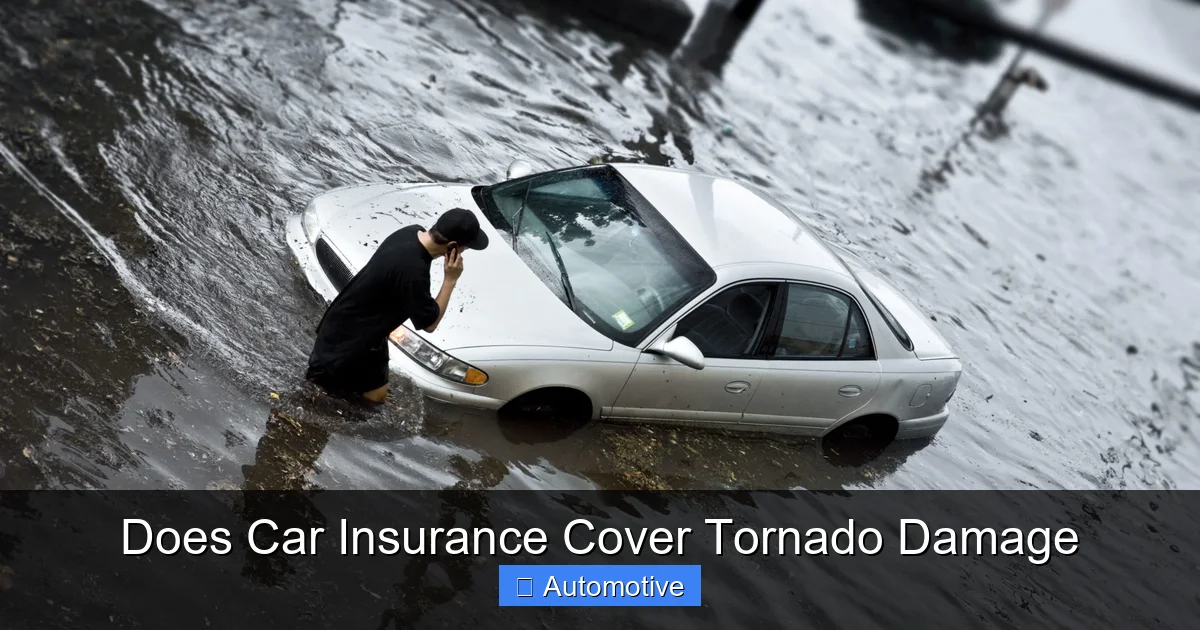
Yes, flooding caused by a tornado is covered under comprehensive insurance. Tornadoes often bring heavy rain and storm surges, especially if they occur near coastal areas. If your car is submerged in floodwater, comprehensive coverage will help pay for repairs or replacement.
However, there’s a catch: if you drove into standing water and your engine was damaged, some insurers may argue that it’s a result of driver error, not the storm itself. To avoid disputes, never attempt to drive through flooded roads during or after a tornado.
How to File a Claim for Tornado Damage
Visual guide about Does Car Insurance Cover Tornado Damage
Image source: absoluteinsurance.ca
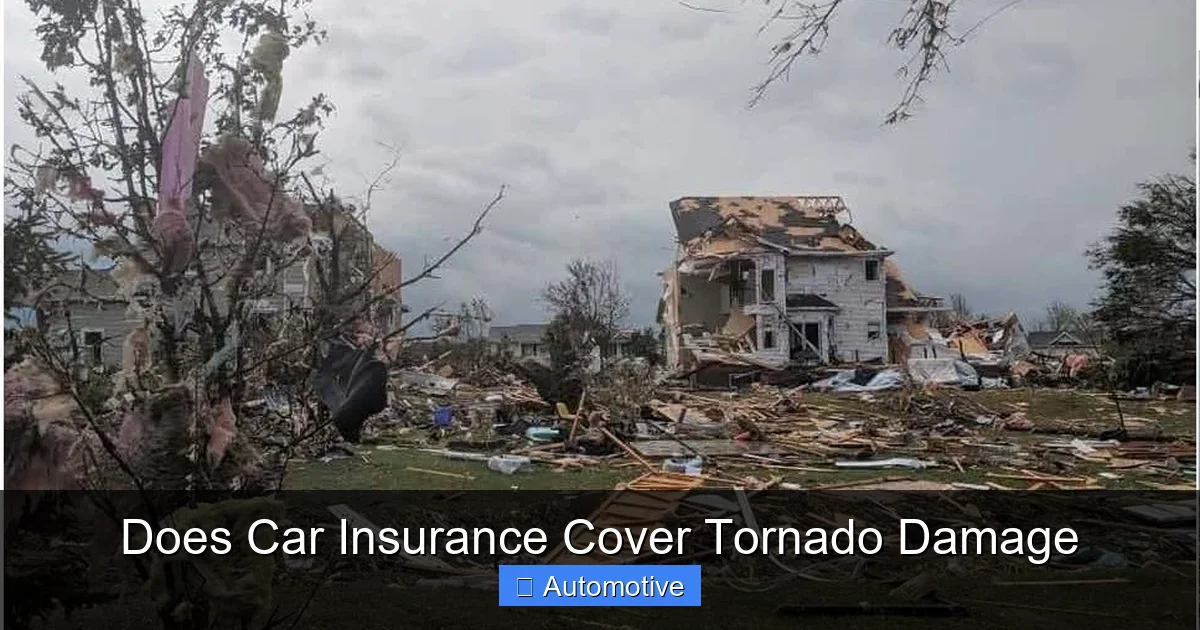
Filing a claim after tornado damage can feel overwhelming, but taking the right steps can speed up the process and improve your chances of a full payout. Here’s what to do:
Step 1: Ensure Safety First
Before inspecting your car, make sure the area is safe. Tornadoes can leave downed power lines, unstable structures, and hazardous debris. Wait for authorities to declare the area safe before approaching your vehicle.
Step 2: Document the Damage
Take clear photos and videos of your car from multiple angles. Capture close-ups of dents, broken glass, water damage, and any debris that caused the damage. This evidence will support your claim and help the adjuster assess the damage accurately.
Step 3: Contact Your Insurance Company
Call your insurer as soon as possible. Most companies have 24/7 claims hotlines. Provide your policy number, describe the damage, and explain that it was caused by a tornado. They’ll guide you through the next steps and may send an adjuster to inspect your vehicle.
Step 4: Get a Repair Estimate
Your insurer may require you to get an estimate from a certified repair shop. Some companies have preferred shops, but you’re usually free to choose your own. Make sure the estimate includes all visible and hidden damage, such as water in the electrical system or frame misalignment.
Step 5: Pay Your Deductible
Once the claim is approved, you’ll need to pay your deductible before repairs begin. If your car is totaled, the deductible is subtracted from your settlement check.
Step 6: Keep Records
Save all receipts, repair invoices, and communication with your insurer. These records can be helpful if there are disputes or if you need to file future claims.
Common Mistakes to Avoid After Tornado Damage
Visual guide about Does Car Insurance Cover Tornado Damage
Image source: motortrend.com
Even with comprehensive coverage, mistakes can delay your claim or reduce your payout. Here are some common pitfalls to avoid:
Delaying the Claim
The longer you wait to report damage, the harder it may be to prove it was caused by the tornado. Insurers may suspect pre-existing damage or unrelated incidents. File your claim within 48 hours if possible.
Not Documenting Properly
Blurry photos or incomplete descriptions can weaken your claim. Take detailed pictures and write a clear account of what happened. Include the date, time, and weather conditions.
Accepting a Low Settlement
Insurance adjusters may offer a quick settlement that doesn’t cover all repairs. Don’t accept the first offer without reviewing it carefully. If you believe it’s too low, ask for a detailed explanation and consider getting a second opinion from an independent appraiser.
Driving a Damaged Car
If your car has structural or electrical damage, driving it could cause further harm or void your claim. Have it towed to a repair shop or storage facility until it’s inspected.
Tips to Protect Your Car from Tornado Damage
While you can’t stop a tornado, you can reduce the risk of damage to your vehicle. Here are some practical tips:
Park in a Garage or Covered Area
If you have a garage, use it. Parking indoors is the best way to protect your car from wind, hail, and falling debris. If you don’t have a garage, consider a carport or covered parking.
Use a Car Cover
A heavy-duty car cover can provide an extra layer of protection against hail and debris. Look for one made from waterproof, impact-resistant material.
Stay Informed
Sign up for weather alerts from your local news or the National Weather Service. If a tornado warning is issued, move your car to a safer location if possible.
Review Your Policy Annually
Make sure your comprehensive coverage is up to date and sufficient for your vehicle’s value. If you’ve paid off your car or its value has dropped, you might adjust your coverage or deductible.
Consider Additional Coverage
Some insurers offer optional add-ons like rental car reimbursement or roadside assistance. These can be helpful if your car is in the shop for repairs after a tornado.
What If You Don’t Have Comprehensive Coverage?
If you don’t have comprehensive coverage and your car is damaged in a tornado, you’re on the hook for all repair or replacement costs. This can be financially devastating, especially if your car is totaled.
Many drivers skip comprehensive coverage to save money, especially on older cars. But even a used car can cost thousands to replace. If you live in a tornado-prone area like Tornado Alley (which includes parts of Texas, Oklahoma, Kansas, and Nebraska), comprehensive coverage is a smart investment.
If you’re unsure whether you have it, check your policy documents or call your insurance agent. Adding comprehensive coverage is usually quick and affordable.
Real-Life Example: A Tornado Survivor’s Story
Sarah, a teacher from Moore, Oklahoma, experienced a devastating tornado in 2023. Her home was damaged, and her car was crushed by a fallen tree. Luckily, she had comprehensive coverage.
“I was terrified when I saw my car,” she said. “The roof was caved in, the windows were shattered, and water had soaked the seats. But my insurance agent walked me through the claim process step by step. They sent an adjuster the next day, and within two weeks, I had a check to buy a new car.”
Sarah’s story highlights the importance of being prepared. “I used to think comprehensive was a waste of money,” she admitted. “But after this, I’ll never go without it again.”
Conclusion
Tornadoes are unpredictable and destructive, but your car insurance can help you recover—if you have the right coverage. Comprehensive insurance is the key to protecting your vehicle from tornado damage, including wind, hail, flooding, and falling debris.
While it’s not required by law, comprehensive coverage is a wise choice, especially if you live in a high-risk area. It’s affordable, easy to add, and can save you from significant out-of-pocket expenses.
Don’t wait for disaster to strike. Review your policy today, document your vehicle’s condition, and make sure you’re prepared. With the right coverage and a clear plan, you can face the storm with confidence.
Frequently Asked Questions
Does liability insurance cover tornado damage?
No, liability insurance only covers damage you cause to others. It does not protect your own vehicle from tornado damage. You need comprehensive coverage for that.
Will my insurance pay if my car is totaled in a tornado?
Yes, if you have comprehensive coverage. Your insurer will pay the actual cash value of your car minus your deductible, based on its condition before the tornado.
Can I file a claim if my car was damaged by hail during a tornado?
Yes, hail damage is covered under comprehensive insurance. Take photos and file a claim as soon as possible to ensure a smooth process.
Do I need comprehensive coverage if I live in a low-risk area?
Even in low-risk areas, tornadoes can occur. Comprehensive coverage also protects against theft, fire, and other non-collision events, making it a valuable addition to any policy.
How long do I have to file a claim after tornado damage?
Most insurers require you to report damage within 48 to 72 hours. Delaying could weaken your claim or lead to denial.
Can I get a rental car while my vehicle is being repaired?
If your policy includes rental reimbursement, yes. This optional coverage pays for a rental car while your vehicle is in the shop due to covered damage.
