
Can I Leave My Car on While Pumping Gas?

Leaving your car running while pumping gas is strongly discouraged and often illegal due to fire and explosion risks. Even with modern safety features, the potential dangers far outweigh any convenience. Always turn off your engine, stay alert, and follow gas station safety guidelines to protect yourself and others.
Key Takeaways
- It’s unsafe to leave your car running while pumping gas: A running engine can create sparks or heat that may ignite gasoline vapors, leading to fire or explosion.
- Most states and gas stations prohibit it: Laws and posted rules typically require drivers to turn off their engines during refueling.
- Static electricity is a real danger: Even without a running engine, static discharge from your body can ignite fumes—always ground yourself before handling the nozzle.
- Modern cars aren’t immune to risks: Despite advanced electronics and sealed systems, no vehicle is 100% safe from fuel-related hazards.
- Turn off accessories too: Avoid using lights, radio, or air conditioning while refueling, as they can draw power and increase risk.
- Stay present and attentive: Never leave the pump unattended, and keep the nozzle in contact with the filler neck to prevent static buildup.
- Follow the 3-step safety rule: Turn off engine, no smoking, and stay near the pump at all times.
📑 Table of Contents
- Can I Leave My Car On While Pumping Gas? The Short Answer
- Why Is It Dangerous to Leave Your Car Running at the Pump?
- What Do the Laws and Gas Stations Say?
- Are Modern Cars Safer? Do They Make a Difference?
- Real-Life Incidents: When Things Go Wrong
- Best Practices for Safe Refueling
- What to Do If You Accidentally Leave Your Car Running
- Conclusion: Safety First, Every Time
Can I Leave My Car On While Pumping Gas? The Short Answer
If you’ve ever pulled up to a gas station and wondered whether it’s okay to keep your car running while you fill the tank, you’re not alone. It’s a common question—especially for people in a hurry or those driving vehicles with keyless ignitions that don’t require turning a physical key. But the short answer is clear: **no, you should never leave your car on while pumping gas.**
Even though modern cars are built with advanced safety systems, the risks associated with refueling a running vehicle are too great to ignore. Gasoline is highly flammable, and its vapors can ignite from even the smallest spark. While your car’s engine might seem quiet and harmless, it’s still generating heat and electrical activity that could, under the right conditions, trigger a dangerous reaction.
Why Is It Dangerous to Leave Your Car Running at the Pump?
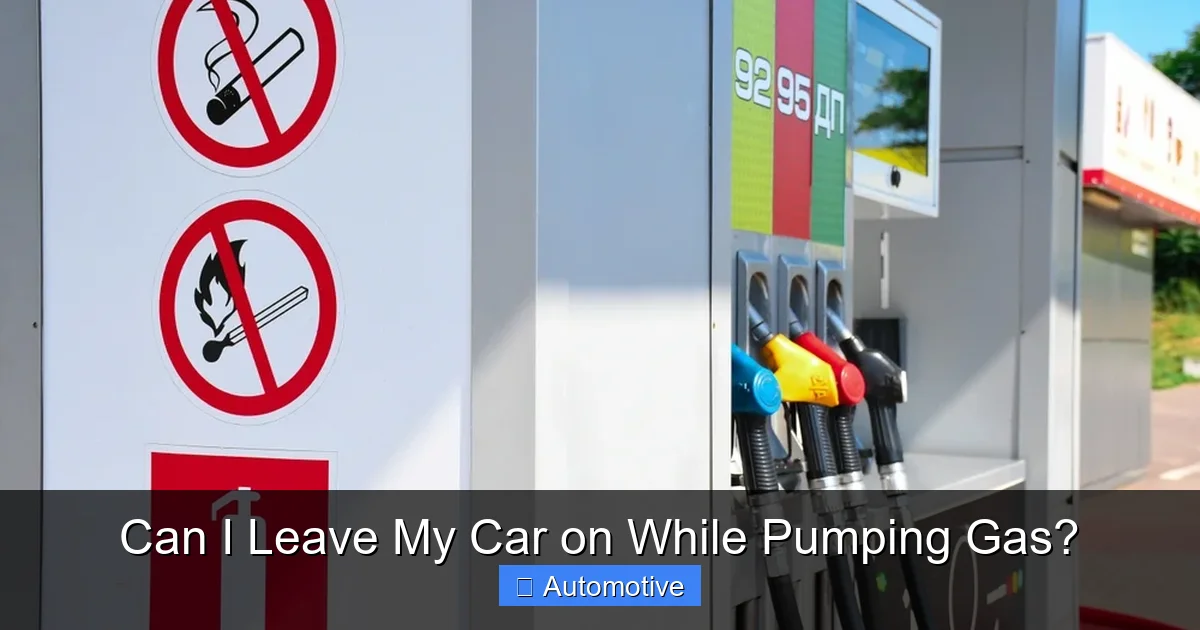
Visual guide about Can I Leave My Car on While Pumping Gas?
Image source: mycarmakesnoise.com
The idea of leaving your car on while pumping gas might seem harmless—after all, you’ve probably seen people do it. But just because something is common doesn’t mean it’s safe. The dangers are real, and they’re rooted in basic chemistry and physics.
Gasoline doesn’t need to be a liquid to burn. In fact, it’s the vapors—not the liquid itself—that are most dangerous. These vapors are heavier than air and can linger around the fuel tank opening, especially on warm days or in poorly ventilated areas. If an ignition source is present, those vapors can catch fire or even explode.
How Can a Running Engine Cause a Fire?
A running engine produces several potential ignition sources. First, there’s the heat from the engine block and exhaust system. While modern cars have heat shields and insulation, hot surfaces can still reach temperatures high enough to ignite gasoline vapors if they come into direct contact.
Second, the electrical system in your car is active when the engine is running. This includes the ignition system, alternator, and various sensors. Any of these components can produce small sparks—especially if there’s a fault or wear in the wiring. Even a tiny spark near the fuel filler neck could be enough to ignite fumes.
Static Electricity: The Hidden Danger
One of the most underestimated risks at the gas pump is static electricity. You might not think of your body as a source of danger, but static discharge is a leading cause of gas station fires. Here’s how it happens: when you slide out of your car seat, your clothes rub against the fabric, building up a static charge. If you then touch the gas nozzle without grounding yourself, that charge can discharge as a spark—right at the moment fuel vapors are most concentrated.
This is why gas stations often have signs reminding you to touch a metal part of your car before handling the nozzle. It’s not just a suggestion—it’s a critical safety step. And if your car is running, you’re less likely to take this precaution, increasing the risk.
What Do the Laws and Gas Stations Say?
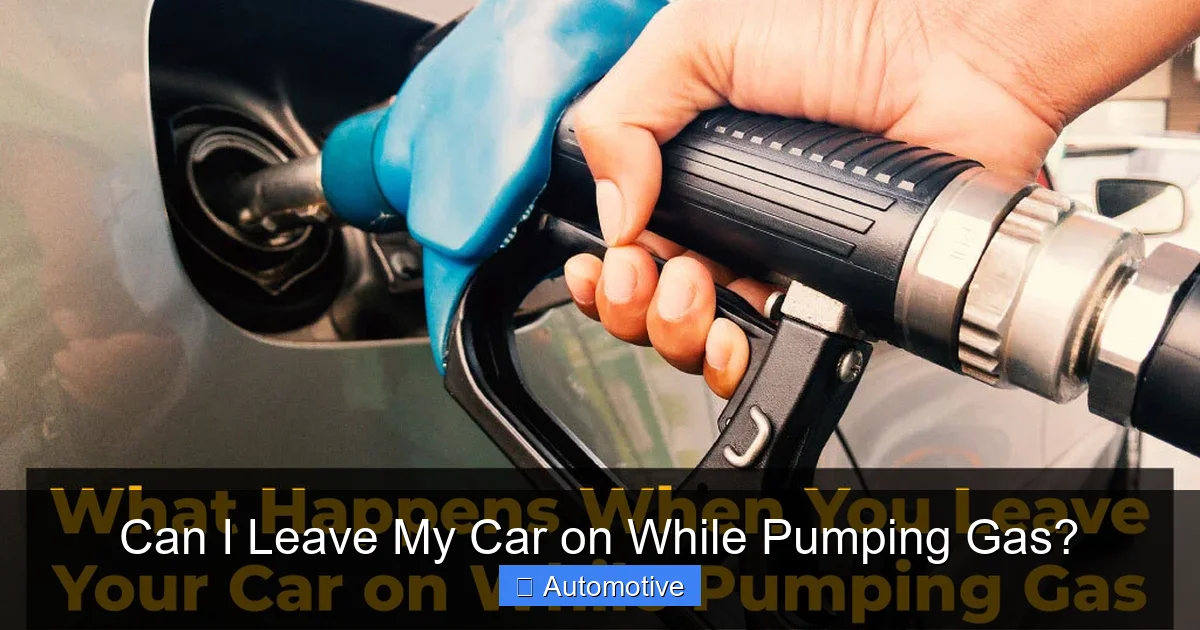
Visual guide about Can I Leave My Car on While Pumping Gas?
Image source: eastbaymotorcycletow.com
You might be surprised to learn that leaving your car running while pumping gas isn’t just unsafe—it’s often illegal. Most states in the U.S. have regulations that require drivers to turn off their engines during refueling. These laws are enforced not just for safety, but also to reduce emissions and prevent accidents.
State Laws and Regulations
While specific laws vary by state, the general rule is consistent: engines must be turned off while fueling. For example, California’s Vehicle Code Section 23115 explicitly states that “no person shall operate a motor vehicle engine while the vehicle is being fueled.” Violations can result in fines, and in some cases, points on your driving record.
Other states, like New York, Florida, and Texas, have similar regulations. Even in states without specific laws, gas station operators have the right to enforce safety rules on their property. Many stations post clear signs saying “Turn Off Engine” or “No Idling,” and attendants may ask you to comply if they see your car running.
Gas Station Policies
Beyond legal requirements, most gas stations have their own safety policies. These are designed to protect customers, employees, and property. For instance, major chains like Shell, ExxonMobil, and Chevron all recommend—and often require—that customers turn off their engines while pumping gas.
Some stations even have automated systems that detect whether a vehicle is running. In rare cases, these systems may prevent the pump from dispensing fuel until the engine is turned off. While not universal, this technology is becoming more common as part of broader safety initiatives.
Are Modern Cars Safer? Do They Make a Difference?
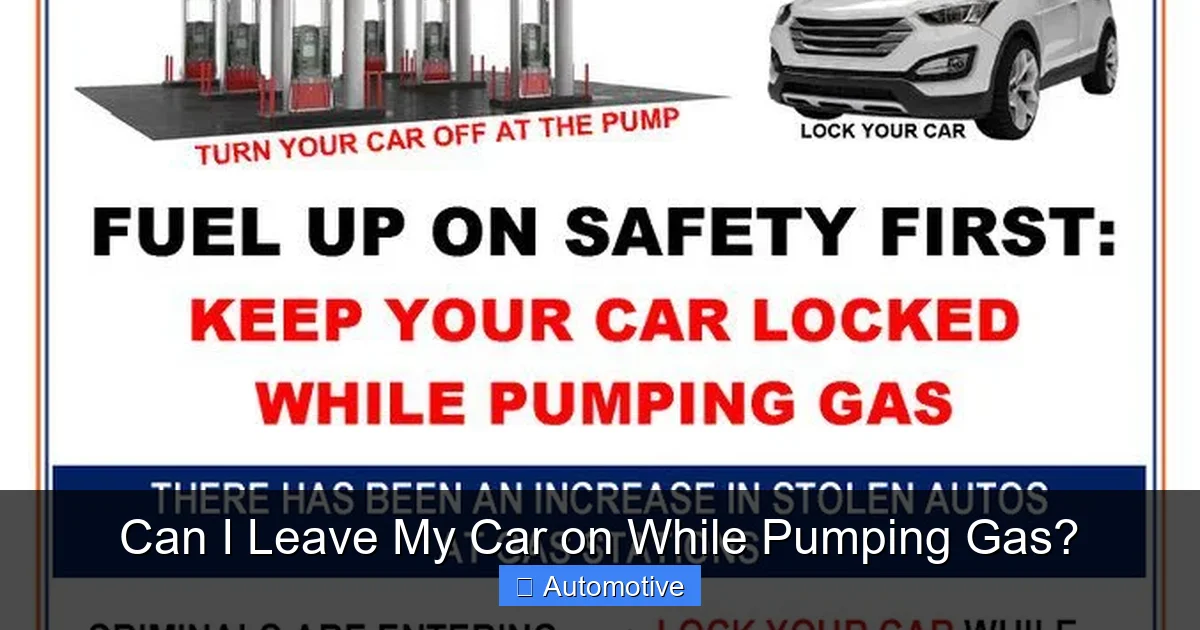
Visual guide about Can I Leave My Car on While Pumping Gas?
Image source: thedailyautomotive.com
With all the advanced technology in today’s vehicles, you might wonder: don’t modern cars eliminate these risks? The short answer is no—while newer cars are safer in many ways, they don’t make it safe to leave your engine running at the pump.
Sealed Fuel Systems and Vapor Recovery
Modern vehicles are equipped with sealed fuel systems and vapor recovery mechanisms designed to reduce emissions. These systems capture gasoline vapors and route them back into the engine to be burned, rather than releasing them into the air. This helps protect the environment and reduces the amount of flammable vapor around the filler neck.
However, these systems aren’t foolproof. They can fail due to wear, damage, or improper maintenance. And even when working perfectly, they don’t eliminate the risk entirely—especially if the engine is running and generating additional heat or electrical activity.
Keyless Ignition and Push-Button Start
One reason people ask, “Can I leave my car on while pumping gas?” is because of keyless ignition systems. These allow you to start your car with the push of a button, and many drivers forget—or don’t realize—that the engine is still running when they exit the vehicle.
This is a dangerous misconception. Just because you don’t hear the engine doesn’t mean it’s off. Many modern cars have very quiet engines, especially hybrids and electric vehicles with range extenders. If you’re unsure, always check the dashboard for a “Ready” or “Engine On” indicator.
And remember: even if your car is technically “off” but still in accessory mode (like playing music or running the AC), electrical systems are still active. It’s best to fully power down the vehicle before refueling.
Real-Life Incidents: When Things Go Wrong
While gas station fires are rare, they do happen—and when they do, the results can be devastating. Understanding real-life incidents can help reinforce why safety rules exist.
Case Study: The 2019 Florida Gas Station Fire
In 2019, a woman in Florida was filling up her SUV when a fire suddenly erupted at the pump. Witnesses reported that the vehicle’s engine was running at the time. Investigators later determined that a spark from the vehicle’s electrical system ignited gasoline vapors, causing a flash fire that damaged the pump and injured the driver.
Thankfully, no one was seriously hurt, but the incident made national news and served as a stark reminder of the dangers. The driver later admitted she didn’t realize her car was still on—her keyless ignition had kept the engine running silently.
Static Electricity Fires: A Growing Concern
According to the U.S. Fire Administration, static electricity is responsible for a significant number of gas station fires each year. In one well-documented case, a man in Texas was pumping gas when he stepped out of his truck, reached for the nozzle, and triggered a static spark. The resulting fire caused extensive damage and required emergency response.
These incidents often occur because people don’t follow the simple step of grounding themselves. Touching the metal door frame or another grounded part of the vehicle before handling the nozzle can discharge static buildup and prevent sparks.
Best Practices for Safe Refueling
Now that you know why it’s unsafe to leave your car running while pumping gas, let’s talk about what you *should* do. Safe refueling is about more than just turning off the engine—it’s a series of small steps that add up to big protection.
Step 1: Turn Off the Engine
This is the most important rule. Before you even grab the nozzle, make sure your engine is completely off. If you have a keyless ignition, press the button until all dashboard lights go out. Double-check—don’t assume.
Step 2: Turn Off All Accessories
Lights, radio, air conditioning, phone chargers—anything that draws power should be turned off. These systems can create small electrical loads that increase the risk of sparks. Plus, turning them off conserves battery life and reduces strain on your vehicle.
Step 3: Ground Yourself Before Handling the Nozzle
Before you touch the gas nozzle, touch a metal part of your car’s body—like the door frame or window edge. This discharges any static electricity built up from sliding in and out of the seat. Do this every time, even if you think you’re not charged.
Step 4: Stay Near the Pump
Never leave the pump unattended. Stay within arm’s reach of the nozzle and keep it in contact with the filler neck to prevent static buildup. If you need to go inside for a receipt or snack, stop the pump first.
Step 5: Avoid Smoking and Open Flames
This should go without saying, but never smoke, light a match, or use an open flame near a gas pump. Gasoline vapors can travel several feet, so even a cigarette lit 10 feet away could be dangerous.
Step 6: Keep Children and Pets Secure
If you have kids or pets in the car, keep them inside with the doors locked. Not only is this safer, but it prevents them from accidentally touching the nozzle or wandering near the pump.
What to Do If You Accidentally Leave Your Car Running
We’ve all made mistakes. If you realize your car is still running while pumping gas, don’t panic—but act quickly.
First, stop pumping immediately. Return the nozzle to the pump and secure it. Then, return to your vehicle and turn off the engine. Wait a few moments to let any vapors dissipate before resuming fueling—this time with the engine off.
If you’ve already started pumping and notice the engine is on, don’t try to turn it off while the nozzle is in the tank. Complete the fueling process first, then turn off the engine and restart the pump if needed. Safety first—don’t rush.
And if you smell gasoline or see any signs of a leak, stop everything immediately. Notify the gas station attendant and move away from the area. Gasoline odors can indicate a dangerous vapor buildup.
Conclusion: Safety First, Every Time
So, can you leave your car on while pumping gas? The answer is a firm no—not because it’s inconvenient, but because it’s dangerous. The risks of fire, explosion, and injury are real, even with today’s advanced vehicles. Turning off your engine takes just a few seconds, but it could prevent a life-threatening incident.
Gas station safety isn’t about fear—it’s about awareness. By following simple rules like turning off the engine, grounding yourself, and staying alert, you protect not only yourself but everyone around you. Remember: no amount of convenience is worth risking a fire.
Next time you pull up to the pump, make it a habit: engine off, accessories off, stay present, and fuel safely. It’s a small effort with a big payoff—peace of mind and protection for you, your passengers, and your vehicle.
Frequently Asked Questions
Is it illegal to leave your car running while pumping gas?
Yes, in most states it is illegal to leave your car running while refueling. Laws vary by location, but many states have specific regulations requiring engines to be turned off during fueling. Violations can result in fines or penalties.
Can a running car really cause a gas station fire?
Yes, a running car can cause a fire if sparks from the electrical system or heat from the engine ignite gasoline vapors. While rare, such incidents have occurred and can be extremely dangerous.
Do electric or hybrid cars need to be turned off too?
Yes, even electric and hybrid vehicles should be turned off while pumping gas. If the vehicle has a range extender or internal combustion engine, it can still produce heat and sparks that pose a risk.
What should I do if I forget to turn off my engine?
If you realize your engine is running while pumping gas, stop fueling immediately, return the nozzle, turn off the engine, and wait a moment before resuming. Always prioritize safety over convenience.
Why do I need to touch my car before handling the nozzle?
Touching a metal part of your car grounds you and discharges static electricity built up from sliding in and out of the seat. This prevents sparks that could ignite gasoline vapors.
Can I use my phone while pumping gas?
It’s best to avoid using your phone while pumping gas. While modern phones are unlikely to cause sparks, distractions increase the risk of accidents. Stay focused and present during refueling.