
How to Remove Salt Stains from Car Glass

Salt stains on car glass are more than just an eyesore—they can impair visibility and damage surfaces over time. This guide walks you through safe, effective methods to remove salt residue using household items and professional-grade solutions, plus tips to prevent future buildup.
Key Takeaways
- Salt stains are caused by road salt and de-icing chemicals that dry on glass, leaving cloudy, streaky marks that reduce visibility.
- Act quickly to prevent permanent damage—salt can etch glass and corrode wiper blades if left untreated.
- Vinegar-based solutions are highly effective for breaking down mineral deposits without scratching the surface.
- Use soft tools like microfiber cloths and plastic scrapers to avoid scratching the glass during cleaning.
- Regular washing and protective coatings help prevent buildup during winter months.
- Professional detailing may be needed for severe cases involving etching or hard water spots mixed with salt.
- Never use abrasive cleaners or steel wool—they can permanently damage auto glass and compromise safety.
📑 Table of Contents
- Why Salt Stains Appear on Car Glass—And Why They’re a Problem
- Understanding the Science Behind Salt Stains
- Essential Tools and Supplies for Removing Salt Stains
- Step-by-Step Methods to Remove Salt Stains
- Preventing Salt Stains Before They Start
- Common Mistakes to Avoid When Cleaning Salt Stains
- When to Call a Professional
- Maintaining Clear Glass All Winter Long
Why Salt Stains Appear on Car Glass—And Why They’re a Problem
If you live in a region that experiences snowy or icy winters, you’ve probably seen it before: a hazy, white film coating your windshield, side windows, and rear glass after a few weeks of driving in cold weather. That’s not just dirt—it’s salt stain buildup from road treatments used to melt ice and snow. While it might seem harmless at first glance, ignoring these stains can lead to more serious issues down the road.
Road salt, typically composed of sodium chloride or calcium chloride, is sprayed onto streets and highways to prevent ice formation. When vehicles drive through slushy or salty conditions, tiny droplets splash onto the car’s exterior—including the glass. As the moisture evaporates, it leaves behind crystalline salt residues. Over time, these residues accumulate, creating a cloudy, streaky appearance that’s especially noticeable when sunlight hits the glass at certain angles. But beyond aesthetics, salt stains pose real risks. They can reduce visibility during critical driving moments, especially at night or in low-light conditions. Additionally, if left untreated, the acidic nature of some de-icing compounds can slowly etch the glass surface, leading to permanent cloudiness or micro-scratches that are difficult—and expensive—to repair.
The good news? Salt stains are entirely removable with the right approach. Unlike hard water spots or mineral deposits from hard tap water, salt residues respond well to acidic cleaning agents that dissolve their crystalline structure. However, timing matters. The sooner you address the buildup, the easier it is to clean and the less risk there is of long-term damage. In this comprehensive guide, we’ll walk you through step-by-step methods to safely and effectively remove salt stains from your car glass—using items you likely already have at home—and share expert tips to keep your windows crystal clear all winter long.
Understanding the Science Behind Salt Stains

Visual guide about How to Remove Salt Stains from Car Glass
Image source: removeanystains.com
Before diving into cleaning techniques, it helps to understand what exactly you’re dealing with. Salt stains aren’t just surface-level grime—they’re chemical residues that interact with glass in specific ways. Most modern automotive glass is made of laminated or tempered safety glass, designed to resist impacts and shattering. However, it’s not impervious to chemical degradation, especially when exposed repeatedly to corrosive substances like road salt.
When salt-laden moisture dries on glass, it forms a thin layer of salt crystals. These crystals are hygroscopic, meaning they attract and hold water molecules from the air. This constant cycle of wetting and drying accelerates the breakdown of the glass’s outer silica layer. Over time, this can lead to a phenomenon known as “glass etching”—a permanent dulling or frosting of the surface that no amount of polishing can fully reverse. Etching is particularly problematic because it scatters light, reducing clarity and making it harder to see through the glass, especially in glare or rain.
Moreover, salt doesn’t discriminate—it affects all glass surfaces, including side windows, rear windshields, and even sunroofs. Wiper blades are also vulnerable; salt residue can dry on the rubber edges, causing them to crack or lose flexibility, which leads to streaking and poor wiping performance. In extreme cases, salt can even migrate into tiny cracks or chips in the glass, worsening existing damage.
It’s also worth noting that not all “white film” on car glass is salt. Hard water spots—caused by mineral-rich water (like from sprinkler systems or well water)—can look similar but require different treatment. Salt stains tend to be more uniform and appear after winter driving, while hard water spots often show up as irregular spots or rings, especially near the edges of the windshield where wipers don’t reach. Knowing the difference helps you choose the right cleaning method and avoid unnecessary effort.
Essential Tools and Supplies for Removing Salt Stains

Visual guide about How to Remove Salt Stains from Car Glass
Image source: removeanystains.com
You don’t need a professional detailing kit to tackle salt stains—many effective solutions use common household items. However, having the right tools ensures you clean safely and thoroughly without damaging your glass. Here’s what you’ll want to gather before starting:
First and foremost, you’ll need a high-quality glass cleaner. While commercial products work, many contain ammonia, which can degrade rubber seals and trim over time. For a gentler yet powerful alternative, white distilled vinegar is a go-to choice. Its acetic acid content effectively dissolves salt crystals without harming glass or surrounding materials. Mix one part vinegar with one part water in a spray bottle for a basic solution. For tougher buildup, you can use undiluted vinegar, but always test on a small area first.
Next, invest in a set of clean microfiber cloths. Unlike paper towels or rough rags, microfiber lifts dirt without scratching and absorbs moisture efficiently. Use one cloth for applying the cleaner and a second dry one for buffing to a streak-free finish. Avoid using the same cloth for multiple tasks—cross-contamination can spread residue instead of removing it.
A soft-bristle brush or a dedicated glass cleaning brush can help dislodge stubborn salt crusts, especially around the edges of the windshield where wipers don’t reach. Look for brushes with non-abrasive nylon bristles. For tight spots like around side mirrors or window seals, an old toothbrush works well.
If the salt has baked on due to repeated exposure and drying, you may need a plastic razor blade or a specialized glass scraper. These tools are safe for auto glass when used correctly—always hold them at a shallow angle (about 15–20 degrees) and keep the surface wet to prevent scratching. Never use metal scrapers, as they can gouge the glass.
Finally, consider using a clay bar designed for automotive use. While typically used for paint decontamination, fine-grade detailing clay can gently lift embedded salt particles from glass surfaces without abrasion. Just be sure to use plenty of lubricant (like a quick detailer spray) to keep the clay gliding smoothly.
Step-by-Step Methods to Remove Salt Stains
Visual guide about How to Remove Salt Stains from Car Glass
Image source: i.ytimg.com
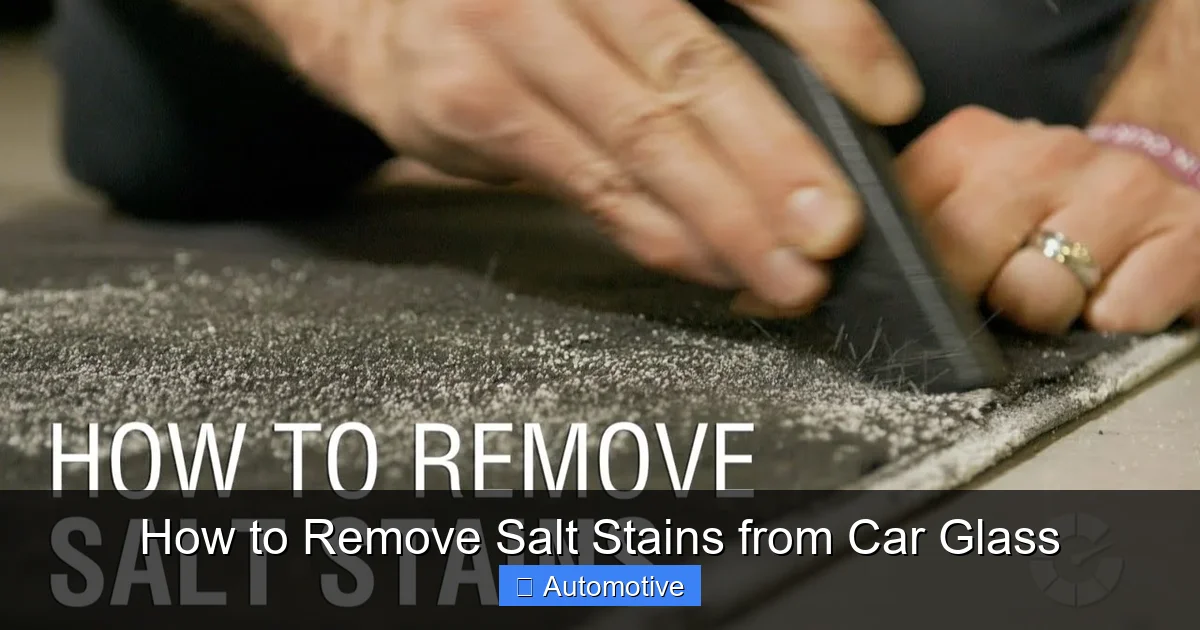
Now that you have your supplies ready, let’s walk through proven methods to eliminate salt stains from your car glass. The best approach depends on how severe the buildup is, but starting with the gentlest method and escalating only if needed is always wise.
Method 1: Vinegar and Water Solution (Best for Light to Moderate Stains)
This is the most accessible and effective DIY solution for most drivers. Begin by parking your car in a shaded area—direct sunlight can cause the cleaner to dry too quickly, leaving streaks. Spray the vinegar-water mixture generously onto the affected glass, ensuring full coverage. Let it sit for 2–3 minutes to penetrate the salt layer. For extra stubborn spots, gently agitate with a soft brush or toothbrush, focusing on edges and corners.
Next, wipe the surface with a damp microfiber cloth, using straight, overlapping strokes. Avoid circular motions, which can create swirl marks. Once most of the residue is gone, buff the glass dry with a clean, dry microfiber cloth. Check for streaks under bright light—if any remain, repeat the process on those areas. This method typically removes 80–90% of salt stains with minimal effort.
Method 2: Undiluted Vinegar for Heavy Buildup
If the vinegar-water mix isn’t cutting it, switch to full-strength white vinegar. Spray it directly onto the glass and allow it to sit for 5–10 minutes. The longer dwell time gives the acid more opportunity to break down hardened salt deposits. Use a plastic scraper to gently lift off thick crusts—again, keep the surface wet and avoid pressing too hard. After scraping, wipe away loosened residue with a damp cloth, then dry thoroughly.
For best results, follow up with a rinse using distilled water. Tap water contains minerals that can leave new spots, especially if you’re in a hard water area. A quick spray of distilled water followed by a dry buff helps ensure a flawless finish.
Method 3: Baking Soda Paste for Stubborn Residues
When vinegar alone isn’t enough, combine it with baking soda to create a mildly abrasive paste. Mix three parts baking soda with one part vinegar to form a thick slurry. Apply the paste to the stained areas using a soft cloth or sponge, working in small sections. Gently rub in straight lines—never in circles—to avoid micro-scratches. Let it sit for 1–2 minutes, then rinse thoroughly with water and dry with a microfiber towel.
This method adds gentle abrasion to help lift embedded salt, but use it sparingly. Overuse can dull the glass over time, so reserve it for particularly tough spots and always follow with a vinegar rinse to neutralize any remaining alkalinity.
Method 4: Commercial Glass Cleaners and De-Icers
If DIY solutions aren’t practical or effective, turn to professional-grade products. Look for cleaners specifically formulated to remove mineral deposits and salt residues—brands like Invisible Glass Pro, Chemical Guys Nonsense, or Rain-X Bug & Tar Remover often work well. Always read labels to ensure they’re safe for automotive glass and won’t damage tinting or seals.
Apply the cleaner according to instructions, usually involving spraying, waiting, and wiping. Some products come with built-in surfactants that help lift grime without scrubbing. For best results, use in conjunction with a clay bar treatment to remove any remaining contaminants.
Method 5: Professional Detailing for Severe Cases
In rare instances where salt has caused etching or deep staining, professional help may be necessary. Detailers use rotary polishers with specialized glass compounds to restore clarity. While effective, this service can cost $100–$300 depending on severity and location. It’s usually reserved for classic cars, high-end vehicles, or cases where DIY efforts have failed.
Preventing Salt Stains Before They Start
An ounce of prevention is worth a pound of cure—especially when it comes to car glass. The best way to avoid salt stains is to minimize exposure and maintain a regular cleaning routine throughout the winter months.
Start by washing your car frequently during snowy seasons. Aim for every 1–2 weeks, or after major snowfalls. Use a pH-balanced car wash soap—not dish detergent, which strips protective waxes and accelerates corrosion. Pay special attention to the lower body panels and wheel wells, where salt tends to accumulate and splash upward onto glass.
Consider applying a glass sealant or rain repellent like Rain-X Original or Aquapel. These products create a hydrophobic barrier that causes water (and salt-laden slush) to bead up and roll off, reducing the chance of residue drying on the surface. Reapply every 2–3 months for optimal protection.
Another smart move: use mud flaps or splash guards. These inexpensive accessories deflect road spray away from your vehicle’s lower body and glass. They’re especially helpful on trucks, SUVs, and vehicles with wider tires that throw more debris.
Keep your wiper fluid topped off with a winter-grade formula that contains antifreeze agents. This prevents the fluid from freezing in the reservoir and ensures your wipers can clear salty slush effectively. Avoid using plain water, which can freeze and damage the system.
Finally, park wisely. Whenever possible, avoid parking near roads treated with salt or in areas where snowplows pile slush. If you must park outside, consider using a car cover designed for winter use—just make sure it’s breathable to prevent moisture trapping.
Common Mistakes to Avoid When Cleaning Salt Stains
Even with the best intentions, it’s easy to make errors that worsen the problem or damage your glass. One of the biggest mistakes is using abrasive tools like steel wool, scouring pads, or harsh household cleaners. These can scratch the glass surface, creating permanent haze and reducing visibility. Similarly, using hot water on cold glass can cause thermal shock and cracking—especially dangerous in freezing temperatures.
Another pitfall is waiting too long to clean. The longer salt sits, the more it bonds with the glass and the harder it becomes to remove. Don’t wait until spring—tackle stains as soon as you notice them.
Avoid cleaning in direct sunlight, as mentioned earlier. Rapid drying leads to streaks and reduces the cleaner’s effectiveness. Also, never use the same cloth for glass and body washing—dirt and grime from the paint can transfer to the glass and cause scratches.
Lastly, don’t assume all glass cleaners are created equal. Ammonia-based products may clean well but can degrade rubber seals and interior trim over time. Stick to ammonia-free formulas or natural alternatives like vinegar.
When to Call a Professional
While most salt stains can be handled at home, there are times when professional intervention is the best choice. If your glass shows signs of etching—such as a permanently foggy or frosted appearance—it may be too late for DIY fixes. Etching alters the glass at a microscopic level and usually requires professional polishing or even replacement in extreme cases.
Similarly, if you’ve tried multiple cleaning methods and the stains persist, a detailer can assess whether the issue is salt, hard water, or something else entirely. They also have access to industrial-grade equipment and compounds that aren’t available to consumers.
If your vehicle has tinted windows, be extra cautious. Some cleaners can damage tint films, causing bubbling or peeling. A professional will know which products are safe to use.
Finally, if you’re short on time or live in an area with heavy salt use, scheduling regular detailing sessions (every 6–8 weeks in winter) can save you hassle and protect your investment.
Maintaining Clear Glass All Winter Long
Keeping your car glass salt-stain-free isn’t a one-time task—it’s an ongoing commitment during cold months. Establish a simple routine: check your windows weekly for early signs of buildup, wipe down visible residue with a damp microfiber cloth, and do a full clean every couple of weeks.
Keep a spray bottle of vinegar solution in your car for quick touch-ups after driving through salty conditions. A small pack of microfiber cloths in the glove compartment ensures you’re always prepared.
And remember: clear glass isn’t just about looks—it’s a critical safety feature. According to the National Highway Traffic Safety Administration (NHTSA), reduced visibility contributes to thousands of accidents each year. By staying proactive about salt stain removal, you’re not just maintaining your car—you’re protecting yourself and others on the road.
With the right knowledge and tools, removing salt stains from car glass is simple, affordable, and highly effective. Whether you’re using vinegar from your kitchen or investing in a quality sealant, the key is consistency and care. Your future self—and your passengers—will thank you for the clearer, safer drive.
Frequently Asked Questions
Can salt stains permanently damage car glass?
Yes, if left untreated, salt can etch the glass surface over time, causing permanent cloudiness or micro-scratches. This reduces visibility and may require professional polishing or even glass replacement in severe cases.
Is vinegar safe to use on tinted windows?
Diluted vinegar is generally safe for most factory-applied window tints, but always test on a small area first. Avoid strong acids or ammonia-based cleaners, as they can degrade tint films.
How often should I clean my car glass in winter?
Aim to clean your windows every 1–2 weeks during snowy seasons, or immediately after driving through heavy salt or slush. Frequent cleaning prevents buildup and protects the glass.
Can I use Windex to remove salt stains?
Standard Windex contains ammonia, which can degrade rubber seals and trim over time. For salt stains, vinegar-based solutions are more effective and gentler on your vehicle’s components.
Will a clay bar remove salt from glass?
Yes, fine-grade automotive clay can lift embedded salt particles when used with a lubricant. It’s especially useful for removing contaminants that regular cleaners can’t reach.
Do glass sealants really prevent salt stains?
Yes, hydrophobic sealants like Rain-X cause water and salt slush to bead up and roll off, significantly reducing the chance of residue drying on the glass. Reapply every few months for best results.
