
Is My Car Overheating? Signs and Symptoms

Your car overheating can lead to serious engine damage if ignored. Recognizing early warning signs like rising temperature gauges, steam, or strange smells can save you time, money, and a breakdown on the side of the road.
You’re cruising down the highway, enjoying the breeze through your open window, when suddenly you notice something’s off. The temperature gauge on your dashboard is creeping into the red zone. Or maybe you see a wisp of steam sneaking out from under the hood. Your first thought? Is my car overheating?
It’s a question every driver dreads—but one that’s more common than you might think. Overheating isn’t just an inconvenience; it’s a serious issue that can lead to costly repairs or even total engine failure if not addressed promptly. The good news? Most overheating problems give off clear warning signs long before things get critical. By learning to recognize these symptoms early, you can take action, avoid a roadside breakdown, and protect your vehicle’s engine from long-term damage.
Key Takeaways
- Watch the temperature gauge: A rising needle or warning light is the most direct sign your engine is getting too hot.
- Steam or smoke from the hood: White vapor or smoke indicates coolant boiling and possible leaks in the cooling system.
- Unusual engine smells: A sweet, syrupy odor often means coolant is leaking and burning off hot engine parts.
- Reduced engine performance: Overheating can cause hesitation, stalling, or loss of power as the engine struggles to operate.
- Coolant leaks under the car: Puddles of green, orange, or pink fluid under your vehicle signal a leak in the radiator, hoses, or water pump.
- Dashboard warning lights: The check engine or temperature warning light should never be ignored—pull over safely and investigate.
- Act quickly to prevent damage: Continuing to drive an overheating car can warp engine components or cause a blown head gasket.
📑 Table of Contents
What Causes a Car to Overheat?
Before diving into the signs, it helps to understand what’s actually happening under the hood. Your car’s engine generates a tremendous amount of heat—up to 4,500°F in the combustion chamber. Without a proper cooling system, that heat would quickly destroy engine components. That’s where the cooling system comes in: it circulates coolant (a mix of antifreeze and water) through the engine and radiator to absorb and dissipate heat.
When any part of this system fails, the engine can’t cool itself effectively, and temperatures begin to rise. Common causes include low coolant levels, a malfunctioning thermostat, a broken water pump, clogged radiator, leaking hoses, or a faulty radiator fan. Even something as simple as a loose radiator cap can reduce system pressure and lead to overheating.
Coolant System Basics
The coolant system is a closed loop designed to keep engine temperatures stable. Coolant flows from the radiator into the engine block, absorbing heat. It then travels to the radiator, where air (either from driving or the radiator fan) cools it down before it cycles back. The thermostat regulates this flow, opening only when the engine reaches operating temperature.
If coolant levels drop—due to leaks or evaporation—the system can’t absorb enough heat. Similarly, if the water pump fails, coolant won’t circulate. A clogged radiator restricts airflow, and a broken fan means no forced cooling at low speeds. All of these issues can lead to overheating, even on a mild day.
Common Overheating Triggers
- Low coolant level: The most frequent cause. Check your coolant reservoir regularly—especially before long trips.
- Thermostat failure: A stuck-closed thermostat blocks coolant flow, while a stuck-open one prevents the engine from reaching optimal temperature.
- Water pump issues: A worn or leaking pump can’t circulate coolant effectively. Listen for whining noises or check for coolant leaks near the front of the engine.
- Radiator problems: Clogs from debris or internal corrosion reduce cooling efficiency. External damage from road debris can also cause leaks.
- Faulty radiator fan: If the fan doesn’t turn on when the engine gets hot, especially in traffic, overheating is likely.
- Head gasket failure: A blown head gasket can allow coolant to leak into combustion chambers or oil passages, causing overheating and white exhaust smoke.
Understanding these causes helps you connect the dots when symptoms appear. For example, if your car overheats only in stop-and-go traffic but runs fine on the highway, the radiator fan or water pump might be the culprit. If it overheats during long drives, low coolant or a clogged radiator could be to blame.
Top Signs Your Car Is Overheating
Now that you know what can go wrong, let’s look at the most common signs that your car is overheating. Catching these early can save you from a major repair bill.
Visual guide about Is My Car Overheating? Signs and Symptoms
Image source: cdn.carpassionate.com
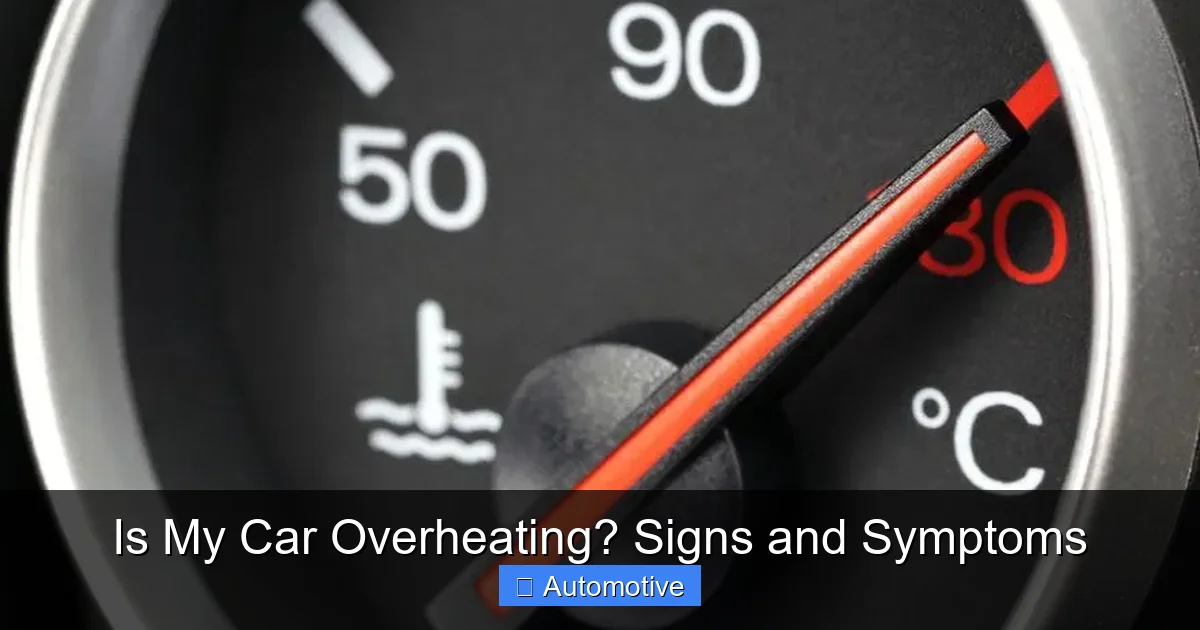
1. Rising Temperature Gauge or Warning Light
The most obvious sign is a temperature gauge climbing into the red zone or a dashboard warning light—often labeled “TEMP” or showing a thermometer icon. Modern cars have sensors that monitor engine temperature and trigger alerts when things get too hot.
If you see this, don’t wait. Pull over safely as soon as possible. Continuing to drive can cause irreversible damage. While some gauges have a “normal” range in the middle, any movement toward the red is a red flag.
Tip: If your car doesn’t have a temperature gauge (some only have a warning light), pay extra attention to other symptoms. Know where your warning lights are and what they mean.
2. Steam or Smoke Coming from Under the Hood
White steam or smoke billowing from the engine compartment is a classic sign of overheating. This usually happens when coolant boils and escapes through a leak or overflow tube. The steam may have a sweet smell—distinct from the acrid odor of burning oil.
Don’t confuse steam with normal exhaust. Engine steam is thick, white, and comes from under the hood, not the tailpipe. If you see this, stop driving immediately. Opening the hood while the engine is hot can release pressurized steam and cause burns—wait a few minutes before inspecting.
Example: Imagine you’re driving through a mountain pass on a hot day. Halfway up, you notice steam rising from the front of your car. You pull over, turn off the engine, and wait. After 10 minutes, you cautiously lift the hood and see coolant dripping from a cracked hose. That’s a clear overheating signal.
3. Unusual Smells from the Engine
A sweet, syrupy smell inside or outside the car often indicates a coolant leak. Antifreeze has a distinct odor—some describe it as similar to maple syrup or candy. If you smell this while driving, especially near the dashboard or vents, coolant may be leaking and burning off hot engine parts.
Other smells to watch for include burning rubber (from a slipping serpentine belt) or burning oil (from an oil leak hitting hot exhaust components). While not always related to overheating, these can contribute to engine stress.
Tip: If you smell coolant, check the ground under your car for puddles. Coolant is usually green, orange, pink, or yellow and has a slimy texture.
4. Reduced Engine Performance or Stalling
An overheating engine may start to run rough, hesitate during acceleration, or even stall. This happens because excessive heat can cause metal parts to expand, increasing friction and reducing efficiency. In severe cases, the engine may seize entirely.
You might notice your car feels sluggish, especially when climbing hills or towing. The check engine light may also come on. These symptoms suggest the engine is under stress and needs immediate attention.
Real-life scenario: Sarah was driving her SUV up a steep hill when she noticed the engine struggling. The RPMs dropped, and the car felt like it was losing power. She pulled over and saw the temperature light was on. After letting it cool, she added coolant and had the thermostat replaced—saving her engine from serious damage.
5. Coolant Leaks Under the Car
Finding a puddle of colorful fluid under your parked car is a strong indicator of a coolant leak. Coolant is rarely clear—it’s usually bright green, orange, pink, or yellow. If you see this, inspect the radiator, hoses, water pump, and radiator cap for cracks or wet spots.
Leaks can develop slowly over time or happen suddenly due to a ruptured hose. Even a small leak can lead to low coolant levels and overheating, especially on long drives.
Prevention tip: Check your coolant level monthly. Most cars have a translucent reservoir with “MIN” and “MAX” marks. Top it off with the correct type of coolant if it’s low—but never open the radiator cap when the engine is hot.
6. Dashboard Warning Lights
In addition to the temperature light, your car may display a check engine light or a coolant level warning. These lights are your car’s way of saying, “Something’s wrong—please check.”
Don’t ignore them. Use an OBD2 scanner (available at auto parts stores) to read error codes if the check engine light comes on. Codes like P0128 (coolant thermostat) or P0113 (intake air temperature sensor) can point to overheating-related issues.
Pro tip: Keep a basic OBD2 scanner in your glove box. It’s a small investment that can help you diagnose problems early and communicate better with mechanics.
What to Do If Your Car Is Overheating
So you’ve spotted the signs—now what? Acting quickly and correctly can prevent major damage. Here’s a step-by-step guide.
Visual guide about Is My Car Overheating? Signs and Symptoms
Image source: t2.ea.ltmcdn.com
Step 1: Pull Over Safely
As soon as you notice overheating signs, signal and pull over to a safe location—off the road, on a shoulder, or in a parking lot. Turn off the engine immediately. Continuing to drive can warp the cylinder head or crack the engine block.
Never open the hood right away. The engine and coolant are under pressure and extremely hot. Wait at least 15–20 minutes for things to cool down.
Step 2: Turn on the Heater
This might sound counterintuitive, but turning the heater to maximum can help draw heat away from the engine. It forces hot coolant into the heater core, which acts as a secondary radiator. This can buy you a few extra minutes to safely pull over.
Do this only if you’re still driving and haven’t yet stopped. Once parked, turn off the heater and engine.
Step 3: Check Coolant Levels
After the engine has cooled, carefully open the hood and locate the coolant reservoir. Check the level against the “MIN” and “MAX” marks. If it’s low, you may have a leak.
Do not open the radiator cap while the engine is hot—it can release scalding steam. Only add coolant when the system is cool. Use the type recommended in your owner’s manual (usually ethylene glycol-based).
Step 4: Inspect for Leaks or Damage
Look for visible signs of trouble: cracked hoses, wet spots around the water pump, a damaged radiator, or a loose belt. If you find a leak, you may be able to temporarily patch it with a radiator sealant (available at auto stores), but this is not a long-term fix.
If the radiator fan isn’t spinning when the engine is hot, the fan motor, relay, or sensor may be faulty.
Step 5: Call for Help or Drive Cautiously
If you’ve added coolant and the leak is minor, you might be able to drive to a nearby repair shop—but only if the temperature gauge stays in the normal range. Drive slowly, avoid hills, and monitor the gauge closely.
If the problem persists or you’re unsure, call a tow truck. It’s better to spend $100 on a tow than $2,000 on a new engine.
Preventing Overheating: Maintenance Tips
The best way to deal with overheating is to prevent it altogether. Regular maintenance keeps your cooling system in top shape.
Visual guide about Is My Car Overheating? Signs and Symptoms
Image source: bradscartunes.com
Check Coolant Levels Monthly
Make it a habit to check your coolant reservoir every month. Top it off if needed, but investigate if you’re adding coolant frequently—this suggests a leak.
Flush the Cooling System Every 30,000–50,000 Miles
Over time, coolant breaks down and collects debris. A professional flush removes old coolant and cleans the radiator and engine passages. Replace it with fresh coolant according to your manufacturer’s recommendations.
Inspect Hoses and Belts
Look for cracks, bulges, or soft spots in radiator hoses. Replace them every 4–5 years. Check the serpentine belt for wear—it drives the water pump and alternator.
Test the Thermostat
A faulty thermostat is a common overheating cause. If your engine takes too long to warm up or overheats quickly, have the thermostat tested or replaced.
Keep the Radiator Clean
Debris like leaves, dirt, and bugs can block airflow through the radiator. Use a soft brush or compressed air to clean the fins regularly, especially after off-roading or driving in dusty areas.
Monitor the Radiator Fan
Ensure the fan turns on when the engine reaches operating temperature. If it doesn’t, check the fan motor, fuse, and temperature sensor.
When to See a Mechanic
Some overheating issues are simple fixes—like topping off coolant or replacing a hose. But others require professional diagnosis and repair.
See a mechanic if:
- The temperature gauge keeps rising despite adding coolant
- You see white smoke from the exhaust (possible head gasket issue)
- The engine makes knocking or pinging noises
- Coolant is mixing with oil (milky substance on the dipstick)
- The radiator fan doesn’t turn on
- You’ve had repeated overheating episodes
A professional can perform pressure tests, check for internal leaks, and inspect the water pump and thermostat. Early intervention prevents costly engine repairs.
Conclusion
So, is your car overheating? If you’ve noticed a rising temperature gauge, steam, strange smells, or performance issues, the answer might be yes. But don’t panic—recognizing the signs early gives you the power to act before serious damage occurs.
Overheating is rarely a sudden event. It’s usually the result of small issues—low coolant, a worn hose, or a failing fan—that build up over time. By staying alert and maintaining your cooling system, you can keep your engine running cool and reliable for years to come.
Remember: when in doubt, pull over. Your car’s engine is one of its most valuable components. A few minutes of caution today can save you thousands tomorrow. Stay safe, stay informed, and keep an eye on that temperature gauge.
Frequently Asked Questions
What should I do if my car starts overheating while driving?
Pull over safely as soon as possible and turn off the engine. Wait 15–20 minutes for it to cool before opening the hood. Never open the radiator cap while the engine is hot. Check coolant levels and look for leaks.
Can I drive my car if the temperature light comes on?
No. Driving with an overheating engine can cause severe damage, including a warped cylinder head or blown head gasket. Pull over immediately and call for assistance if the problem persists after cooling.
Why does my car overheat only in traffic?
This often points to a faulty radiator fan, low coolant, or a clogged radiator. At low speeds, the fan is essential for cooling. If it’s not working, the engine can overheat even in mild weather.
Is it safe to add water to the coolant system in an emergency?
Yes, in a pinch. If you’re low on coolant and far from help, adding clean water can help you reach a service station. However, use the correct coolant mix as soon as possible to prevent corrosion and freezing.
How often should I check my coolant level?
Check it monthly, especially before long trips. Also inspect it after any repair involving the cooling system. Low coolant is a leading cause of overheating.
Can a blown head gasket cause overheating?
Yes. A blown head gasket can allow coolant to leak into the combustion chamber or oil passages, reducing cooling efficiency and causing overheating. Look for white exhaust smoke, milky oil, or bubbling in the coolant reservoir.
