
Can a Company Rent a Car for an Employee?

Yes, a company can rent a car for an employee—whether for business travel, client meetings, or temporary assignments. It’s a common and practical solution that offers flexibility, cost control, and convenience, but it requires proper planning to handle insurance, taxes, and compliance.
Key Takeaways
- Yes, companies can legally rent cars for employees: Most rental agencies allow businesses to rent vehicles under a corporate account, with the employee as the authorized driver.
- Corporate rental accounts offer discounts and perks: Businesses can negotiate better rates, earn rewards, and streamline billing through dedicated accounts with major rental companies.
- Insurance coverage is critical: Companies must ensure the rental is properly insured—either through the rental agency, the company’s fleet policy, or a third-party provider.
- Tax implications vary by use: Business use is typically tax-deductible, but personal use may trigger taxable benefits for the employee.
- Clear policies prevent misuse: Establishing guidelines on when, how, and why a rental car can be used helps avoid abuse and confusion.
- Alternative options exist: For frequent travel, consider long-term rentals, car subscriptions, or mileage reimbursement instead of short-term rentals.
- Documentation and tracking are essential: Keep records of rental agreements, mileage, and purpose to support compliance and expense reporting.
📑 Table of Contents
Can a Company Rent a Car for an Employee?
If you’re running a business—whether it’s a startup, a mid-sized firm, or a large corporation—you’ve probably faced the question: *Can a company rent a car for an employee?* The short answer is yes, absolutely. But the full picture involves understanding the logistics, costs, legalities, and best practices that come with it.
Imagine this: Your sales rep needs to visit three clients across two states next week. Flying isn’t efficient, and public transit won’t cut it. Renting a car seems like the perfect solution. But can your company foot the bill? Can the employee drive it? What about insurance? These are all valid concerns, and the good news is that they’re all manageable with the right approach.
Renting a car for an employee isn’t just possible—it’s a smart business move in many cases. It gives your team the mobility they need without the long-term commitment of owning a vehicle. Whether it’s for a one-day meeting or a month-long project, corporate car rentals offer flexibility, convenience, and often better value than reimbursing mileage or relying on rideshares.
But like any business decision, it comes with responsibilities. From setting up a corporate rental account to understanding tax rules, there’s a lot to consider. This guide will walk you through everything you need to know—so you can make informed choices that benefit both your company and your employees.
Why Companies Rent Cars for Employees
Visual guide about Can a Company Rent a Car for an Employee?
Image source: exceldemy.com
There are many reasons why a business might choose to rent a car for an employee. It’s not just about convenience—it’s about efficiency, safety, and cost-effectiveness.
One of the most common scenarios is business travel. When employees need to visit clients, attend conferences, or work on-site at a remote location, a rental car gives them reliable transportation. Unlike taxis or rideshares, a rental car offers privacy, storage space, and the freedom to move on their own schedule.
Another reason is temporary assignments. Maybe your IT specialist is helping a branch office for two weeks, or your project manager is overseeing a construction site. In these cases, a rental car is often more practical than asking the employee to use their personal vehicle.
Then there’s the issue of fleet limitations. Not every company owns a fleet of vehicles. Small businesses, in particular, may not have the budget or need for company cars. Renting allows them to scale up transportation as needed—without the overhead.
Let’s not forget employee satisfaction. Offering a rental car can be a perk. It shows trust and support, especially when compared to reimbursing mileage, which can feel like a hassle. Employees appreciate not having to front costs or deal with wear and tear on their own cars.
Common Use Cases
Here are a few real-world examples of when companies rent cars for employees:
– A marketing manager travels to a trade show in another city and needs a car to get to the venue, hotels, and client dinners.
– A field technician is dispatched to repair equipment at a customer’s site 200 miles away and needs a reliable vehicle for the week.
– A remote employee relocates temporarily to support a new office opening and requires transportation during their stay.
– A sales team conducts a regional tour, visiting multiple clients in different towns over five days.
In each case, renting a car makes sense. It’s faster, more professional, and often cheaper than alternatives.
Benefits Over Other Options
Compared to other transportation methods, renting a car has clear advantages:
– **Cost Control:** You pay only for what you use. No long-term leases or maintenance costs.
– **Flexibility:** Choose the right vehicle for the job—sedan, SUV, van, or even luxury car for client meetings.
– **Professional Image:** Arriving in a clean, company-rented car looks more professional than a personal vehicle.
– **Reduced Liability:** When the company rents the car, insurance and liability are clearer than with personal vehicle use.
Of course, it’s not always the best choice. For frequent short trips, mileage reimbursement might be cheaper. But for longer or more complex travel, rentals often win.
How to Rent a Car for an Employee
Visual guide about Can a Company Rent a Car for an Employee?
Image source: c8.alamy.com
Now that you know it’s possible and beneficial, let’s talk about how to actually do it.
The process starts with setting up a corporate rental account. Most major rental companies—like Hertz, Enterprise, Avis, and Budget—offer business programs designed for companies that rent vehicles regularly.
Step 1: Open a Corporate Rental Account
To rent a car under your company’s name, you’ll need to register for a business account. This usually involves:
– Providing your business license or EIN (Employer Identification Number)
– Submitting a credit application
– Agreeing to the rental company’s terms and conditions
Once approved, you’ll get a corporate ID number. This allows you to book rentals under your company’s name, with billing sent directly to your finance department.
Many companies also offer online portals where you can manage bookings, track expenses, and view reports—making it easier to stay organized.
Step 2: Choose the Right Rental Company
Not all rental companies are created equal. Some offer better rates for businesses, while others have stronger insurance options or wider location coverage.
Enterprise, for example, is known for its extensive network and excellent customer service. Hertz offers a robust rewards program for businesses. Avis and Budget often have competitive pricing, especially for mid-week rentals.
Consider factors like:
– Availability in your travel areas
– Customer support (24/7 is ideal)
– Insurance options
– Loyalty or rewards programs
– Online booking tools
It’s worth comparing a few providers and even negotiating a custom rate if you expect high volume.
Step 3: Book the Rental
Once your account is set up, booking is straightforward. You can do it online, over the phone, or through a travel management platform.
When booking, make sure to:
– List the employee as the authorized driver
– Select the correct pickup and return location
– Choose the right vehicle class (economy, SUV, etc.)
– Add any necessary extras (GPS, child seat, etc.)
Most rental companies allow you to add multiple drivers to a reservation, so if two employees are traveling together, both can be authorized.
Step 4: Handle Insurance and Coverage
This is where things can get tricky. Insurance is one of the most important aspects of renting a car for an employee.
Rental companies typically offer several coverage options:
– **Collision Damage Waiver (CDW):** Covers damage to the rental car in case of an accident.
– **Liability Insurance:** Covers damage or injury to others.
– **Personal Accident Insurance (PAI):** Covers medical expenses for the driver and passengers.
– **Personal Effects Coverage (PEC):** Protects personal belongings in the car.
But here’s the key: your company may already have coverage through its commercial auto insurance policy. Many business policies extend to rental vehicles used for work purposes.
Check with your insurance provider. If your policy includes “hired and non-owned auto liability,” you may not need to buy additional coverage from the rental company. This can save you hundreds of dollars per rental.
If you’re not covered, or if the rental is for personal use, you’ll need to purchase insurance at the counter.
Step 5: Pick Up and Return the Vehicle
On the day of pickup, the employee should bring:
– A valid driver’s license
– The rental confirmation (printed or digital)
– The corporate credit card or company payment method
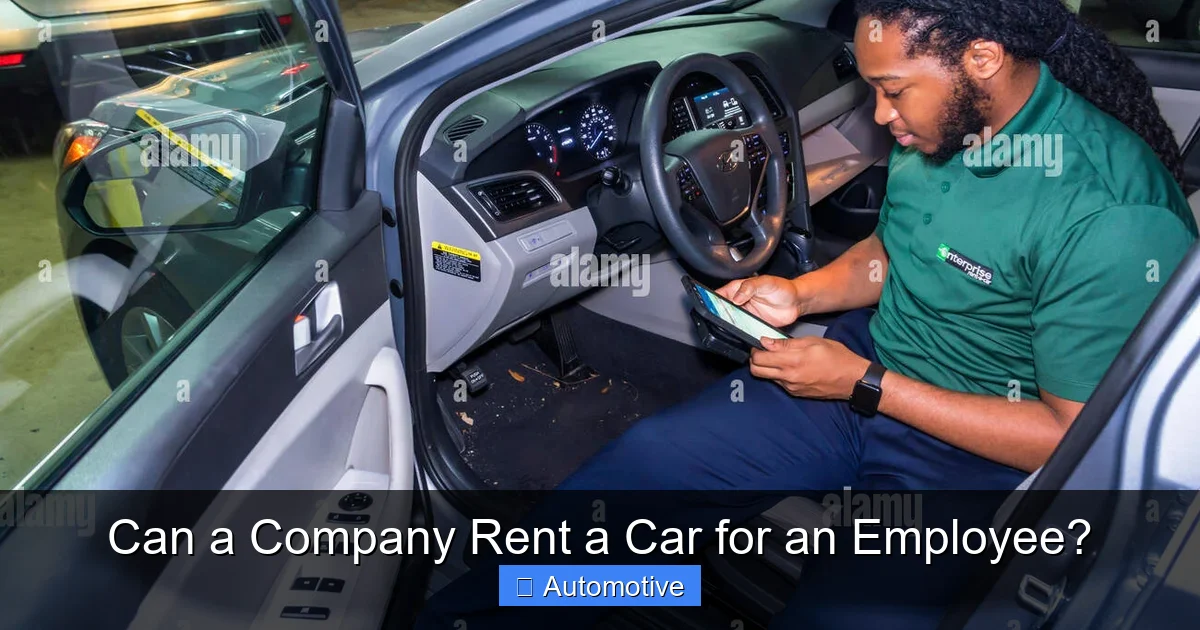
The rental agent will inspect the car and note any existing damage. It’s important to review this carefully—take photos if needed—to avoid being charged later.
At return, the car should be clean, fueled, and free of personal items. Most companies allow a grace period for late returns, but fees can add up quickly.
Tax and Legal Considerations
Visual guide about Can a Company Rent a Car for an Employee?
Image source: upgradedpoints.com
Renting a car for an employee isn’t just a logistical decision—it’s also a financial and legal one. You need to understand the tax implications and compliance requirements.
Tax Deductibility
In most cases, the cost of renting a car for business use is tax-deductible. The IRS allows businesses to deduct ordinary and necessary expenses related to their operations—and transportation is a classic example.
To qualify, the rental must be:
– Used primarily for business purposes
– Properly documented (receipts, logs, etc.)
– Not extravagant or personal in nature
For example, renting a luxury SUV for a client dinner might be deductible if it’s justified by the business need. But using a company rental for a weekend getaway? That’s a red flag.
If the employee uses the car for both business and personal purposes, only the business portion is deductible. This requires tracking mileage or time.
Taxable Benefits for Employees
Here’s where it gets tricky: if an employee uses a company-rented car for personal reasons, the value of that personal use may be considered a taxable fringe benefit.
The IRS has specific rules for this. If the car is available for personal use—even occasionally—the employee may need to report the value as income.
For example, if an employee rents a car for a business trip but uses it to visit family on the weekend, that personal use could trigger tax liability.
To avoid this, companies should:
– Limit personal use as much as possible
– Have clear policies about when and how rentals can be used
– Consider using rental agreements that restrict personal use
In some cases, it’s better to reimburse mileage for personal trips rather than allow unrestricted access to a rental car.
Compliance and Recordkeeping
Proper documentation is essential. Keep records of:
– Rental agreements
– Receipts and invoices
– Mileage logs (if tracking business vs. personal use)
– Purpose of the trip (e.g., “client meeting in Denver”)
These records support your tax deductions and protect you in case of an audit.
Best Practices for Managing Corporate Car Rentals
To get the most out of renting cars for employees, follow these best practices.
Create a Clear Rental Policy
A written policy helps prevent misuse and confusion. It should cover:
– When rentals are allowed (e.g., trips over 100 miles, client visits)
– Approval process (who signs off?)
– Vehicle type guidelines (e.g., no luxury cars without justification)
– Personal use rules
– Return procedures
Share this policy with employees and train managers on enforcement.
Use Technology to Track Expenses
Modern tools can simplify rental management. Many companies use expense management platforms like Expensify, Ramp, or Brex to track rentals, receipts, and mileage.
These tools integrate with corporate cards and accounting software, making it easy to monitor spending and generate reports.
Some rental companies also offer APIs that feed data directly into your system—reducing manual entry and errors.
Negotiate Volume Discounts
If your company rents cars frequently, talk to rental providers about volume discounts or customized contracts.
You might get:
– Lower daily rates
– Free upgrades
– Waived fees (e.g., underage driver fees)
– Dedicated account managers
Even small savings add up over time.
Consider Alternatives
Renting isn’t always the best option. For employees who travel often, consider:
– **Long-term rentals:** Cheaper per day than short-term rentals.
– **Car subscriptions:** Monthly plans that include insurance, maintenance, and flexibility.
– **Mileage reimbursement:** Paying employees per mile driven in their personal vehicles (typically 67 cents per mile in 2024, per IRS guidelines).
Each has pros and cons. Mileage reimbursement is simple but shifts wear and tear to employees. Subscriptions offer flexibility but may be costly for infrequent use.
Train Employees on Responsibility
Employees should understand their responsibilities when driving a rental car:
– Follow traffic laws
– Report accidents immediately
– Keep the car clean and fueled
– Return it on time
A little training goes a long way in preventing problems.
Common Mistakes to Avoid
Even with the best intentions, companies can make mistakes when renting cars for employees. Here are some to watch out for.
Not Checking Insurance Coverage
Assuming the rental company’s insurance is enough—or that your policy covers everything—can lead to costly gaps. Always verify coverage with your insurer before declining rental insurance.
Allowing Unauthorized Drivers
Only employees listed on the rental agreement should drive the car. Adding unauthorized drivers can void insurance and lead to liability issues.
Ignoring Return Policies
Late returns, missing fuel, or excessive dirt can trigger fees. Make sure employees know the return requirements.
Failing to Track Usage
Without proper logs, it’s hard to justify business use or split personal vs. business miles. Use apps or spreadsheets to track trips.
Overlooking Tax Implications
Treating all rentals as fully deductible without considering personal use can lead to audit issues. Be precise in your reporting.
Conclusion
So, can a company rent a car for an employee? The answer is a resounding yes—and it’s often a smart, practical choice. Whether you’re supporting a sales trip, a field assignment, or a temporary relocation, corporate car rentals offer flexibility, professionalism, and cost control.
But success depends on planning. From setting up a corporate account to understanding insurance and tax rules, every step matters. With clear policies, proper documentation, and the right tools, you can make renting cars a seamless part of your business operations.
Remember: the goal isn’t just to get from point A to point B—it’s to do it efficiently, safely, and in a way that supports your team and your bottom line. When done right, renting a car for an employee isn’t just allowed—it’s a strategic advantage.
Frequently Asked Questions
Can a company rent a car for an employee?
Yes, companies can legally rent cars for employees. Most rental agencies allow businesses to rent vehicles under a corporate account, with the employee listed as the authorized driver.
Do employees need special permission to drive a company-rented car?
Yes, employees must be listed as authorized drivers on the rental agreement. Only those named can legally operate the vehicle.
Is the cost of a rental car tax-deductible for businesses?
Generally, yes—if the car is used primarily for business purposes. The IRS allows deductions for ordinary and necessary business expenses, including transportation.
What happens if an employee uses a rental car for personal trips?
Personal use may be considered a taxable fringe benefit. The value of that use could be added to the employee’s income, depending on frequency and company policy.
Can a company avoid buying rental insurance?
Possibly. If your business has a commercial auto insurance policy that covers hired vehicles, you may not need to purchase additional coverage from the rental company.
What’s the best way to track rental car usage?
Use expense management software, mileage tracking apps, or detailed logs to record the purpose, dates, and mileage of each rental. This supports compliance and tax reporting.
