
Why Is My Car Overheating All of a Sudden?

If your car is overheating all of a sudden, it’s often due to coolant leaks, a faulty thermostat, or a failing water pump. Ignoring the issue can lead to serious engine damage, so it’s crucial to act fast. This guide breaks down the top causes, symptoms, and solutions to help you stay cool under pressure.
Key Takeaways
- Low coolant levels are a leading cause: A sudden drop in coolant due to leaks or evaporation can cause rapid overheating.
- A malfunctioning thermostat can trap heat: If the thermostat gets stuck closed, coolant won’t circulate, leading to overheating.
- The water pump keeps things flowing: A broken or worn water pump fails to move coolant, causing the engine to overheat quickly.
- Radiator issues block cooling: Clogs, leaks, or damaged fins reduce the radiator’s ability to dissipate heat.
- Cooling fan failure stops airflow: Electric or mechanical fans that don’t turn on prevent proper cooling, especially at idle.
- Head gasket failure is serious: A blown head gasket can let coolant mix with oil or escape into combustion chambers, causing sudden overheating.
- Regular maintenance prevents surprises: Checking coolant, belts, hoses, and the radiator during routine service can catch problems early.
📑 Table of Contents
Why Is My Car Overheating All of a Sudden?
You’re driving down the highway, enjoying the breeze through your open window, when suddenly the temperature gauge spikes into the red zone. Your dashboard warning light flashes—your car is overheating, and it’s happening fast. Panic sets in. What’s going on? Why is your car overheating all of a sudden?
Overheating isn’t just annoying—it’s dangerous. If ignored, it can warp engine components, crack the cylinder head, or even destroy the engine entirely. The good news? Most sudden overheating issues have identifiable causes, and many can be prevented with basic awareness and maintenance.
In this guide, we’ll walk you through the most common reasons your car might overheat without warning. Whether you’re a seasoned driver or a new car owner, understanding these causes can save you time, money, and stress. We’ll cover everything from coolant leaks to fan failures, and give you practical tips to diagnose and respond when your engine starts running hot.
Understanding How Your Car’s Cooling System Works
Visual guide about Why Is My Car Overheating All of a Sudden?
Image source: motorvanguard.com
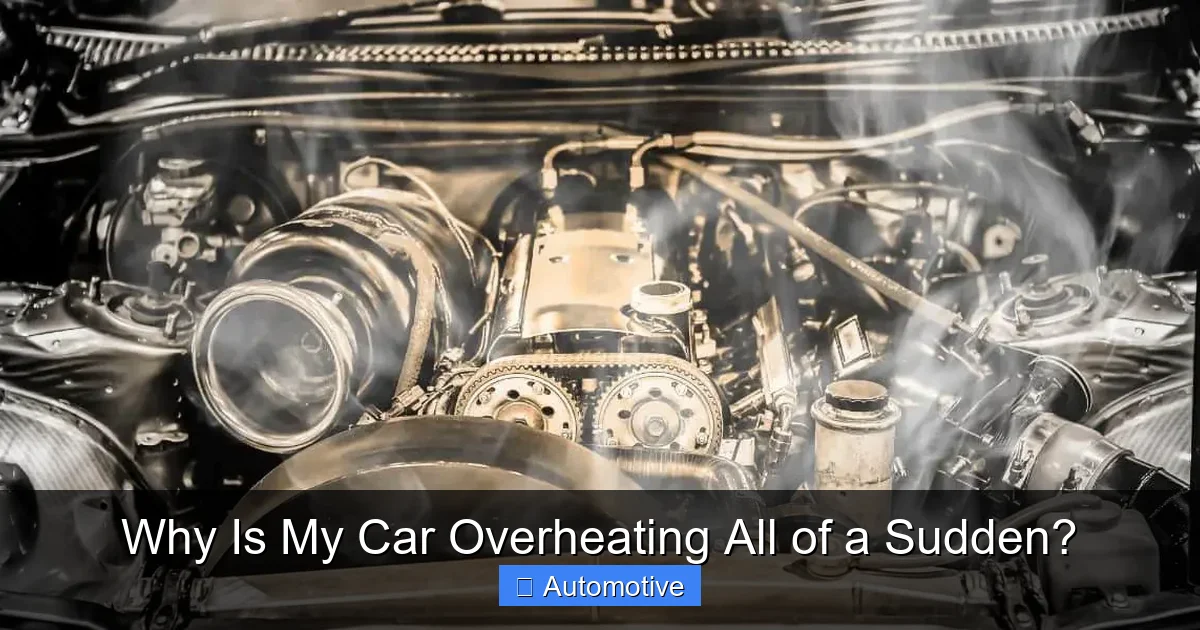
Before diving into the causes, it helps to know how your car stays cool in the first place. Your engine generates intense heat—up to 4,500°F in the combustion chamber. Without a proper cooling system, that heat would melt metal and seize the engine in minutes.
The cooling system is designed to absorb, transfer, and release that heat safely. It’s a closed loop made up of several key parts:
– The radiator: Located at the front of the car, it cools hot coolant using airflow.
– The water pump: Circulates coolant through the engine and radiator.
– The thermostat: Regulates coolant flow based on engine temperature.
– Coolant (antifreeze): A mix of water and antifreeze that absorbs heat and prevents freezing.
– Hoses and belts: Transport coolant and drive the water pump.
– Cooling fan: Helps pull air through the radiator, especially when the car is idling or moving slowly.
When all these parts work together, your engine stays at a safe operating temperature—usually around 195°F to 220°F. But if one component fails, the whole system can break down, leading to sudden overheating.
How Heat Builds Up in the Engine
Combustion creates extreme heat. The cooling system’s job is to absorb that heat and release it into the air. Coolant flows through passages in the engine block and cylinder head, soaking up heat. Then it travels to the radiator, where air passing through (either from driving or the fan) cools it down. The cooled coolant then returns to the engine to repeat the cycle.
If this cycle is interrupted—say, by a leak, a broken pump, or a clogged radiator—heat builds up faster than it can be released. That’s when the temperature gauge climbs, and your car starts to overheat.
Why Sudden Overheating Is Different
Unlike gradual overheating (which might develop over weeks), sudden overheating happens fast—sometimes in just a few minutes. This usually points to a critical failure, like a burst hose, a seized water pump, or a blown head gasket. These issues don’t give you much warning, which is why it’s so important to recognize the signs and act immediately.
Top Causes of Sudden Car Overheating
Visual guide about Why Is My Car Overheating All of a Sudden?
Image source: cdn.carpassionate.com
Now that you understand the basics, let’s explore the most common reasons your car might overheat all of a sudden. Each cause has distinct symptoms and solutions, so knowing what to look for can help you respond quickly.
1. Low Coolant Level
One of the most frequent causes of sudden overheating is low coolant. Coolant is essential for absorbing and transferring heat. If the level drops too low, there isn’t enough fluid to circulate through the engine, and heat builds up rapidly.
But why would coolant disappear so fast?
– Leaks: A cracked hose, a damaged radiator, or a faulty water pump seal can cause coolant to leak out. You might notice green, orange, or pink puddles under your car.
– Evaporation: Over time, coolant can evaporate, especially if the system isn’t sealed properly.
– Internal leaks: Coolant might be leaking into the engine oil or combustion chamber due to a blown head gasket (more on that later).
What to do: Check the coolant reservoir when the engine is cool. If it’s below the “low” mark, top it up with the correct type of coolant. But don’t stop there—find the source of the leak. A quick top-off might get you to a mechanic, but it won’t fix the problem.
2. Faulty Thermostat
The thermostat is a small but mighty component. It acts like a gatekeeper, opening and closing to control coolant flow. When the engine is cold, the thermostat stays closed, allowing the engine to warm up quickly. Once it reaches operating temperature, the thermostat opens, letting coolant flow to the radiator.
If the thermostat gets stuck closed, coolant can’t reach the radiator. The engine heats up fast, and overheating occurs—sometimes within minutes of starting the car.
Symptoms of a bad thermostat:
– Temperature gauge spikes quickly.
– Heater doesn’t work (because coolant isn’t circulating).
– Coolant reservoir bubbles or overflows.
What to do: A stuck thermostat usually needs replacement. It’s not expensive, but it should be done by a professional to avoid air pockets in the cooling system.
3. Water Pump Failure
The water pump is the heart of the cooling system. It’s driven by a belt and pushes coolant through the engine and radiator. If the pump fails, coolant stops moving, and heat builds up fast.
Common signs of water pump failure:
– Whining or grinding noise from the front of the engine.
– Coolant leaking from the pump’s weep hole.
– Overheating, especially at idle or low speeds.
Why it fails: The pump has bearings and seals that wear out over time. A broken impeller (the spinning part that moves coolant) can also cause failure.
What to do: If you suspect a bad water pump, don’t drive the car. Tow it to a mechanic. Continuing to drive can cause severe engine damage.
4. Radiator Problems
The radiator is where hot coolant releases its heat to the air. If it’s clogged, damaged, or leaking, it can’t do its job.
Common radiator issues:
– Clogs: Dirt, debris, or internal corrosion can block coolant flow.
– Leaks: Cracks or holes in the radiator allow coolant to escape.
– Damaged fins: Bent or crushed fins reduce airflow, especially in older cars or after minor collisions.
Signs of radiator trouble:
– Coolant leaks under the front of the car.
– Overheating at highway speeds (when airflow should be best).
– Visible damage or corrosion on the radiator.
What to do: A clogged radiator might be flushed, but leaks often require replacement. Don’t ignore radiator issues—they can lead to sudden overheating.
5. Cooling Fan Not Working
The cooling fan kicks in when the engine gets hot, especially when the car is idling or moving slowly. It pulls air through the radiator to help cool the coolant.
If the fan doesn’t turn on, the radiator can’t release heat effectively, and the engine overheats—even if everything else is working.
Why fans fail:
– Blown fuse or relay.
– Faulty temperature sensor.
– Bad fan motor.
– Wiring issues.
How to check: Let the car idle until it gets hot. Watch the fan—it should spin. If it doesn’t, there’s a problem.
What to do: Check fuses first—they’re cheap and easy to replace. If the fan still doesn’t work, have a mechanic diagnose the issue.
6. Blown Head Gasket
This is one of the most serious causes of sudden overheating. The head gasket seals the cylinder head to the engine block. If it fails, combustion gases can enter the cooling system, or coolant can leak into the cylinders or oil passages.
Symptoms of a blown head gasket:
– White smoke from the exhaust (steam from burning coolant).
– Milky oil (coolant mixing with oil).
– Bubbles in the coolant reservoir.
– Overheating that happens quickly and repeatedly.
Why it happens: Overheating can cause the head gasket to fail, but it can also fail due to age, poor installation, or engine stress.
What to do: A blown head gasket is expensive to fix and requires engine disassembly. If you suspect this issue, stop driving immediately and get professional help.
Warning Signs Your Car Is Overheating
Visual guide about Why Is My Car Overheating All of a Sudden?
Image source: feldmanwoodhaven.com
Knowing the causes is one thing, but recognizing the signs early can prevent disaster. Here’s what to watch for:
Dashboard Warning Lights
Most modern cars have a temperature warning light—a red thermometer or “HOT” symbol. If it comes on, pull over safely and turn off the engine.
Steam or Smoke from the Hood
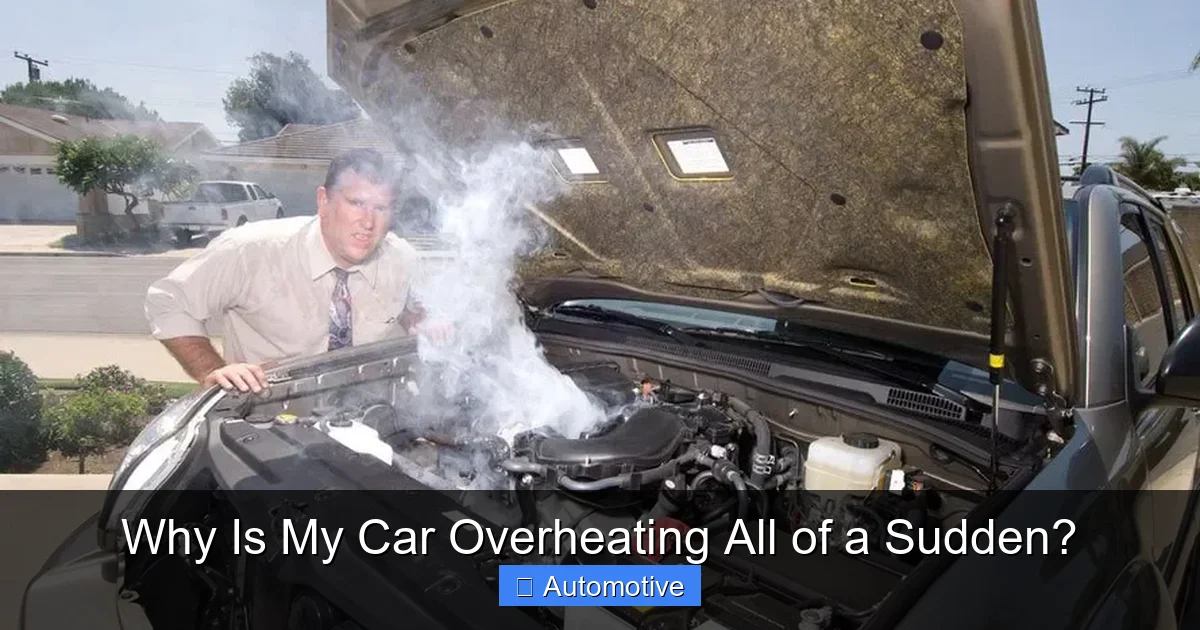
Steam (not smoke) coming from under the hood is a clear sign of overheating. It’s usually coolant boiling over.
Sweet Smell
Coolant has a sweet, syrupy smell. If you notice it inside the car or near the engine, you might have a leak.
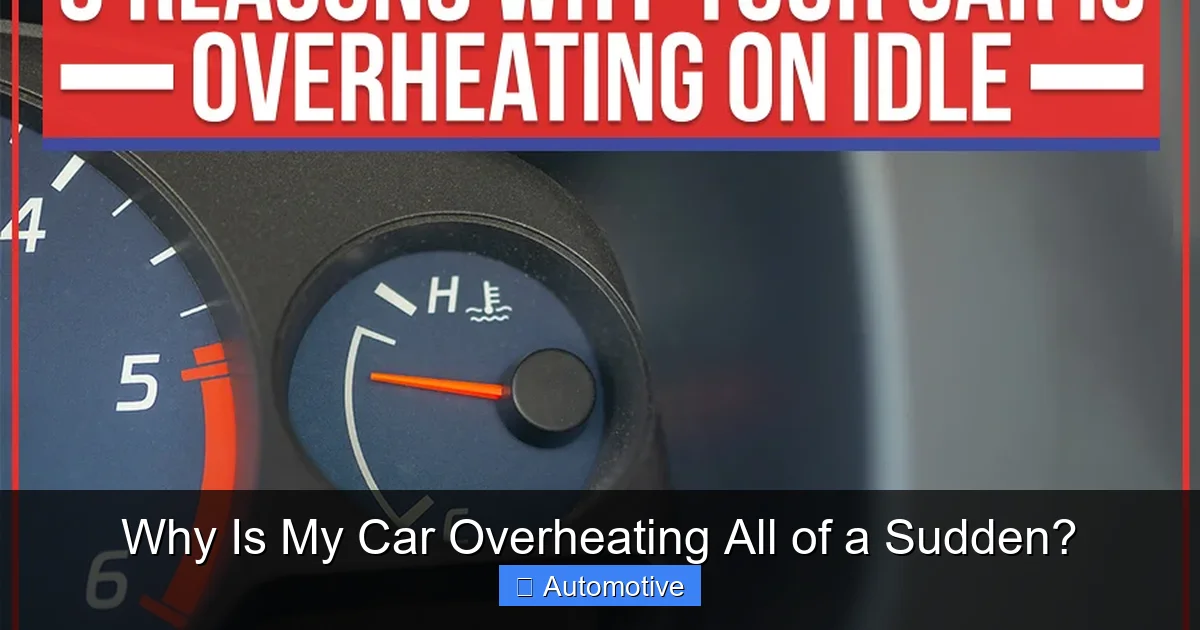
High Temperature Gauge
If the needle moves into the red zone, your engine is too hot. Don’t ignore it.
Loss of Power or Strange Noises
An overheating engine may run rough, lose power, or make knocking sounds. This is a sign of internal stress.
Heater Not Working
If the heater blows cold air even when the engine is warm, it could mean coolant isn’t circulating—possibly due to a stuck thermostat or low coolant.
What to Do If Your Car Overheats
If your car starts overheating, don’t panic. Follow these steps to stay safe and minimize damage:
1. Pull Over Safely
As soon as you notice the temperature rising, find a safe place to pull over. Turn off the engine to prevent further damage.
2. Let the Engine Cool
Never open the radiator cap when the engine is hot. The system is under pressure, and hot coolant can spray out, causing burns. Wait at least 30 minutes.
3. Check Coolant Level
Once the engine is cool, check the coolant reservoir. If it’s low, add coolant or water (in an emergency). But don’t overfill.
4. Look for Leaks
Inspect hoses, the radiator, and the water pump for signs of leaks. Look for wet spots, stains, or puddles.
5. Turn on the Heater
Before restarting the engine, turn the heater to full blast. This helps draw heat away from the engine and can prevent overheating when you drive.
6. Drive Carefully to a Mechanic
If you must drive, go slowly and watch the temperature gauge. If it starts to rise again, pull over and call for help.
7. Call a Tow Truck if Needed
If you suspect a serious issue like a blown head gasket or water pump failure, don’t risk driving. Tow the car to a repair shop.
Preventing Sudden Overheating
The best way to deal with overheating is to stop it before it starts. Regular maintenance can catch problems early and keep your cooling system in top shape.
Check Coolant Regularly
Look at the coolant reservoir every few weeks. Top it off if needed, and check for discoloration or debris.
Inspect Hoses and Belts
Look for cracks, bulges, or leaks in coolant hoses. Check the serpentine belt for wear—it drives the water pump.
Flush the Cooling System
Every 30,000 to 50,000 miles, have the coolant flushed and replaced. Old coolant loses its protective properties and can cause corrosion.
Test the Thermostat
If your car takes too long to warm up or overheats quickly, the thermostat might be faulty. Have it tested during routine service.
Clean the Radiator
Keep the radiator fins clean and straight. Use a soft brush or compressed air to remove dirt and bugs.
Monitor the Temperature Gauge
Get in the habit of glancing at the gauge, especially in hot weather or heavy traffic.
When to See a Mechanic
Some overheating issues are easy to fix—like topping off coolant or replacing a fuse. But others require professional help. See a mechanic if:
– You see steam or smell coolant.
– The temperature light comes on repeatedly.
– You notice oil in the coolant or coolant in the oil.
– The engine makes unusual noises.
– You’ve already tried basic fixes and the problem persists.
Ignoring overheating can lead to costly repairs or even engine replacement. A quick diagnosis can save you thousands.
Conclusion
If your car is overheating all of a sudden, it’s a serious warning that something in your cooling system has failed. Whether it’s a simple coolant leak or a major issue like a blown head gasket, acting quickly can prevent catastrophic engine damage.
By understanding how your cooling system works and knowing the common causes of sudden overheating, you’re better equipped to respond calmly and effectively. Regular maintenance, vigilant checks, and prompt repairs are your best defenses against this frustrating and potentially dangerous problem.
Remember: when it comes to overheating, time is not on your side. Pull over, let the engine cool, and get professional help when needed. Your car—and your wallet—will thank you.
Frequently Asked Questions
Why is my car overheating when the coolant is full?
Even with a full coolant reservoir, your car can overheat if the thermostat is stuck closed, the water pump isn’t working, or the radiator is clogged. Air pockets in the system can also prevent proper coolant flow.
Can low oil cause overheating?
Yes, low oil reduces engine lubrication, increasing friction and heat. While it’s not a direct cause, it can contribute to overheating, especially under heavy load or high speeds.
Is it safe to drive with the temperature light on?
No. Driving with the temperature light on can cause severe engine damage. Pull over immediately, turn off the engine, and let it cool before checking coolant levels or calling for help.
How long can you drive with an overheating engine?
You shouldn’t drive at all once the engine is overheating. Even a few minutes can warp engine components. Turn off the engine and wait for it to cool before assessing the issue.
Can a bad radiator cap cause overheating?
Yes. The radiator cap maintains pressure in the cooling system. If it’s faulty, coolant can boil at a lower temperature, leading to overheating and coolant loss.
Why does my car overheat at idle but not while driving?
This often points to a cooling fan issue. At idle, airflow through the radiator relies on the fan. If the fan isn’t working, the engine overheats when stopped but cools down when moving.
