
Why Suzuki Remains a Budget Option

Despite global shifts toward premium and electric vehicles, Suzuki continues to dominate the budget car market by offering affordable, dependable, and fuel-efficient models. With a focus on practicality, low running costs, and no-frills engineering, Suzuki remains the go-to choice for cost-conscious drivers worldwide.
Key Takeaways
- Affordable Pricing: Suzuki vehicles are consistently priced lower than competitors, making them accessible to a wide range of buyers.
- Fuel Efficiency: Most Suzuki models boast excellent fuel economy, reducing long-term ownership costs.
- Low Maintenance Costs: Simple engineering and widespread availability of parts keep repair and service expenses minimal.
- Compact and Practical Design: Ideal for city driving, Suzuki cars offer easy maneuverability and efficient use of space.
- Strong Global Presence in Emerging Markets: Suzuki thrives in regions where affordability and reliability are top priorities.
- Limited Luxury Features: The brand intentionally avoids high-end tech and materials to keep prices down.
- Resale Value Stability: Budget models like the Swift and Alto retain value well due to consistent demand.
📑 Table of Contents
- Why Suzuki Remains a Budget Option
- Affordable Pricing: The Foundation of Suzuki’s Identity
- Fuel Efficiency: Saving Money at the Pump
- Low Maintenance and Repair Costs
- Compact and Practical Design for Everyday Life
- Limited Luxury Features: A Deliberate Choice
- Strong Resale Value and Global Demand
- Conclusion: The Enduring Appeal of Suzuki
Why Suzuki Remains a Budget Option
When it comes to buying a new car, most people face a familiar dilemma: do you splurge on a flashy, feature-packed vehicle, or do you play it safe with something affordable and practical? For millions of drivers around the world, the answer is clear—Suzuki. Despite the automotive industry’s growing obsession with luxury SUVs, electric powertrains, and cutting-edge infotainment systems, Suzuki has stayed true to its roots. The Japanese automaker continues to deliver reliable, no-nonsense vehicles that prioritize value over extravagance. And that’s exactly why Suzuki remains a budget option—not just in name, but in spirit.
Suzuki’s philosophy is refreshingly simple: build cars that work, last long, and don’t break the bank. While other brands chase high margins with premium trims and optional packages, Suzuki focuses on the essentials. This approach resonates deeply with first-time car buyers, students, commuters, and families on a tight budget. Whether you’re navigating crowded city streets in a Suzuki Swift or hauling groceries in an Ignis, the experience is straightforward and stress-free. There’s no learning curve with overly complex systems, no surprise repair bills, and no guilt over overspending. It’s automotive minimalism at its finest.
But being a budget brand doesn’t mean Suzuki cuts corners. In fact, the company has built a reputation for durability and efficiency that rivals even some mid-tier competitors. From its compact hatchbacks to its rugged Jimny off-roader, every Suzuki model is engineered with cost-conscious drivers in mind. The brand’s global success—especially in markets like India, Southeast Asia, and Eastern Europe—proves that affordability, when paired with reliability, is a winning formula. So, what exactly keeps Suzuki in the budget lane? Let’s dive into the key reasons behind its enduring appeal.
Affordable Pricing: The Foundation of Suzuki’s Identity

Visual guide about Why Suzuki Remains a Budget Option
Image source: timesbull.com
At the heart of Suzuki’s identity is its commitment to affordability. From the moment you step into a dealership, the price tags tell the story. Whether you’re eyeing the compact Alto, the versatile Swift, or the adventurous Jimny, Suzuki vehicles are consistently priced below comparable models from brands like Hyundai, Toyota, or Volkswagen. This isn’t a marketing gimmick—it’s a core part of the brand’s strategy.
Take the Suzuki Swift, for example. In many markets, it starts at under $18,000, making it one of the most affordable new cars in its class. Compare that to the Honda Fit or the Toyota Yaris, which often start at $20,000 or more, and the difference is clear. Suzuki achieves this by streamlining production, using proven platforms, and avoiding unnecessary complexity. The company doesn’t spend millions on flashy advertising campaigns or celebrity endorsements. Instead, it reinvests in efficient manufacturing and passes the savings directly to consumers.
But affordability isn’t just about the sticker price. Suzuki also keeps financing options accessible. Many dealerships offer low down payments, extended loan terms, and competitive interest rates. This makes it easier for young professionals, students, or families to get behind the wheel without taking on excessive debt. In emerging markets like India, where the Suzuki Maruti 800 once became a cultural icon, the brand’s low entry price opened car ownership to an entire generation.
Of course, some critics argue that low prices mean lower quality. But Suzuki has consistently proven otherwise. The brand maintains strict quality control standards at its factories, and many of its models undergo rigorous testing in extreme conditions. The result? Vehicles that are not only cheap to buy but also built to last. In fact, Suzuki consistently ranks high in reliability surveys, often outperforming more expensive competitors.
How Suzuki Keeps Prices Low Without Sacrificing Quality
So, how does Suzuki manage to offer such low prices while maintaining decent build quality? The answer lies in smart engineering and economies of scale. Suzuki focuses on a limited lineup of high-volume models, which allows it to produce parts in bulk and reduce per-unit costs. The Swift, for instance, shares many components with the Baleno and the Ignis, creating a modular platform that simplifies production.
Additionally, Suzuki avoids over-engineering. Instead of cramming every model with the latest tech, the brand sticks to proven, reliable systems. For example, many Suzuki vehicles still use naturally aspirated engines instead of turbocharged ones, which are more complex and expensive to maintain. While this might mean slightly lower performance, it translates to better fuel efficiency and fewer mechanical issues down the road.
Another cost-saving measure is the use of lightweight materials. Suzuki designs its cars to be as light as possible without compromising safety. This not only improves fuel economy but also reduces wear and tear on components like brakes and suspension. The result is a vehicle that’s cheaper to build, cheaper to run, and easier to repair.
Fuel Efficiency: Saving Money at the Pump
Visual guide about Why Suzuki Remains a Budget Option
Image source: timesbull.com
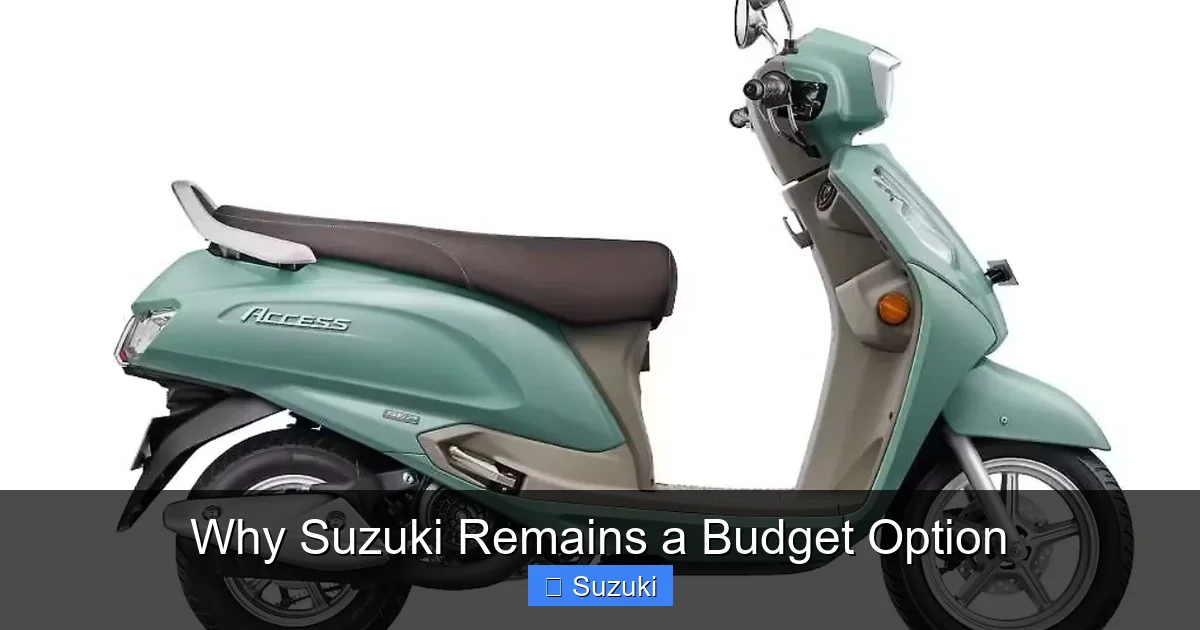
One of the biggest ongoing costs of car ownership is fuel. And here, Suzuki shines. Nearly every model in the lineup is designed with fuel efficiency in mind, making them ideal for daily commuters and long-distance drivers alike. Whether you’re driving a city-sized Alto or a slightly larger Swift, you can expect impressive mileage that keeps your wallet happy.
The Suzuki Swift, for example, delivers an average of 40–45 miles per gallon (mpg) on the highway, depending on the engine and transmission. That’s better than many hybrids from just a decade ago. The secret? Lightweight construction, aerodynamic design, and efficient engine tuning. Suzuki’s 1.2-liter Dualjet engine, used in several models, is a masterclass in fuel-saving engineering. It uses advanced fuel injection technology to maximize combustion efficiency, reducing waste and boosting mileage.
But fuel efficiency isn’t just about the engine. Suzuki also optimizes other systems to reduce drag and energy loss. Features like idle-stop technology—which automatically shuts off the engine when the car is stationary—help save fuel in traffic. Meanwhile, low-rolling-resistance tires reduce friction with the road, further improving economy.
For drivers in countries with high fuel prices—like the UK, Germany, or India—this efficiency is a game-changer. A Suzuki owner might spend hundreds less per year on gas compared to someone driving a larger SUV or a less efficient hatchback. Over the lifespan of the vehicle, those savings add up significantly.
Real-World Fuel Economy: What Drivers Are Saying
Don’t just take Suzuki’s word for it. Real-world reviews from owners consistently praise the brand’s fuel economy. On forums like Reddit and automotive review sites, drivers report achieving 40+ mpg in mixed driving conditions with the Swift and Baleno. Even the Jimny, a rugged off-roader, manages around 30 mpg—remarkable for a vehicle of its size and capability.
One owner in the Philippines shared that his Suzuki Celerio averages 22 km/l (about 52 mpg) on highway trips, thanks to its lightweight body and efficient 1.0-liter engine. Another driver in the UK noted that her Swift costs less than £30 to fill up, allowing her to drive over 400 miles on a single tank.
These testimonials highlight a key advantage of Suzuki: real-world usability. While some brands boast impressive lab-tested fuel economy figures, Suzuki delivers consistent results in everyday driving. That reliability is what keeps budget-conscious buyers coming back.
Low Maintenance and Repair Costs
Visual guide about Why Suzuki Remains a Budget Option
Image source: timesbull.com
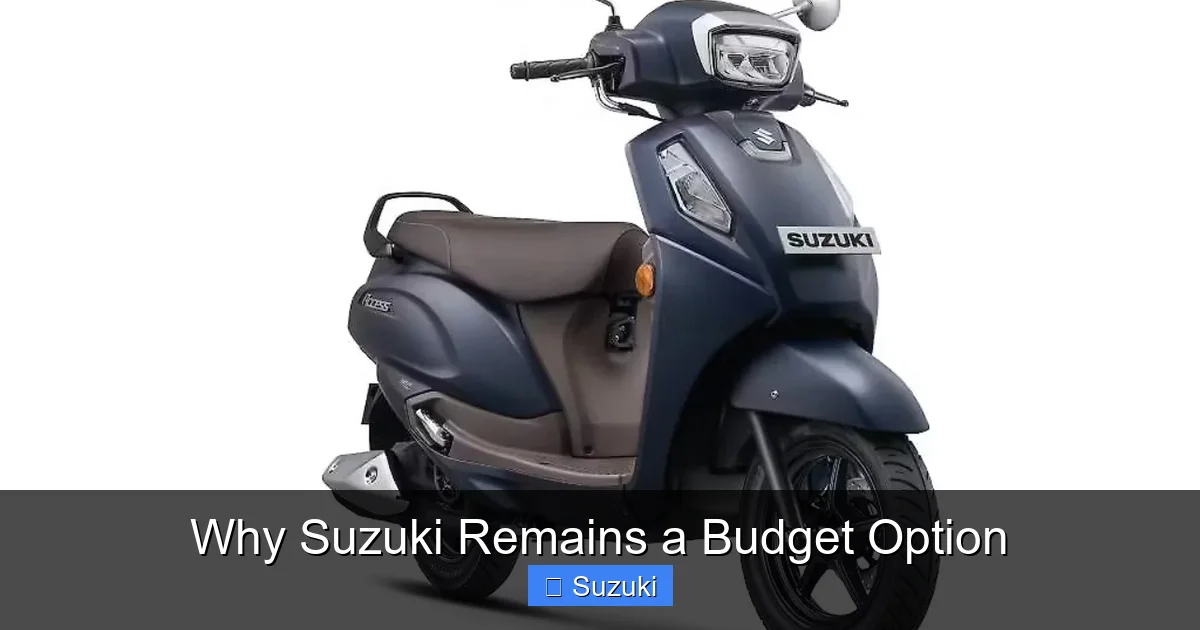
Owning a car isn’t just about the purchase price and fuel—it’s also about what happens when something goes wrong. And here, Suzuki again proves its value. The brand is known for low maintenance costs, thanks to simple mechanical systems, widespread availability of parts, and a strong network of service centers.
Unlike luxury brands that require specialized tools and certified technicians, Suzuki vehicles can often be serviced at independent garages. This means lower labor costs and more competitive pricing for repairs. Common issues—like brake pad replacements or oil changes—are straightforward and inexpensive. Even major components like transmissions and engines are designed for durability and ease of repair.
Suzuki also benefits from a global supply chain. Parts for popular models like the Swift and Alto are manufactured in multiple countries and distributed widely. This reduces shipping times and keeps inventory costs down. In countries like India, where Suzuki dominates the market, you can find spare parts in nearly every town, often at bargain prices.
Another factor is the brand’s focus on proven technology. Suzuki avoids experimental systems that might fail or require costly updates. For example, while some automakers are rushing to adopt complex hybrid or electric powertrains, Suzuki has taken a more cautious approach. Its mild-hybrid system in the Swift, for instance, is simple, reliable, and adds minimal cost.
Tips for Keeping Suzuki Maintenance Costs Low
To get the most out of your Suzuki’s low maintenance profile, follow these practical tips:
- Stick to the service schedule: Regular oil changes, filter replacements, and inspections prevent small issues from becoming big problems.
- Use genuine or high-quality aftermarket parts: While cheap knockoffs might save money upfront, they can cause damage and void warranties.
- Learn basic maintenance: Tasks like checking tire pressure, topping off fluids, and replacing wiper blades can be done at home.
- Choose independent mechanics: In many areas, local garages offer Suzuki expertise at lower rates than dealerships.
- Keep records: A detailed service history can increase resale value and help diagnose issues faster.
By following these steps, Suzuki owners can enjoy years of trouble-free driving without breaking the bank.
Compact and Practical Design for Everyday Life
One of Suzuki’s greatest strengths is its focus on practicality. The brand’s vehicles are designed for real-world use—whether that’s navigating tight city streets, parking in crowded lots, or hauling everyday cargo. This no-frills approach appeals to drivers who value function over form.
Take the Suzuki Ignis, for example. It’s a compact crossover that looks quirky but serves a purpose. With a high seating position, generous headroom, and a surprisingly spacious interior, it’s perfect for urban families. The rear seats fold flat, creating a large cargo area for strollers, groceries, or weekend gear. Despite its small footprint, the Ignis feels roomy inside—a testament to Suzuki’s smart packaging.
Similarly, the Swift’s hatchback design makes it ideal for city driving. It’s easy to park, nimble in traffic, and fuel-efficient on long commutes. The Jimny, while more rugged, is still compact enough to handle narrow trails and tight corners. Its boxy shape isn’t just for style—it maximizes interior space and improves visibility.
Suzuki also pays attention to small details that enhance usability. Features like wide-opening doors, low load floors, and intuitive controls make daily tasks easier. There’s no need to fiddle with complex touchscreens or voice commands. Everything is where you expect it to be.
Why Size Matters in a Budget Car
In the world of budget cars, size is a strategic advantage. Smaller vehicles cost less to build, less to fuel, and less to maintain. They’re also easier to insure and park. For drivers in densely populated areas, a compact car like the Suzuki Alto or Celerio can be a lifesaver.
Moreover, smaller cars often have lower emissions, making them eligible for tax breaks or congestion charge exemptions in some cities. In London, for example, ultra-low emission vehicles (ULEVs) get discounts on the Congestion Charge. While Suzuki doesn’t offer full EVs yet, its efficient petrol models still qualify for reduced rates in many zones.
For budget buyers, this combination of practicality and cost savings is hard to beat. You get a car that’s easy to live with, cheap to run, and built to last—without sacrificing essential features.
Limited Luxury Features: A Deliberate Choice
Let’s be honest: Suzuki cars aren’t going to win any awards for luxury. You won’t find massaging seats, panoramic sunroofs, or 12-inch touchscreens in a Swift. But that’s not the point. Suzuki deliberately avoids high-end features to keep prices low and reliability high.
This minimalist approach is a breath of fresh air in an industry obsessed with tech overload. While some drivers enjoy the latest gadgets, others find them distracting, expensive, and prone to failure. Suzuki caters to the latter group—people who want a car that starts, drives, and stops without drama.
That said, Suzuki does offer modern essentials. Most models come with Bluetooth connectivity, USB ports, air conditioning, and basic infotainment systems. Higher trims may include rearview cameras, alloy wheels, and automatic climate control. But these features are added sparingly, ensuring they don’t inflate the price.
In fact, Suzuki’s restraint is one of its strengths. By avoiding unnecessary complexity, the brand reduces the risk of electronic failures and software glitches. A Suzuki owner is less likely to face a $1,000 repair bill for a faulty infotainment system—a common issue with more tech-heavy vehicles.
What You Get (and What You Don’t)
So, what can you expect from a typical Suzuki? Here’s a quick breakdown:
- Standard features: Air conditioning, power windows, Bluetooth, basic audio system, manual or automatic transmission.
- Optional upgrades: Alloy wheels, rearview camera, touchscreen display, keyless entry.
- What’s missing: Adaptive cruise control, lane-keeping assist, premium sound systems, leather interiors.
For many buyers, this is exactly what they want: a car that does the basics well, without the fluff.
Strong Resale Value and Global Demand
Another reason Suzuki remains a budget option is its strong resale value. Despite being affordable to buy, Suzuki vehicles hold their value well over time. This is due to consistent demand, especially in emerging markets where reliability and low running costs are paramount.
In countries like India, Pakistan, and Bangladesh, Suzuki models dominate the used car market. The Maruti Suzuki Swift, for example, is one of the most sought-after used cars, often selling for 60–70% of its original price after three years. This resilience is a testament to the brand’s durability and reputation.
Even in developed markets, Suzuki maintains steady resale values. The Jimny, in particular, has become a cult classic, with used models often selling above their original MSRP due to high demand and limited supply.
For budget buyers, this means peace of mind. You’re not just getting a cheap car—you’re getting a smart investment that won’t depreciate rapidly.
Conclusion: The Enduring Appeal of Suzuki
In a world where cars are becoming increasingly complex and expensive, Suzuki stands out by doing less—and doing it well. The brand’s commitment to affordability, fuel efficiency, low maintenance, and practical design has made it a favorite among budget-conscious drivers for decades. While it may not offer the latest tech or luxury finishes, it delivers something more valuable: reliability, simplicity, and real-world value.
Whether you’re a student buying your first car, a family looking for a reliable commuter, or an adventurer seeking a rugged yet affordable off-roader, Suzuki has a model that fits your needs. And with a global network of dealers, service centers, and spare parts, owning a Suzuki is as convenient as it is cost-effective.
So, why does Suzuki remain a budget option? Because it chooses to. In an industry obsessed with innovation and luxury, Suzuki has stayed true to its mission: to make car ownership accessible to everyone. And for millions of drivers around the world, that’s exactly what they want.
Frequently Asked Questions
Is Suzuki a reliable brand?
Yes, Suzuki is known for building reliable, durable vehicles. The brand consistently ranks high in reliability surveys and offers long-lasting engines and simple mechanical systems that require minimal maintenance.
Are Suzuki cars safe?
Suzuki vehicles meet global safety standards and often come equipped with essential safety features like airbags, ABS, and electronic stability control. While they may lack some advanced driver-assist systems, their lightweight design and responsive handling contribute to overall safety.
Do Suzuki cars have good fuel economy?
Absolutely. Most Suzuki models, such as the Swift and Alto, deliver excellent fuel efficiency, often exceeding 40 mpg on the highway. This makes them ideal for daily commuting and long-distance driving.
Can I find Suzuki parts easily?
Yes, Suzuki has a strong global presence, and parts for popular models are widely available in most countries. This ensures quick repairs and competitive pricing for maintenance.
Are Suzuki cars expensive to insure?
Generally, no. Due to their low purchase price, compact size, and good safety ratings, Suzuki vehicles often qualify for lower insurance premiums, especially for young or new drivers.
Does Suzuki offer hybrid or electric models?
Suzuki offers mild-hybrid versions of some models, like the Swift, but does not currently sell full electric vehicles in most markets. The brand is focusing on efficient petrol engines and gradual electrification.
