
Can a Dirty Air Filter Cause a Car to Overheat?

A dirty air filter can indirectly contribute to engine overheating by disrupting the air-fuel mixture, reducing engine efficiency, and increasing combustion temperatures. While it’s not the most common cause, neglecting air filter maintenance can strain your engine and cooling system over time.
Key Takeaways
- Reduced airflow affects combustion: A clogged air filter restricts airflow into the engine, leading to a rich fuel mixture that can increase engine temperatures.
- Overheating is usually indirect: While a dirty air filter rarely causes overheating on its own, it can worsen issues in engines already under stress.
- Engine efficiency drops: Poor airflow reduces horsepower and fuel economy, forcing the engine to work harder and generate more heat.
- Check other cooling components: Always inspect the radiator, coolant levels, thermostat, and water pump when diagnosing overheating.
- Regular maintenance prevents issues: Replacing your air filter every 12,000 to 15,000 miles helps maintain optimal engine performance and temperature.
- Watch for warning signs: Reduced acceleration, unusual engine sounds, or the check engine light may indicate a dirty air filter or related problems.
- Extreme conditions require more frequent changes: If you drive in dusty or polluted environments, inspect and replace your air filter more often.
📑 Table of Contents
Can a Dirty Air Filter Cause a Car to Overheat?
When your car starts running hot, your first instinct might be to check the coolant level, inspect the radiator, or look for leaks. But what if the culprit isn’t in the cooling system at all? Surprisingly, something as simple as a dirty air filter could be playing a role in your engine’s rising temperature. While it’s not the most direct cause of overheating, a clogged air filter can contribute to conditions that make your engine run hotter than normal.
Most drivers understand that air filters keep dirt and debris out of the engine. But fewer realize how vital clean airflow is to the combustion process. Your engine needs a precise balance of air and fuel to run efficiently. When the air filter is clogged, that balance is disrupted. The engine compensates by injecting more fuel, creating a “rich” mixture. This not only wastes fuel but can also lead to higher combustion temperatures and increased strain on engine components. Over time, this added stress can push your engine closer to overheating—especially if other cooling systems are already compromised.
So, while a dirty air filter won’t typically cause your car to overheat on its own, it can be the straw that breaks the camel’s back. Think of it like running a marathon with a stuffy nose. You can still finish, but you’ll be working much harder and getting hotter in the process. Understanding this connection is key to preventing avoidable engine damage and keeping your car running smoothly.
How Air Filters Work and Why They Matter
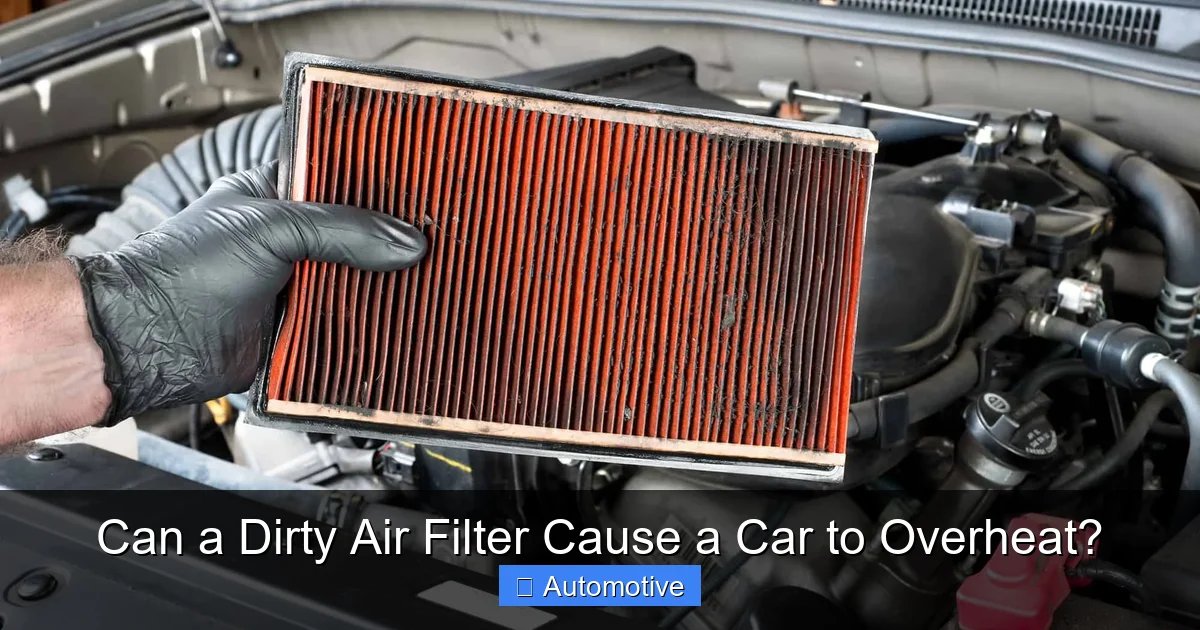
Visual guide about Can a Dirty Air Filter Cause a Car to Overheat?
Image source: themotorguy.com
To understand how a dirty air filter might contribute to overheating, it helps to know what the air filter actually does. The air filter is a simple but essential component located in the engine’s air intake system. Its job is to trap dust, dirt, pollen, and other airborne particles before they enter the engine. Without it, these contaminants could damage internal components like pistons, cylinders, and valves.
Clean air is crucial for efficient combustion. Your engine operates on a carefully calibrated mix of air and fuel—typically around 14.7 parts air to 1 part fuel in a gasoline engine, known as the stoichiometric ratio. This balance ensures complete combustion, maximum power, and minimal emissions. When the air filter becomes clogged with dirt and debris, it restricts the amount of air that can flow into the engine.
As airflow decreases, the engine’s computer (or carburetor in older vehicles) detects the imbalance and compensates by injecting more fuel. This creates a rich fuel mixture—more fuel than air. While this might sound like it would cool things down (since fuel evaporation has a cooling effect), the reality is more complex. A rich mixture burns hotter and less efficiently. It can lead to incomplete combustion, carbon buildup, and increased exhaust gas temperatures.
Moreover, a rich mixture puts extra strain on the engine. It reduces power output, increases fuel consumption, and forces the engine to work harder to maintain speed. All of this generates additional heat. In extreme cases, especially in hot weather or during heavy driving, this extra heat can overwhelm the cooling system’s ability to keep the engine at a safe operating temperature.
The Role of Airflow in Engine Cooling
You might be wondering: if the air filter is inside the engine bay, how does it affect temperature? The answer lies in the indirect but powerful role airflow plays in engine performance. While the cooling system (radiator, coolant, water pump, etc.) is responsible for actively managing engine temperature, the engine’s ability to generate power efficiently also impacts how much heat is produced.
When airflow is restricted, the engine becomes less efficient. It has to burn more fuel to produce the same amount of power. This inefficiency translates directly into wasted energy—most of which is released as heat. Over time, this can cause the engine to run hotter than normal, especially under load.
For example, imagine driving up a steep hill on a hot day. Your engine is already working hard. If the air filter is clogged, the engine can’t get enough air to maintain optimal combustion. It burns more fuel, generates more heat, and struggles to maintain speed. The cooling system has to work overtime to dissipate this extra heat. If the radiator is dirty, the coolant is low, or the fan isn’t working properly, the engine may overheat.
In this way, a dirty air filter acts like a bottleneck. It doesn’t directly cause overheating, but it increases the engine’s thermal load, making it more vulnerable to temperature spikes when other systems are stressed.
Signs Your Air Filter Might Be Affecting Engine Temperature
So how can you tell if your air filter is contributing to overheating? While there’s no single symptom that screams “dirty air filter,” there are several warning signs to watch for:
– Reduced acceleration or sluggish performance: If your car feels sluggish or takes longer to speed up, it could be due to restricted airflow.
– Increased fuel consumption: A rich fuel mixture burns more gas. If you’re filling up more often without changing your driving habits, check the air filter.
– Rough idling or engine misfires: Incomplete combustion from a rich mixture can cause the engine to run unevenly.
– Black smoke from the exhaust: This is a classic sign of a rich fuel mixture—too much fuel, not enough air.
– Check engine light: Modern vehicles have sensors that monitor air intake and fuel mixture. A clogged air filter can trigger error codes like P0171 (system too lean) or P0172 (system too rich), depending on how the engine compensates.
If you notice any of these symptoms—especially in combination with rising engine temperatures—it’s worth inspecting the air filter. It’s a quick and inexpensive fix that could prevent more serious problems down the road.
The Connection Between Air Filters and Engine Overheating
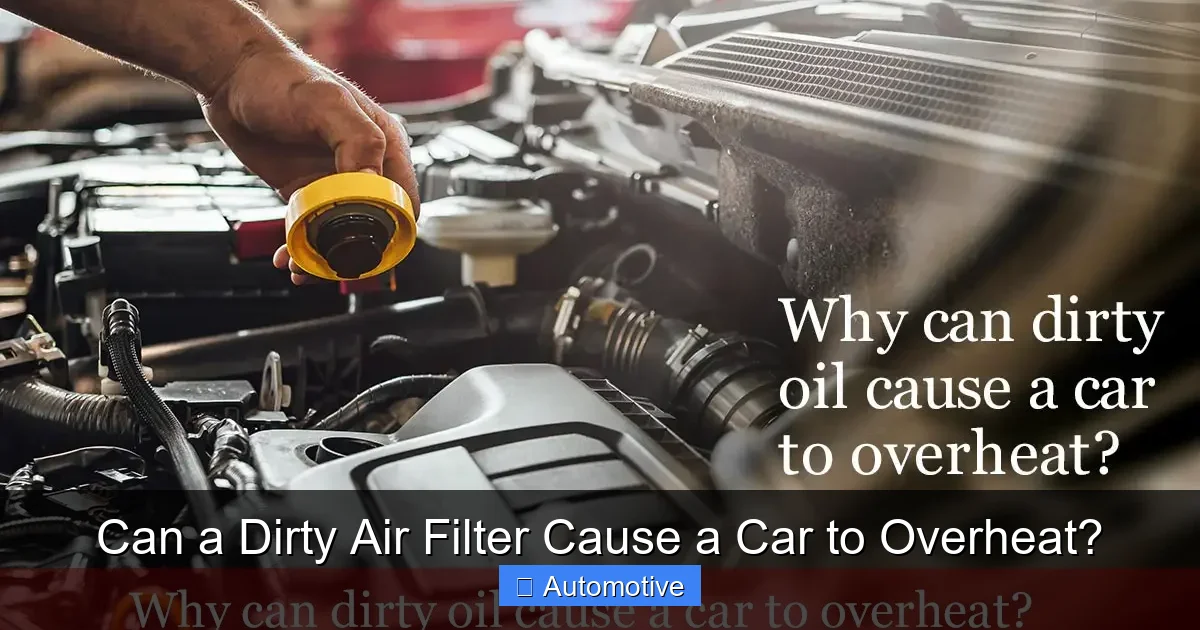
Visual guide about Can a Dirty Air Filter Cause a Car to Overheat?
Image source: motorsnitch.com
Now let’s address the big question: can a dirty air filter actually cause a car to overheat? The short answer is: not directly, but it can contribute under certain conditions.
Overheating is typically caused by failures in the cooling system—low coolant, a faulty thermostat, a broken water pump, a clogged radiator, or a malfunctioning cooling fan. These are the primary culprits. However, a dirty air filter can create conditions that make overheating more likely, especially in marginal situations.
For instance, if your radiator is partially clogged with debris, your coolant is slightly low, and your air filter is dirty, the combined effect can push your engine over the edge. The restricted airflow increases combustion temperatures, while the compromised cooling system struggles to remove that heat. The result? An overheating engine.
Think of it like a chain of events. Each weak link increases the risk. A dirty air filter might not break the chain on its own, but it adds stress that can lead to failure when other components are already underperforming.
How a Rich Fuel Mixture Increases Engine Heat
To understand why a dirty air filter can lead to higher engine temperatures, it’s important to know how fuel mixture affects combustion. In a properly tuned engine, the air-fuel mixture is balanced for complete combustion. This means all the fuel burns efficiently, releasing energy in the form of power and heat.
When the air filter is clogged, less air enters the engine. The engine control unit (ECU) detects this and increases fuel delivery to maintain power. This creates a rich mixture—more fuel than the available air can burn completely.
A rich mixture has several consequences:
– Incomplete combustion: Some fuel doesn’t burn fully, leaving behind carbon deposits and unburned hydrocarbons.
– Higher exhaust gas temperatures: Rich mixtures burn hotter, increasing the temperature of exhaust gases.
– Increased engine load: The engine works harder to overcome the inefficiency, generating more internal heat.
All of this extra heat has to go somewhere. Some is dissipated through the exhaust, but much of it remains in the engine block and cylinder heads. If the cooling system can’t keep up, temperatures rise—potentially to dangerous levels.
Real-World Examples of Air Filter-Related Overheating
Let’s look at a few real-world scenarios where a dirty air filter played a role in engine overheating:
Example 1: City Driving in Hot Weather
Sarah drives a 2012 sedan in a dusty urban area. She hasn’t replaced her air filter in over two years. During a summer heatwave, she notices her temperature gauge creeping into the red while stuck in traffic. Her radiator fan is working, and coolant levels are fine. After replacing the air filter, her engine runs cooler, and the overheating stops. The clogged filter had been causing a rich mixture, increasing combustion heat during stop-and-go driving.
Example 2: Towing with a Neglected Filter
Mike uses his pickup truck to tow a trailer up mountain roads. He hasn’t checked his air filter in 18 months. Halfway up the hill, his engine starts to overheat. A mechanic finds the air filter completely clogged with dirt and leaves. The restricted airflow forced the engine to burn more fuel, generating excessive heat under load. Replacing the filter and flushing the cooling system resolved the issue.
These examples show that while a dirty air filter isn’t the sole cause, it can be a critical contributing factor—especially when combined with other stressors like high ambient temperatures, heavy loads, or aging cooling components.
Other Causes of Engine Overheating to Consider
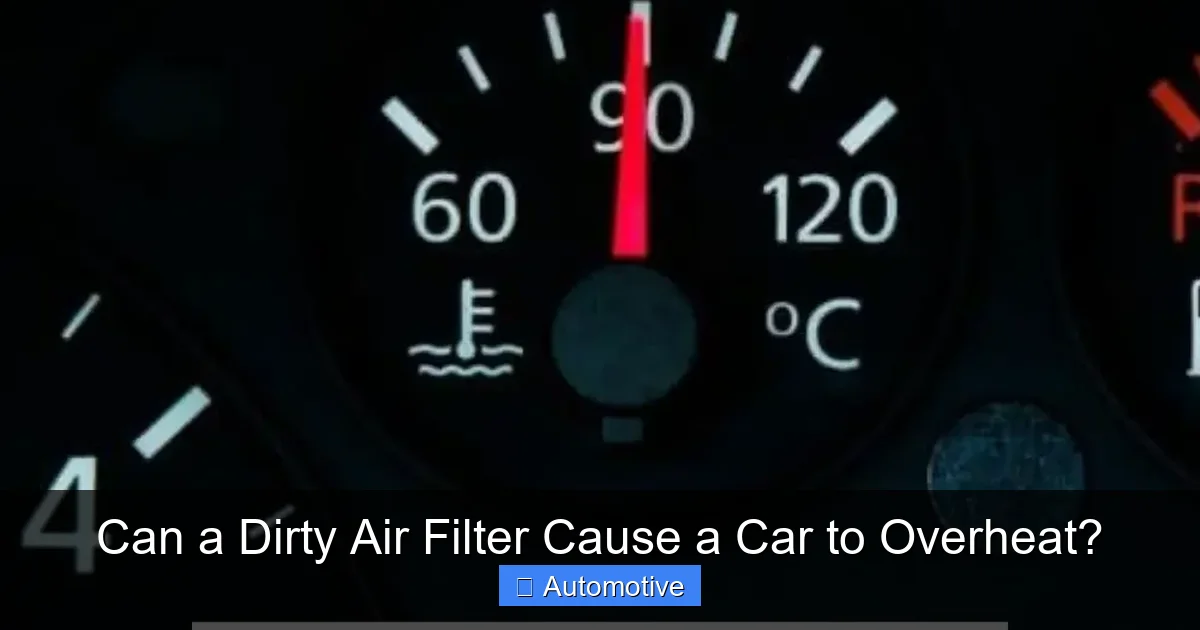
Visual guide about Can a Dirty Air Filter Cause a Car to Overheat?
Image source: smartacsolutions.com
Before blaming the air filter, it’s important to rule out the more common causes of engine overheating. A dirty air filter should be part of a broader diagnostic process, not the first—and only—suspect.
Cooling System Failures
The cooling system is designed to regulate engine temperature. Key components include:
– Radiator: Dissipates heat from the coolant. A clogged or leaking radiator can’t cool effectively.
– Coolant: Low levels or old, degraded coolant reduce heat transfer.
– Water pump: Circulates coolant. A failing pump can cause coolant stagnation and overheating.
– Thermostat: Regulates coolant flow. A stuck-closed thermostat prevents coolant from circulating.
– Cooling fan: Helps pull air through the radiator. A broken fan won’t cool the engine at low speeds.
If any of these components fail, the engine will overheat regardless of the air filter’s condition.
External Factors
Other factors can also contribute to overheating:
– High ambient temperatures: Hot weather increases the cooling system’s workload.
– Heavy loads or towing: Puts extra strain on the engine and cooling system.
– Poor ventilation: Driving in stop-and-go traffic or idling for long periods reduces airflow through the radiator.
– Leaks or blockages: Coolant leaks or blocked radiator fins reduce cooling efficiency.
Always inspect these areas first when diagnosing overheating. A dirty air filter should be considered only after ruling out primary cooling system issues.
How to Maintain Your Air Filter and Prevent Overheating
Preventing air filter-related overheating is simple: regular maintenance. Here’s how to keep your air filter—and your engine—in top shape.
Check and Replace Your Air Filter Regularly
Most manufacturers recommend replacing the air filter every 12,000 to 15,000 miles. However, if you drive in dusty, polluted, or off-road conditions, you may need to replace it more often—every 6,000 to 10,000 miles.
To check your air filter:
1. Locate the air filter housing (usually a black plastic box near the engine).
2. Open the housing (often secured with clips or screws).
3. Remove the filter and inspect it.
4. Hold it up to a light. If you can’t see light through it, it’s time to replace it.
Replacing a dirty air filter is one of the easiest and cheapest maintenance tasks you can do. A new filter costs between $10 and $25 and takes less than 10 minutes.
Inspect the Entire Air Intake System
While checking the air filter, take a moment to inspect the air intake system for leaks, cracks, or loose connections. A vacuum leak can also disrupt the air-fuel mixture and cause performance issues.
Combine with Other Maintenance Tasks
Use air filter replacement as an opportunity to check other components:
– Top off coolant levels.
– Inspect radiator fins for damage or blockage.
– Check belts and hoses for wear.
– Ensure the cooling fan operates correctly.
Regular maintenance creates a strong foundation for engine health and reduces the risk of overheating.
Use Quality Filters
Not all air filters are created equal. Choose a high-quality filter from a reputable brand. Cheap filters may not filter effectively or may restrict airflow more than necessary. Some performance filters (like high-flow cotton gauze) offer better airflow but may require more frequent cleaning.
When to See a Mechanic
If your engine is overheating, don’t wait. Pull over safely and turn off the engine to prevent damage. Continuing to drive can warp cylinder heads, blow head gaskets, or destroy the engine.
Call a mechanic if:
– The temperature gauge stays in the red.
– You see steam or smell coolant.
– The check engine light is on.
– You’ve replaced the air filter and the problem persists.
A professional can diagnose the root cause—whether it’s a cooling system failure, a faulty sensor, or something else entirely.
Conclusion
So, can a dirty air filter cause a car to overheat? The answer is nuanced. While it’s unlikely to be the sole cause, a clogged air filter can contribute to conditions that increase engine temperature and strain the cooling system. By restricting airflow, it disrupts the air-fuel mixture, leading to a rich combustion process that generates more heat. In combination with other issues—like low coolant or a failing radiator—this can tip the balance toward overheating.
The good news? Preventing this scenario is easy. Regular air filter maintenance is a simple, low-cost step that supports overall engine health. By replacing your air filter on schedule and keeping an eye on other cooling components, you can keep your engine running cool and efficient.
Think of your air filter as a small but vital part of your car’s respiratory system. Just like you wouldn’t run a marathon with a blocked nose, your engine shouldn’t have to work with restricted airflow. Keep it clean, and your engine will thank you with better performance, better fuel economy, and fewer overheating worries.
Frequently Asked Questions
Can a dirty air filter cause my car to overheat?
A dirty air filter rarely causes overheating on its own, but it can contribute by disrupting the air-fuel mixture and increasing engine heat. It’s more likely to worsen overheating when other cooling system issues are present.
How often should I replace my air filter?
Most experts recommend replacing your air filter every 12,000 to 15,000 miles. If you drive in dusty or polluted areas, check it every 6,000 to 10,000 miles.
What are the signs of a clogged air filter?
Common signs include reduced acceleration, poor fuel economy, rough idling, black exhaust smoke, and a check engine light. You may also notice the engine running hotter than usual.
Can I clean my air filter instead of replacing it?
Some reusable filters (like performance cotton gauze) can be cleaned, but most paper filters must be replaced. Cleaning a paper filter can damage it and reduce effectiveness.
Will a new air filter improve my car’s performance?
Yes! A clean air filter improves airflow, restores proper air-fuel balance, and can boost horsepower, fuel efficiency, and engine responsiveness.
What should I do if my car is overheating?
Pull over safely, turn off the engine, and let it cool. Check coolant levels and inspect for leaks. If the problem persists, have a mechanic diagnose the cooling system.
