
Weather Stripping for Car Windshields Explained

Weather stripping for car windshields is a crucial but often overlooked component that seals the gap between the glass and the vehicle frame. It prevents water leaks, reduces wind noise, improves fuel efficiency, and enhances overall driving comfort—making it essential for every car owner to understand and maintain.
Key Takeaways
- Weather stripping seals the windshield gap: It blocks water, air, and debris from entering the cabin, ensuring a dry and quiet ride.
- It improves energy efficiency: A proper seal reduces air resistance and helps maintain cabin temperature, boosting fuel economy.
- Signs of wear include leaks and noise: If you notice water inside the car or increased wind noise, the weather stripping may need replacement.
- DIY replacement is possible: With the right tools and materials, many car owners can replace worn weather stripping themselves.
- Regular inspection prevents costly damage: Checking the seal annually can avoid interior water damage and mold growth.
- Use OEM or high-quality aftermarket parts: Cheap replacements may fail quickly; invest in durable, vehicle-specific weather stripping.
- Professional installation ensures a perfect fit: For complex setups or classic cars, a mechanic or glass specialist may be needed.
📑 Table of Contents
- What Is Weather Stripping for Car Windshields?
- Why Weather Stripping Matters for Your Car
- Signs Your Windshield Weather Stripping Needs Attention
- How to Replace Weather Stripping for Car Windshields
- Maintenance Tips to Extend the Life of Your Weather Stripping
- Choosing the Right Weather Stripping for Your Vehicle
- When to Call a Professional
- Conclusion
What Is Weather Stripping for Car Windshields?
When you look at your car’s windshield, you might not give much thought to the rubber or foam strip running along the edge where the glass meets the body. But that unassuming strip—known as weather stripping—is one of the most important yet underappreciated parts of your vehicle. It’s designed to create a tight, flexible seal between the windshield and the car’s frame, acting as a barrier against the elements.
Think of it like the gasket on your refrigerator door. Just as that seal keeps cold air in and warm air out, your car’s weather stripping keeps rain, wind, dust, and noise out while maintaining a comfortable interior environment. Without it, even a small gap can lead to big problems—like water leaks during a storm or a constant whistling sound at highway speeds.
Weather stripping isn’t just a single piece; it’s often part of a larger sealing system that includes the windshield molding, adhesive, and sometimes additional foam or rubber channels. These components work together to ensure a snug, weatherproof fit. Over time, however, exposure to sun, temperature changes, and general wear can cause the material to crack, shrink, or lose its elasticity. That’s why understanding how it works—and how to maintain it—is essential for every car owner.
Types of Windshield Weather Stripping
Not all weather stripping is created equal. Depending on your vehicle’s make, model, and age, you might find different types of sealing materials and designs. Here are the most common types you’ll encounter:
Rubber Weather Stripping: This is the most traditional and widely used type. Made from durable EPDM (ethylene propylene diene monomer) rubber, it’s flexible, weather-resistant, and long-lasting. It’s often found on older vehicles and many modern cars as well. Rubber strips can be solid or hollow, with hollow designs offering better compression and sealing.
Foam Weather Stripping: Softer and more compressible than rubber, foam strips are commonly used in areas where a tighter seal is needed. They’re often found in combination with rubber or as part of a multi-layer sealing system. Foam is great for filling irregular gaps but may degrade faster under UV exposure.
Vinyl or Plastic Channels: Some vehicles use rigid or semi-rigid vinyl channels that hold the windshield in place and provide a sealing surface. These are usually part of the windshield molding assembly and may include a rubber lip for added protection.
Adhesive-Backed Strips: These are self-adhesive strips that can be applied directly to the car’s frame or the edge of the windshield. They’re popular for DIY repairs and are available in various materials, including rubber and foam. While convenient, they may not offer the same durability as factory-installed seals.
Each type has its pros and cons, and the best choice depends on your vehicle and driving conditions. For example, if you live in a sunny climate, UV-resistant rubber is a smart pick. If you frequently drive on rough roads, a more durable, reinforced strip might be better.
Why Weather Stripping Matters for Your Car
Visual guide about Weather Stripping for Car Windshields Explained
Image source: m.media-amazon.com
You might be wondering: “Is weather stripping really that important?” The short answer is yes—very. While it might seem like a small detail, a failing or missing weather strip can lead to a cascade of issues that affect your safety, comfort, and wallet.
First and foremost, weather stripping keeps water out. A compromised seal can allow rainwater to seep into the cabin, leading to wet carpets, musty odors, and even electrical problems if water reaches wiring or control modules. Over time, trapped moisture can cause mold and mildew, which not only smells bad but can also pose health risks, especially for people with allergies or respiratory conditions.
But water isn’t the only concern. A poor seal also lets in wind noise. If you’ve ever noticed a loud whooshing or whistling sound when driving above 50 mph, it’s likely due to air rushing through gaps around the windshield. This not only makes for an unpleasant ride but can also mask important sounds like emergency vehicle sirens or approaching traffic.
Another often-overlooked benefit is improved fuel efficiency. When your car is properly sealed, there’s less aerodynamic drag. Air can’t sneak in through gaps, so the vehicle cuts through the wind more smoothly. While the savings might seem small on a single trip, they add up over time—especially for frequent drivers or those with long commutes.
Impact on Cabin Comfort and Air Quality
Beyond keeping water and noise out, weather stripping plays a key role in maintaining a comfortable cabin environment. A tight seal helps your HVAC system work more efficiently. Whether you’re blasting the AC on a hot day or cranking the heat in winter, a well-sealed cabin retains conditioned air better, reducing strain on the system and improving performance.
It also helps filter out dust, pollen, and other airborne pollutants. While your car’s cabin air filter does most of the heavy lifting, the weather stripping acts as a first line of defense, preventing unfiltered air from entering through gaps. This is especially important for people with allergies or asthma.
In extreme climates—whether scorching desert heat or freezing winter cold—a good seal can make a noticeable difference in how quickly your car reaches a comfortable temperature. It also reduces the risk of frost or condensation forming on the inside of the windshield, which can impair visibility and require extra time to clear.
Signs Your Windshield Weather Stripping Needs Attention
Visual guide about Weather Stripping for Car Windshields Explained
Image source: m.media-amazon.com
Like any part of your car, weather stripping doesn’t last forever. Over time, it can deteriorate due to exposure to sunlight, temperature fluctuations, dirt, and general wear. The good news is that most issues show clear warning signs before they become serious problems. Knowing what to look for can save you time, money, and frustration.
One of the most obvious signs is water leakage. If you notice damp spots on the floor, especially near the front seats or dashboard after rain or a car wash, your weather stripping may be compromised. Check the edges of the windshield for visible gaps or cracks in the rubber. Sometimes, water can pool in hidden areas, so even if the floor isn’t soaked, a musty smell could indicate hidden moisture.
Increased wind noise is another red flag. If your car suddenly sounds louder on the highway, or you hear a persistent whistle near the windshield, it’s likely due to air getting through a weakened seal. This is especially noticeable when driving with the windows up—if the noise disappears when you roll down a window, the issue is probably related to the weather stripping.
You might also notice dust or debris accumulating along the edge of the windshield. A healthy seal should keep out most particulates, so if you see dirt buildup or leaves stuck in the gap, it’s a sign the seal isn’t doing its job.
Visual Inspection Tips
Performing a quick visual check is one of the easiest ways to assess your weather stripping’s condition. Here’s how to do it:
Start by examining the entire perimeter of the windshield. Look for cracks, splits, or areas where the rubber appears dry and brittle. Pay special attention to the corners, as these are common failure points due to stress and movement.
Gently press on the weather stripping with your fingers. It should feel firm but flexible. If it feels hard, crumbly, or breaks apart when touched, it’s time for a replacement.
Check for gaps between the strip and the car body or windshield. Even a small gap—just a millimeter wide—can allow water and air to pass through. Use a flashlight to inspect hard-to-see areas, especially under the molding.
If your car has a removable windshield molding, carefully lift it to inspect the underlying seal. Some vehicles have a secondary foam or rubber layer beneath the visible strip.
Finally, look for signs of previous repairs or patches. While temporary fixes like silicone sealant can work in a pinch, they’re not a long-term solution and may indicate underlying damage.
How to Replace Weather Stripping for Car Windshields
Visual guide about Weather Stripping for Car Windshields Explained
Image source: repairious.com
Replacing worn weather stripping is a task many car owners can tackle themselves, especially if the damage is minor or limited to a specific section. With the right tools and a bit of patience, you can restore your car’s seal and enjoy a quieter, drier ride.
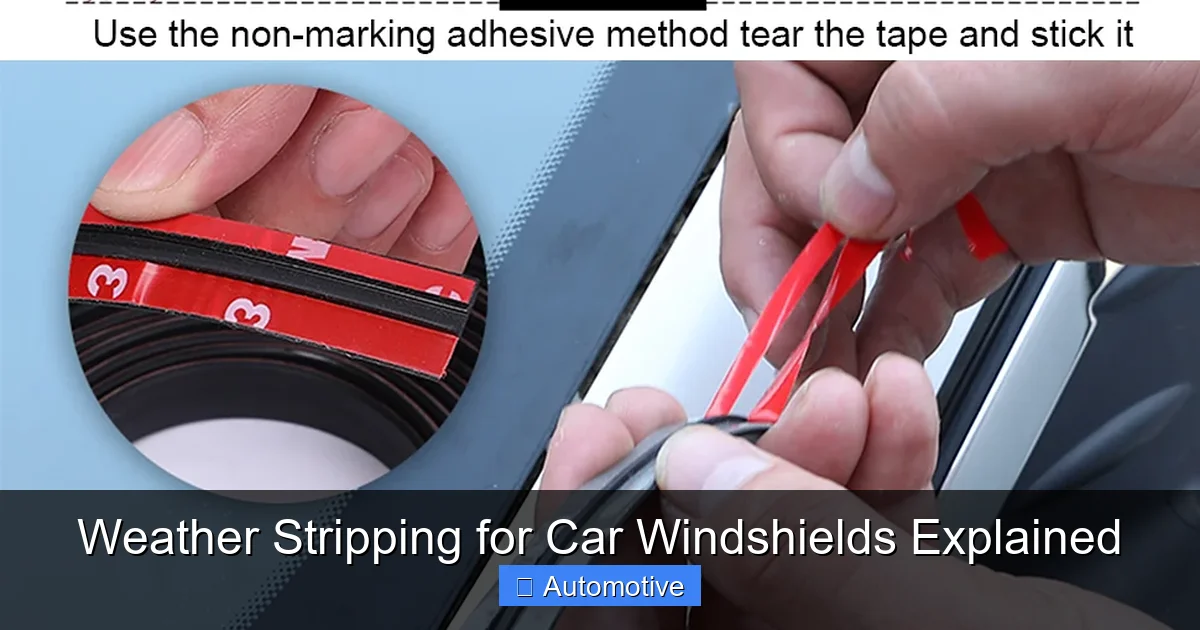
Before you begin, gather your supplies. You’ll need a new weather stripping kit designed for your vehicle’s make and model, a clean cloth, rubbing alcohol or glass cleaner, a utility knife or scissors, and possibly a plastic trim tool to avoid scratching the paint. If you’re using adhesive-backed strips, make sure the surface is completely dry and free of grease.
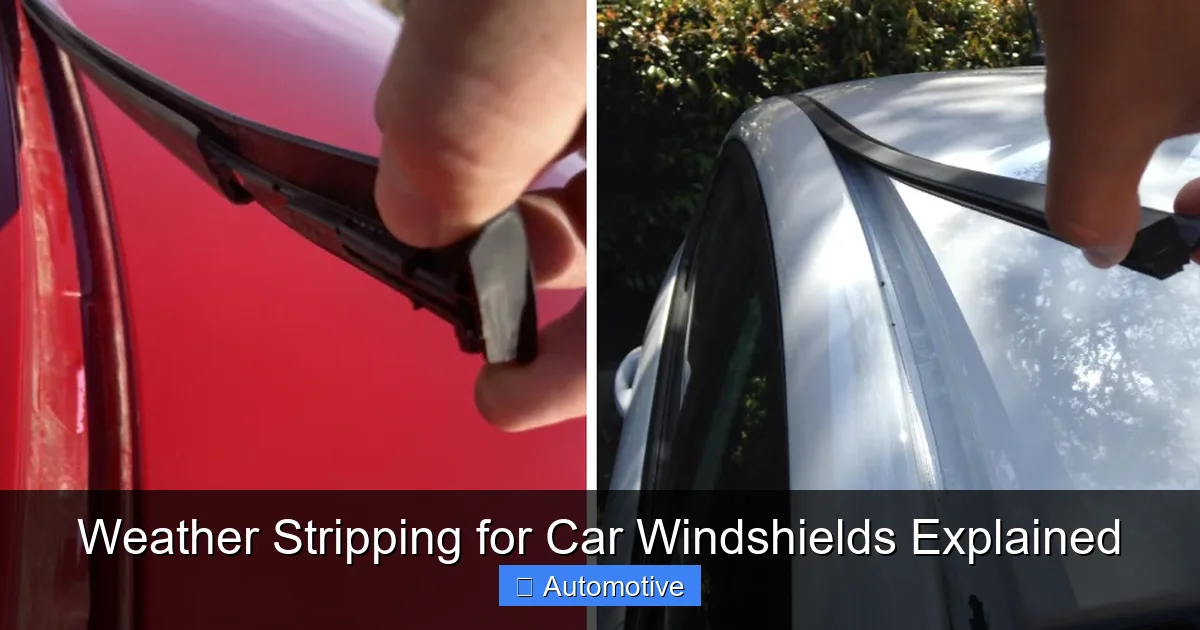
Start by removing the old weather stripping. Carefully peel it away from the windshield edge, taking note of how it’s installed. Some strips are held in place by clips or molding, so you may need to remove the windshield trim first. Be gentle—forcing it can damage the paint or the glass.
Once the old strip is removed, clean the area thoroughly. Use rubbing alcohol to remove any residue, dirt, or old adhesive. A clean surface ensures the new strip adheres properly and creates a tight seal.
Step-by-Step Replacement Guide
Here’s a simple step-by-step process for replacing your windshield weather stripping:
1. Remove the old strip: Gently pull it away from the windshield. If it’s stuck, use a plastic pry tool to avoid scratching.
2. Clean the surface: Wipe down the area with a cloth and rubbing alcohol. Let it dry completely.
3. Measure and cut the new strip: If your replacement isn’t pre-cut, measure the length needed and trim it with scissors or a utility knife.
4. Apply the new strip: Peel off the adhesive backing (if applicable) and press the strip firmly into place. Start at one end and work your way around, ensuring it’s seated evenly.
5. Secure with clips or molding: If your vehicle uses clips or trim, reattach them to hold the strip in place.
6. Test the seal: Close the doors and windows, then run a hose over the windshield to check for leaks. Listen for wind noise during a test drive.
For vehicles with complex sealing systems or bonded windshields, professional installation is recommended. A certified technician can ensure the glass is properly seated and the seal is airtight, which is critical for safety and performance.
Maintenance Tips to Extend the Life of Your Weather Stripping
Prevention is always better than repair. With a little regular care, you can keep your weather stripping in top condition for years. The key is to protect it from the elements and avoid behaviors that accelerate wear.
One of the simplest maintenance steps is cleaning. Dirt, grime, and road salt can build up along the edge of the windshield and degrade the rubber over time. Every few months, wipe down the weather stripping with a mild soap and water solution, then dry it thoroughly. Avoid harsh chemicals or petroleum-based cleaners, as they can dry out the rubber and cause cracking.
Lubrication and Conditioning
Just like the seals on your doors, windshield weather stripping benefits from occasional lubrication. Use a silicone-based rubber conditioner or protectant spray designed for automotive use. These products restore flexibility, prevent drying, and add a protective layer against UV rays.
Apply the conditioner with a clean cloth or spray bottle, focusing on areas that show signs of wear. Let it soak in for a few minutes, then wipe off any excess. Avoid using oil-based products like WD-40, as they can attract dirt and degrade rubber over time.
Avoiding Common Mistakes
There are a few habits that can shorten the life of your weather stripping. For example, never slam your car doors with the windows up—this creates pressure that can stress the seals. Similarly, avoid using sharp objects to clean ice or debris from the windshield edge, as this can tear the rubber.
If you use a car wash with high-pressure sprayers, be mindful of the nozzle angle. Directing water at high pressure into the seal can force moisture behind the strip and cause hidden damage.
Finally, park in the shade or use a windshield sun cover when possible. Prolonged exposure to direct sunlight is one of the biggest causes of rubber deterioration. Even a few hours of shade each day can make a big difference in longevity.
Choosing the Right Weather Stripping for Your Vehicle
Not all weather stripping is compatible with every car. Using the wrong type or size can lead to poor sealing, leaks, and even damage to the windshield or paint. That’s why it’s important to choose a product that’s specifically designed for your vehicle.
Start by checking your owner’s manual or consulting your dealership. Many manufacturers offer OEM (original equipment manufacturer) weather stripping that matches the exact specifications of your car. These parts are typically more expensive but offer the best fit and durability.
If you’re on a budget, high-quality aftermarket options are available from reputable brands like 3M, Dyna-Tech, or Precision Replacement Parts. Look for products made from EPDM rubber, which is known for its resistance to weather, ozone, and temperature extremes.
Where to Buy and What to Look For
You can find weather stripping at auto parts stores, online retailers like Amazon or RockAuto, or directly from car manufacturers. When shopping, pay attention to the following:
– Vehicle compatibility: Make sure the product lists your car’s year, make, and model.
– Material quality: Opt for EPDM rubber or high-grade foam with UV protection.
– Installation method: Choose between adhesive-backed, clip-on, or molding-integrated designs based on your vehicle.
– Customer reviews: Read feedback from other buyers to gauge durability and ease of installation.
Avoid cheap, generic strips sold in bulk. While they might seem like a bargain, they often lack the precision and durability needed for a proper seal.
When to Call a Professional
While many weather stripping repairs are DIY-friendly, there are situations where it’s best to leave it to the experts. If your windshield was recently replaced or repaired, the sealing system may be more complex than a simple rubber strip. In these cases, improper installation can compromise the structural integrity of the glass or lead to leaks.
Similarly, if you notice signs of water damage inside the car—like warped trim, electrical issues, or mold—it’s important to have a professional assess the situation. There may be hidden damage that requires more than just a new weather strip.
Classic cars, luxury vehicles, and models with bonded windshields often require specialized tools and techniques. A certified auto glass technician will have the experience and equipment to handle these jobs safely and effectively.
Conclusion
Weather stripping for car windshields may not be the most glamorous part of vehicle maintenance, but it’s one of the most important. A well-sealed windshield keeps your cabin dry, quiet, and comfortable while improving fuel efficiency and protecting against long-term damage. By understanding how it works, recognizing the signs of wear, and taking proactive steps to maintain or replace it, you can enjoy a smoother, safer driving experience.
Whether you’re tackling a DIY repair or scheduling a professional inspection, don’t overlook this small but mighty component. A little attention to your weather stripping today can prevent big headaches down the road—literally. So the next time you’re washing your car, take a moment to check that rubber strip along the windshield. Your future self will thank you.
Frequently Asked Questions
How often should I replace my windshield weather stripping?
Most weather stripping lasts 5 to 10 years, depending on climate and usage. Inspect it annually and replace it if you notice cracks, gaps, or signs of wear.
Can I use silicone sealant to fix a leaky windshield seal?
Silicone can be a temporary fix, but it’s not a long-term solution. It may trap moisture and cause further damage. For lasting results, replace the weather stripping properly.
Will new weather stripping improve my car’s fuel efficiency?
Yes, a tight seal reduces aerodynamic drag, which can slightly improve fuel economy, especially at highway speeds.
Is it safe to drive with damaged weather stripping?
It’s generally safe for short distances, but prolonged exposure can lead to water damage, mold, and increased noise. Address the issue as soon as possible.
Can I install weather stripping myself?
Yes, if it’s a simple adhesive or clip-on type. For complex systems or bonded windshields, professional installation is recommended.
Does weather stripping affect airbag deployment?
No, weather stripping doesn’t interfere with airbags. However, improper windshield installation could, so always use certified technicians for major repairs.
