
What Is an Underwriting Review for Car Insurance

An underwriting review for car insurance is the process insurers use to assess your risk level and determine your premium. It involves evaluating your driving history, vehicle, location, and personal details to decide whether to offer coverage and at what cost.
Key Takeaways
- Underwriting reviews assess risk: Insurers use this process to evaluate how likely you are to file a claim based on your profile.
- Multiple factors are considered: Your driving record, credit score, vehicle type, location, and even occupation can influence the review.
- It affects your premium and coverage: A favorable review can lead to lower rates and better policy options, while a poor one may result in higher costs or denial.
- Reviews happen at multiple stages: They occur when you apply, renew, or make significant changes to your policy.
- You can improve your chances: Maintaining a clean driving record, improving your credit, and choosing a safer vehicle can help.
- Transparency is key: Providing accurate information during the review helps avoid delays or policy cancellations.
- Shop around if needed: If one insurer gives you a high quote, another might offer better terms after their review.
📑 Table of Contents
- What Is an Underwriting Review for Car Insurance?
- Why Do Insurance Companies Conduct Underwriting Reviews?
- What Factors Are Considered During an Underwriting Review?
- When Does an Underwriting Review Happen?
- How Does an Underwriting Review Affect Your Premium?
- How to Prepare for an Underwriting Review
- Common Misconceptions About Underwriting Reviews
- What to Do If You’re Denied Coverage or Face High Rates
- Conclusion
What Is an Underwriting Review for Car Insurance?
When you apply for car insurance—or even when you renew your existing policy—you might hear the term “underwriting review.” But what does it really mean? Simply put, an underwriting review is the process insurance companies use to evaluate your risk as a driver and decide whether to offer you coverage, how much to charge, and what terms to include in your policy.
Think of it like a background check, but for your driving life. The insurer digs into your history, your vehicle, where you live, and even your financial habits to determine how likely you are to file a claim. The higher the risk they perceive, the more you’ll likely pay—or they might even decline to insure you altogether. On the flip side, if you’re seen as a low-risk driver, you could qualify for discounts and lower premiums.
This process isn’t just a one-time thing. It happens when you first apply, when you renew your policy (usually every 6 to 12 months), and sometimes when you make big changes—like adding a new driver, moving to a new state, or buying a different car. Understanding how underwriting works can help you make smarter decisions about your coverage and potentially save you hundreds of dollars a year.
Why Do Insurance Companies Conduct Underwriting Reviews?
Visual guide about What Is an Underwriting Review for Car Insurance
Image source: i.pinimg.com
Insurance is all about risk management. Companies collect premiums from many customers to pay out claims when accidents or damages occur. To stay profitable and sustainable, they need to accurately predict which customers are more likely to cost them money. That’s where underwriting comes in.
Assessing Risk Accurately
The core purpose of an underwriting review is to assess risk. Insurers use complex algorithms and historical data to determine how likely you are to get into an accident, file a claim, or cost them money. For example, a 19-year-old male with a sports car and a speeding ticket is statistically more likely to file a claim than a 45-year-old female with a minivan and a clean record. The underwriting process helps insurers spot these differences and price policies accordingly.
Setting Fair Premiums
Without underwriting, insurers would have no way to differentiate between high-risk and low-risk drivers. Everyone would pay the same rate, which wouldn’t be fair—and wouldn’t be sustainable. By conducting reviews, companies can set premiums that reflect individual risk levels. This keeps rates more accurate and helps keep insurance affordable for safer drivers.
Preventing Fraud and Misrepresentation
Underwriting also helps insurers catch inconsistencies or false information. For instance, if you claim to drive only 5,000 miles a year but your job requires long commutes, the insurer might flag this during the review. Accurate information ensures that policies are priced correctly and reduces the chance of fraud.
Compliance with Regulations
Insurance is a highly regulated industry. Underwriting reviews help companies comply with state laws and industry standards. For example, some states prohibit insurers from using certain factors—like gender or marital status—in their decisions. The underwriting process ensures these rules are followed.
What Factors Are Considered During an Underwriting Review?
Visual guide about What Is an Underwriting Review for Car Insurance
Image source: insurancetrainingcenter.com
So, what exactly do insurers look at during an underwriting review? It’s not just about whether you’ve had an accident. They examine a wide range of personal, financial, and vehicle-related factors. Here’s a breakdown of the most common ones.
Driving History
Your driving record is one of the biggest factors. Insurers will check for:
- Traffic violations (speeding, running red lights, etc.)
- Accidents (at-fault or not)
- DUI or DWI convictions
- License suspensions or revocations
A clean record can significantly lower your premium, while multiple violations or serious offenses can lead to higher rates or even denial of coverage.
Vehicle Information
The car you drive matters. Insurers consider:
- Make, model, and year
- Vehicle safety ratings
- Theft rates for that model
- Repair costs
For example, a high-performance sports car with expensive parts will cost more to insure than a reliable sedan with top safety ratings.
Location
Where you live plays a big role. Urban areas with heavy traffic, higher crime rates, and more accidents typically have higher premiums than rural areas. Even your ZIP code can affect your rate. If you live in a neighborhood with frequent car thefts or vandalism, your comprehensive coverage might cost more.
Personal Details
Insurers also look at:
- Age and gender (in most states)
- Marital status
- Occupation
- Annual mileage
Younger drivers, especially teens, are considered higher risk. Married people often get lower rates because they’re seen as more responsible. People who drive less than 7,500 miles a year may qualify for low-mileage discounts.
Credit-Based Insurance Score
In most states, insurers use a credit-based insurance score—not your regular credit score—to help determine risk. Studies have shown a correlation between credit history and claim frequency. If you have a history of late payments or high debt, you might be seen as a higher risk, even if you’ve never had an accident.
Claims History
Your past claims matter. If you’ve filed multiple claims in the last few years—even for small incidents—insurers may see you as a frequent claimant. This can lead to higher premiums or non-renewal of your policy.
When Does an Underwriting Review Happen?
Visual guide about What Is an Underwriting Review for Car Insurance
Image source: insurancetrainingcenter.com
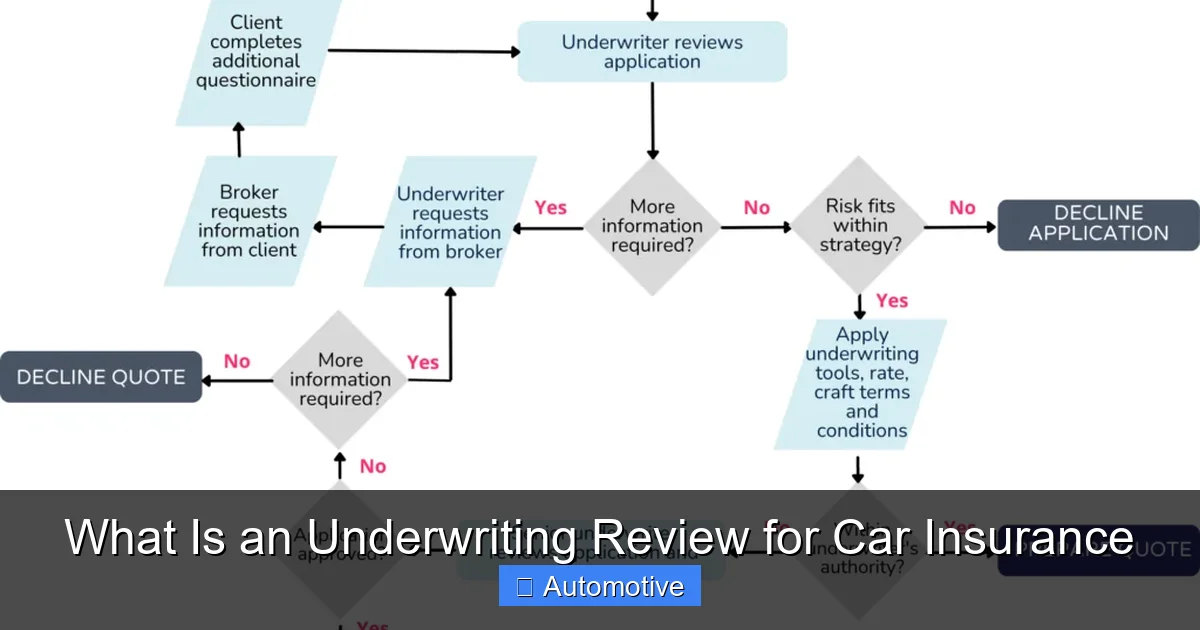
You might think underwriting only happens when you first buy a policy, but that’s not the case. It occurs at several key points in your insurance journey.
Initial Application
This is the most comprehensive review. When you apply for a new policy, the insurer collects all your information and runs a full underwriting check. They’ll verify your driving record, check your credit, and assess your vehicle and location. Based on this, they’ll decide whether to offer coverage and at what rate.
Policy Renewal
Most policies are renewed every 6 or 12 months. At renewal, the insurer will conduct a new underwriting review. Your driving record, claims history, and even your credit score may have changed since your last policy started. If you’ve had a recent accident or ticket, your premium could go up. On the other hand, if you’ve maintained a clean record, you might see a discount.
Mid-Term Changes
If you make significant changes to your policy mid-term—like adding a new driver, moving to a new state, or buying a different car—the insurer may trigger a new underwriting review. For example, adding a teenage driver will likely increase your premium because young drivers are high-risk. Moving to a city with higher accident rates could also raise your rates.
Reinstatement After Lapse
If your policy lapses because you missed a payment and you want to reinstate it, the insurer will likely conduct a new underwriting review. A lapse in coverage is a red flag, and you may be seen as a higher risk. You could face higher premiums or even be denied coverage.
How Does an Underwriting Review Affect Your Premium?
The outcome of your underwriting review directly impacts how much you pay for car insurance. Let’s look at how different results can affect your premium.
Low-Risk Drivers Get Better Rates
If the review shows you’re a safe driver with a clean record, good credit, and a low-risk vehicle, you’ll likely qualify for the best rates. You might also be eligible for discounts like:
- Safe driver discount
- Multi-policy discount (if you bundle with home or renters insurance)
- Good student discount (for young drivers with good grades)
- Low-mileage discount
For example, a 35-year-old teacher with a clean record, driving a 5-year-old Honda Accord, and living in a suburban area might pay $800 a year for full coverage.
High-Risk Drivers Pay More
If the review flags you as high-risk—due to accidents, tickets, poor credit, or a high-performance vehicle—your premium will increase. In some cases, you might be placed in a high-risk insurance pool, which can cost significantly more. For instance, a 20-year-old with a speeding ticket and a Mustang might pay $2,500 or more annually.
Non-Renewal or Denial of Coverage
In extreme cases, the insurer might decide not to renew your policy or deny your application altogether. This usually happens if you have multiple DUIs, a history of fraud, or a very high number of claims. If this happens, you’ll need to shop around for a non-standard insurer, which often charges much higher rates.
Impact of Credit Score
In states that allow it, a poor credit-based insurance score can increase your premium by hundreds of dollars. For example, someone with a credit score below 600 might pay 30% more than someone with a score above 750—even if their driving records are identical.
How to Prepare for an Underwriting Review
You can’t control every factor in an underwriting review, but there are steps you can take to improve your chances of getting a favorable outcome.
Maintain a Clean Driving Record
The best thing you can do is avoid accidents and traffic violations. Even a single speeding ticket can increase your premium. Consider taking a defensive driving course—some insurers offer discounts for completing one.
Improve Your Credit Score
Pay your bills on time, reduce credit card balances, and check your credit report for errors. A higher credit score can lead to lower insurance rates in most states.
Choose a Safer Vehicle
If you’re buying a new car, consider safety ratings, repair costs, and theft rates. Vehicles with high safety scores and low theft rates typically cost less to insure.
Reduce Annual Mileage
If you work from home or use public transportation, you might qualify for a low-mileage discount. Be honest about your annual mileage—insurers can verify this.
Bundle Your Policies
Many insurers offer discounts if you bundle your car insurance with home, renters, or life insurance. This can save you 10% to 25% on your premium.
Shop Around Regularly
Underwriting criteria vary by company. What one insurer sees as high-risk, another might not. Get quotes from at least three insurers every year to make sure you’re getting the best rate.
Common Misconceptions About Underwriting Reviews
There are a lot of myths about how underwriting works. Let’s clear up some of the most common ones.
Myth: Underwriting Is Just for New Policies
Many people think underwriting only happens when you first buy insurance. But it also occurs at renewal and when you make changes. Your premium can change even if you haven’t had an accident.
Myth: All Insurers Use the Same Criteria
Different companies weigh factors differently. One might care more about credit score, while another focuses on driving history. That’s why shopping around can lead to big savings.
Myth: You Can’t Change Your Risk Profile
Your risk profile isn’t fixed. Over time, you can improve your driving record, boost your credit score, and choose a safer car. These changes can lead to lower premiums.
Myth: Underwriting Is Instant
While some reviews are quick, others take time—especially if the insurer needs to verify information or request additional documents. Be patient and responsive to avoid delays.
What to Do If You’re Denied Coverage or Face High Rates
If your underwriting review doesn’t go well, don’t panic. There are still options.
Ask for an Explanation
Insurers are required to tell you why you were denied or charged a high rate. This can help you understand what to improve.
Improve Your Profile
Work on fixing the issues—like paying down debt, taking a driving course, or driving more safely. Then reapply in a few months.
Shop with High-Risk Insurers
Some companies specialize in high-risk drivers. They may charge more, but they’ll still offer coverage. Examples include The General, Dairyland, and SafeAuto.
Consider State-Assigned Risk Pools
If you can’t get coverage anywhere else, your state may have a risk pool program that provides basic insurance to high-risk drivers.
Reevaluate Your Vehicle
If your car is driving up your premium, consider switching to a safer, more affordable model.
Conclusion
An underwriting review for car insurance is a critical process that determines your eligibility, premium, and coverage options. It’s not just a formality—it’s how insurers manage risk and keep the system fair. By understanding what factors are considered and how the process works, you can take control of your insurance costs.
Remember, you’re not powerless. Maintaining a clean driving record, improving your credit, and choosing the right vehicle can all lead to better outcomes during your review. And don’t forget to shop around—different insurers have different underwriting standards, and a little comparison can go a long way.
Whether you’re applying for the first time or renewing your policy, being informed and proactive can help you get the best possible deal. After all, car insurance is a necessity, but that doesn’t mean you have to overpay for it.
Frequently Asked Questions
What is an underwriting review for car insurance?
An underwriting review is the process insurers use to evaluate your risk as a driver. They assess your driving history, vehicle, location, credit, and other factors to decide whether to offer coverage and at what price.
How often does an underwriting review happen?
It happens when you apply for a new policy, renew your existing one, or make significant changes like adding a driver or moving. Most reviews occur every 6 to 12 months at renewal.
Can an underwriting review increase my premium?
Yes. If the review shows new risks—like a recent accident, ticket, or drop in credit score—your premium may go up. Conversely, improvements can lead to lower rates.
Do all insurance companies use the same underwriting criteria?
No. Each insurer weighs factors differently. One might focus on credit, while another prioritizes driving history. That’s why shopping around can save you money.
What happens if I’m denied coverage after an underwriting review?
You can ask for an explanation, improve your risk profile, or apply with a high-risk insurer or state-assigned risk pool. You’re not out of options.
Can I improve my chances during an underwriting review?
Yes. Maintain a clean driving record, improve your credit, choose a safer vehicle, and reduce your mileage. These steps can help you qualify for better rates.