
Key Won’t Turn in Car Ignition: Causes and Fixes

If your key won’t turn in the car ignition, don’t panic—it’s often a simple fix. From a locked steering wheel to a worn key or dead battery, this issue has several common causes you can troubleshoot at home. With the right steps, you’ll be back on the road in no time.
Key Takeaways
- Steering wheel lock is a common culprit: If the wheels are turned after the engine is off, the steering column may lock, preventing the key from turning. Gently jiggle the wheel while turning the key to release it.
- A worn or damaged key can cause ignition problems: Over time, keys wear down and no longer align properly with the ignition tumblers. Try a spare key or have a new one cut.
- Low battery power affects ignition function: Even if the car doesn’t start, a weak battery can prevent the ignition from receiving enough power to turn. Check battery voltage and connections.
- Ignition cylinder wear requires professional attention: If the cylinder is damaged or excessively worn, it may need replacement by a qualified mechanic or locksmith.
- Debris and dirt can jam the ignition: Dust, lint, or small objects stuck in the ignition slot can block the key. Use compressed air or a specialized cleaner to clear it.
- Shift interlock issues prevent key removal or turning: In automatic vehicles, the shifter must be in “Park” for the key to turn. Ensure the shifter is fully engaged and check the brake pedal sensor.
- Extreme temperatures affect ignition performance: Cold weather can stiffen internal components, while heat may warp parts. Lubricate with graphite spray (not oil) for smoother operation.
📑 Table of Contents
Why Won’t My Key Turn in the Ignition? Understanding the Problem
You’re ready to head out—maybe it’s for work, a grocery run, or picking up the kids—and you insert your key into the ignition. You turn it… and nothing happens. The key just won’t budge. It’s frustrating, especially when you’re in a hurry. But before you call a tow truck or panic, know this: a key that won’t turn in the car ignition is one of the most common automotive issues drivers face. And in many cases, it’s something you can fix yourself—no tools or mechanic required.
The ignition system is more than just a hole where you insert your key. It’s a精密 mechanism that communicates with your car’s electrical system, steering lock, and transmission. When any part of that system is out of sync—whether due to mechanical wear, electrical issues, or simple user error—the key may refuse to turn. The good news? Most causes are easy to identify and often simple to resolve. Whether it’s a locked steering wheel, a dirty ignition cylinder, or a dying battery, understanding the root cause is the first step toward getting back on the road.
In this guide, we’ll walk you through the most common reasons your key won’t turn in the ignition, how to diagnose them, and what you can do to fix them—safely and effectively. We’ll also cover when it’s time to call a professional. By the end, you’ll have the knowledge and confidence to handle this issue like a pro.
Common Causes of a Key That Won’t Turn
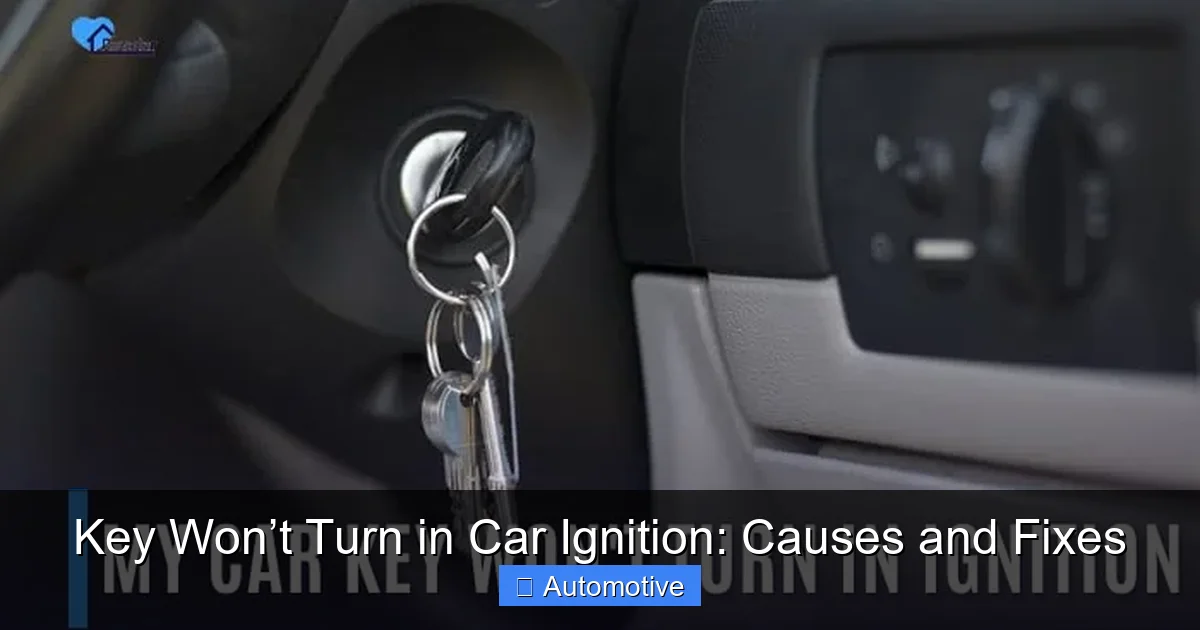
Visual guide about Key Won’t Turn in Car Ignition: Causes and Fixes
Image source: revolar.com
There’s no single reason why a key won’t turn in the ignition—several factors can contribute. The key is to methodically rule out each possibility until you find the culprit. Let’s break down the most frequent causes, starting with the ones you can check at home.
1. Steering Wheel Lock Engagement
One of the most common—and often overlooked—reasons your key won’t turn is the steering wheel lock. Modern cars are equipped with a safety feature that locks the steering column when the key is removed. This prevents theft by making it nearly impossible to steer the vehicle without the key. However, if the wheels are turned (even slightly) after the engine is shut off, the lock can engage more firmly than usual.
When this happens, the ignition cylinder gets “stuck” because the internal mechanism is physically blocked by the locked steering column. The result? You insert the key, but it won’t turn—no matter how hard you try.
How to fix it: Sit in the driver’s seat and gently jiggle the steering wheel left and right while simultaneously turning the key. You don’t need to force it—just apply light pressure. Often, this slight movement releases the lock and allows the key to turn. It’s a simple trick, but it works more often than you’d think.
For example, imagine you parked on a slight incline and turned the wheels toward the curb when you shut off the engine. When you return, the weight of the car may have shifted, keeping the wheels turned and the lock engaged. Jiggling the wheel breaks that tension.
2. Worn or Damaged Key
Keys are used daily—inserted, turned, removed, and often tossed into pockets or purses with other metal objects. Over time, the teeth on your key can wear down, bend, or get scratched. When the key no longer matches the internal tumblers in the ignition cylinder, it can’t engage properly, preventing it from turning.
This is especially common with older vehicles or keys that have been duplicated multiple times. A poorly cut spare key, for instance, might look identical to the original but lack the precise depth needed to align the tumblers.
How to fix it: Try using a spare key if you have one. If the spare turns easily, the problem is likely your primary key. Visit a locksmith or your car dealership to get a new key cut from the original code (if available) or have the ignition cylinder realigned.
Pro tip: Avoid using keychains with heavy decorations or multiple keys. The extra weight can bend the key over time, especially when it’s inserted into the ignition. A lightweight, single key on a simple ring is best for longevity.
3. Low or Dead Battery
You might be thinking, “But the car won’t start—how can the battery affect the key turning?” It’s a fair question. While a dead battery typically prevents the engine from cranking, it can also affect the ignition’s ability to turn—especially in modern vehicles with electronic ignition systems.
Many newer cars use electronic steering locks and ignition switches that require a small amount of power to disengage. If the battery is too weak, these systems won’t activate, leaving the key stuck in the “off” position.
How to fix it: Check your dashboard lights when you insert the key. If they’re dim or don’t come on at all, the battery may be the issue. Try jump-starting the car or replacing the battery. Once power is restored, the key should turn normally.
For example, if you left your headlights on overnight, your battery might be drained. Even though the car won’t start, the ignition may still refuse to turn until power is restored. A simple jump start can resolve both issues.
4. Debris in the Ignition Cylinder
Dust, dirt, lint, and even small pieces of metal can accumulate inside the ignition cylinder over time. This debris can clog the tumblers, preventing the key from turning smoothly. It’s especially common in cars driven in dusty environments or stored in garages with poor ventilation.
Sometimes, a broken piece of a previous key can get stuck inside, creating a physical block. Even a single grain of sand can interfere with the delicate internal components.
How to fix it: Use a can of compressed air to blow out the ignition cylinder. Hold the can upright and spray short bursts into the keyhole. Avoid using liquids like WD-40, as they can attract more dirt or gum up the mechanism.
For a deeper clean, consider using a specialized ignition cleaner spray, available at auto parts stores. These products are designed to dissolve grime without damaging internal parts. Insert the straw into the keyhole and spray a small amount, then insert and remove the key several times to work the cleaner through.
Never poke the ignition with sharp objects like paperclips or needles—this can damage the tumblers and make the problem worse.
5. Shift Interlock System Malfunction
In automatic transmission vehicles, the ignition is linked to the gear shifter via a safety feature called the shift interlock system. This system ensures the car can only be started when the shifter is in “Park” and the brake pedal is pressed. If the shifter isn’t fully in “Park,” or if the brake pedal sensor is faulty, the key may not turn.
This is a common issue in cars with worn shifter mechanisms or faulty brake light switches. For example, if the shifter feels loose or doesn’t click firmly into “Park,” the ignition may not recognize the correct position.
How to fix it: Make sure the shifter is fully in “Park.” Wiggle it slightly to ensure it’s seated. Then, press the brake pedal firmly and try turning the key. If it still won’t turn, check if your brake lights are working. If they’re not, the brake switch may need replacement.
Some vehicles have a manual override for the shift interlock. Look for a small cover or slot near the shifter (often labeled “Shift Lock Release”). Use a small tool (like a screwdriver or key) to press the button inside, which allows you to move the shifter out of “Park” manually. This can help you get the car started so you can drive to a repair shop.
Environmental and Mechanical Factors
Visual guide about Key Won’t Turn in Car Ignition: Causes and Fixes
Image source: vehiclefreak.com
Sometimes, the reason your key won’t turn isn’t due to a broken part—but rather environmental conditions or long-term wear. These factors can make ignition problems more likely, especially in older vehicles or extreme climates.
Extreme Temperatures
Cold weather can cause metal components to contract, making the ignition cylinder tighter and harder to turn. Ice or moisture may also freeze inside the keyhole, blocking the key entirely. On the flip side, extreme heat can warp plastic or metal parts, leading to misalignment.
How to fix it: In cold weather, try warming the key with your hands or using a key warmer. Avoid pouring hot water directly into the ignition, as it can cause damage. Instead, use a de-icer spray designed for locks.
In hot climates, park in the shade or use a sunshade to reduce interior heat. Over time, excessive heat can degrade the ignition cylinder, so regular maintenance is key.
Ignition Cylinder Wear and Tear
The ignition cylinder is a mechanical component with moving parts that wear down over time. After thousands of insertions and turns, the internal tumblers can become misaligned or damaged. This wear can prevent the key from turning, even if the key itself is in good condition.
Signs of a worn cylinder include:
– The key turns with difficulty or gets stuck partway
– The key won’t come out after turning off the engine
– The ignition feels loose or wobbly
How to fix it: If you suspect cylinder wear, it’s best to consult a professional. A locksmith or mechanic can inspect the cylinder and replace it if necessary. This is not a DIY job for most people, as it requires specialized tools and knowledge of your vehicle’s electrical system.
For example, replacing the ignition cylinder on a modern car often involves disconnecting the battery, removing the steering column covers, and reprogramming the new cylinder to match the car’s security system. Attempting this without experience can lead to further damage or security issues.
When to Call a Professional
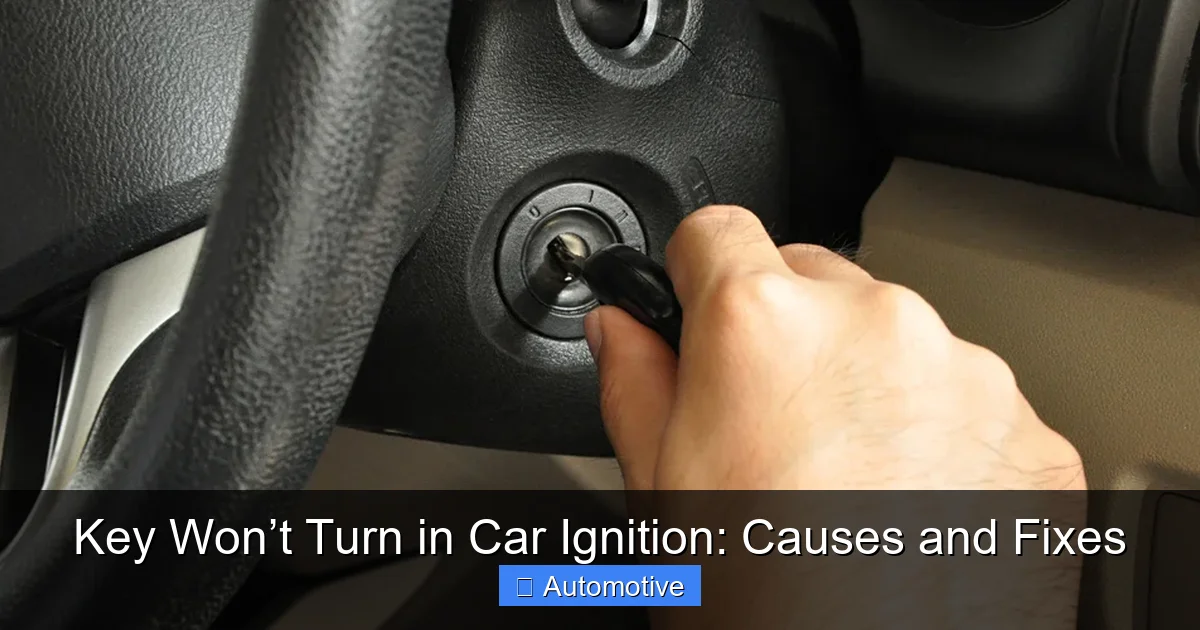
Visual guide about Key Won’t Turn in Car Ignition: Causes and Fixes
Image source: unitedlocksmith.net
While many ignition issues can be resolved at home, some situations require expert help. Knowing when to call a mechanic or locksmith can save you time, money, and frustration.
Signs You Need Professional Help
– The key is broken off inside the ignition
– The ignition cylinder is visibly damaged or loose
– Multiple keys won’t turn, and basic troubleshooting fails
– The car’s security system (immobilizer) is activated
– You hear grinding or unusual noises when turning the key
In these cases, forcing the key or attempting DIY repairs can cause further damage. A professional has the tools and expertise to diagnose and fix the issue safely.
Choosing the Right Professional
For ignition issues, you have two main options: a certified mechanic or a licensed automotive locksmith. Mechanics are best for electrical or mechanical problems tied to the car’s systems, while locksmiths specialize in keys, locks, and ignition cylinders.
If your car is under warranty, contact the dealership first—they may cover the repair. Otherwise, get quotes from local professionals and check reviews to ensure quality service.
Prevention Tips to Avoid Future Issues
An ounce of prevention is worth a pound of cure—especially when it comes to your car’s ignition. Here are some simple habits to keep your key turning smoothly for years to come.
Use a Lightweight Keychain
Heavy keychains put unnecessary strain on the ignition cylinder. Over time, this can bend the key or wear down the internal components. Switch to a lightweight keychain or keep only essential keys on your ring.
Clean the Ignition Regularly
Every few months, use compressed air to blow out dust and debris from the ignition cylinder. This simple step can prevent clogs and keep the mechanism running smoothly.
Lubricate with Graphite Spray
Never use oil-based lubricants like WD-40 in the ignition—they attract dirt and can gum up the works. Instead, use a dry graphite lubricant, which reduces friction without leaving residue. Spray a small amount into the keyhole and insert the key several times to distribute it.
Park on Level Ground
Whenever possible, park on a level surface. This reduces the chance of the steering wheel locking in a turned position, which can make the key harder to turn.
Replace Worn Keys Promptly
If your key shows signs of wear—bent teeth, cracks, or difficulty turning—get a replacement before it breaks. Most dealerships and locksmiths can cut a new key from your vehicle’s code.
Conclusion
A key that won’t turn in the car ignition is more than just an inconvenience—it can disrupt your day and leave you stranded. But as we’ve seen, this problem is rarely a sign of a major mechanical failure. In most cases, it’s caused by something simple: a locked steering wheel, a dirty ignition, a weak battery, or a worn key.
By understanding the common causes and knowing how to troubleshoot them, you can often resolve the issue yourself—without calling a tow truck or spending hundreds at the repair shop. Start with the basics: jiggle the steering wheel, try a spare key, check the battery, and clean the ignition. If those don’t work, consider environmental factors or mechanical wear.
And remember, prevention is key. A little maintenance—like using a lightweight keychain, cleaning the ignition, and replacing worn keys—can go a long way in avoiding future problems.
If all else fails, don’t hesitate to call a professional. Your safety and peace of mind are worth the investment. With the right knowledge and a calm approach, you’ll be back behind the wheel in no time.
Frequently Asked Questions
Why won’t my key turn even though the battery is fine?
The issue may not be the battery but rather a locked steering wheel, debris in the ignition, or a worn key. Try jiggling the steering wheel while turning the key, or use compressed air to clean the cylinder.
Can I use WD-40 to fix a stuck ignition key?
No, avoid using WD-40 or other oil-based lubricants. They can attract dirt and gum up the ignition. Use a dry graphite spray instead, which lubricates without residue.
My key turns but the car won’t start—what’s wrong?
This is a different issue. If the key turns but the engine doesn’t crank, the problem could be a bad starter, fuel system issue, or faulty ignition switch—not the key itself.
How do I know if my ignition cylinder is worn out?
Signs include difficulty turning the key, the key getting stuck, or a loose ignition. If multiple keys won’t turn, the cylinder may need replacement by a professional.
Can cold weather cause the key to not turn?
Yes, cold temperatures can cause metal parts to contract and moisture to freeze inside the ignition. Use a de-icer spray or warm the key gently to help it turn.
Is it safe to force the key to turn?
No, forcing the key can break it or damage the ignition cylinder. Always try gentle methods first, like jiggling the wheel or cleaning the cylinder, before seeking professional help.
