
Can You Service a Lexus at Toyota?

Yes, you can service a Lexus at a Toyota dealership in many cases, thanks to shared engineering and parts between the two brands. While Lexus vehicles are luxury models with specialized needs, Toyota service centers often have the tools, training, and genuine parts to handle basic maintenance and repairs—especially on models built on shared platforms.
Key Takeaways
- Shared Engineering: Many Lexus models are built on Toyota platforms, meaning they share engines, transmissions, and other components, making Toyota service centers capable of handling routine maintenance.
- Parts Compatibility: Genuine Toyota parts are often interchangeable with Lexus models, especially for non-luxury components like filters, brakes, and suspension parts.
- Technician Training: Toyota technicians receive training on both Toyota and Lexus vehicles, particularly in larger dealerships that carry both brands.
- Limited Warranty Coverage: While basic services may be performed at Toyota, warranty repairs and software updates are typically handled only at authorized Lexus centers.
- Diagnostic Tools: Toyota service centers may not always have the latest Lexus-specific diagnostic equipment, which can limit their ability to perform advanced repairs.
- Customer Experience: Lexus dealerships offer a premium service experience, including loaner cars and concierge services, which Toyota centers generally do not provide.
- Cost Considerations: Servicing at a Toyota dealership may be more affordable for routine maintenance, but for complex issues, a Lexus specialist is often the better choice.
📑 Table of Contents
- Can You Service a Lexus at Toyota?
- Shared Platforms and Engineering Between Lexus and Toyota
- Parts Compatibility: What Can Be Shared?
- Technician Training and Expertise
- Warranty and Software Considerations
- Cost Comparison: Toyota vs. Lexus Service
- When to Choose Toyota vs. Lexus for Service
- Conclusion
Can You Service a Lexus at Toyota?
If you own a Lexus, you might have wondered whether your local Toyota dealership can handle your car’s maintenance needs. After all, both brands are under the same parent company—Toyota Motor Corporation—and share a lot of engineering DNA. The short answer? Yes, in many cases, you can service a Lexus at a Toyota dealership. But it’s not always that simple.
Lexus is Toyota’s luxury division, launched in 1989 to compete with brands like BMW, Mercedes-Benz, and Audi. While Lexus vehicles are designed with higher-end materials, advanced technology, and refined performance, they still rely heavily on Toyota’s proven engineering and manufacturing platforms. This shared foundation means that many components—like engines, transmissions, and suspension systems—are either identical or very similar between certain Toyota and Lexus models.
For example, the Lexus ES shares its platform with the Toyota Avalon, and the Lexus NX is closely related to the Toyota RAV4. Even the high-performance Lexus IS has roots in the Toyota Camry’s architecture. Because of these overlaps, Toyota technicians are often familiar with the mechanical systems found in Lexus vehicles. This familiarity allows them to perform routine services like oil changes, brake inspections, tire rotations, and fluid top-offs with confidence.
However, there are important distinctions. Lexus vehicles often include advanced features like adaptive cruise control, lane-keeping assist, and premium sound systems that require specialized diagnostic tools and software. While Toyota service centers may have the basic tools to handle standard maintenance, they might not be equipped to recalibrate a Lexus’s radar-based safety systems or update its infotainment software.
So, while you can service a Lexus at a Toyota dealership for many tasks, it’s essential to understand the limitations. The decision often comes down to the type of service needed, the expertise of the technicians, and whether your vehicle is still under warranty.

Visual guide about Can You Service a Lexus at Toyota?
Image source: hongliyangzhi.com
One of the main reasons you can service a Lexus at a Toyota dealership is the extensive sharing of platforms and components between the two brands. Toyota Motor Corporation uses a modular approach to vehicle development, which allows it to build both mainstream and luxury models on the same underlying architecture. This strategy reduces costs, improves reliability, and streamlines manufacturing.
Let’s look at some real-world examples:
Lexus ES and Toyota Avalon
The Lexus ES and Toyota Avalon are built on the same TNGA-K platform. They share the same wheelbase, suspension layout, and even the same 2.5-liter four-cylinder and 3.5-liter V6 engine options. The main differences lie in tuning, interior materials, and technology features. Because of this, a Toyota technician who works on an Avalon will find many familiar components when servicing an ES.
Lexus NX and Toyota RAV4
The Lexus NX and Toyota RAV4 are both compact SUVs built on the TNGA-C platform. They share the same 2.5-liter hybrid powertrain and many structural components. Even the all-wheel-drive system is nearly identical. This means that a Toyota service center can easily handle brake pad replacements, battery checks, or hybrid system diagnostics on an NX.
Lexus IS and Toyota Camry
While the Lexus IS is a sportier sedan with rear-wheel drive, it shares its platform with the Toyota Camry’s predecessor, the Toyota XV70. Though not as closely related as the ES and Avalon, there’s still significant overlap in suspension design and electrical architecture. This makes basic maintenance tasks manageable at a Toyota shop.
Lexus RX and Toyota Highlander
The Lexus RX and Toyota Highlander are both midsize SUVs built on the TNGA-K platform. They share the same 2.4-liter turbocharged engine and 8-speed automatic transmission. Even the hybrid versions use similar technology. This high level of component sharing means that Toyota technicians are well-equipped to service many aspects of the RX.
Because of these shared platforms, Toyota dealerships often stock parts that are compatible with Lexus models. For instance, brake pads, air filters, cabin filters, and engine oil that fit a Toyota Avalon will typically work on a Lexus ES. This interchangeability reduces wait times and can lower costs for owners who choose to service their Lexus at a Toyota center.

Visual guide about Can You Service a Lexus at Toyota?
Image source: wallup.net
One of the biggest advantages of servicing a Lexus at a Toyota dealership is parts compatibility. Since both brands are under the same corporate umbrella, many components are designed to be interchangeable. However, it’s important to distinguish between mechanical parts and luxury-specific components.
Mechanical and Routine Maintenance Parts
For basic maintenance, the overlap is significant. Here are some common parts that are often shared:
- Engine Oil and Filters: Both Toyota and Lexus recommend the same synthetic oil grades (like 0W-20) and use compatible oil filters. A Toyota service center can easily perform an oil change on a Lexus using genuine Toyota parts.
- Air and Cabin Filters: The engine air filter and cabin air filter in a Lexus ES are often identical to those in a Toyota Avalon. These are easy to replace and widely available at Toyota parts departments.
- Brake Pads and Rotors: Many Lexus models use brake components that are also used in Toyota vehicles. For example, the front brake pads on a Lexus NX may be the same as those on a Toyota RAV4. This makes brake service straightforward at a Toyota shop.
- Battery and Charging System: The 12-volt battery and alternator in many Lexus models are sourced from the same suppliers as Toyota parts. A Toyota technician can test and replace these components without issue.
- Tires and Wheels: While Lexus often uses larger or more stylish wheels, the bolt pattern and tire sizes are frequently shared with Toyota models. This means tire rotations and replacements can be done at a Toyota center.
Luxury and Advanced Components
When it comes to luxury features and advanced technology, the compatibility decreases. These components are often unique to Lexus and may require specialized parts or calibration:
- Adaptive Suspension Systems: Lexus models like the LS and LC feature adaptive dampers that adjust ride stiffness based on driving conditions. These systems are not found in Toyota vehicles and require Lexus-specific diagnostic tools to service.
- Premium Audio Systems: Lexus often partners with Mark Levinson for high-end audio. These systems include custom amplifiers and speakers that are not used in Toyota models. Repairing or replacing them typically requires a Lexus technician.
- Advanced Driver Assistance Systems (ADAS): Features like lane departure warning, adaptive cruise control, and automatic emergency braking rely on cameras, radar, and sensors. These systems must be precisely calibrated after any repair or replacement, and only Lexus centers have the equipment to do this correctly.
- Interior Trim and Upholstery: While mechanical parts may be shared, interior components like leather seats, wood trim, and ambient lighting are unique to Lexus. Replacing these parts usually requires ordering from a Lexus parts department.
In summary, for routine maintenance and mechanical repairs, Toyota dealerships can often use genuine parts that are compatible with Lexus models. But for anything involving luxury features or advanced electronics, a Lexus specialist is usually the better choice.
Technician Training and Expertise
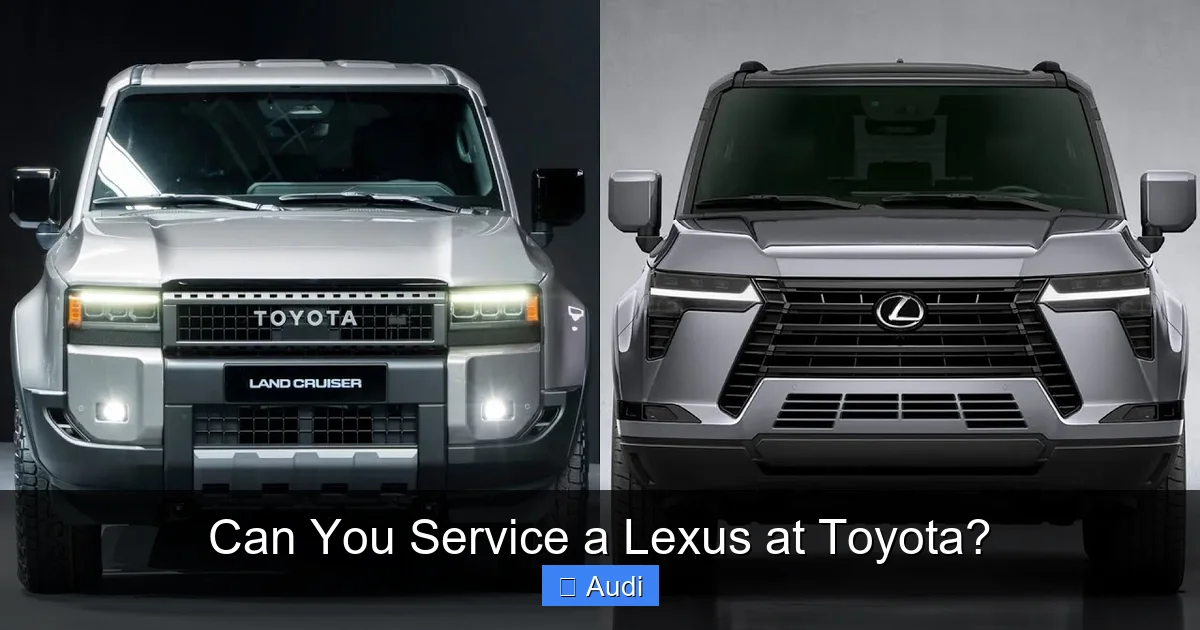
Visual guide about Can You Service a Lexus at Toyota?
Image source: i.ytimg.com
Another factor to consider when deciding whether to service your Lexus at a Toyota dealership is the training and expertise of the technicians. While both brands are part of the same company, their service departments are structured differently.
Toyota Technician Training
Toyota technicians undergo rigorous training through the Toyota Technician Training and Education Network (T-TEN). This program covers a wide range of topics, including engine repair, electrical systems, and hybrid technology. Because many Toyota technicians work on vehicles that share platforms with Lexus models, they often have hands-on experience with similar components.
For example, a technician who regularly services Toyota Prius hybrids will be familiar with the hybrid powertrain used in the Lexus UX and NX hybrids. Similarly, someone who works on Toyota Camrys will understand the suspension and steering systems found in the Lexus IS.
However, Toyota technicians are primarily trained to work on Toyota-branded vehicles. While they may be capable of handling basic maintenance on a Lexus, they may not have the same depth of knowledge about Lexus-specific features or software.
Lexus Technician Training
Lexus technicians receive specialized training focused on luxury vehicles. They learn about high-end materials, advanced electronics, and the nuances of Lexus performance tuning. They also have access to Lexus-specific diagnostic tools and software updates.
For instance, if your Lexus has a malfunctioning adaptive headlight system, a Lexus technician will know how to recalibrate the headlights using the correct software. A Toyota technician might not have access to that software or the training to use it properly.
Dealership Structure and Brand Separation
Most Toyota dealerships do not sell Lexus vehicles, and vice versa. This means that Toyota service centers are not always staffed with technicians who specialize in Lexus repairs. While larger dealerships in major cities may have technicians cross-trained on both brands, smaller or rural Toyota shops may lack the expertise or tools to handle complex Lexus issues.
Additionally, Lexus dealerships often offer a more premium service experience. This includes amenities like complimentary loaner cars, valet service, and waiting areas with refreshments. Toyota service centers, while efficient and reliable, typically do not provide the same level of customer service.
Warranty and Software Considerations
One of the most critical factors in deciding where to service your Lexus is your vehicle’s warranty status. Lexus offers a comprehensive warranty package, including a 4-year/50,000-mile basic warranty and a 6-year/70,000-mile powertrain warranty. Hybrid components are covered for 8 years/100,000 miles.
Warranty Repairs Must Be Performed by Authorized Centers
If your Lexus is still under warranty, any repairs covered by the warranty must be performed at an authorized Lexus dealership. This is a standard requirement across the automotive industry. If you take your car to a Toyota dealership for a warranty-covered repair, the work may not be honored by Lexus, and you could be left paying out of pocket.
For example, if your Lexus RX has a faulty transmission covered under the powertrain warranty, only a Lexus service center can perform the repair and submit the claim to Lexus. A Toyota technician may be able to diagnose the issue, but they cannot authorize the warranty repair.
Software Updates and Recalls
Lexus frequently releases software updates to improve performance, fix bugs, or address safety recalls. These updates are typically distributed through Lexus service centers and require specialized diagnostic equipment to install.
For instance, a recent recall on certain Lexus models involved updating the software for the automatic emergency braking system. Only Lexus technicians have access to the secure server and tools needed to perform this update. A Toyota service center would not be able to complete the recall repair.
Hybrid and Electric Vehicle Systems
Lexus offers several hybrid and plug-in hybrid models, such as the UX 250h and NX 450h+. These vehicles use advanced battery management systems and regenerative braking technology that require specialized knowledge to service.
While Toyota technicians are well-versed in hybrid technology—thanks to the popularity of the Prius—Lexus hybrids often have unique software and calibration requirements. For example, the Lexus hybrid system may include additional sensors or control modules not found in Toyota hybrids.
Cost Comparison: Toyota vs. Lexus Service
Cost is often a deciding factor when choosing where to service your vehicle. In general, Toyota dealerships charge less for labor and parts than Lexus centers. This is because Toyota positions itself as a mainstream brand, while Lexus targets the luxury market.
Routine Maintenance Costs
For basic services like oil changes, tire rotations, and brake inspections, Toyota dealerships are typically more affordable. Here’s a rough comparison:
- Oil Change: Toyota – $60–$80; Lexus – $80–$100
- Brake Pad Replacement: Toyota – $150–$200 per axle; Lexus – $200–$300 per axle
- Tire Rotation: Toyota – $30–$50; Lexus – $50–$70
These price differences are due to higher labor rates and premium parts pricing at Lexus centers. However, the actual cost may vary depending on location and dealership policies.
Complex Repairs and Diagnostics
For more complex issues, the cost gap may narrow or even reverse. Lexus technicians have access to advanced diagnostic tools and manufacturer-specific software, which can lead to faster and more accurate repairs. This can reduce labor time and prevent unnecessary part replacements.
For example, if your Lexus has an electrical issue, a Lexus technician can quickly pull up the vehicle’s service history and run a targeted diagnostic scan. A Toyota technician might need to spend more time troubleshooting, potentially increasing labor costs.
Long-Term Value
While servicing at a Toyota dealership may save money in the short term, it’s important to consider long-term value. Proper maintenance at an authorized Lexus center can help preserve your vehicle’s resale value and ensure that all systems are functioning optimally.
Additionally, Lexus dealerships often offer service packages and loyalty programs that can reduce overall costs over time. For example, prepaid maintenance plans can lock in lower rates for oil changes, inspections, and tire rotations.
When to Choose Toyota vs. Lexus for Service
So, when should you service your Lexus at a Toyota dealership, and when should you stick with a Lexus center? Here’s a practical guide:
Choose Toyota When:
- You need routine maintenance like oil changes, tire rotations, or brake inspections.
- Your vehicle is out of warranty and you’re looking to save money.
- The repair involves shared mechanical components (e.g., suspension, engine, transmission).
- You’re in a rural area with no nearby Lexus dealership.
- You’re comfortable with a more utilitarian service experience.
Choose Lexus When:
- Your vehicle is still under warranty.
- The repair involves advanced electronics, ADAS, or luxury features.
- You need a software update or recall repair.
- You want access to loaner cars, valet service, or other premium amenities.
- You’re preparing to sell your vehicle and want to maintain its service history.
Conclusion
So, can you service a Lexus at Toyota? The answer is a qualified yes. Thanks to shared platforms, parts compatibility, and technician training, many Toyota dealerships are capable of handling routine maintenance and basic repairs on Lexus vehicles. This can be a cost-effective and convenient option, especially for owners of models like the ES, NX, or RX that share significant components with Toyota counterparts.
However, for warranty repairs, software updates, and advanced diagnostics, an authorized Lexus service center is the best choice. Lexus technicians have the specialized tools, training, and access to manufacturer resources that ensure your luxury vehicle receives the care it deserves.
Ultimately, the decision depends on your specific needs, budget, and location. If you’re unsure, don’t hesitate to call both a Toyota and Lexus dealership to compare services, pricing, and availability. With the right information, you can keep your Lexus running smoothly—whether you choose the familiar reliability of Toyota or the premium experience of Lexus.
Frequently Asked Questions
Can I get my Lexus serviced at a Toyota dealership?
Yes, you can service your Lexus at a Toyota dealership for routine maintenance like oil changes, brake inspections, and tire rotations, especially if your model shares a platform with a Toyota vehicle. However, complex repairs and warranty work should be done at a Lexus center.
Will servicing my Lexus at Toyota void my warranty?
No, routine maintenance at a Toyota dealership will not void your Lexus warranty, as long as the work is performed correctly and documented. However, warranty-covered repairs must be done at an authorized Lexus service center to be honored.
Are Toyota parts the same as Lexus parts?
Many mechanical parts like filters, brakes, and batteries are shared between Toyota and Lexus models. However, luxury components like audio systems, adaptive suspension, and interior trim are unique to Lexus and not interchangeable.
Do Toyota technicians know how to work on Lexus cars?
Yes, many Toyota technicians are trained on shared platforms and components, especially in larger dealerships. However, they may lack the specialized tools and software needed for advanced Lexus systems.
Is it cheaper to service a Lexus at a Toyota dealership?
Generally, yes. Toyota dealerships charge lower labor rates and parts prices than Lexus centers, making routine maintenance more affordable. But for complex repairs, the cost difference may be minimal.
Can a Toyota dealership update my Lexus software?
No, software updates and recall repairs require Lexus-specific diagnostic tools and secure server access, which are only available at authorized Lexus service centers.
