
How to Clean Lexus Leather Seats

Keeping your Lexus leather seats clean doesn’t have to be complicated—just follow the right steps and use the right products. With regular care, you can preserve their soft texture, rich color, and premium feel for years to come.
Key Takeaways
- Use pH-balanced leather cleaners: Harsh chemicals can dry out or damage Lexus leather, so always choose cleaners specifically formulated for automotive leather.
- Vacuum first, then clean: Remove loose dirt and debris with a soft brush attachment before applying any cleaner to avoid scratching the surface.
- Condition after cleaning: Leather needs moisture to stay supple—apply a high-quality conditioner every 3–6 months to prevent cracking.
- Avoid direct sunlight and heat: Prolonged exposure dries out leather; use sunshades and park in shade when possible.
- Test products in hidden areas: Always do a spot test on a less visible section of the seat before full application.
- Clean spills immediately: Quick action prevents stains from setting into the porous leather surface.
- Use microfiber cloths only: They’re gentle, lint-free, and won’t scratch delicate leather finishes.
📑 Table of Contents
- Why Proper Leather Care Matters in Your Lexus
- Understanding Your Lexus Leather: Types and Characteristics
- Essential Tools and Products for Cleaning Lexus Leather Seats
- Step-by-Step Guide to Cleaning Lexus Leather Seats
- Dealing with Common Stains and Spills
- Preventive Care and Long-Term Maintenance
- What to Avoid When Cleaning Lexus Leather
- Conclusion: Enjoy the Luxury of Well-Maintained Leather
Why Proper Leather Care Matters in Your Lexus
Your Lexus isn’t just a car—it’s a statement of refinement, comfort, and attention to detail. From the precision-engineered engine to the hand-stitched leather seats, every element is designed to deliver an elevated driving experience. Among these, the leather upholstery plays a starring role. It’s soft to the touch, luxurious in appearance, and built to last—but only if you treat it right.
Leather seats in Lexus vehicles are typically made from high-quality semi-aniline or protected leather, which balances natural beauty with durability. However, unlike synthetic materials, real leather is porous and sensitive. It can dry out, fade, crack, or stain if neglected. Dust, body oils, sunscreen, spilled coffee, and even everyday friction take their toll over time. Without proper maintenance, that rich caramel or sleek black finish can dull, leaving your cabin feeling less than premium.
The good news? Cleaning and caring for your Lexus leather seats is simpler than you might think—and far more rewarding. A little effort goes a long way. With the right tools, techniques, and routine, you can keep your seats looking factory-fresh for years. This guide walks you through everything you need to know: from choosing the best cleaning products to mastering the step-by-step process, plus tips for long-term protection.
Understanding Your Lexus Leather: Types and Characteristics
Visual guide about How to Clean Lexus Leather Seats
Image source: cimg2.ibsrv.net
Before you grab a cleaner and start scrubbing, it helps to understand what kind of leather your Lexus uses. Not all leather is created equal, and knowing the specifics can help you avoid common mistakes.
Most Lexus models feature **semi-aniline leather**, which is treated with a light protective coating while still retaining much of the natural grain and softness. This type offers a great balance—it feels luxurious like full-aniline leather but resists stains and fading better. Some higher-end trims may use **protected leather**, which has a slightly thicker topcoat for added durability, especially in families or frequent-use vehicles.
Unlike cheaper bonded or faux leather, genuine Lexus leather breathes, ages gracefully, and develops a unique patina over time. But it also requires gentler care. Harsh detergents, ammonia-based cleaners, or even vinegar solutions can strip away natural oils and damage the protective layer. That’s why using the wrong product isn’t just ineffective—it can actually shorten the life of your seats.
Another key characteristic? Lexus leather is often dyed with pigments that match the vehicle’s interior theme. Over-cleaning or using abrasive tools can cause color transfer or uneven fading, especially on lighter shades like ivory or beige. So always approach cleaning with a light touch and the right materials.
Essential Tools and Products for Cleaning Lexus Leather Seats
Visual guide about How to Clean Lexus Leather Seats
Image source: images.squarespace-cdn.com
You don’t need a professional detailing kit to clean your Lexus leather seats—but you do need the right basics. Using household cleaners like Windex, dish soap, or all-purpose sprays might seem convenient, but they’re often too alkaline or acidic for delicate automotive leather. Instead, invest in a few specialized products designed specifically for car interiors.
Here’s what you’ll need:
– **Microfiber cloths (at least 2–3):** These are non-abrasive, highly absorbent, and won’t leave lint behind. Use one for cleaning, one for conditioning, and a spare for drying.
– **Soft-bristle brush or detailing brush:** Ideal for gently loosening dirt from seams and textured areas without scratching.
– **pH-balanced leather cleaner:** Look for brands like Lexol, Chemical Guys VLR, or Meguiar’s Gold Class Rich Leather Cleaner. These are formulated to lift dirt without stripping natural oils.
– **Leather conditioner:** Essential for restoring moisture. Recommended options include Lexol Leather Conditioner, Armor All Gold, or Griot’s Garage Leather Care.
– **Vacuum with upholstery attachment:** A must for pre-cleaning prep.
– **Spray bottle (optional):** For diluting cleaner if needed—though most ready-to-use formulas work straight from the bottle.
Avoid anything with alcohol, ammonia, bleach, or silicone. These ingredients may give a temporary shine but will degrade leather over time. Also, steer clear of “leather wipes” unless they’re explicitly labeled safe for automotive use—many contain drying agents.
Pro tip: Keep a small cleaning kit in your glove compartment for quick touch-ups. A travel-sized bottle of leather cleaner and a microfiber cloth can save you from permanent stains after a coffee spill or muddy shoe incident.
Step-by-Step Guide to Cleaning Lexus Leather Seats

Visual guide about How to Clean Lexus Leather Seats
Image source: prorestorers.co.uk
Now that you’ve got your tools ready, let’s walk through the cleaning process—methodically and safely. Rushing or skipping steps can lead to streaks, residue, or even damage. Follow this routine every 4–6 weeks for best results, or more often if you drive daily or have kids/pets.
Step 1: Prepare the Interior
Start by removing floor mats, loose items, and any clutter from the cabin. Open all doors to improve airflow and lighting. If your Lexus has seat covers or protectors, take them off. This gives you full access to every inch of the leather.
Next, vacuum thoroughly. Use the soft brush attachment on your vacuum to gently remove dust, crumbs, pet hair, and grit from the seat surfaces, crevices, and between cushions. Pay special attention to the seams—dirt loves to hide there. Skipping this step risks grinding abrasive particles into the leather during cleaning, which causes micro-scratches.
Step 2: Test Your Cleaner
Before going all-in, always do a spot test. Choose a discreet area—like the back of the passenger seat or under the headrest—and apply a small amount of cleaner with a microfiber cloth. Wait 5–10 minutes, then check for discoloration, stickiness, or texture changes. If everything looks good, you’re clear to proceed.
Step 3: Apply the Leather Cleaner
Spray the cleaner lightly onto your microfiber cloth—not directly onto the seat. This prevents oversaturation, which can seep into seams and cause mold or stiffness. Work in small sections (one seat at a time), using gentle circular motions. Focus on high-contact areas like the seat base, backrest, and armrests, where body oils and sweat accumulate.
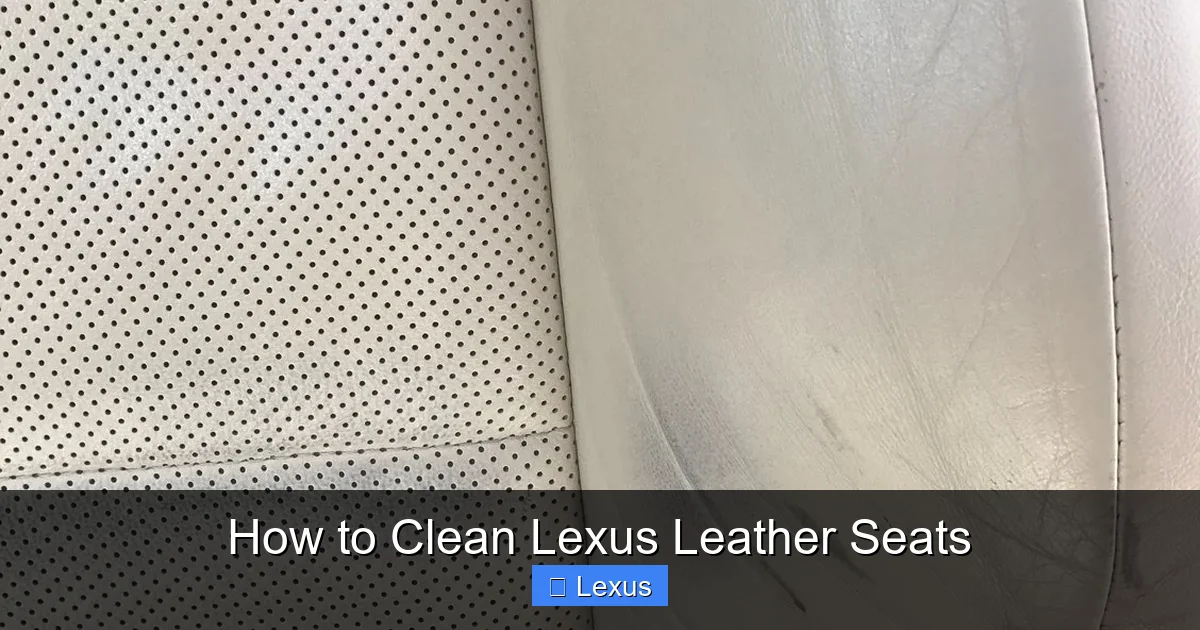
For stubborn stains—like ink, grease, or dried soda—let the cleaner sit for 30–60 seconds before wiping. Never scrub aggressively. If a stain persists, repeat the process rather than pressing harder. For textured or perforated leather (common in performance trims), use a soft brush to work the cleaner into the grooves.
Step 4: Wipe and Dry
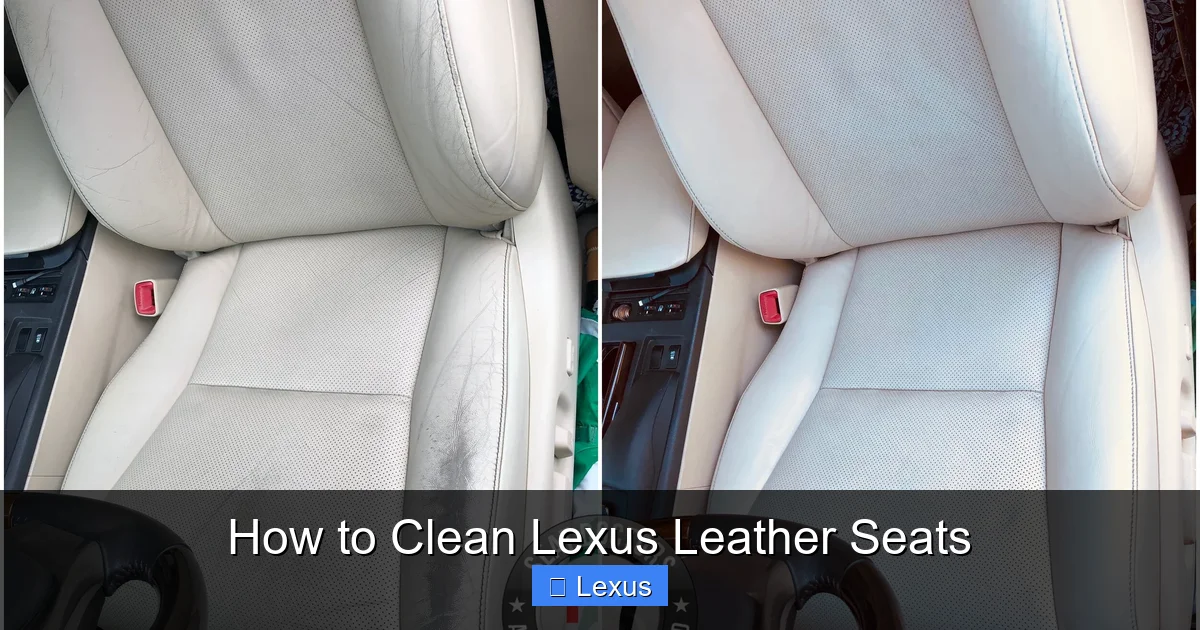
After cleaning each section, use a clean, dry microfiber cloth to buff away any residue. The goal is a clean, slightly damp (not wet) surface. Avoid leaving puddles or streaks—they can attract more dirt later. Make sure all cleaner is removed; leftover product can attract dust or feel sticky.
Let the seats air-dry completely before moving to conditioning. This usually takes 10–15 minutes, depending on humidity and ventilation. Don’t speed this up with a hair dryer or heat gun—excessive heat can crack leather.
Step 5: Condition the Leather
Once dry, it’s time to nourish the leather. Apply a dime-sized amount of conditioner to a fresh microfiber cloth and rub it into the leather using light, even strokes. Focus on areas that flex or crease, like the seat bolsters and lumbar support. Conditioning restores essential oils, prevents drying, and maintains flexibility.
Let the conditioner absorb for 10–15 minutes, then buff off any excess with another clean cloth. Over-conditioning can leave a greasy film, so less is more. You should see a subtle sheen—not a slick, shiny finish.
Repeat this entire process for all seats, including the rear bench if applicable. Don’t forget door panel leather inserts—they get overlooked but benefit just as much from care.
Dealing with Common Stains and Spills
Even with the best habits, accidents happen. The key to saving your Lexus leather from permanent damage is acting fast. Here’s how to handle the most common culprits:
Water-Based Stains (Coffee, Soda, Juice)
Blot—don’t rub—immediately with a dry microfiber cloth to absorb as much liquid as possible. Then, mix a few drops of mild leather cleaner with water (if your product allows dilution) and gently wipe the area. Follow with a dry cloth and condition once dry. Most water-based spills won’t stain if treated within minutes.
Oil-Based Stains (Grease, Makeup, Sunscreen)
These are trickier because oils penetrate deeply. Blot first, then apply a small amount of cornstarch or talcum powder to draw out the oil. Let it sit for several hours (or overnight), then brush off and clean with leather cleaner. For set-in stains, consider a specialized leather degreaser—but test first.
Ink or Marker Marks
Use a cotton swab dipped in isopropyl alcohol (70% or less) to dab the stain. Work from the outside in to prevent spreading. Wipe immediately with a damp cloth, then clean and condition. Never pour alcohol directly on leather.
Pet Accidents or Biological Stains
For urine or vomit, blot thoroughly, then clean with an enzyme-based cleaner designed for organic stains. Regular leather cleaners won’t break down proteins. Rinse with a damp cloth and condition after drying. If odor persists, consult a professional detailer.
Remember: patience is key. Most stains can be removed if addressed early and treated gently. Scrubbing or using harsh chemicals often makes things worse.
Preventive Care and Long-Term Maintenance
Cleaning is only half the battle—prevention keeps your Lexus leather looking its best between sessions. A few simple habits can dramatically extend the life of your seats.
First, **use seat covers or protectors** during messy activities—like beach trips, hiking, or transporting pets. High-quality neoprene or leather-specific covers shield against spills and abrasion without trapping moisture.
Second, **park in the shade or use a sunshade**. UV rays are leather’s worst enemy. Over time, they cause fading, brittleness, and cracking—especially on dashboards and seat tops. Even tinted windows don’t block all UV. A reflective windshield shade can reduce interior temps by 20–30°F and protect your leather.
Third, **condition regularly**. Think of it like moisturizer for your skin. Every 3–6 months (or more often in dry climates), apply conditioner to keep leather supple. Skip this step, and you risk costly repairs down the line.
Fourth, **avoid sharp objects**. Keys, belt buckles, and pet claws can scratch or puncture leather. Be mindful when entering and exiting the vehicle. Consider keeping a small pouch for essentials.
Finally, **schedule professional detailing once a year**. While DIY care is effective, a pro can deep-clean hard-to-reach areas, apply protective coatings, and spot early signs of wear.
What to Avoid When Cleaning Lexus Leather
It’s easy to fall into bad habits—especially when you’re trying to save time or money. But some common practices do more harm than good.
– **Don’t use household cleaners:** Glass cleaners, all-purpose sprays, and even baby wipes often contain alcohols or solvents that dry out leather.
– **Don’t over-wet the seats:** Excess moisture can seep into padding and cause mildew or stiffness.
– **Don’t use abrasive tools:** Steel wool, rough sponges, or stiff brushes scratch the surface.
– **Don’t skip conditioning:** Clean leather without conditioning is like washing your face and skipping moisturizer—it’ll feel tight and look dull.
– **Don’t ignore manufacturer guidelines:** Lexus recommends specific care practices in your owner’s manual. Always check there first.
When in doubt, less is more. Gentle, consistent care beats aggressive, infrequent cleaning every time.
Conclusion: Enjoy the Luxury of Well-Maintained Leather
Your Lexus leather seats are more than just a comfort feature—they’re an investment in your driving experience. With the right approach, cleaning them becomes a quick, satisfying ritual that protects both appearance and value. By using pH-balanced cleaners, microfiber cloths, and regular conditioning, you’ll keep that rich, buttery texture intact for years.
Remember: consistency beats perfection. A little care every month prevents big problems later. And when your seats look and feel amazing, every drive—whether it’s a commute or a weekend getaway—feels just a bit more special.
So grab your microfiber cloth, treat your leather with respect, and enjoy the quiet luxury of a well-cared-for Lexus interior. Your car—and your passengers—will thank you.
Frequently Asked Questions
Can I use baby wipes to clean my Lexus leather seats?
It’s not recommended. Most baby wipes contain alcohols, fragrances, or moisturizers that can dry out or leave residues on leather. Stick to cleaners specifically formulated for automotive leather to avoid damage.
How often should I condition my Lexus leather seats?
Every 3 to 6 months is ideal, depending on climate and usage. In hot or dry environments, you may need to condition more frequently to prevent cracking and maintain softness.
Will cleaning remove light scratches on my leather seats?
Cleaning won’t remove deep scratches, but it can minimize the appearance of light surface scuffs by restoring moisture and shine. For deeper damage, consider a leather repair kit or professional restoration.
Is it safe to use vinegar and water on Lexus leather?
No. Vinegar is acidic and can break down leather fibers and protective coatings over time. Always use a pH-balanced leather cleaner designed for cars.
Can I clean perforated leather seats the same way?
Yes, but be extra gentle. Use a soft brush to clean inside the perforations and avoid over-saturating the holes, which can trap moisture and lead to mold.
Do I need to clean the leather if it looks fine?
Yes—even if seats appear clean, oils, dust, and pollutants build up invisibly. Regular cleaning prevents long-term damage and keeps the leather breathable and healthy.
