
What Should the Oil Pressure Be in a Chrysler 300?

Knowing the correct oil pressure for your Chrysler 300 is essential for engine health and longevity. This guide breaks down normal operating ranges, factors that affect pressure, warning signs of trouble, and how to maintain optimal performance—whether you drive a V6 or V8 model.
Key Takeaways
- Normal oil pressure in a Chrysler 300 ranges from 25 to 65 PSI depending on engine speed and temperature. At idle, expect around 25–30 PSI; under load or at higher RPMs, it can reach 60–65 PSI.
- The oil pressure gauge or warning light is your first alert to potential issues. A consistently low reading or sudden drop may signal low oil level, worn bearings, or a failing pump.
- Engine type matters—V6 and V8 models have slightly different specifications. Always consult your owner’s manual for exact values tailored to your trim and year.
- Oil viscosity and quality directly impact pressure readings. Using the wrong oil grade (e.g., too thin or thick) can cause inaccurate pressure levels.
- Regular maintenance prevents oil pressure problems. Change oil every 3,000–5,000 miles with manufacturer-recommended oil and filter.
- A failing oil pressure sensor can give false readings. Don’t assume mechanical failure—test or replace the sensor before major repairs.
- Driving with low oil pressure risks severe engine damage. If the warning light comes on, pull over safely and shut off the engine immediately.
📑 Table of Contents
Understanding Oil Pressure in Your Chrysler 300
When you slide behind the wheel of your Chrysler 300, you expect a smooth, powerful ride—thanks in large part to a well-maintained engine. But what keeps that engine humming along without overheating or seizing? One of the most critical yet often overlooked components is oil pressure. It’s not just about having oil in the crankcase; it’s about ensuring that oil is being pumped effectively throughout the engine to lubricate moving parts, reduce friction, and dissipate heat.
Oil pressure is the force exerted by the engine’s oil pump as it circulates oil through the engine’s galleries and bearings. Think of it like blood pressure in the human body—too low, and vital organs don’t get enough oxygen; too high, and you risk damage to vessels. Similarly, your Chrysler 300’s engine relies on a precise balance of oil pressure to function optimally. Without adequate pressure, metal components grind against each other, leading to premature wear, overheating, and potentially catastrophic engine failure.
So, what should the oil pressure be in a Chrysler 300? The answer isn’t a single number—it varies based on engine speed, temperature, oil viscosity, and the specific model year and engine configuration. However, understanding the normal range and what influences it can help you spot trouble early and keep your luxury sedan running like new for years to come.
Normal Oil Pressure Ranges for Chrysler 300 Models
Visual guide about What Should the Oil Pressure Be in a Chrysler 300?
Image source: i314.photobucket.com
The ideal oil pressure in a Chrysler 300 depends largely on whether you’re driving a V6 or V8 engine, as well as the year and trim level. Most modern Chrysler 300s—whether equipped with the 3.6L Pentastar V6 or the 5.7L HEMI V8—operate within a general range of 25 to 65 pounds per square inch (PSI). But let’s break that down further.
At idle, when the engine is warm and running smoothly, you can expect oil pressure to sit between 25 and 30 PSI. This is perfectly normal and indicates that the oil pump is delivering enough lubrication even at low RPMs. As you accelerate and engine speed increases, oil pressure should rise accordingly. Under normal driving conditions—say, cruising at 60 mph or climbing a hill—pressure typically climbs to 40–50 PSI. If you’re pushing the engine harder, such as during rapid acceleration or towing, it’s not uncommon to see readings spike to 60–65 PSI.
For example, a 2018 Chrysler 300C with the 5.7L V8 might show 28 PSI at idle and climb to 58 PSI at 3,000 RPM. Meanwhile, a 2020 300 Touring with the 3.6L V6 could display 26 PSI at idle and reach 52 PSI under load. These numbers aren’t set in stone—they can vary slightly based on ambient temperature, oil condition, and engine wear—but they provide a reliable benchmark.
It’s also important to note that some Chrysler 300 models don’t have a traditional oil pressure gauge on the dashboard. Instead, they rely on a warning light that only illuminates if pressure drops below a safe threshold (usually around 5–7 PSI). If your car has a gauge, pay attention to its behavior. If it’s consistently reading low or fluctuating wildly, it’s time to investigate.
Why Oil Pressure Varies by Engine Type
The difference in oil pressure between V6 and V8 engines comes down to design and demand. The 3.6L V6, known for its efficiency and smooth operation, has fewer moving parts and lower internal friction compared to the larger 5.7L HEMI V8. As a result, it typically runs at slightly lower oil pressure under similar conditions. The V8, with its higher displacement and more aggressive performance profile, demands more oil flow and pressure to keep all components properly lubricated—especially under heavy load.
Additionally, older Chrysler 300 models (pre-2011) with the 2.7L or 3.5L V6 engines may have different oil pressure characteristics due to design changes over the years. These engines were known for higher oil consumption and occasional pressure issues, so owners of older models should be extra vigilant about maintenance.
How to Check Your Oil Pressure
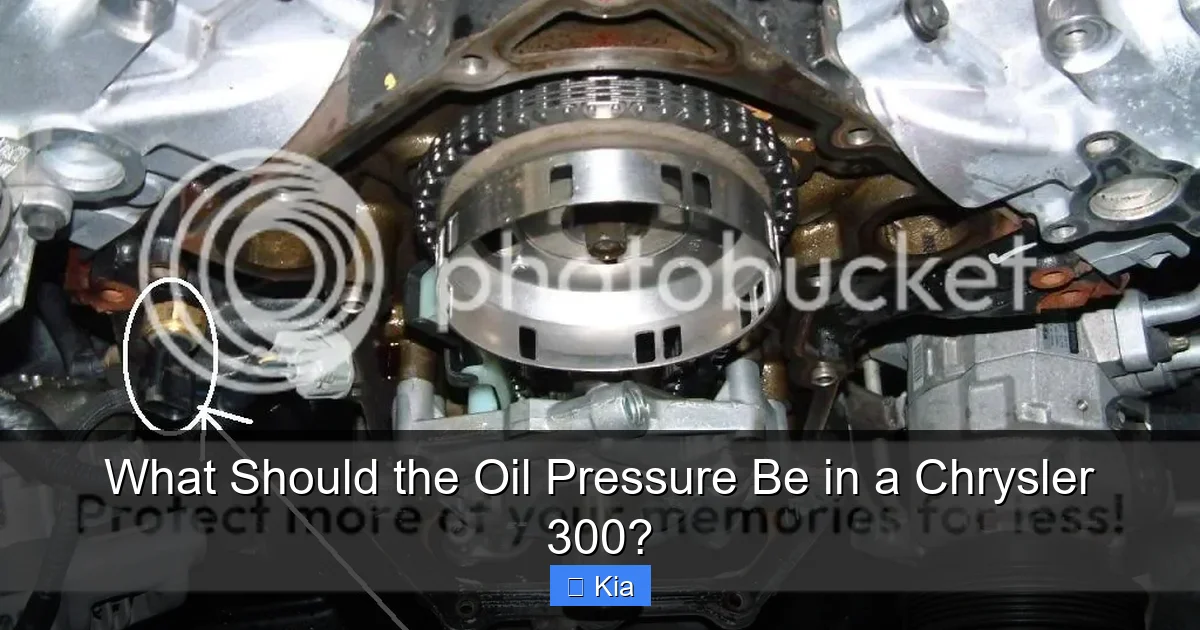
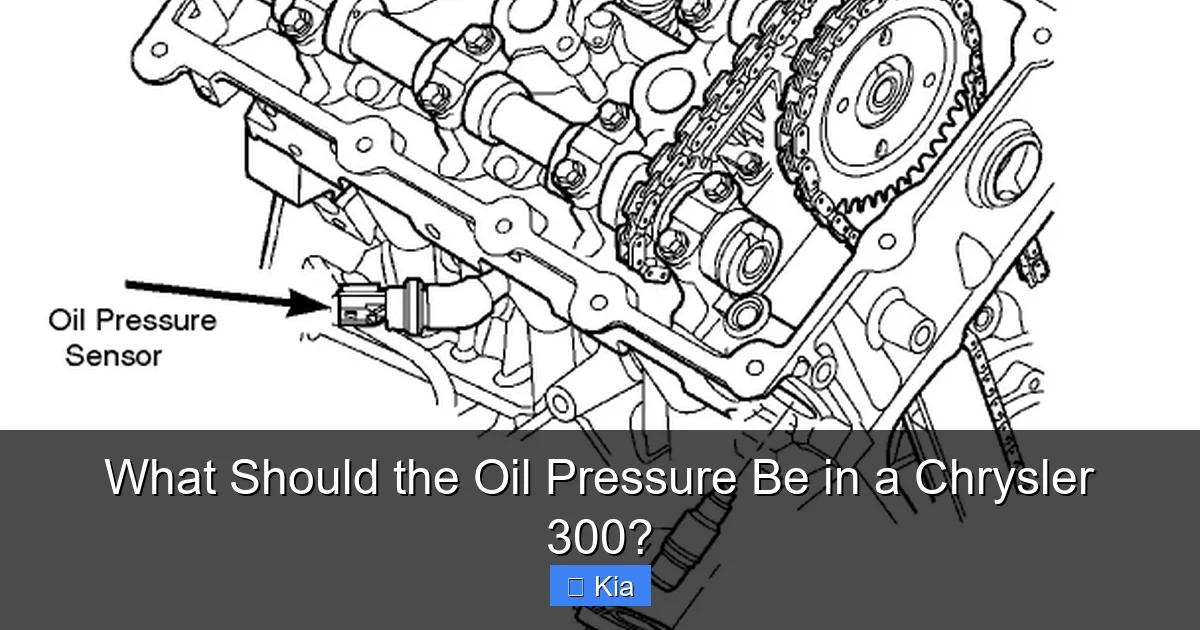
If your Chrysler 300 has an oil pressure gauge, monitoring it is as simple as glancing at the dashboard. But if you only have a warning light, you’ll need a mechanical oil pressure tester to get accurate readings. These tools screw into the oil pressure sensor port (usually located near the oil filter) and provide real-time PSI readings.
To test manually:
- Warm up the engine to normal operating temperature.
- Turn off the engine and locate the oil pressure sensor.
- Remove the sensor and screw in the tester.
- Start the engine and record pressure at idle and 2,500 RPM.
- Compare readings to manufacturer specifications.
This process helps confirm whether a low reading is due to actual mechanical issues or a faulty sensor.
Factors That Affect Oil Pressure in a Chrysler 300
Visual guide about What Should the Oil Pressure Be in a Chrysler 300?
Image source: warningsigns.net
Oil pressure isn’t static—it’s influenced by a variety of factors, some of which are within your control and others that are simply part of normal engine operation. Understanding these variables can help you interpret your readings and take proactive steps to maintain optimal performance.
Engine Temperature
Cold oil is thicker and flows more slowly, which can cause higher initial pressure when you first start the engine. As the oil warms up, it becomes thinner and flows more easily, leading to a drop in pressure. This is why you might see oil pressure spike to 50+ PSI on a cold morning startup, then settle to 30 PSI once the engine reaches operating temperature. Once the engine is fully warmed, pressure should stabilize within the normal range.
Conversely, if your engine overheats, oil can break down and lose viscosity, leading to dangerously low pressure. This is why it’s crucial to address overheating issues immediately—they don’t just affect coolant levels; they can compromise lubrication as well.
Oil Viscosity and Quality
Using the wrong oil viscosity is one of the most common causes of abnormal oil pressure. Chrysler recommends specific oil grades for the 300, typically 5W-20 or 5W-30, depending on the engine and climate. For example, the 3.6L V6 usually takes 5W-20, while the 5.7L V8 may require 5W-30.
If you use oil that’s too thin (like 0W-16 in a high-mileage engine), it may not build enough pressure, especially at idle. On the other hand, oil that’s too thick (such as 10W-40 in cold weather) can cause excessive pressure and strain the oil pump. Always follow the manufacturer’s recommendation found in your owner’s manual or on the oil cap.
Additionally, degraded or contaminated oil loses its ability to maintain proper pressure. Sludge buildup, fuel dilution, or moisture contamination can all reduce oil effectiveness. This is why regular oil changes are non-negotiable—fresh, high-quality oil ensures consistent pressure and protects engine components.
Engine Wear and Component Condition
As your Chrysler 300 accumulates miles, internal engine components wear down. Bearings, especially the main and rod bearings, develop clearances over time. Wider clearances allow oil to escape more easily, reducing pressure. This is why high-mileage engines often run at the lower end of the normal pressure range.
Similarly, a worn oil pump may not generate sufficient pressure, particularly at higher RPMs. The pump’s relief valve can also stick open, causing pressure to drop. These issues are more common in vehicles with poor maintenance histories or those that have been driven aggressively.
Driving Conditions and Load
Your driving habits directly impact oil pressure. Frequent short trips, stop-and-go traffic, and extreme temperatures can all affect oil performance. Towing a trailer, driving uphill, or accelerating rapidly increases engine load, which in turn demands higher oil pressure to maintain lubrication.
If you regularly drive in harsh conditions—such as desert heat or mountainous terrain—you may need to adjust your oil change interval or consider a high-mileage oil formula designed to withstand stress.
Warning Signs of Low or High Oil Pressure
Visual guide about What Should the Oil Pressure Be in a Chrysler 300?
Image source: ww2.justanswer.com
Recognizing the symptoms of abnormal oil pressure can save you from expensive repairs down the road. While some signs are obvious, others are subtle and easy to overlook. Here’s what to watch for.
Dashboard Warning Light
The most immediate indicator of low oil pressure is the oil pressure warning light on your dashboard. This light typically looks like an oil can with a drip and illuminates when pressure drops below a critical threshold (usually 5–7 PSI). If this light comes on, stop driving immediately. Continuing to operate the engine with low oil pressure can cause irreversible damage, including scored bearings, seized pistons, or a blown engine.
Note: Some Chrysler 300 models have a “low oil pressure” message on the instrument cluster instead of a dedicated light. Pay attention to any alerts, even if they seem minor.
Unusual Engine Noises
Low oil pressure often leads to increased metal-to-metal contact, resulting in knocking, ticking, or grinding sounds. You might hear a deep knocking from the lower engine (indicating rod bearing wear) or a high-pitched ticking from the valvetrain (suggesting lifter or camshaft issues). These noises are more noticeable at idle or under acceleration.
Conversely, excessively high oil pressure can cause whining from the oil pump or strain on seals and gaskets, potentially leading to leaks.
Poor Engine Performance
When oil pressure is inadequate, the engine may run rough, hesitate during acceleration, or lose power. This happens because critical components aren’t receiving proper lubrication, leading to increased friction and heat. You might also notice reduced fuel efficiency or a check engine light.
Oil Leaks or Low Oil Level
Low oil level is a common cause of low pressure. Check your dipstick regularly—if the oil is below the “add” mark, top it off with the correct grade. Also, inspect for leaks around the oil pan, valve cover, or oil filter. Even small leaks can lead to significant oil loss over time.
Gauge Fluctuations
If your Chrysler 300 has an oil pressure gauge, erratic readings—such as sudden drops or spikes—can indicate a failing sensor, air in the oil system, or internal engine problems. A steady, consistent reading is ideal.
How to Maintain Proper Oil Pressure
Prevention is always better than repair when it comes to oil pressure. By following a few simple maintenance practices, you can keep your Chrysler 300’s engine in top condition and avoid costly breakdowns.
Follow the Recommended Oil Change Schedule
Chrysler recommends changing the oil and filter every 3,000 to 5,000 miles, depending on driving conditions. For normal driving, many owners follow a 5,000-mile interval with synthetic oil. However, if you frequently drive in stop-and-go traffic, extreme temperatures, or dusty environments, consider changing it every 3,000 miles.
Use only high-quality motor oil that meets Chrysler’s specifications (look for API certification and the correct viscosity). Avoid cheap off-brand oils, as they may not provide adequate protection or maintain proper pressure.
Use the Correct Oil Filter
The oil filter plays a crucial role in maintaining clean oil and proper pressure. A clogged or low-quality filter can restrict flow, leading to low pressure. Always use a genuine Mopar filter or a reputable aftermarket equivalent designed for your specific engine.
Check Oil Level Regularly
Make it a habit to check your oil level at least once a month. Park on level ground, wait a few minutes after turning off the engine, and use the dipstick to ensure the oil is between the “full” and “add” marks. Top off as needed, but avoid overfilling, as this can cause foaming and reduce pressure.
Inspect for Leaks and Damage
Routinely inspect the engine bay for signs of oil leaks. Look under the car for drips or puddles, and check gaskets, seals, and the oil pan for cracks or wear. Address any leaks promptly to prevent oil loss and pressure drops.
Consider High-Mileage Oil for Older Models
If your Chrysler 300 has over 75,000 miles, consider switching to a high-mileage oil formula. These oils contain additives that condition seals, reduce sludge, and maintain viscosity in worn engines. They can help stabilize oil pressure and extend engine life.
Monitor Engine Temperature
Overheating can degrade oil and lower pressure. Ensure your cooling system is functioning properly—check coolant levels, radiator condition, and thermostat operation. If your temperature gauge frequently runs hot, have the system inspected.
When to Seek Professional Help
While many oil pressure issues can be resolved with routine maintenance, some problems require professional diagnosis and repair. Here’s when to visit a mechanic:
- The oil pressure warning light stays on or comes on frequently.
- You hear unusual engine noises, especially knocking or ticking.
- Oil pressure readings are consistently below 20 PSI at idle or fail to rise under load.
- You’ve ruled out low oil level, wrong oil type, and faulty sensors.
- The engine overheats or shows signs of internal damage.
A qualified technician can perform a compression test, inspect the oil pump, and measure bearing clearances to determine the root cause. In severe cases, engine disassembly may be necessary to replace worn components.
Conclusion
Knowing what the oil pressure should be in a Chrysler 300 is more than just a technical detail—it’s a vital part of responsible car ownership. With normal readings ranging from 25 to 65 PSI depending on conditions, your engine relies on consistent oil pressure to stay cool, lubricated, and efficient. Whether you drive a V6 or V8 model, staying on top of oil changes, using the right oil, and monitoring for warning signs can prevent costly repairs and extend the life of your vehicle.
Remember, oil pressure is a dynamic measurement influenced by temperature, viscosity, engine wear, and driving habits. Don’t panic if your gauge shows a slightly lower reading on a cold morning or higher under load—these fluctuations are normal. But if you notice persistent low pressure, strange noises, or warning lights, act quickly. Your Chrysler 300 deserves the best care, and a well-maintained engine is the heart of its performance and reliability.
By following the tips in this guide, you’ll not only understand your car better but also enjoy a smoother, safer, and more confident driving experience for years to come.
Frequently Asked Questions
What is the normal oil pressure for a Chrysler 300 at idle?
The normal oil pressure for a Chrysler 300 at idle is typically between 25 and 30 PSI when the engine is warm. This ensures adequate lubrication even at low RPMs.
Can I drive my Chrysler 300 if the oil pressure light comes on?
No, you should not drive if the oil pressure light is on. This indicates dangerously low pressure, which can cause severe engine damage. Pull over safely and turn off the engine immediately.
Why does my oil pressure drop when the engine gets hot?
Oil becomes thinner as it heats up, which can cause a slight drop in pressure. This is normal. However, a significant drop may indicate worn bearings or low oil level.
What oil should I use in my Chrysler 300?
Use the oil grade recommended in your owner’s manual—usually 5W-20 for the 3.6L V6 and 5W-30 for the 5.7L V8. Always choose high-quality synthetic or conventional oil that meets API standards.
How often should I change the oil in my Chrysler 300?
Change the oil every 3,000 to 5,000 miles, depending on driving conditions. Severe driving (towing, short trips, extreme temps) may require more frequent changes.
Can a bad oil filter cause low oil pressure?
Yes, a clogged or low-quality oil filter can restrict oil flow and reduce pressure. Always use a reputable filter and replace it with every oil change.
