Does the Check Engine Light Come on for an Oil Change in Volkswagen

Contents
- 1 Key Takeaways
- 2 📑 Table of Contents
- 3 Understanding the Check Engine Light in Volkswagen Vehicles
- 4 How Volkswagen Tracks Oil Change Intervals
- 5 Can an Overdue Oil Change Trigger the Check Engine Light?
- 6 Common Reasons the Check Engine Light Comes On in Volkswagen
- 7 The Importance of Using the Right Oil in Your Volkswagen
- 8 Tips to Prevent the Check Engine Light from Coming On
- 9 Conclusion
- 10 Frequently Asked Questions
The check engine light in a Volkswagen does not typically come on just because it’s time for an oil change. Instead, it signals engine-related issues like low oil pressure, sensor faults, or emissions problems. However, ignoring overdue oil changes can eventually trigger the light due to engine stress or degraded oil quality.
Key Takeaways
- The check engine light is not directly tied to oil change intervals: Volkswagen vehicles use a separate service reminder system for oil changes, not the check engine light.
- Low oil levels or poor oil quality can trigger the light: If oil is extremely low or degraded, it may cause engine problems that activate the warning.
- Volkswagen’s oil change reminders are electronic: Most modern VW models display a “Service Now” or “Oil Change Due” message on the dashboard, not the check engine light.
- Ignoring oil changes can lead to engine damage: Over time, old oil loses lubrication properties, increasing wear and potentially causing sensor or pressure issues.
- The check engine light indicates broader engine concerns: It may point to oxygen sensor failure, catalytic converter issues, or ignition problems—not routine maintenance.
- Regular maintenance prevents warning lights: Following Volkswagen’s recommended service schedule helps avoid conditions that could trigger the check engine light.
- Use genuine VW oil and filters: Using the correct oil specification (e.g., VW 502 00 or 504 00) ensures optimal engine performance and longevity.
📑 Table of Contents
- Understanding the Check Engine Light in Volkswagen Vehicles
- How Volkswagen Tracks Oil Change Intervals
- Can an Overdue Oil Change Trigger the Check Engine Light?
- Common Reasons the Check Engine Light Comes On in Volkswagen
- The Importance of Using the Right Oil in Your Volkswagen
- Tips to Prevent the Check Engine Light from Coming On
- Conclusion
Understanding the Check Engine Light in Volkswagen Vehicles
If you’ve ever been driving your Volkswagen and suddenly seen that little yellow or orange engine icon flash on your dashboard, you know the instant wave of concern it brings. The check engine light—also known as the malfunction indicator lamp (MIL)—is one of the most misunderstood warning signals in modern cars. Many Volkswagen owners wonder: “Does the check engine light come on for an oil change?” The short answer is no—but the longer, more accurate answer involves understanding how your VW’s engine management system works and what truly triggers this alert.
Unlike older vehicles that relied on simple mechanical cues, today’s Volkswagen models are equipped with advanced onboard diagnostics (OBD-II) systems. These systems continuously monitor engine performance, emissions, fuel efficiency, and various sensors. When something goes outside normal parameters—like a faulty oxygen sensor, loose gas cap, or misfiring spark plug—the check engine light illuminates to alert you. It’s essentially your car’s way of saying, “Hey, something’s not right under the hood.”
But here’s the key point: the check engine light is not designed to remind you about routine maintenance like oil changes. Volkswagen has a separate, dedicated system for that. Instead, the light focuses on detecting malfunctions that could affect emissions, safety, or engine operation. So while an overdue oil change won’t directly cause the light to come on, neglecting it can create conditions that eventually do.
How Volkswagen Tracks Oil Change Intervals
Visual guide about Does the Check Engine Light Come on for an Oil Change in Volkswagen
Image source: automotiveglory.com
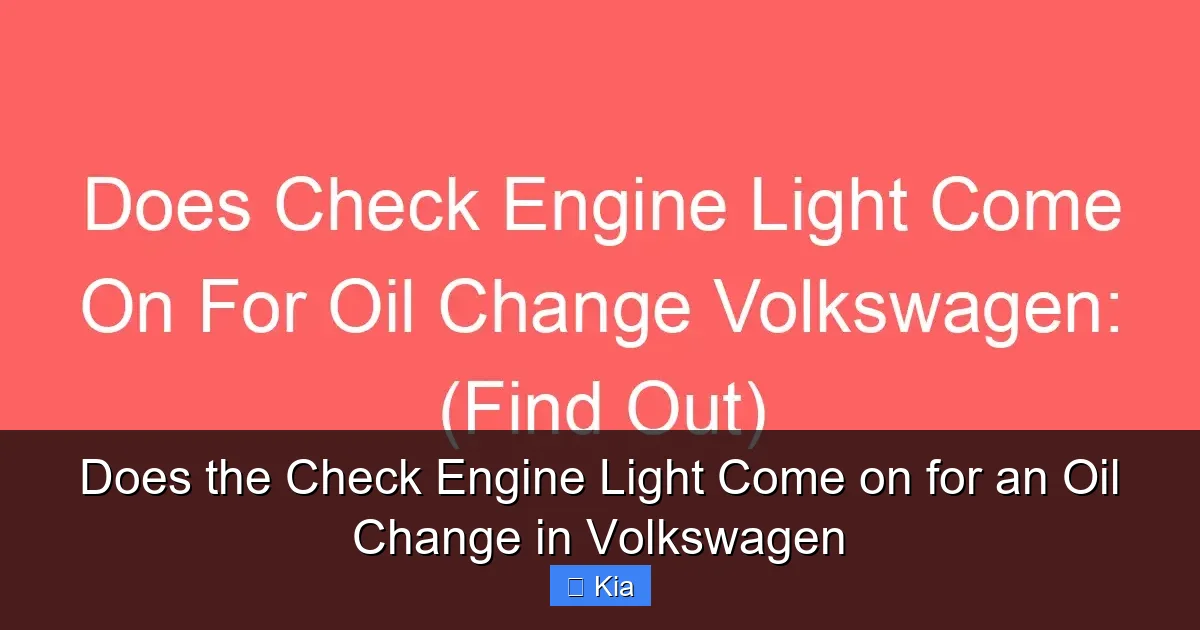
Volkswagen takes a smart, technology-driven approach to maintenance reminders. Rather than relying on mileage alone, most modern VW models use a condition-based service system that calculates oil change intervals based on real-time driving conditions. This means your car considers factors like engine temperature, RPM, trip duration, and even how often you accelerate or brake.
When it’s time for an oil change, your Volkswagen won’t flash the check engine light. Instead, you’ll see a message on your instrument cluster such as “Service Now,” “Oil Change Due,” or “Inspection Due.” Some models may also show a wrench icon or a specific maintenance code. These alerts are part of Volkswagen’s Extended Oil Change Program, which allows for longer intervals—often between 10,000 and 15,000 miles—depending on driving habits and oil type.
For example, if you drive your VW Golf primarily on highways at steady speeds, the system may extend the oil change interval. But if you frequently drive in stop-and-go traffic, tow heavy loads, or operate in extreme temperatures, the system will recommend earlier service. This adaptive approach helps ensure your engine stays protected without unnecessary maintenance.
It’s important to note that these service reminders are separate from the check engine light. They’re part of the vehicle’s maintenance schedule, not its fault-detection system. So if you see the wrench icon or a “Service Now” message, don’t panic—it’s just your car politely asking for an oil change, not signaling an emergency.
Can an Overdue Oil Change Trigger the Check Engine Light?
Visual guide about Does the Check Engine Light Come on for an Oil Change in Volkswagen
Image source: piketransit.com
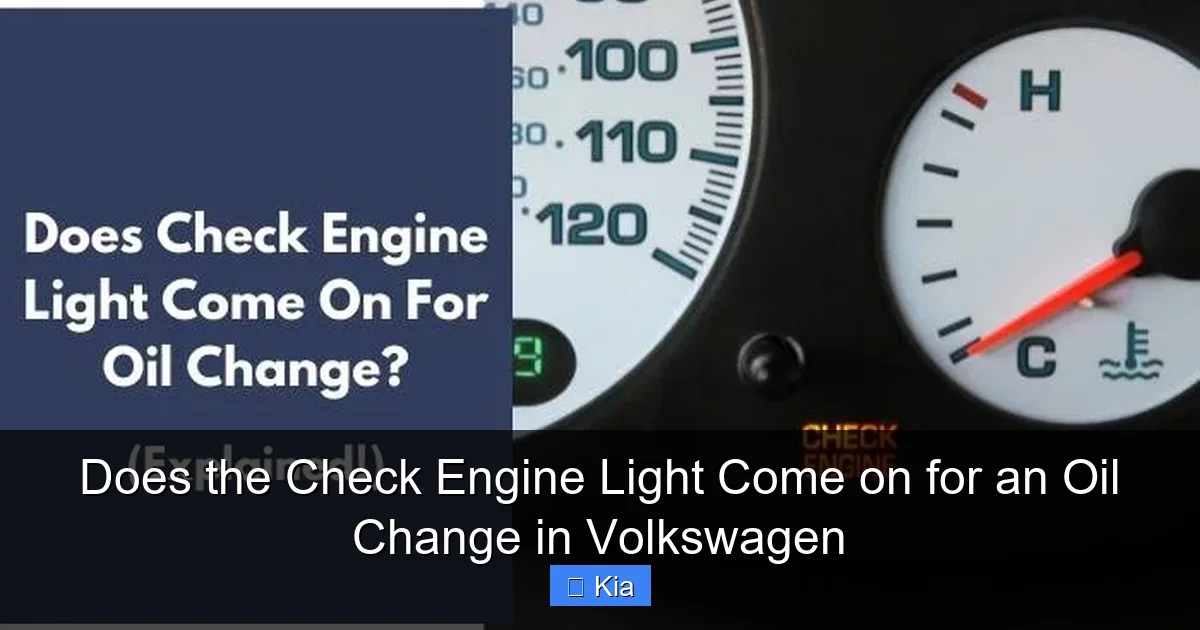
Now, let’s address the core question: can skipping or delaying an oil change eventually cause the check engine light to come on in a Volkswagen? The answer is yes—but not directly. The light won’t turn on simply because your oil is a few thousand miles overdue. However, prolonged neglect can lead to conditions that do trigger the warning.
Here’s how it works: engine oil serves multiple critical functions. It lubricates moving parts, reduces friction, prevents overheating, and helps keep the engine clean by carrying away contaminants. Over time, oil breaks down, loses viscosity, and accumulates sludge and debris. When oil becomes too degraded, it can’t perform these functions effectively.
In extreme cases, this can lead to low oil pressure. Volkswagen engines are equipped with oil pressure sensors that monitor the flow of oil. If the pressure drops below a safe threshold—often due to old, thin, or contaminated oil—the engine control unit (ECU) may interpret this as a serious issue and trigger the check engine light. Additionally, poor oil quality can cause increased engine wear, overheating, or even sensor malfunctions, all of which can activate the warning.
For instance, imagine you’ve driven your VW Passat for 18,000 miles without an oil change. The oil has become thick and sludgy, and the oil filter is clogged. As a result, oil flow to critical components like the camshaft or turbocharger (if equipped) is restricted. The oil pressure sensor detects this drop and sends a signal to the ECU, which then illuminates the check engine light and may even put the engine into “limp mode” to prevent damage.
So while the light doesn’t come on *because* you need an oil change, it can come on *as a result* of the problems caused by not changing your oil. It’s a chain reaction: neglected maintenance → degraded oil → engine stress → sensor alerts → check engine light.
Common Reasons the Check Engine Light Comes On in Volkswagen
Visual guide about Does the Check Engine Light Come on for an Oil Change in Volkswagen
Image source: volkswagenbuddy.com
To better understand why the check engine light might appear—and how it differs from routine maintenance alerts—it helps to know the most common triggers in Volkswagen vehicles. These issues are typically unrelated to oil changes but are important to recognize.
Faulty Oxygen (O2) Sensor
One of the most frequent causes of the check engine light is a malfunctioning oxygen sensor. This component monitors the amount of unburned oxygen in the exhaust system and helps the engine adjust the air-fuel mixture for optimal combustion. If the sensor fails, your VW may run rich (too much fuel) or lean (too little fuel), reducing fuel efficiency and increasing emissions. The ECU detects this imbalance and triggers the light.
Loose or Damaged Gas Cap
It sounds simple, but a loose, cracked, or missing gas cap can cause the check engine light to come on. The gas cap maintains pressure in the fuel system and prevents fuel vapors from escaping. If it’s not sealed properly, the EVAP (evaporative emissions) system detects a leak and alerts the driver. This is one of the easiest fixes—just tighten or replace the cap.
Catalytic Converter Issues
The catalytic converter reduces harmful emissions by converting pollutants into less harmful gases. Over time, it can become clogged or damaged, especially if the engine is running rich or burning oil. A failing catalytic converter often triggers the check engine light and can lead to reduced performance and increased emissions.
Mass Airflow (MAF) Sensor Problems
The MAF sensor measures the amount of air entering the engine and helps determine how much fuel to inject. If it becomes dirty or fails, the engine may misfire, stall, or run poorly. Volkswagen engines are particularly sensitive to MAF sensor issues, and a faulty reading can quickly trigger the check engine light.
Ignition System Failures
Spark plugs, ignition coils, and related components are critical for proper combustion. If a spark plug is worn or an ignition coil fails, the engine may misfire. The ECU detects this and turns on the check engine light. In turbocharged VW models like the GTI or Golf R, ignition issues are especially common and should be addressed promptly.
Exhaust Gas Recirculation (EGR) Valve Malfunction
The EGR valve reduces nitrogen oxide emissions by recirculating a portion of exhaust gases back into the combustion chamber. If it becomes clogged with carbon deposits or fails electrically, it can cause rough idling, hesitation, and increased emissions—triggering the check engine light.
These issues highlight that the check engine light is primarily an emissions and performance monitor, not a maintenance reminder. While oil changes are vital for engine health, they’re just one piece of the larger maintenance puzzle.
The Importance of Using the Right Oil in Your Volkswagen
Volkswagen engines are precision-built and require specific oil formulations to operate correctly. Using the wrong type of oil—or low-quality alternatives—can lead to increased wear, reduced performance, and even engine damage. More importantly, it can contribute to conditions that trigger the check engine light.
Volkswagen recommends using engine oil that meets specific VW standards, such as VW 502 00, VW 504 00, or VW 507 00. These specifications ensure the oil has the right viscosity, additives, and performance characteristics for your engine. For example, VW 502 00 is commonly used in gasoline engines, while VW 504 00 is designed for long-life applications and turbocharged engines.
Using conventional oil instead of synthetic, or choosing a brand that doesn’t meet VW standards, can result in faster oil breakdown, sludge formation, and poor lubrication. Over time, this increases the risk of low oil pressure, overheating, and sensor malfunctions—all of which can activate the check engine light.
Additionally, Volkswagen’s extended oil change intervals are only valid when using approved oils. If you use non-compliant oil, you may need to change it more frequently, and the vehicle’s service reminder system may not function correctly.
For best results, always use genuine Volkswagen-approved oil and filters. You can find the correct specification in your owner’s manual or by consulting a certified VW technician. Many owners also choose to have oil changes performed at authorized service centers, where technicians use factory-recommended products and update the vehicle’s service records electronically.
Tips to Prevent the Check Engine Light from Coming On
While you can’t always prevent the check engine light from appearing—especially with aging components—there are several proactive steps you can take to reduce the risk and keep your Volkswagen running smoothly.
Follow the Recommended Maintenance Schedule
Your owner’s manual outlines a detailed maintenance plan based on time and mileage. Stick to it. Regular oil changes, filter replacements, and inspections help prevent the conditions that lead to warning lights.
Use High-Quality Fuel and Additives
Fill up at reputable gas stations and consider using fuel system cleaners periodically to prevent carbon buildup in the intake and combustion chambers.
Check the Gas Cap Regularly
After every fill-up, make sure the gas cap is tight. A loose cap is a common and easily fixable cause of the check engine light.
Monitor Dashboard Messages
Pay attention to service reminders like “Oil Change Due” or “Service Now.” Address them promptly to avoid secondary issues.
Address Warning Lights Immediately
If the check engine light comes on, don’t ignore it. Use an OBD-II scanner to read the trouble code, or visit a qualified technician. Early diagnosis can prevent costly repairs.
Keep the Engine Clean
Regularly clean the engine bay and inspect for leaks, loose hoses, or damaged sensors. A clean engine is easier to maintain and less prone to faults.
By staying on top of maintenance and using the right parts, you can significantly reduce the chances of seeing that dreaded check engine light—and enjoy a smoother, more reliable driving experience.
Conclusion
So, does the check engine light come on for an oil change in Volkswagen? The answer is clear: no, it does not. Volkswagen vehicles use a separate, intelligent service reminder system to alert drivers when it’s time for an oil change. The check engine light, on the other hand, is reserved for detecting engine malfunctions, emissions issues, and sensor failures.
However, that doesn’t mean oil changes are irrelevant to the check engine light. Neglecting regular oil changes can lead to degraded oil, low oil pressure, and engine stress—conditions that may eventually trigger the warning. By following Volkswagen’s maintenance schedule, using the correct oil specifications, and addressing service reminders promptly, you can keep your engine healthy and avoid unnecessary alerts.
Remember, your Volkswagen is a sophisticated machine designed for performance and longevity. Treat it with care, and it will reward you with years of reliable service. Don’t wait for the check engine light to come on—stay proactive, stay informed, and keep your VW running at its best.
Frequently Asked Questions
Does the check engine light come on when my Volkswagen needs an oil change?
No, the check engine light does not come on simply because your Volkswagen needs an oil change. Instead, the vehicle displays a separate service message like “Oil Change Due” or “Service Now” on the dashboard.
Can low oil cause the check engine light to come on in a VW?
Yes, extremely low oil levels or severely degraded oil can lead to low oil pressure, which may trigger the check engine light. This is usually a sign of engine stress, not just routine maintenance.
How often should I change the oil in my Volkswagen?
Most modern Volkswagen models recommend oil changes every 10,000 to 15,000 miles, depending on driving conditions. Always follow the service reminder on your dashboard and use VW-approved oil.
What should I do if the check engine light comes on in my VW?
Don’t ignore it. Use an OBD-II scanner to read the trouble code or visit a certified technician. Early diagnosis can prevent more serious engine problems.
Can I use any oil in my Volkswagen?
No, Volkswagen engines require oil that meets specific standards like VW 502 00 or VW 504 00. Using the wrong oil can damage the engine and void your warranty.
Will the check engine light reset after an oil change?
Not necessarily. The check engine light only resets when the underlying issue is fixed. An oil change alone won’t clear the light if a sensor or mechanical problem triggered it.