
Are Used Maseratis Reliable?

Used Maseratis can be reliable if well-maintained and purchased wisely, but they require more attention than average luxury cars. High repair costs, complex engineering, and inconsistent service history often impact their long-term dependability.
Key Takeaways
- Reliability varies by model: Older models like the Quattroporte and GranTurismo have more reported issues, while newer ones like the Ghibli and Levante show improved dependability.
- Maintenance is critical: Maseratis need regular, expert servicing—neglect leads to expensive repairs and reduced reliability.
- High ownership costs: Parts and labor are pricey, and many repairs require specialized technicians familiar with Italian engineering.
- Check service history: A complete, documented maintenance record is a strong indicator of a reliable used Maserati.
- Pre-purchase inspection is a must: Always have a qualified mechanic inspect the car before buying to uncover hidden problems.
- Warranty options help: Consider certified pre-owned (CPO) programs or third-party extended warranties for peace of mind.
- Resale value drops fast: Maseratis depreciate quickly, so buying used makes financial sense—but only if you avoid major mechanical issues.
📑 Table of Contents
- Are Used Maseratis Reliable? A Deep Dive into Performance, Problems, and Practical Advice
- Understanding Maserati’s Reliability Reputation
- Common Mechanical Issues in Used Maseratis
- Model-by-Model Reliability Breakdown
- How to Buy a Reliable Used Maserati
- Tips for Keeping Your Used Maserati Reliable
- Conclusion: Is a Used Maserati Right for You?
Are Used Maseratis Reliable? A Deep Dive into Performance, Problems, and Practical Advice
So, you’ve got your eye on a used Maserati. Maybe it’s the sleek lines of a GranTurismo, the bold stance of a Levante, or the classic elegance of a Quattroporte. You’re drawn to the Italian flair, the throaty exhaust note, and the prestige that comes with the trident badge. But before you hand over your hard-earned cash, there’s one big question you need answered: Are used Maseratis reliable?
The short answer? It depends. Maserati blends luxury, performance, and style in a way few brands can match. But that same passion for engineering excellence often comes with complexity—and complexity can mean trouble down the road, especially if the car hasn’t been cared for properly. Unlike German rivals like BMW or Mercedes, Maserati doesn’t have the same reputation for bulletproof reliability. In fact, many owners and experts will tell you that owning a Maserati is as much about passion as it is about practicality.
But don’t let that scare you off entirely. With the right knowledge, a careful buying process, and a commitment to maintenance, a used Maserati can be a thrilling and dependable ride. This guide will walk you through everything you need to know—from common mechanical issues to model-specific quirks, maintenance tips, and smart buying strategies. By the end, you’ll have a clear picture of whether a pre-owned Maserati is the right choice for you.
Understanding Maserati’s Reliability Reputation

Visual guide about Are Used Maseratis Reliable?
Image source: sherpaautotransport-media.s3.amazonaws.com
Maserati has long occupied a unique space in the automotive world. It’s not quite as mainstream as BMW or Audi, nor as ultra-exclusive as Ferrari or Lamborghini. Instead, it sits in that sweet spot of aspirational luxury—offering Italian design, powerful engines, and a sense of occasion that few cars can match. But when it comes to reliability, Maserati has struggled to shake off a reputation for being… let’s say, temperamental.
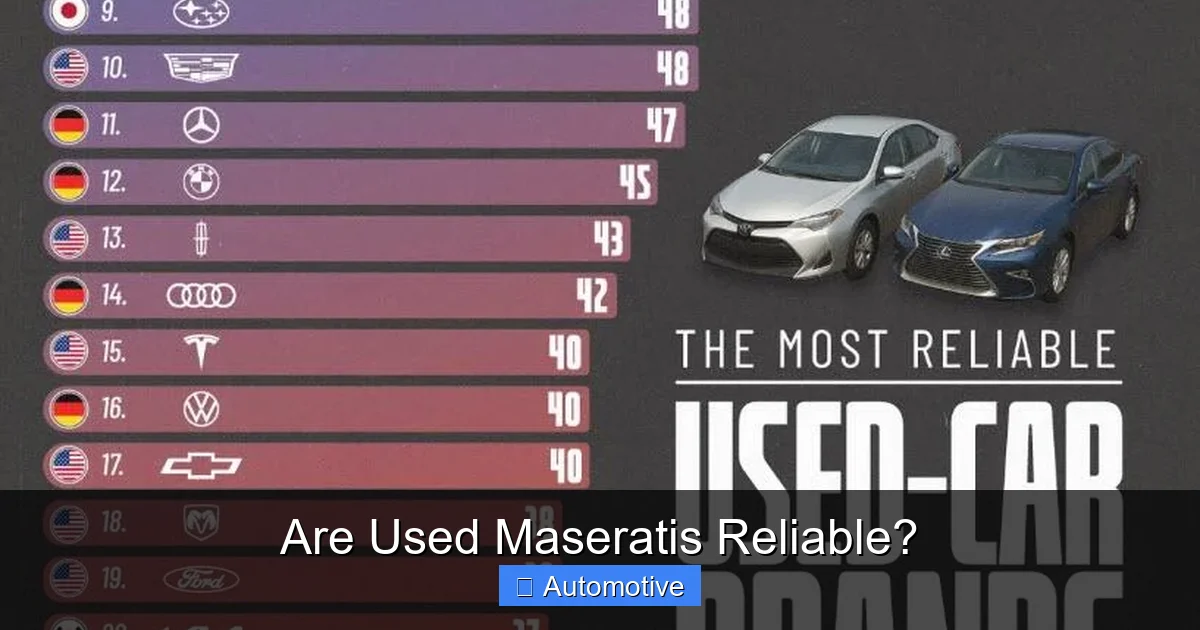
Over the years, various reliability surveys and consumer reports have placed Maserati near the bottom of the luxury car rankings. For example, in recent J.D. Power Vehicle Dependability Studies, Maserati often ranks below the industry average. Similarly, Consumer Reports has given several Maserati models below-average reliability scores, citing issues with electronics, engine performance, and build quality.
But here’s the thing: reliability isn’t just about the brand—it’s about how the car was treated. A Maserati that’s been babied with regular oil changes, timely software updates, and expert servicing can run smoothly for years. On the flip side, one that’s been neglected, driven hard without proper warm-up, or serviced at generic shops can turn into a money pit fast.
So while the brand’s overall reputation isn’t stellar, it’s not a death sentence. Many used Maseratis on the road today are perfectly reliable—especially newer models built with improved quality control and shared platforms from parent company Stellantis (formerly Fiat Chrysler). The key is knowing what to look for and understanding the risks.
Why Maserati’s Reliability Gets a Bad Rap
Several factors contribute to Maserati’s mixed reliability reputation:
– Complex engineering: Maseratis often feature high-performance engines, advanced suspension systems, and cutting-edge electronics. While impressive, these systems can be finicky and expensive to repair when they fail.
– Infrequent use: Many Maserati owners don’t drive their cars daily. Sitting for long periods can lead to issues like dried-out seals, battery drain, and fuel system problems.
– Limited service network: Compared to German brands, Maserati has fewer authorized service centers. This can make finding qualified technicians harder, especially in rural areas.
– High-performance demands: These cars are built for speed and excitement, which means components wear out faster if not maintained properly.
But again, these aren’t deal-breakers—they’re just things to be aware of. With the right approach, you can enjoy a Maserati without constant trips to the shop.
Common Mechanical Issues in Used Maseratis

Visual guide about Are Used Maseratis Reliable?
Image source: dp4o795wajnwf.cloudfront.net
If you’re considering a used Maserati, it’s smart to know what problems to watch for. While not every car will have these issues, they’re common enough to warrant attention. Let’s break down the most frequent trouble spots by system.
Engine and Transmission Problems
Maserati engines—especially the Ferrari-derived V8s in older models—are powerful but can be sensitive. Common engine issues include:
– Timing chain tensioner failure: In models like the Quattroporte and GranTurismo (2004–2012), the timing chain tensioners can wear out prematurely, leading to engine damage if not replaced. This is a known issue and can cost $3,000–$5,000 to fix.
– Oil leaks: Gaskets and seals, particularly around the valve covers and oil pan, are prone to drying out and leaking. While not catastrophic, oil leaks can lead to low oil levels and engine damage if ignored.
– Turbocharger issues: In turbocharged models like the Ghibli and Levante, turbo failures can occur due to heat stress or poor maintenance. Replacing a turbo can cost $4,000 or more.
Transmission problems are less common but still worth noting. The ZF 8-speed automatic used in newer models is generally reliable, but earlier models with the automated manual transmission (like the Cambiocorsa in the 4200 GT) are notorious for clutch wear and jerky shifts.
Electrical and Electronics Glitches
Modern Maseratis are packed with tech—infotainment systems, adaptive cruise control, parking sensors, and more. But with great tech comes great potential for glitches.
– Infotainment system freezes: The Maserati Touch Control system (especially in pre-2017 models) is known for freezing, rebooting, or losing connectivity. Software updates can help, but some owners report ongoing issues.
– Battery drain: Parasitic drain—where electronics keep drawing power even when the car is off—is a common complaint. This can kill the battery overnight, especially in cars that sit for days.
– Sensor failures: Parking sensors, blind-spot monitors, and tire pressure sensors can fail prematurely, often due to moisture ingress or wiring issues.
These problems are usually annoying rather than dangerous, but they can add up in repair costs and frustration.
Suspension and Brake Wear
Maseratis are performance cars, and their suspension and brakes are built to handle high speeds and aggressive driving. But that also means they wear out faster.
– Air suspension leaks: Models like the Quattroporte and Levante use air suspension for a smooth ride. Over time, air springs and compressors can fail, leading to a sagging ride height or warning lights. Repairs can cost $1,500–$3,000.
– Brake rotor and pad wear: High-performance brakes look great and stop well, but they wear out quickly—especially if the car is driven hard. Expect to replace pads and rotors every 20,000–30,000 miles, sometimes sooner.
– Steering rack issues: Some owners report premature wear in the steering rack, leading to looseness or clunking noises. This is more common in older models and can be costly to fix.
Interior and Build Quality Concerns
While Maseratis look stunning on the outside, some owners complain about interior quality—especially in older models.
– Trim pieces loosening: Dashboard trim, door panels, and center console bits can rattle or come loose over time.
– Leather wear: The leather seats, while luxurious, can crack or fade if not conditioned regularly—especially in sunny climates.
– Climate control issues: The HVAC system can develop faults, such as inconsistent cooling or heater failure, often due to blend door actuators or refrigerant leaks.
These aren’t mechanical failures, but they do affect the ownership experience. A car that looks and feels premium should maintain that feel over time.
Model-by-Model Reliability Breakdown
Visual guide about Are Used Maseratis Reliable?
Image source: zerohedge.com
Not all Maseratis are created equal. Some models are more reliable than others, and knowing the differences can save you a lot of trouble. Here’s a quick guide to the most popular used Maserati models.
Maserati Quattroporte (2004–2012)
The Quattroporte is Maserati’s flagship sedan, offering Italian luxury with a powerful V8 engine. But it’s also one of the most problematic models.
– Pros: Stunning design, Ferrari-sourced engine, luxurious interior.
– Cons: Timing chain issues, electrical gremlins, expensive repairs.
– Reliability rating: Below average. Best avoided unless you find one with a full service history and recent major maintenance.
Maserati GranTurismo (2007–2019)
The GranTurismo is a grand tourer that blends performance and comfort. It’s a favorite among enthusiasts, but it’s not without flaws.
– Pros: Iconic styling, smooth V8 power, great sound.
– Cons: Timing chain tensioners, suspension wear, infotainment glitches.
– Reliability rating: Moderate. Look for models with updated tensioners and recent service.
Maserati Ghibli (2014–present)
The Ghibli is Maserati’s entry-level sedan, built on a shared platform with the Chrysler 300. It’s more modern and generally more reliable than older models.
– Pros: Better build quality, turbocharged engines, more service centers.
– Cons: Turbo failures, electrical issues, depreciation.
– Reliability rating: Average to above average. A solid choice if well-maintained.
Maserati Levante (2017–present)
The Levante is Maserati’s SUV, offering performance and practicality. It shares much of its underpinnings with the Ghibli.
– Pros: Modern tech, comfortable ride, good performance.
– Cons: Air suspension issues, electronics glitches, high repair costs.
– Reliability rating: Average. Better than older models, but still requires careful maintenance.
Maserati MC20 (2020–present)
The MC20 is Maserati’s newest sports car, featuring a twin-turbo V6 and advanced engineering. It’s too new for long-term reliability data, but early reports are promising.
– Pros: Cutting-edge tech, impressive performance, improved quality control.
– Cons: Limited service network, high cost of ownership.
– Reliability rating: Too early to say, but likely better than older models.
How to Buy a Reliable Used Maserati
So, you’ve decided to take the plunge. That’s exciting! But to avoid buying a lemon, you need a smart buying strategy. Here’s how to increase your chances of getting a reliable used Maserati.
1. Get a Pre-Purchase Inspection (PPI)
This is non-negotiable. Never buy a used Maserati without a thorough inspection by a qualified mechanic—preferably one familiar with Italian cars or Maserati specifically.
A good PPI should include:
– Engine and transmission check
– Suspension and brake inspection
– Electrical system scan
– Body and frame inspection for rust or damage
– Test drive to assess performance and noise
Expect to pay $150–$300 for a PPI, but it could save you thousands in repairs.
2. Check the Service History
A complete service record is one of the best indicators of a car’s reliability. Look for:
– Regular oil changes (every 5,000–7,500 miles)
– Timing chain or belt replacements (if applicable)
– Brake and suspension work
– Software updates
If the seller can’t provide records, walk away—or at least factor in the risk.
3. Consider Certified Pre-Owned (CPO)
Maserati offers a CPO program that includes:
– Multi-point inspection
– Limited warranty (typically 1–2 years)
– Roadside assistance
– Certified service history
CPO cars cost more, but the peace of mind is worth it—especially for a brand with reliability concerns.
4. Avoid High-Mileage or Neglected Examples
While Maseratis can last 100,000+ miles with proper care, high-mileage examples (over 80,000 miles) are riskier—especially if they’ve been driven hard or stored improperly.
Also, avoid cars that have been sitting for long periods. Stored cars often have dried-out fluids, weak batteries, and seized components.
5. Research Common Issues for the Specific Model
Before you fall in love with a particular car, research its known problems. Websites like:
– CarComplaints.com
– Edmunds.com
– Maserati forums (e.g., MaseratiForums.com)
can give you real-world insights from owners.
6. Budget for Maintenance and Repairs
Even the most reliable used Maserati will need work. Set aside $2,000–$4,000 per year for maintenance and unexpected repairs. This isn’t just oil changes—it’s brakes, tires, fluids, and potential electronics fixes.
Tips for Keeping Your Used Maserati Reliable
Once you own your Maserati, the real work begins: keeping it running smoothly. Here are some tips to maximize reliability.
Follow the Maintenance Schedule
Maserati provides a detailed maintenance schedule in the owner’s manual. Stick to it. Key items include:
– Oil and filter changes (use synthetic oil)
– Spark plug replacement (every 30,000–60,000 miles)
– Air and cabin filter changes
– Brake fluid flush (every 2 years)
– Coolant replacement (every 5 years)
Use a Qualified Technician
Not all mechanics are familiar with Maserati’s quirks. Whenever possible, use a Maserati dealer or an independent shop with experience in Italian performance cars.
Drive It Regularly
Maseratis aren’t meant to sit. Drive your car at least once a week to keep the battery charged, fluids circulating, and seals lubricated.
Warm Up the Engine
Especially in cold weather, let the engine idle for 30–60 seconds before driving. This allows oil to circulate and reduces wear on internal components.
Use High-Quality Fuel and Fluids
Maserati engines are precision instruments. Use premium gasoline (91+ octane) and manufacturer-recommended oils and fluids.
Address Problems Early
Don’t ignore warning lights or unusual noises. A small issue today can become a major repair tomorrow.
Conclusion: Is a Used Maserati Right for You?
So, are used Maseratis reliable? The answer isn’t a simple yes or no. These cars are passionate, powerful, and undeniably beautiful—but they demand more from their owners than most luxury vehicles. If you’re willing to invest time, money, and attention into maintenance, a used Maserati can be a rewarding and reliable companion.
But if you’re looking for a car that just works with minimal fuss, you might be better off with a German or Japanese luxury brand. Maserati is for those who value emotion, style, and driving excitement over bulletproof reliability.
If you do decide to buy, remember: knowledge is power. Do your research, get a pre-purchase inspection, check the service history, and budget for upkeep. With the right approach, your used Maserati can deliver years of thrilling drives—without breaking the bank.
In the end, owning a Maserati isn’t just about transportation. It’s about experience. And for the right person, that experience is worth every penny.
Frequently Asked Questions
Are used Maseratis expensive to maintain?
Yes, used Maseratis are generally more expensive to maintain than average luxury cars. Parts are costly, and labor often requires specialized technicians, leading to higher repair bills.
Which used Maserati model is the most reliable?
The Maserati Ghibli (2014–present) is considered one of the more reliable used models due to its modern platform, improved build quality, and shared components with Chrysler vehicles.
How many miles can a used Maserati last?
With proper maintenance, a used Maserati can last 100,000 to 150,000 miles or more. However, high-mileage examples require careful inspection and may need major repairs.
Should I buy a used Maserati with high mileage?
It’s risky unless the car has a complete service history and recent major maintenance. High-mileage Maseratis are more likely to have worn components and hidden issues.
Is it worth buying a certified pre-owned Maserati?
Yes, a CPO Maserati offers peace of mind with a warranty, inspection, and verified service history—making it a safer choice for buyers concerned about reliability.
Can I service a used Maserati at a regular mechanic?
While possible, it’s best to use a Maserati dealer or an independent shop experienced with Italian performance cars to ensure proper diagnostics and repairs.
