
Are Maseratis Expensive to Maintain?

Yes, Maseratis are generally more expensive to maintain than mainstream vehicles due to specialized parts, labor, and performance engineering. However, proactive care, choosing the right model, and working with certified technicians can help manage long-term costs without sacrificing the thrill of driving Italian luxury.
Key Takeaways
- Higher-than-average maintenance costs: Maseratis require premium parts and specialized labor, leading to steeper service bills compared to mass-market brands.
- Complex engineering demands expertise: With high-performance engines and advanced electronics, repairs often need factory-trained technicians.
- Older models cost more to maintain: Pre-owned Maseratis, especially those out of warranty, may have aging components that require frequent attention.
- Preventive maintenance is crucial: Regular servicing, fluid changes, and software updates can prevent costly breakdowns and extend vehicle life.
- Insurance and depreciation add to ownership costs: Beyond maintenance, expect higher premiums and faster depreciation than average cars.
- Extended warranties and service plans help: These can offset unexpected repair costs and provide peace of mind for long-term owners.
- Owning a Maserati is a lifestyle choice: While maintenance is pricey, many owners feel the driving experience and prestige justify the expense.
📑 Table of Contents
Are Maseratis Expensive to Maintain?
So, you’ve fallen in love with the sleek lines, the throaty exhaust note, and the unmistakable trident badge of a Maserati. You’re dreaming of cruising down coastal highways in a GranTurismo or turning heads in a Ghibli. But before you sign the papers, there’s one big question on your mind: Are Maseratis expensive to maintain?
The short answer? Yes—generally, they are. But like any luxury performance car, the real story is more nuanced. Maserati maintenance costs depend on the model, age, driving habits, and how well you care for the vehicle. While they’re not the most budget-friendly cars to own, understanding what drives the costs can help you make an informed decision.
Unlike Toyota or Honda, Maserati doesn’t build cars for mass-market reliability and low upkeep. Instead, they focus on delivering a high-performance, emotionally engaging driving experience. That means powerful engines, sophisticated suspension systems, and cutting-edge electronics—all of which come with a higher price tag when it’s time for service. But that doesn’t mean owning a Maserati has to break the bank. With smart planning and a little know-how, you can enjoy the Italian flair without constant financial stress.
Why Maserati Maintenance Costs More

Visual guide about Are Maseratis Expensive to Maintain?
Image source: trailandsummit.com
Let’s get straight to the point: Maseratis are not cheap to maintain, and there are several reasons why. From the engineering philosophy to the supply chain, everything about these cars is designed for performance and prestige—not penny-pinching.
Specialized Engineering and Components
Maseratis are built with high-performance engines, often derived from Ferrari or developed in collaboration with Italian engineering firms. For example, the Maserati MC20 features a twin-turbo V6 engine called the “Nettuno,” which uses pre-chamber combustion technology—similar to what you’d find in a Formula 1 car. These advanced systems require precise calibration and high-quality parts, which aren’t available at your local auto parts store.
Moreover, Maserati uses unique suspension setups, Brembo braking systems, and custom electronics that aren’t shared with mainstream brands. When something goes wrong, you can’t just swap in a generic part. You need OEM (Original Equipment Manufacturer) components, which are more expensive and often have longer lead times.
Limited Dealer Network and Labor Costs
Compared to brands like BMW or Mercedes-Benz, Maserati has a much smaller global dealer network. In many regions, there may only be one or two authorized service centers within a hundred miles. This scarcity means less competition and higher labor rates. Technicians at Maserati dealerships are highly trained and certified, but that expertise comes at a premium.
Independent shops may offer lower labor rates, but they often lack the specialized diagnostic tools and training required for Maserati’s complex systems. Attempting DIY repairs or using unqualified mechanics can lead to further damage and even void your warranty. So, while you might save $50 on an oil change at a local garage, you could end up paying thousands later if something goes wrong.
High-Performance Wear and Tear
Maseratis are designed to be driven hard. Whether it’s the Ghibli’s 345-horsepower V6 or the Levante Trofeo’s 580-horsepower V8, these engines are built for speed and responsiveness. But that performance comes with a trade-off: increased wear on components like brakes, tires, and suspension.
For example, the Brembo carbon-ceramic brakes on a Maserati Quattroporte are stunning to look at and offer incredible stopping power, but they cost upwards of $10,000 to replace as a set. Similarly, performance tires like Pirelli P Zeros wear out faster than all-season tires, especially if you enjoy spirited driving. Expect to replace tires every 15,000 to 20,000 miles—compared to 40,000+ miles on a typical sedan.
Real-World Maintenance Costs: What to Expect
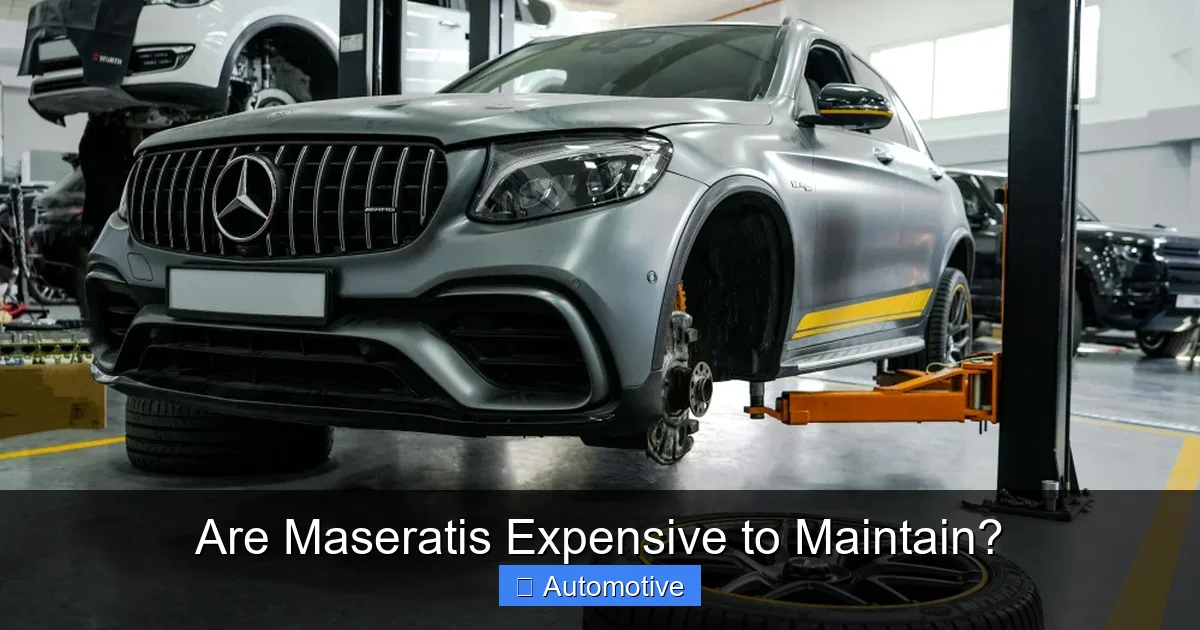
Visual guide about Are Maseratis Expensive to Maintain?
Image source: tec-prod-bucket.s3.me-south-1.amazonaws.com
Now that we’ve covered the “why,” let’s talk numbers. How much will it actually cost to maintain a Maserati? The answer varies by model and age, but here’s a realistic breakdown based on industry data and owner reports.
Routine Maintenance: Oil Changes, Filters, and Fluids
Even basic maintenance on a Maserati is more expensive than average. An oil change, for instance, can cost between $200 and $400 at a dealership. That’s because Maseratis require synthetic oil, high-flow oil filters, and often have complex oil systems that need special handling.
For comparison, a Honda Accord oil change might cost $50–$70 at a quick-lube shop. But with a Maserati, you’re not just paying for oil—you’re paying for expertise, OEM parts, and the time it takes to properly service a high-performance engine.
Other routine services like brake fluid flushes, transmission fluid changes, and coolant replacements also come at a premium. A transmission service on a Maserati Ghibli, for example, can run $800–$1,200, depending on the model year and whether it’s a ZF 8-speed automatic or a dual-clutch system.
Major Service Intervals and Timing Belts
Maseratis have recommended major service intervals, typically every 30,000 to 60,000 miles, depending on the model. These services include comprehensive inspections, fluid replacements, and component checks. A 60,000-mile service on a Maserati Quattroporte can easily cost $2,000–$3,500.
One of the most expensive routine maintenance items is the timing belt replacement. Unlike some modern cars that use timing chains (which last the life of the engine), many Maseratis—especially older models—use timing belts. These need to be replaced every 60,000 to 100,000 miles, and the job is labor-intensive. Replacing a timing belt on a Maserati V8 can cost $2,500–$4,000, including parts and labor.
Common Repairs and Their Costs
Even with regular maintenance, Maseratis can develop issues—especially as they age. Some of the most common problems include:
– **Electrical gremlins:** Maseratis are packed with sensors, control modules, and infotainment systems. Over time, these can develop faults. A malfunctioning climate control module or a glitchy infotainment screen might cost $800–$1,500 to diagnose and repair.
– **Suspension wear:** The adaptive suspension systems in models like the Levante and Ghibli are sophisticated but prone to wear. Replacing a front strut assembly can cost $1,200–$2,000 per side.
– **Turbocharger issues:** Many modern Maseratis are turbocharged. While turbos improve performance, they also generate heat and stress. A failing turbo can cost $3,000–$5,000 to replace, depending on the model.
– **Water pump and cooling system failures:** Some Maserati models, particularly the 2014–2016 Ghibli, have had issues with water pumps and coolant leaks. Repairs can range from $1,000 to $2,500.
Older vs. Newer Maseratis: A Cost Comparison
Visual guide about Are Maseratis Expensive to Maintain?
Image source: roadsumo.com
One of the biggest factors in maintenance costs is the age of the vehicle. Newer Maseratis (2017 and later) benefit from improved reliability, better manufacturing processes, and longer warranties. Older models, especially those from the 2000s and early 2010s, are more prone to issues and can be significantly more expensive to maintain.
Newer Models: Better, But Not Perfect
Maserati has made strides in reliability in recent years. The current lineup—including the Ghibli, Levante, and MC20—features more robust electronics, better build quality, and improved dealer support. Many newer models come with a 4-year/50,000-mile basic warranty and a 6-year/75,000-mile powertrain warranty, which can cover major repairs during the early ownership years.
However, even new Maseratis aren’t immune to problems. Some owners report issues with the infotainment system, adaptive cruise control, and minor electrical faults. But overall, the newer the car, the lower the risk of catastrophic failure.
Older Models: Bargain Price, Hidden Costs
It’s tempting to buy a used Maserati for half the price of a new one. A 2010 Quattroporte might cost $15,000–$20,000, compared to $120,000+ for a new one. But that lower purchase price often comes with higher maintenance costs.
Older Maseratis are more likely to have worn suspension components, aging electronics, and engine issues. For example, the 2005–2012 Quattroporte had known problems with the Skyhook suspension system, which could fail and cost $3,000+ to repair. The 2008–2013 GranTurismo also had issues with the fuel pump and ignition coils.
Additionally, older models may no longer be covered by warranty, and parts can be harder to find. If a rare component fails, you might face long wait times and high shipping costs.
Tips to Reduce Maserati Maintenance Costs
While Maseratis are inherently more expensive to maintain, there are smart strategies to keep costs under control without sacrificing the driving experience.
Stick to the Maintenance Schedule
The best way to avoid costly repairs is to follow the manufacturer’s recommended maintenance schedule. This includes regular oil changes, fluid checks, and inspections. Skipping services might save money short-term, but it can lead to bigger problems down the road.
For example, failing to replace the timing belt on time can result in catastrophic engine damage if the belt breaks. That single repair could cost $10,000 or more—far more than the $3,000 timing belt replacement.
Use Certified Technicians
Even if dealership labor is expensive, it’s often worth it for complex repairs. Certified Maserati technicians have access to factory tools, software updates, and training that independent shops may lack. They’re also more likely to spot potential issues before they become major problems.
That said, some independent shops specialize in Italian performance cars and can offer competitive rates. Just make sure they have experience with Maseratis and use OEM or high-quality aftermarket parts.
Consider an Extended Warranty or Service Plan
Maserati offers extended warranty plans that can cover repairs beyond the factory warranty. These plans typically cost $2,000–$5,000, depending on the coverage length and deductible. While it’s an upfront expense, it can save you thousands if a major component fails.
Some third-party providers also offer coverage for Maseratis, though be sure to read the fine print. Look for plans that cover electronics, suspension, and engine components—not just basic powertrain parts.
Drive Responsibly (But Enjoy It!)
Maseratis are built to be driven. But aggressive driving—constant hard acceleration, late braking, and high-speed runs—can accelerate wear on brakes, tires, and the engine. While you should definitely enjoy the performance, try to balance spirited driving with sensible habits.
For example, warming up the engine before pushing it hard can extend turbo and engine life. Similarly, avoiding potholes and rough roads can prevent suspension damage.
Keep an Emergency Fund
Even with the best care, unexpected repairs can happen. Set aside $1,000–$2,000 per year for maintenance and repairs. This “Maserati fund” can help you handle surprises without financial stress.
The True Cost of Ownership: Beyond Maintenance
Maintenance is just one part of the total cost of owning a Maserati. To get the full picture, you also need to consider insurance, fuel, depreciation, and taxes.
Insurance Premiums
Maseratis are classified as high-performance luxury vehicles, which means higher insurance rates. Expect to pay $2,000–$4,000 per year for full coverage, depending on your location, driving history, and the model. Comprehensive and collision coverage are especially important, given the car’s value and repair costs.
Fuel Economy
Maseratis are not fuel-efficient. The Ghibli gets around 18–22 mpg combined, while the Levante V8 might only achieve 15–17 mpg. With gas prices fluctuating, fuel can add $2,000–$3,000 per year to your ownership costs, especially if you drive frequently.
Depreciation
Like most luxury cars, Maseratis depreciate quickly. A new Maserati can lose 30–40% of its value in the first three years. While this doesn’t directly affect maintenance, it does impact the overall cost of ownership. If you plan to sell the car later, you’ll need to factor in that loss.
Taxes and Registration
In some states, luxury vehicles are subject to higher registration fees or luxury taxes. For example, California charges an additional fee based on the car’s value. These costs vary by location but can add hundreds of dollars per year.
Is Owning a Maserati Worth It?
So, after all this talk about costs, the big question remains: Is it worth it?
For many owners, the answer is a resounding yes. A Maserati isn’t just a car—it’s an experience. The sound of the engine, the feel of the steering, the attention it draws—these are things you can’t quantify in dollars and cents. If you value driving passion, Italian design, and exclusivity, a Maserati can be a deeply rewarding ownership experience.
But it’s not for everyone. If you’re on a tight budget or prioritize reliability and low running costs, a Maserati might not be the best choice. Brands like Lexus, Genesis, or even high-end BMWs offer luxury and performance with lower maintenance burdens.
Ultimately, owning a Maserati is a lifestyle decision. If you’re prepared for the costs and committed to proper care, it can be one of the most thrilling cars you’ll ever drive.
Conclusion
Are Maseratis expensive to maintain? Yes—there’s no sugarcoating it. From specialized parts to high labor rates, maintaining a Maserati costs more than most mainstream vehicles. Older models can be particularly costly, and even newer ones require diligent care to avoid surprises.
But that doesn’t mean they’re unaffordable or impractical. With smart planning, regular maintenance, and a realistic budget, you can enjoy the Italian passion without constant financial worry. Whether you’re drawn to the elegance of a Quattroporte, the versatility of a Levante, or the raw power of an MC20, a Maserati offers a driving experience that few other cars can match.
Just remember: this isn’t a car you buy and forget. It’s a relationship—one that requires attention, care, and a little extra cash. But for those who love the road as much as the destination, it might just be worth every penny.
Frequently Asked Questions
Are Maseratis more expensive to maintain than BMWs?
Yes, generally Maseratis are more expensive to maintain than BMWs. While both are luxury brands, Maserati has a smaller dealer network, more specialized parts, and higher labor costs, leading to steeper service bills.
How often should I service my Maserati?
Maserati recommends servicing every 12 months or 12,000 miles, whichever comes first. Major services are typically scheduled every 30,000 to 60,000 miles, depending on the model and driving conditions.
Can I use regular oil in my Maserati?
No, Maseratis require high-quality synthetic oil that meets specific manufacturer standards. Using the wrong oil can damage the engine and void your warranty.
Do Maseratis have reliability issues?
Older Maseratis (pre-2017) had more reliability concerns, especially with electronics and suspension. Newer models have improved significantly, but they still require more attention than mainstream brands.
Is it cheaper to maintain a used Maserati?
Not necessarily. While the purchase price is lower, used Maseratis often have higher maintenance costs due to aging components and lack of warranty coverage.
Should I buy an extended warranty for my Maserati?
An extended warranty can be a smart investment, especially for older models or high-mileage vehicles. It can cover costly repairs and provide peace of mind, though it comes at an upfront cost.
